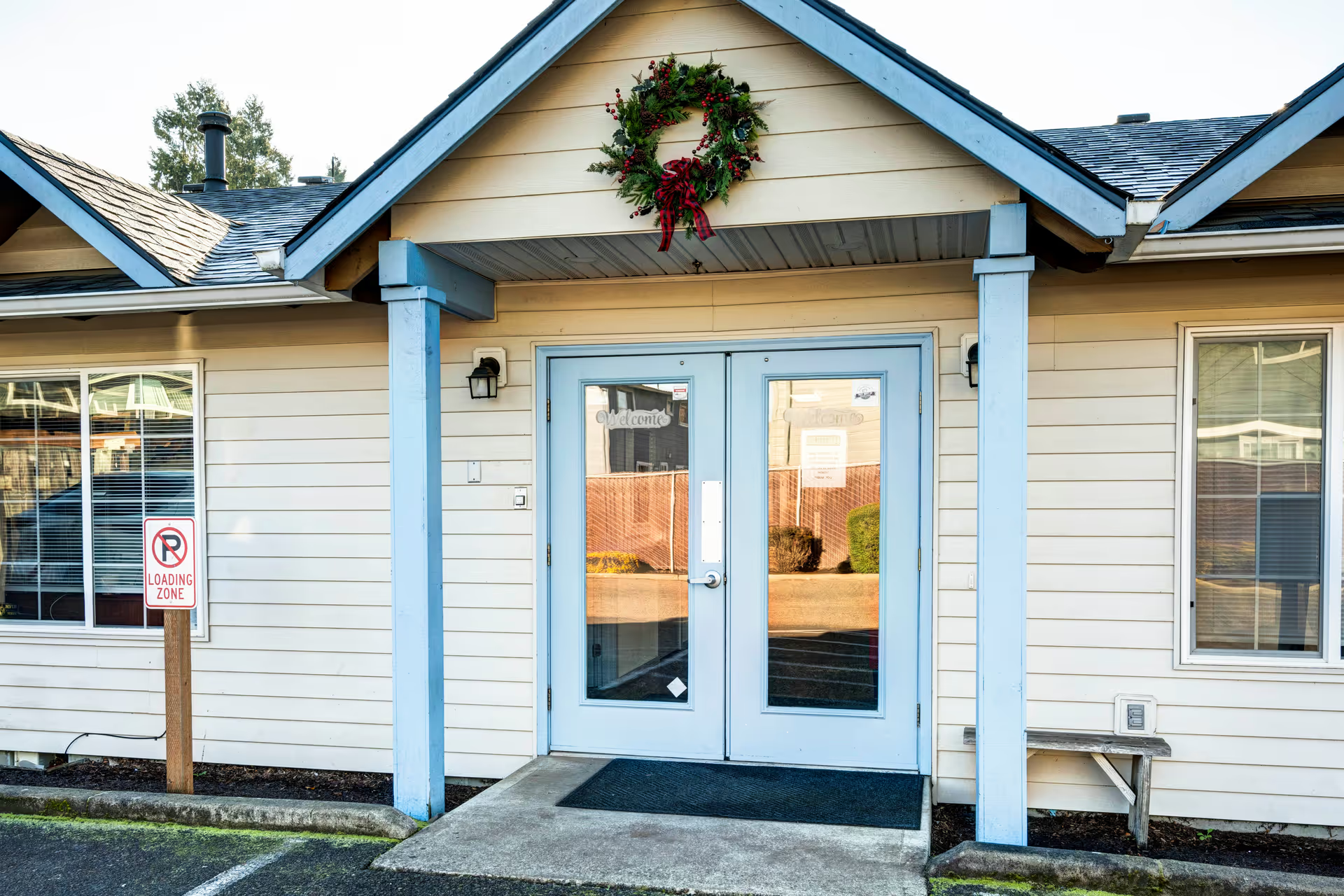
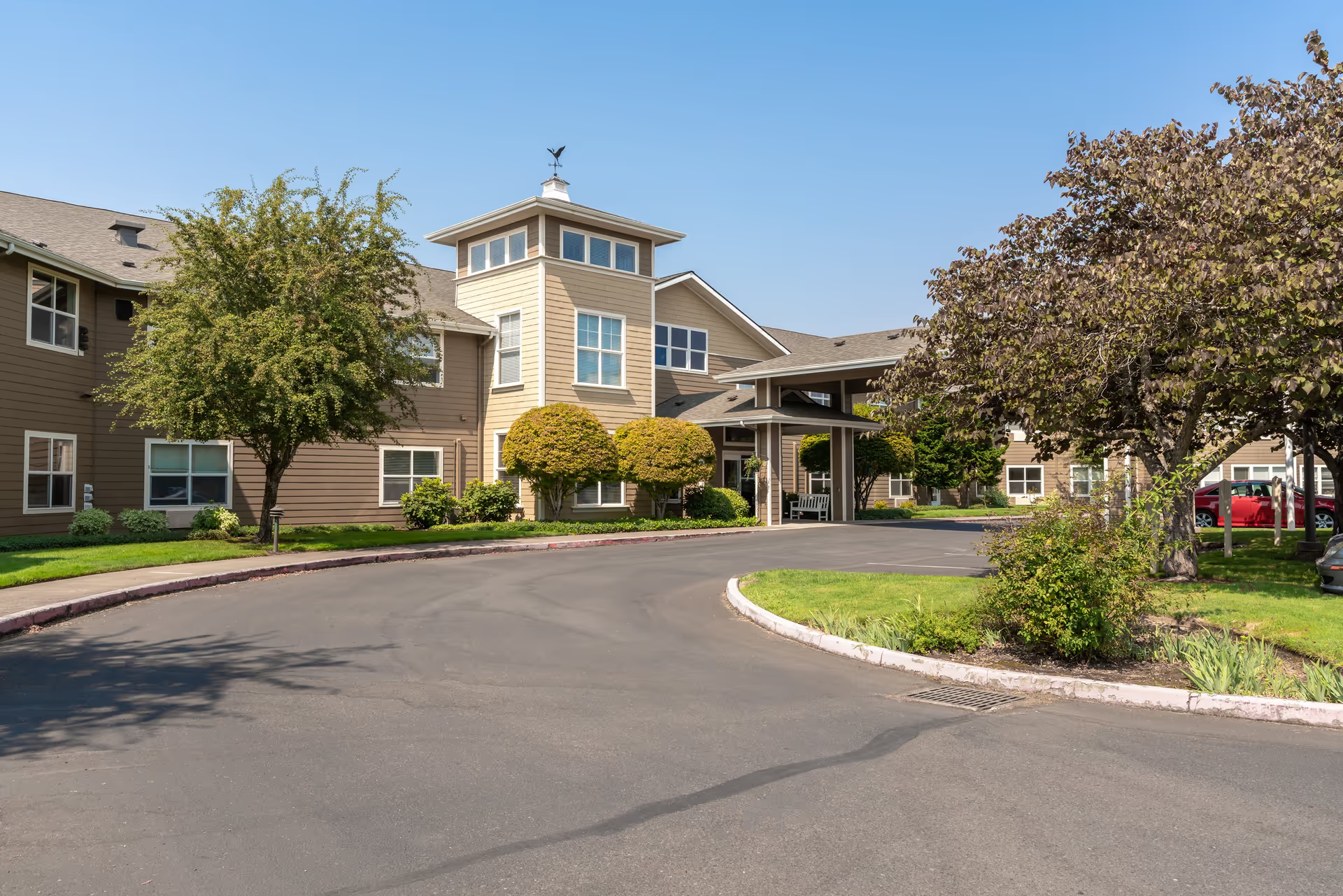
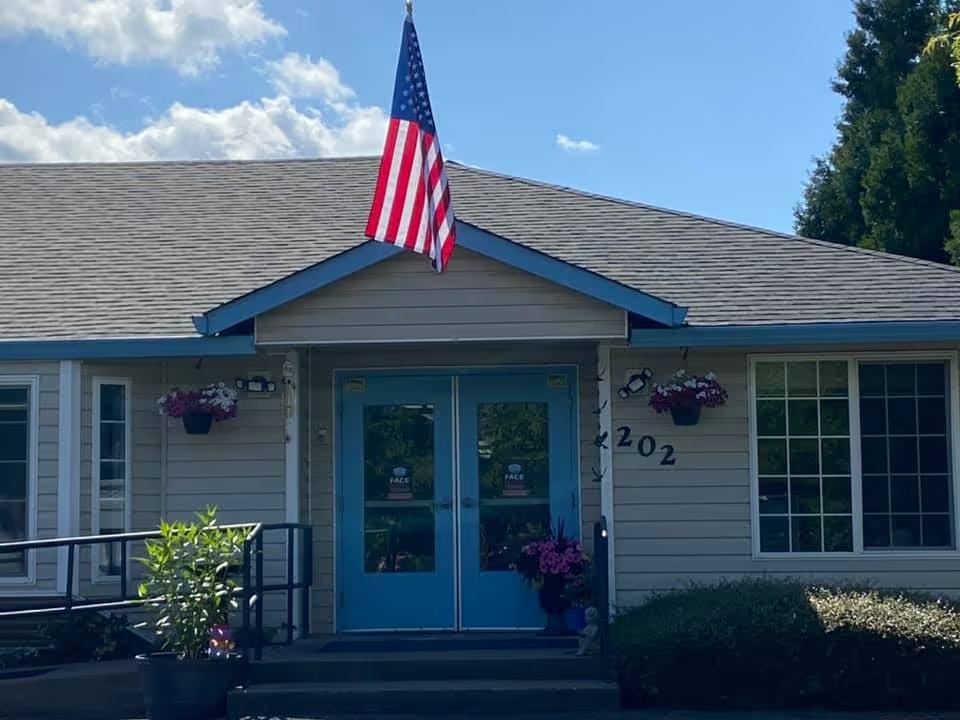
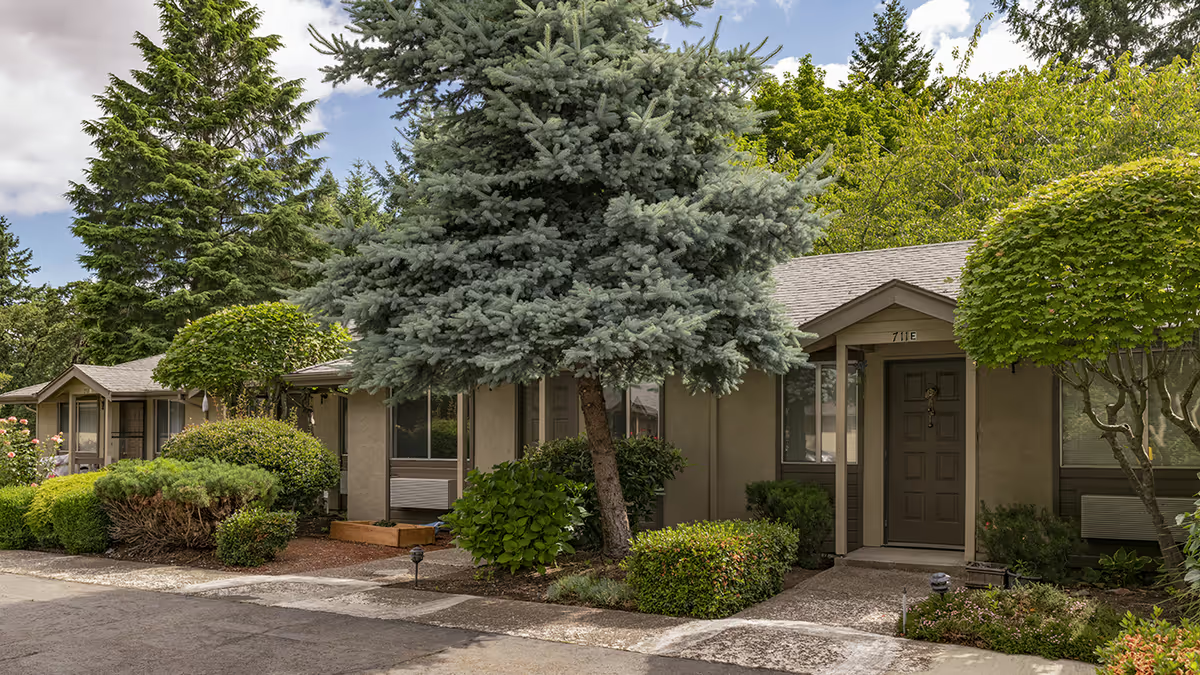
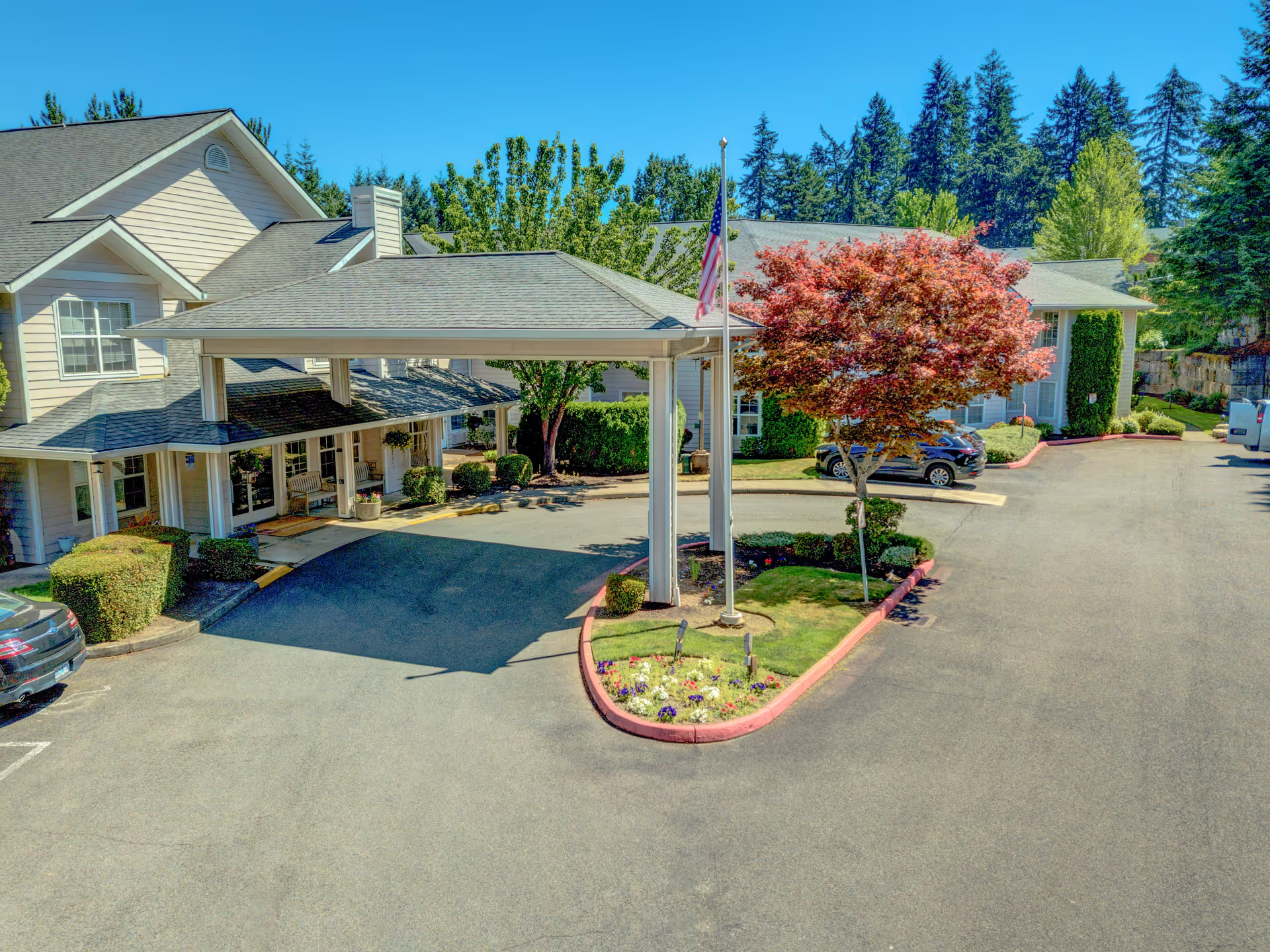
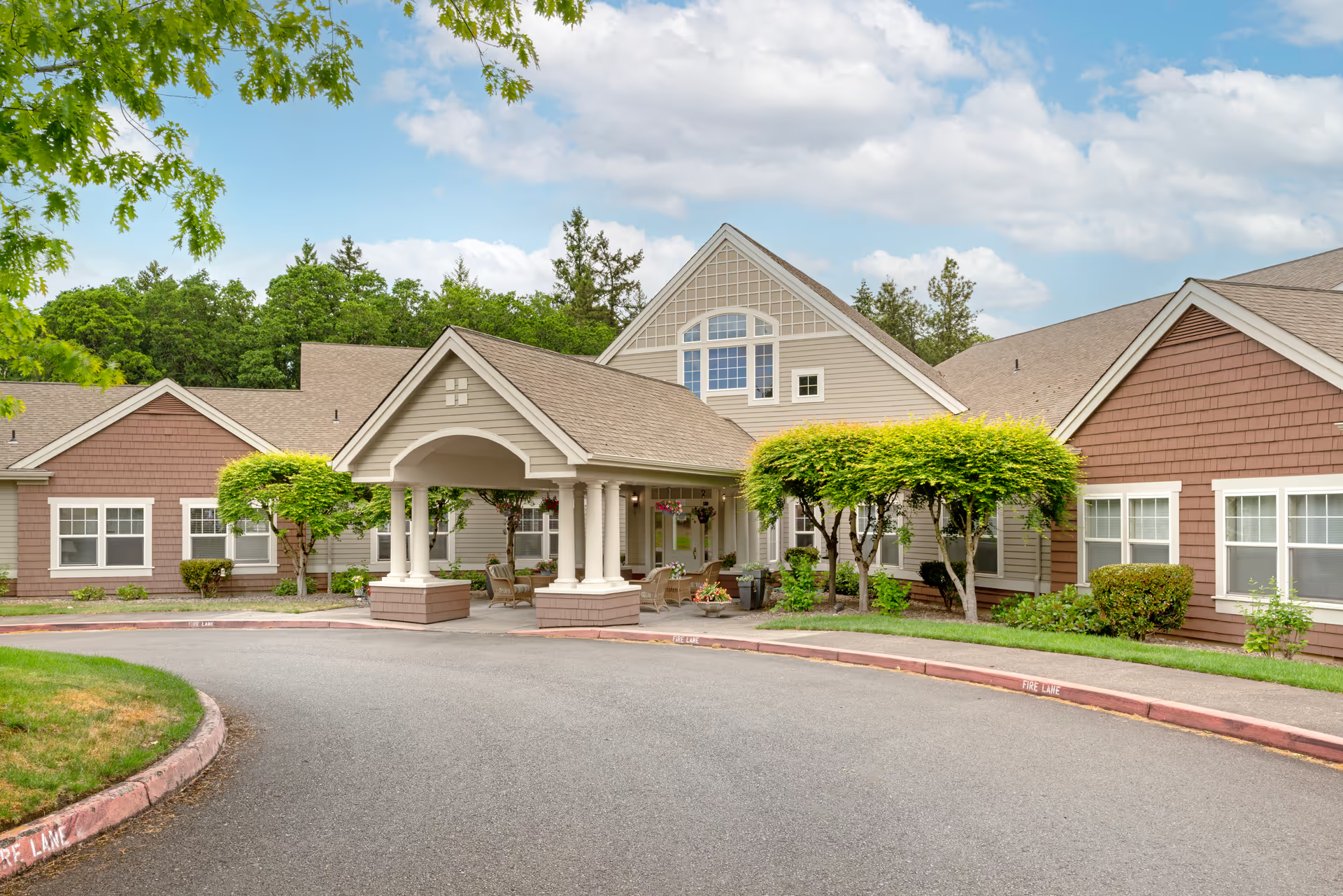
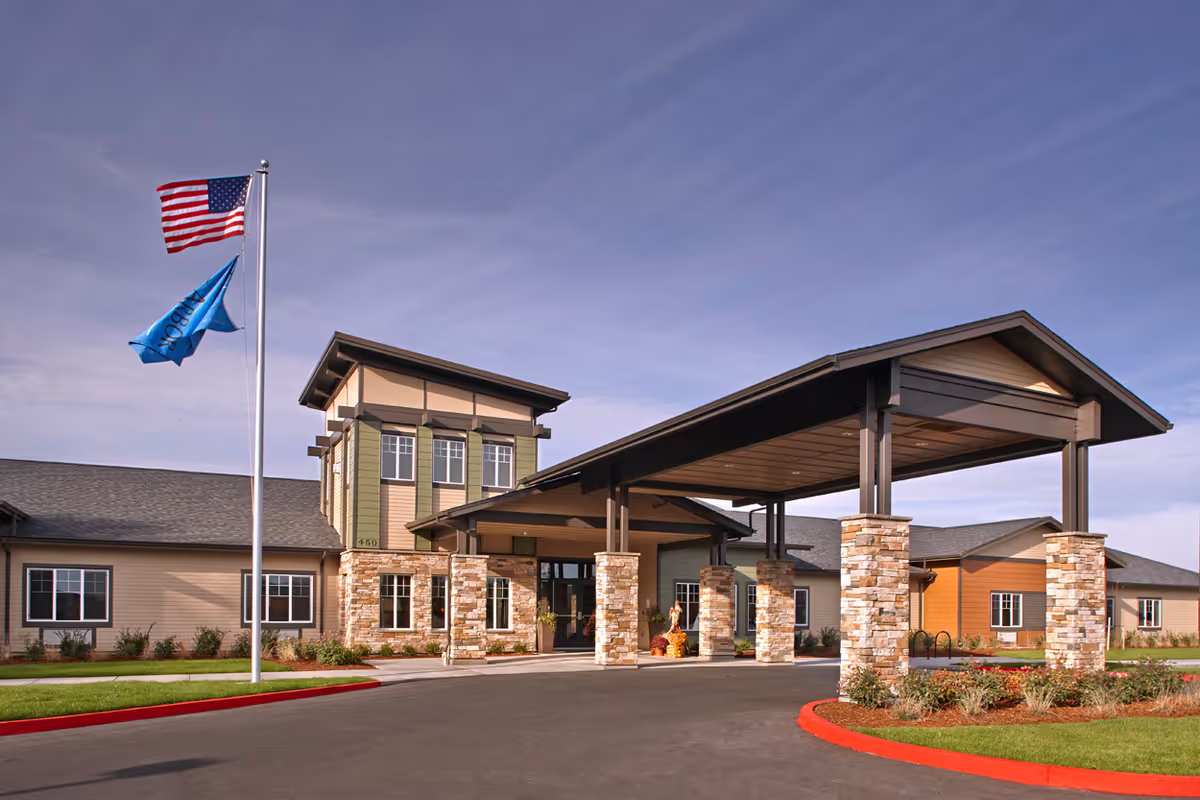
Dallas Retirement Village presents as a campus-level senior living community with a strong emphasis on social programming, campus amenities, and a continuum of clinical services. Review narratives consistently describe an active Life Enrichment program, a broad schedule of on-site and off-site outings, and many resident-led clubs and hobbies (woodshop, crafts, birding, book club). The property is described as well maintained and resort‑like, with accessible walkways, a pool and spa, fitness areas, multiple libraries, theater space, gardens with raised plots, and on‑site conveniences such as pharmacy and grocery services. Housing choices are varied (one‑ and two‑bed units, lodge condos, cottages), and the campus is pet friendly.
Staffing and care are frequent strengths in the reviews. Many accounts highlight compassionate, long‑tenured employees, a 24/7 front desk presence, approachable clinical teams (nurses, therapists, CNAs) and strong rehab outcomes. Families and residents often emphasize a welcoming, family‑like culture, attentive dining room servers, and pastoral support. Memory care and assisted‑living services are available on campus and receive positive remarks for safety and dignity of care. Where clinical teams are praised, reviewers cite responsiveness, individualized attention, and effective coordination of therapies.
Dining and activities are central to the community experience. Multiple dining venues, flexible meal times, and varied menus are repeatedly noted; reviewers specifically call out high‑quality desserts and restaurant‑style service. The activities calendar ranges from low‑impact exercise classes and bingo to bus tours, symphonies, and cultural events. Reviewers generally describe life as social and engaging, with regular special events, holiday entertainment, and opportunities for both structured and self‑directed participation.
Notable operational patterns that prospective residents should assess further include variability in service consistency. While many reviewers praise housekeeping and maintenance, others mention inconsistent housekeeping performance, occasional odor concerns in specific common areas, and problems with laundry or personal‑property handling. A subset of accounts raises concerns about medication handling and isolated clinical communication lapses; these have been presented as episodic but are important to query directly with management. There are also references to intermittent understaffing or variability in staff responsiveness, and several comments reference extended wait lists or placement delays. Finally, some prospective residents note a balance issue between apartment size and cost—smaller units may feel tight while larger units carry higher prices.
The pandemic context surfaced repeatedly: infection‑control restrictions temporarily reduced group interaction and required relocations for some residents, and reviewers note that some social activities were paused but expected to resume. Management and customer‑facing staff receive frequent praise for warmth and engagement, though there are repeated mentions of uneven managerial follow‑through on specific service issues (housekeeping, callbacks, or addressing family concerns).
In summary, Dallas Retirement Village offers a robust, amenity‑rich campus with strong social programming and an overall culture of caring staff and diversified care levels. The dominant themes are high resident engagement, attractive facilities, and attentive clinical and dining teams. Areas to explore in a personal tour or meeting with leadership include housekeeping quality assurance, medication‑administration protocols and oversight, current staffing levels and response expectations, wait‑list timing, and the apartment size versus pricing structure. These follow‑up questions will help determine whether the facility’s generally positive atmosphere aligns with an individual prospective resident’s priorities and clinical needs.