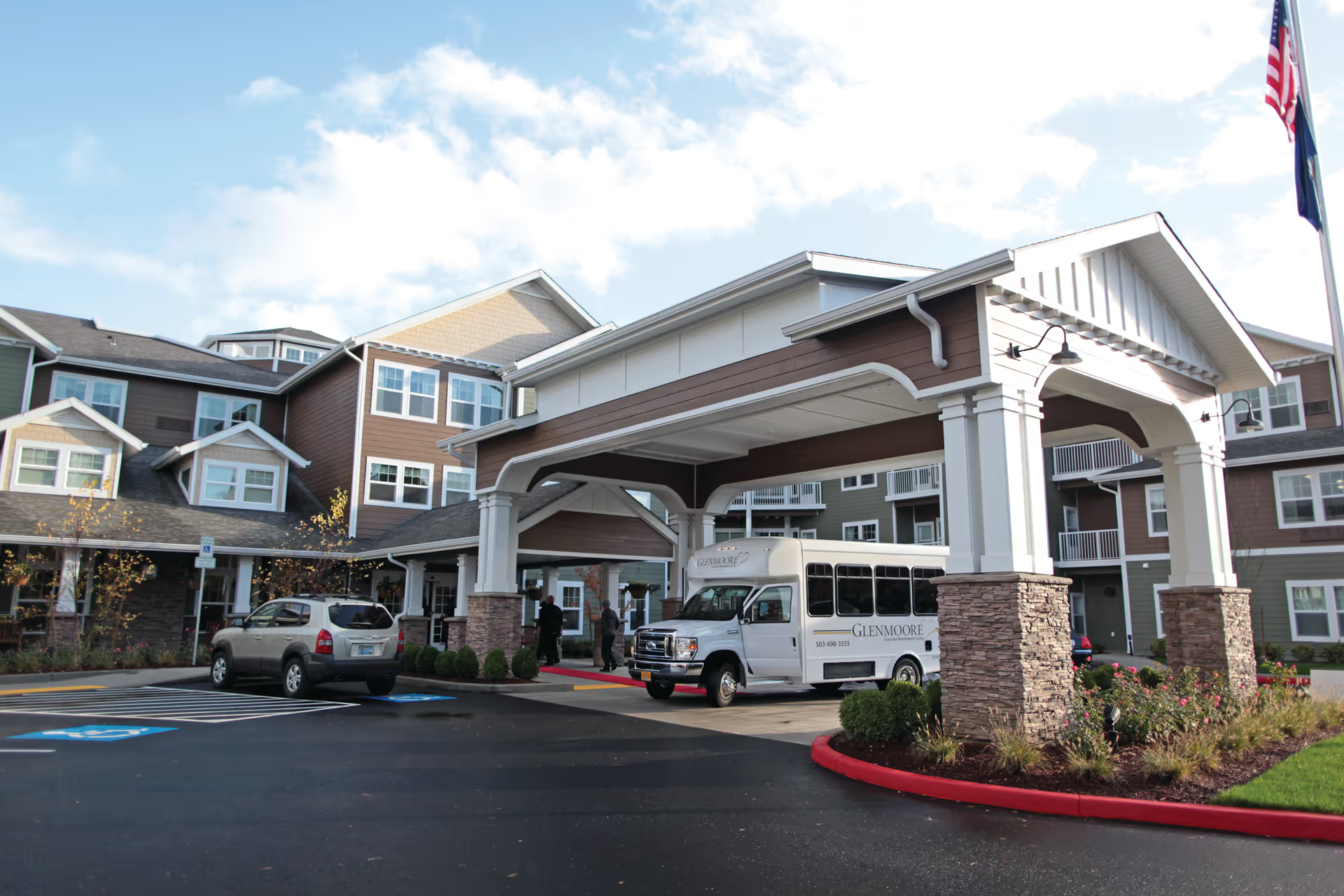
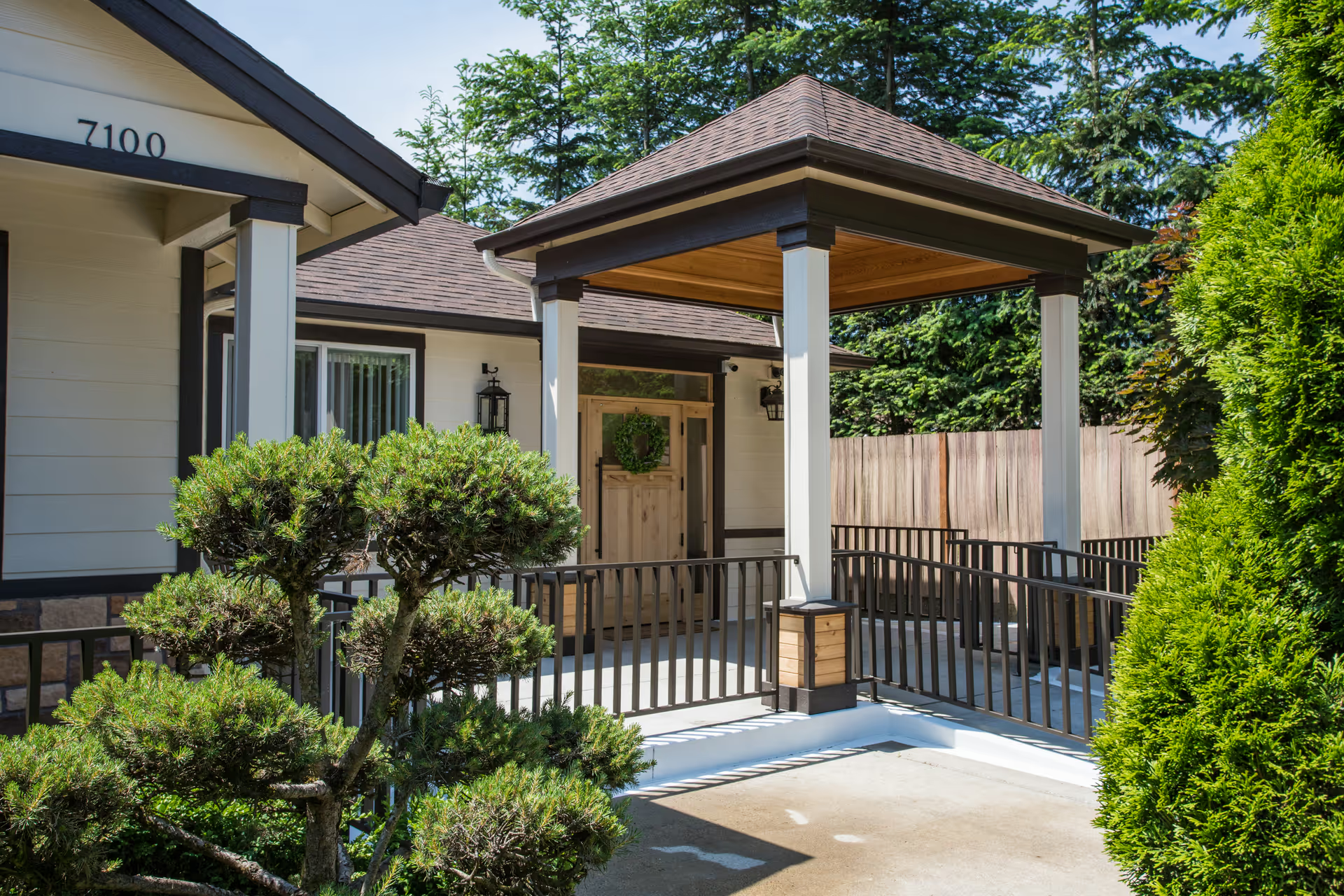
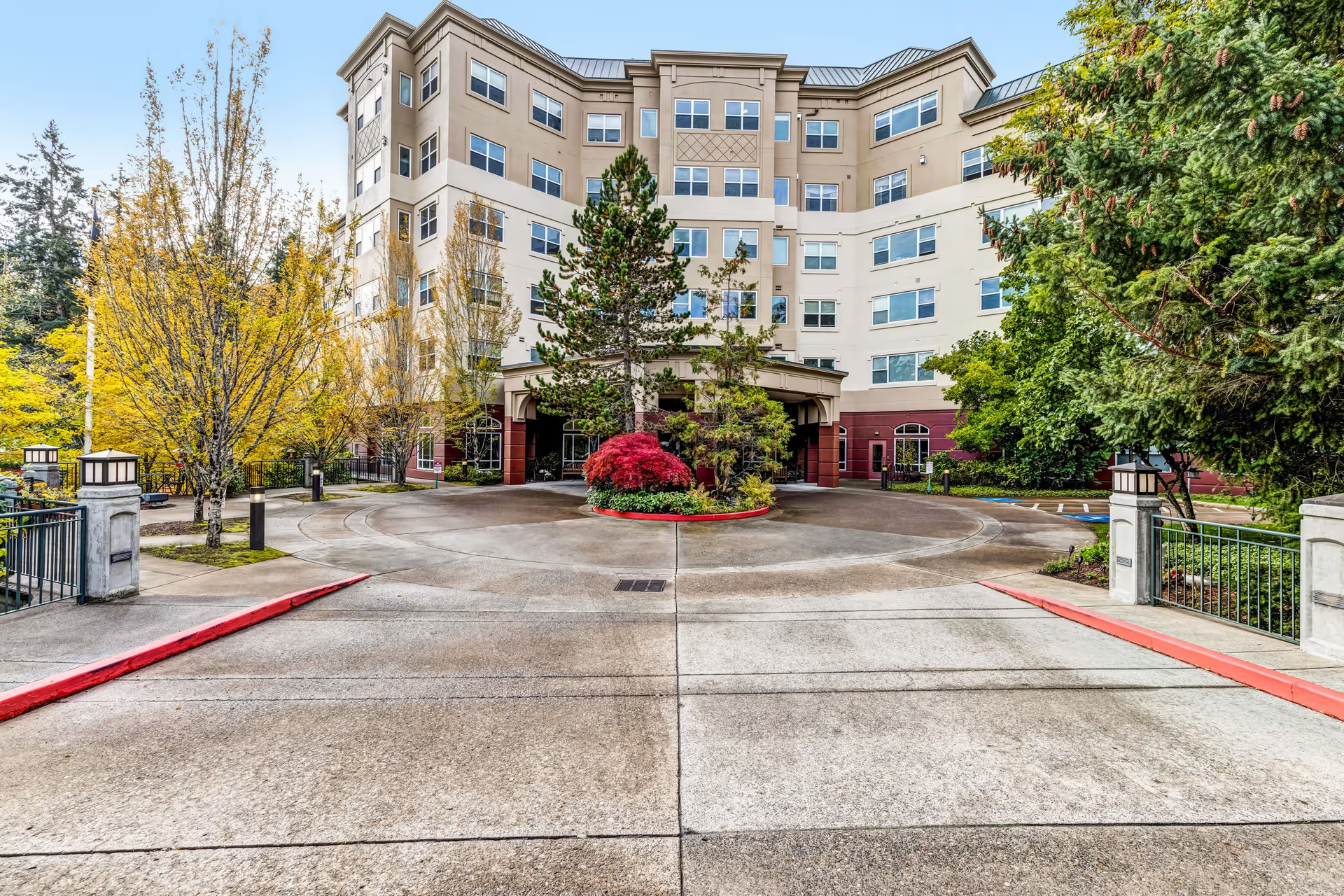
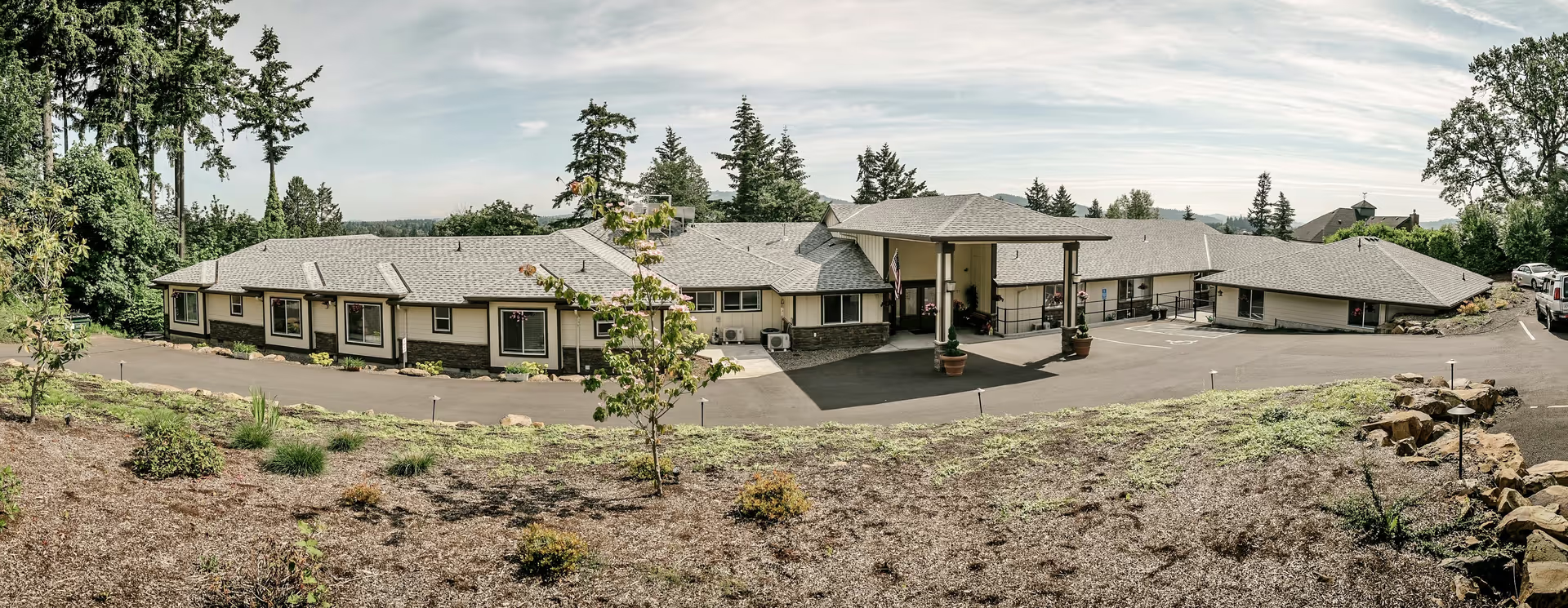
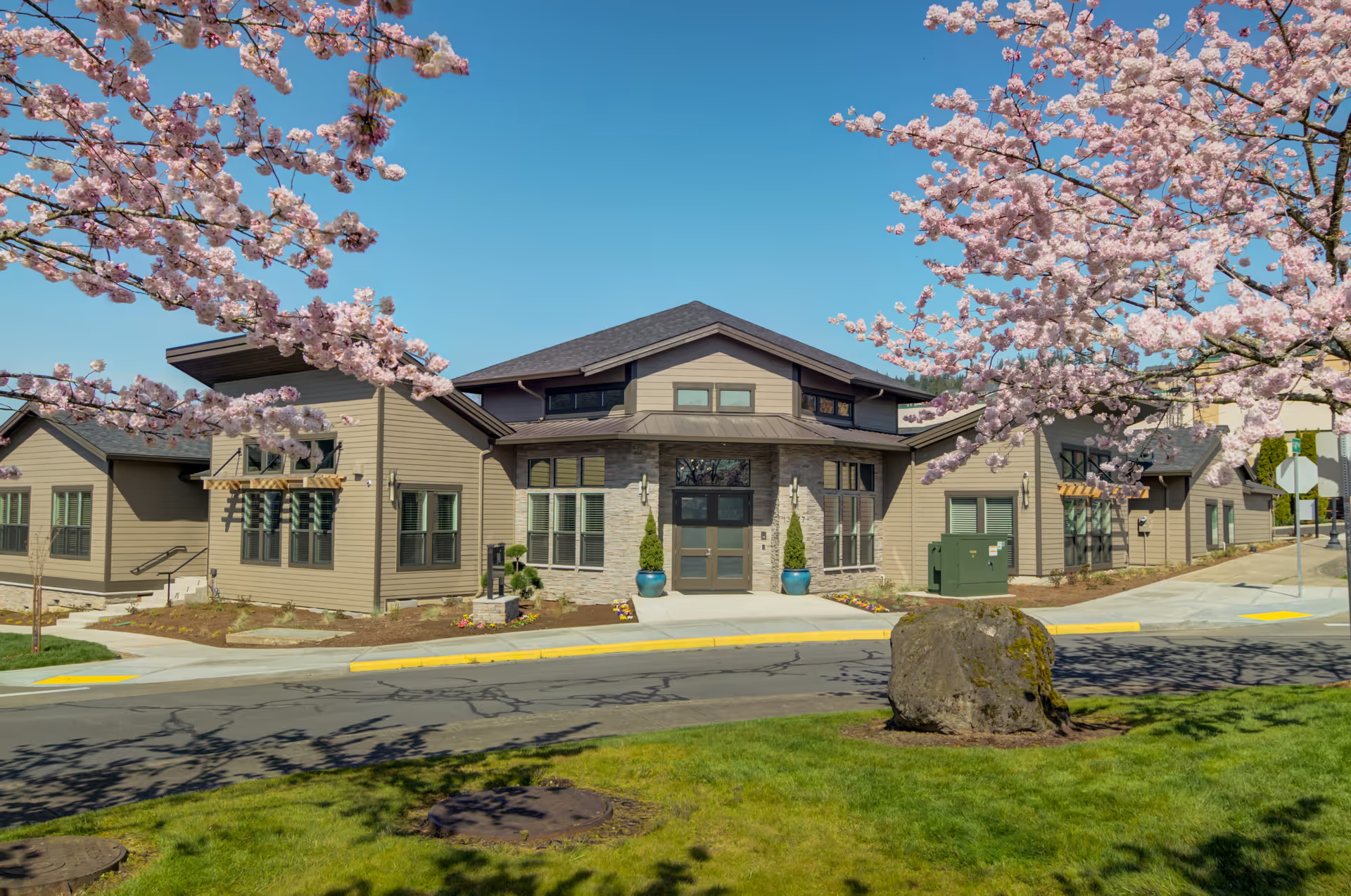
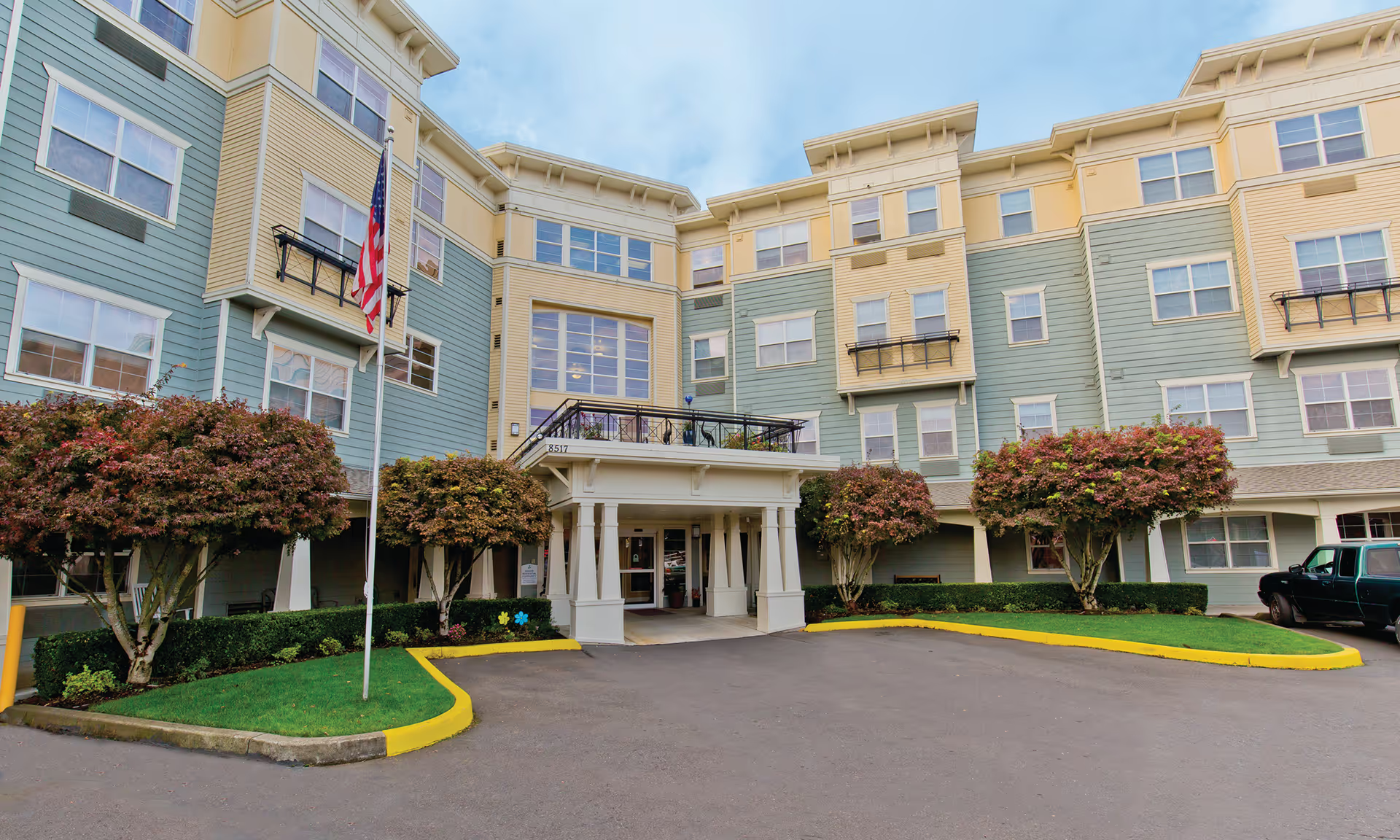
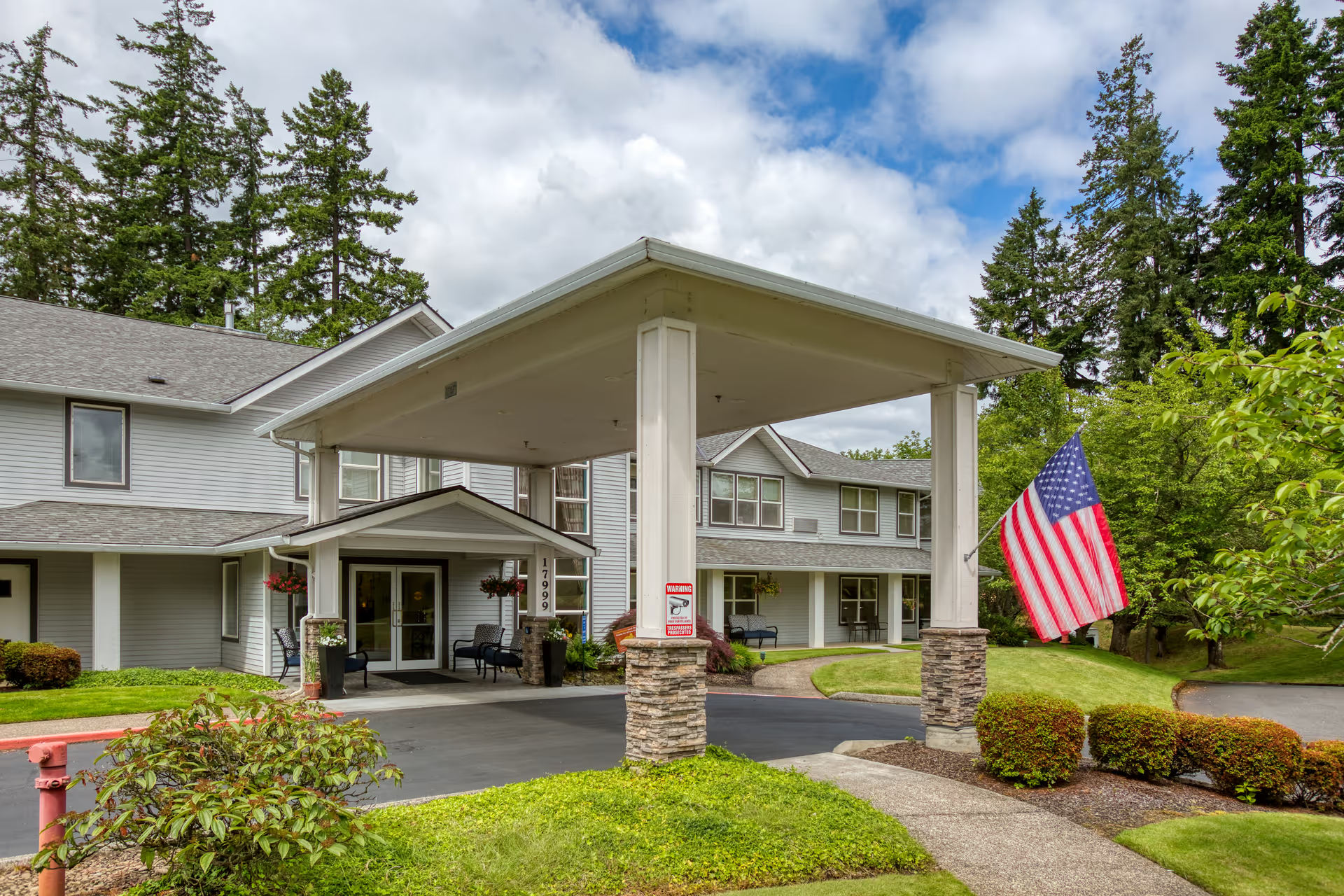
Overall impression: The Forum at Town Center presents as a large, amenity-rich senior community that many residents and families find welcoming. Strengths repeatedly identified include a friendly, compassionate staff culture, a broad activity calendar, an indoor heated pool and fitness center, and on-site therapy and rehabilitation services. Apartments are frequently described as spacious and well-equipped (full kitchens, in-unit laundry on many units), there is a pet-friendly policy, and the campus is noted for pleasant grounds and a convenient location near shopping and medical services. Many reviewers praised transportation services, covered parking, and the social atmosphere supported by an active resident council.
Care and staff: Staff interactions are a clear asset in numerous accounts; reviewers commonly describe staff as kind, helpful, and supportive, and cite positive experiences with rehabilitation and therapy. At the same time, there is a pattern of operational strain: chronic understaffing is described as affecting dining, maintenance, and in-apartment follow-up. This creates variability in responsiveness—some families experienced highly responsive, flexible staff, while others reported slow follow-up, check-in lapses during move-in, and boundary/privacy management concerns (for example, staff sharing personal contact details or managing resident-family communication inconsistently). There are also recurring statements indicating variable clinical oversight, including concerns about medication-management timeliness and care-plan follow-through.
Dining: Dining is a mixed area. Several accounts praise the food as very good to excellent and appreciate flexible meal plans, while other accounts describe inconsistent quality, limited dinner options, and long wait times. Lunch is frequently described as the larger or preferred meal, with perceptions of a lighter dinner menu and fewer red-meat options. Staffing shortages in the dining department have led to intermittent dining-hall closures, meal delivery to rooms, and longer service times. Overall, meal-service continuity and menu variety appear to be uneven.
Activities and social life: Activity offerings are a prominent positive—residents frequently report a large variety of mental, physical, and spiritual programs, regular outings, and opportunities for engagement that ease transitions. Exercise instructors and organized games are commonly praised. A few reviewers described reduced programming during public-health events or variable engagement for residents who are less inclined to participate, indicating that activity uptake can vary across the population.
Facilities and maintenance: The campus offers many desirable amenities (pool, gym, activity center, gardens), and some units have been updated. However, the property is described as an older facility in need of cosmetic and infrastructure updates in places—worn carpets, dated paint, and occasional odor concerns in hallways or common areas were mentioned. Maintenance response times are frequently characterized as slow, although new management efforts to address repairs were also reported. The campus layout is large and somewhat complex; several accounts note confusing hallways, sky bridges, and entrance points that can challenge residents using walkers or with limited mobility.
Management and costs: Management impressions are mixed. Positive comments highlight responsive, flexible staff who work to resolve move-in challenges and support family needs. Conversely, other accounts cite inconsistent leadership practices, poor check-in procedures during transitions, and variable responsiveness to resident or family complaints. Privacy and boundary management is an operational weakness noted in multiple accounts. Financially, the community is described as expensive by some families, with periodic rent increases and additional fees (move-in fees, optional appliance or unit upgrades) that contribute to higher ongoing costs.
Notable patterns and guidance for prospective families: The Forum offers strong social programming, good rehabilitation services, and a welcoming community atmosphere for many residents — attributes that are especially attractive for active independent-living seniors. Prospective residents and families should weigh those strengths against documented operational weaknesses: expect variability in dining experience, occasional housekeeping and sanitation concerns in common areas, slower maintenance response times, and staffing-related service gaps. The campus layout and some entrance points can present accessibility challenges for residents using walkers. Finally, review financial terms closely for recurring rent increases and extra fees. A recommended approach is an in-person visit focusing on a meal service, a unit walkthrough, confirmation of staffing and clinical oversight for individual care needs, and clear documentation of all fees and move-in procedures before committing.