Reviews of Independence Health and Rehabilitation Center present a mixed picture with clear strengths alongside recurring operational concerns. Many families and patients praised the clinical rehabilitation work — physical therapy is frequently cited as producing measurable improvement in mobility and cognition. There are multiple mentions of therapists and certain nursing staff who are compassionate, effective, and focused on advocacy; these caregivers are credited with supporting recovery and maintaining residents’ dignity. The facility also receives positive comments for organized activities and holiday events that promote social engagement, and some reviewers describe the dining experience as nutritious and well-prepared.
At the same time, a number of recurring deficiencies emerge that prospective residents and families should evaluate. Staffing consistency and conduct are uneven: reviewers describe both dedicated, well-trained caregivers and instances of unorganized or discourteous staff and administration. Response times to call buttons and requests for assistance are commonly noted as slow, and several accounts indicate delays in medication administration and broader medication-management gaps. Communication and coordination with families — especially during admissions and scheduling — are another frequent area of concern, including missed callbacks and difficulty initiating care plans.
Dining and therapy services also show variability. While some residents report satisfying meals, others describe limited menu choices and nutrition concerns; menu offerings and meal variety appear inconsistent. Physical therapy is a clear strength when present, but some reviewers describe little to no therapy or an experience that did not align with the facility’s rehabilitation representation, suggesting variability in program delivery or access.
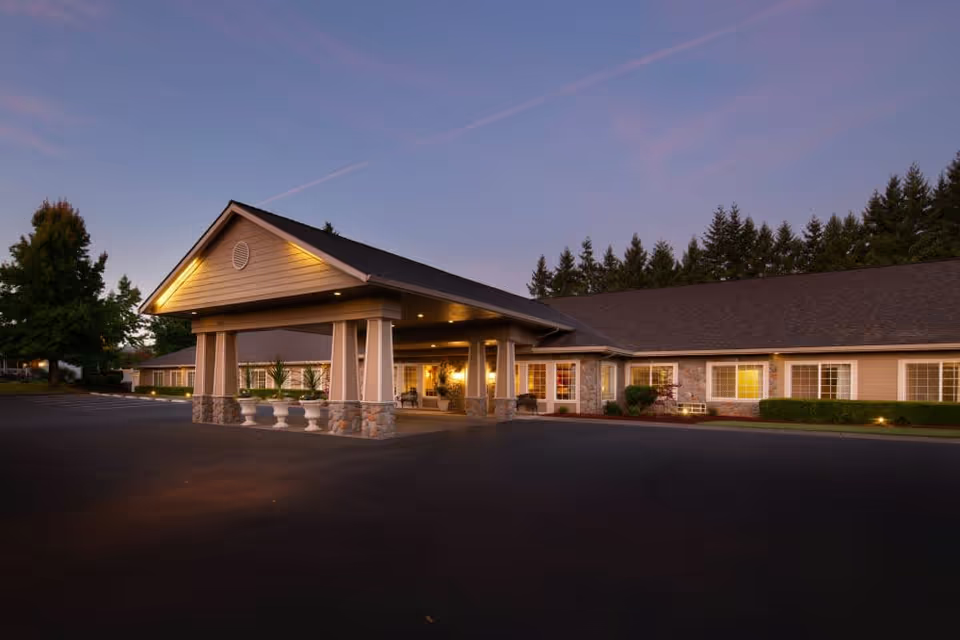
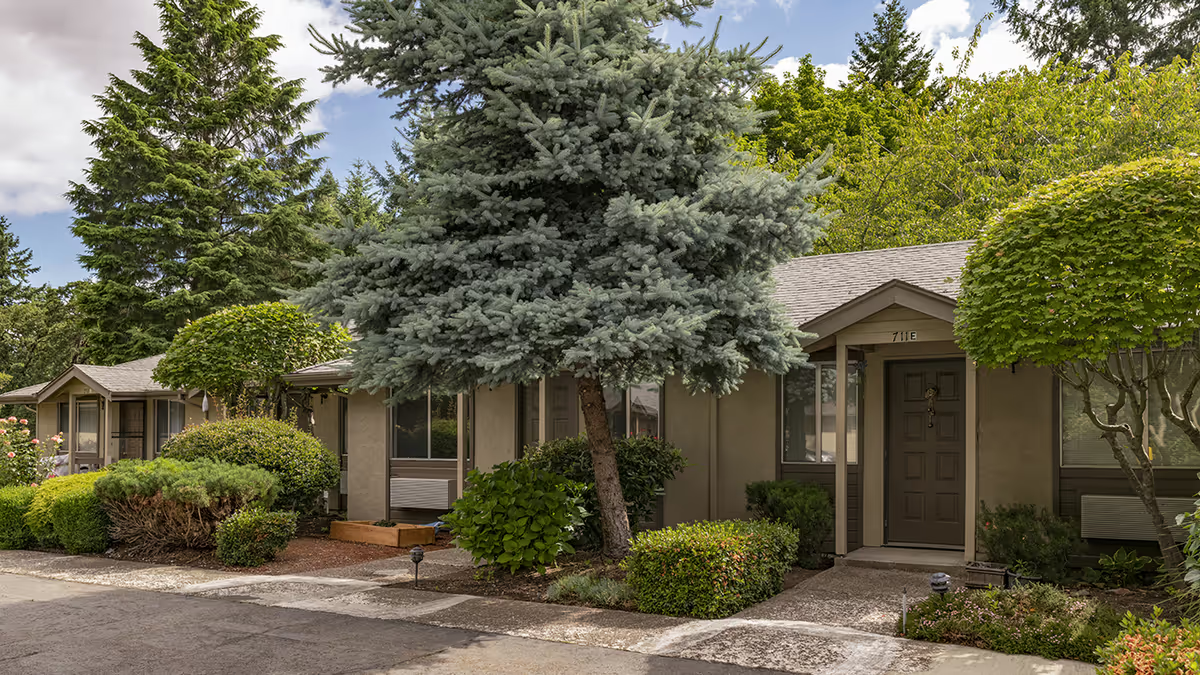
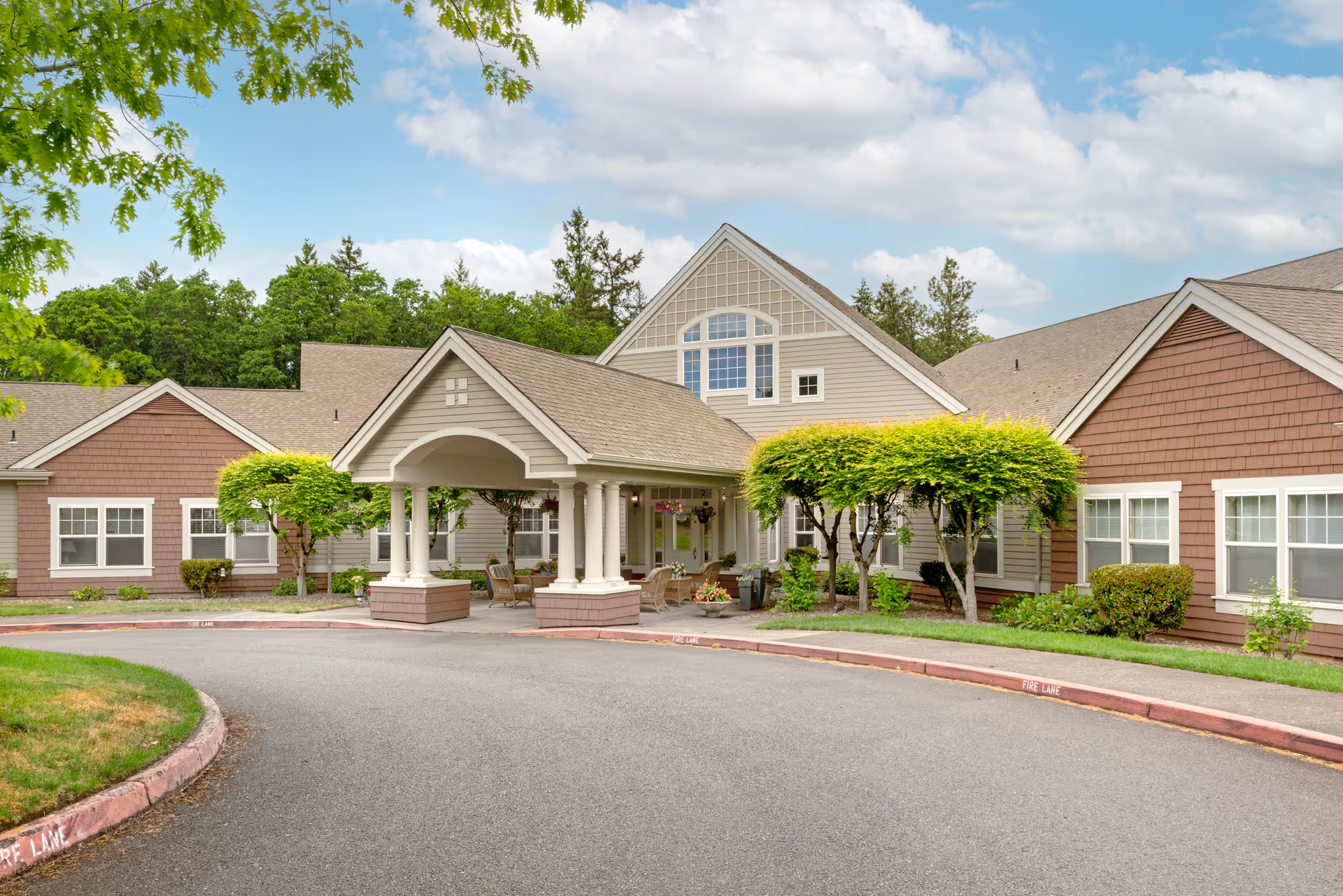
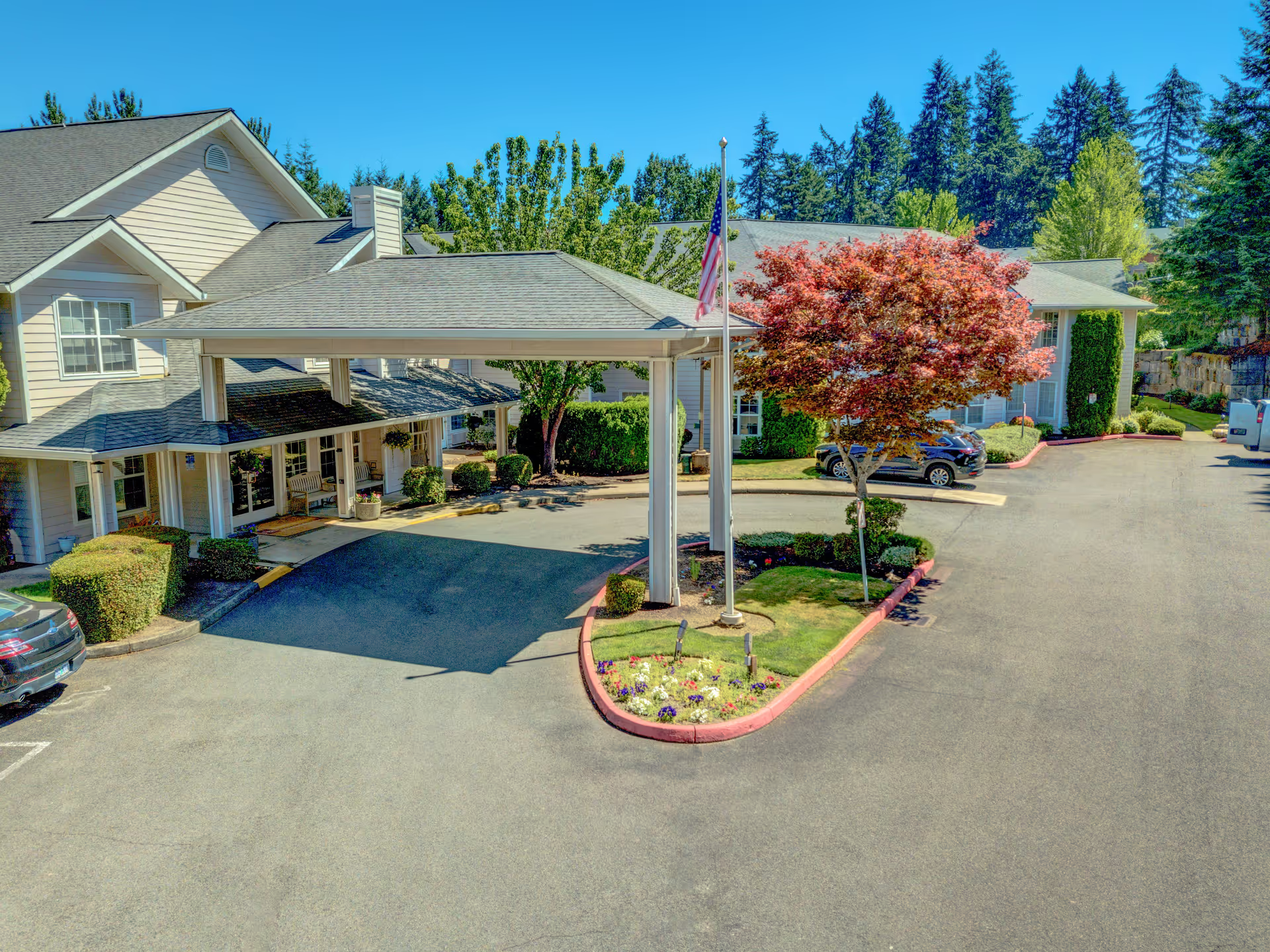
The physical environment receives mixed evaluations. Several reviewers find the facility clean and well-kept, yet others note aging infrastructure, poor in-room lighting, temperature control issues, inexpensive furnishings, and limited seating for visitors. Security and personal-property controls are an operational weakness in several accounts: concerns include lack of on-site security presence and instances suggesting inadequate safeguards for residents’ belongings.
Management and operational priorities are also a theme. Some families commend staff who go above and beyond and describe thorough training; others describe poor customer service, administrative disorganization, and a perception that financial considerations are emphasized over transparent service explanations. The aggregate pattern is polarized experiences: positive clinical relationships and good rehabilitation outcomes coexist with notable gaps in responsiveness, communication, and facility upkeep.
For prospective residents and families considering this facility, recommended points to clarify during a visit include current medication-administration protocols and monitoring, typical call-button response times and staffing ratios, the scheduled frequency and oversight of rehabilitation services, menu variety and dietary accommodations, and security procedures for personal belongings. An in-person assessment of room lighting, temperature control, and visitor seating should also be part of the decision process to confirm whether the environment meets individual needs.