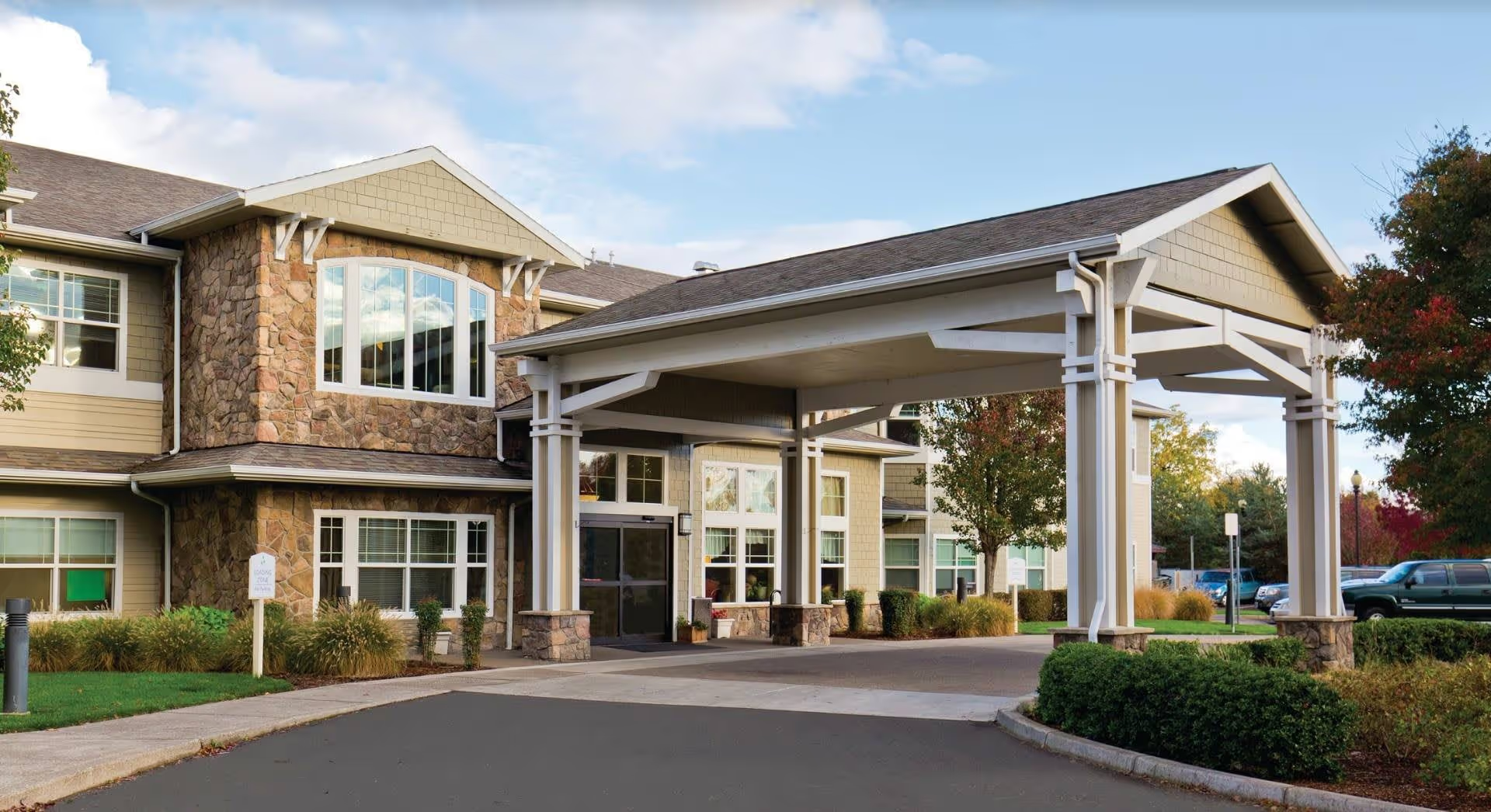
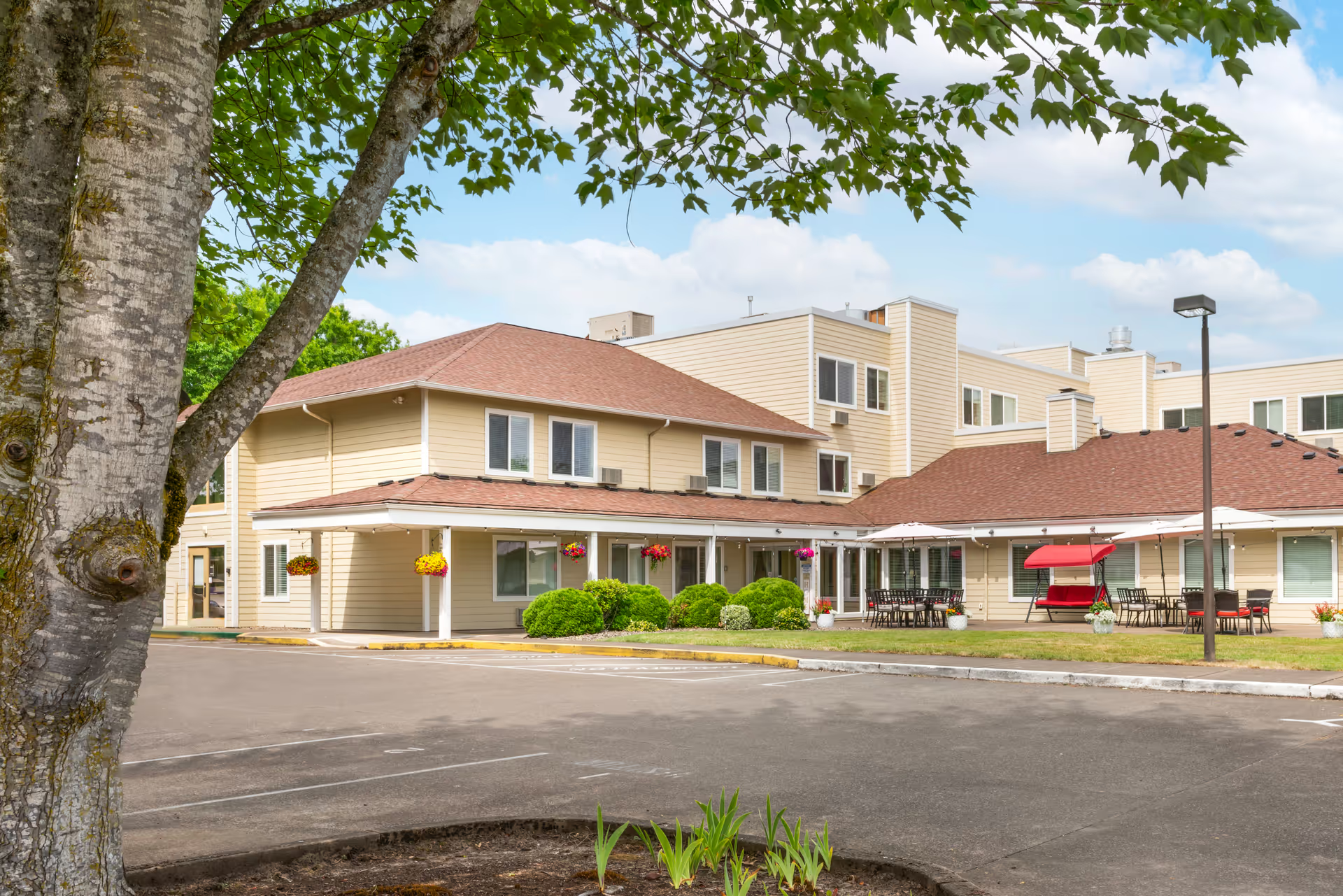
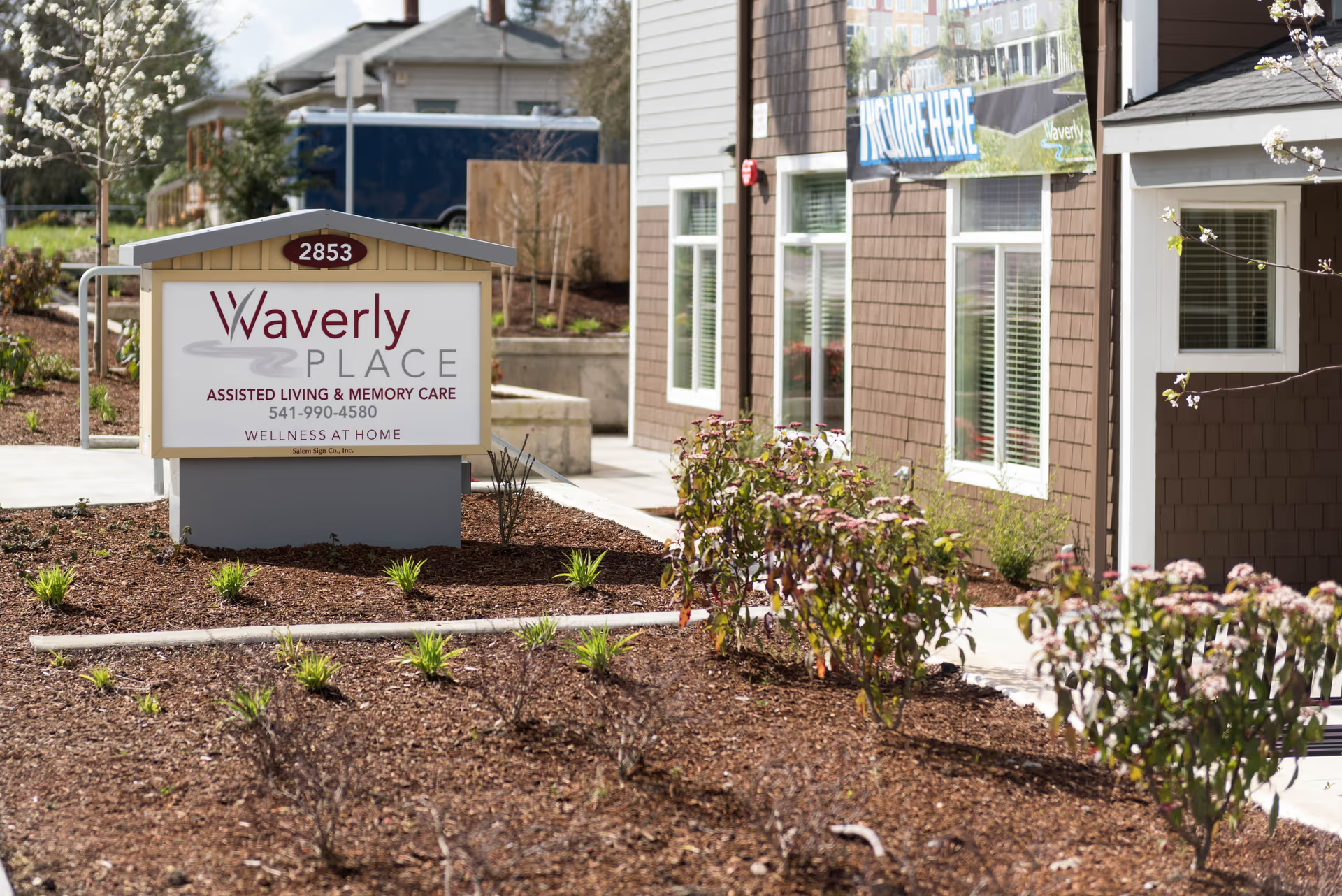
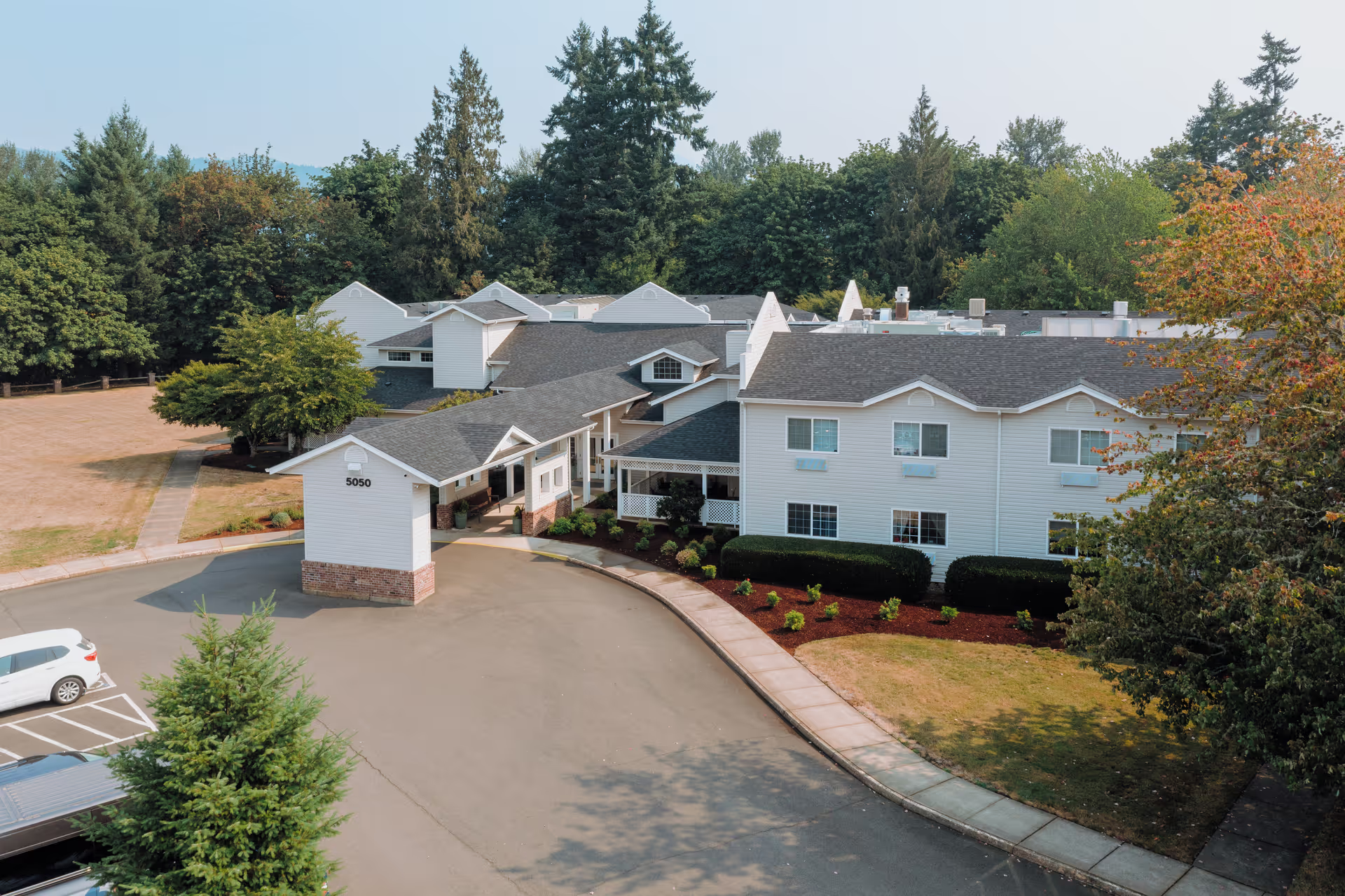
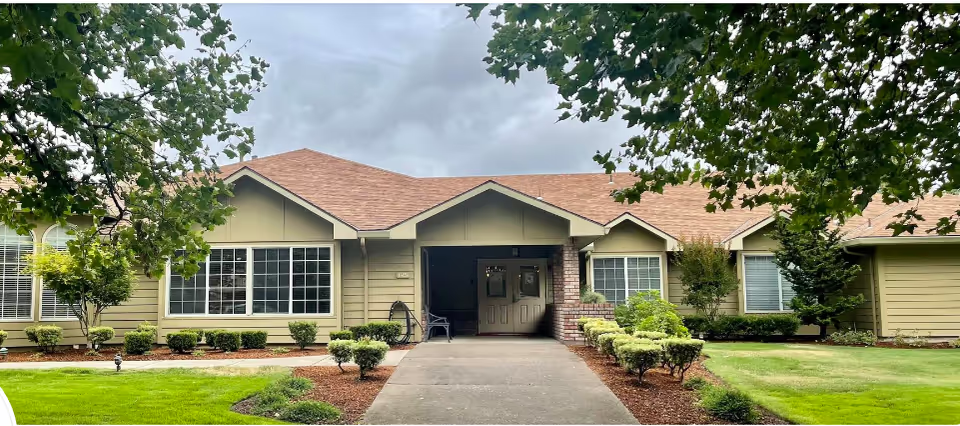
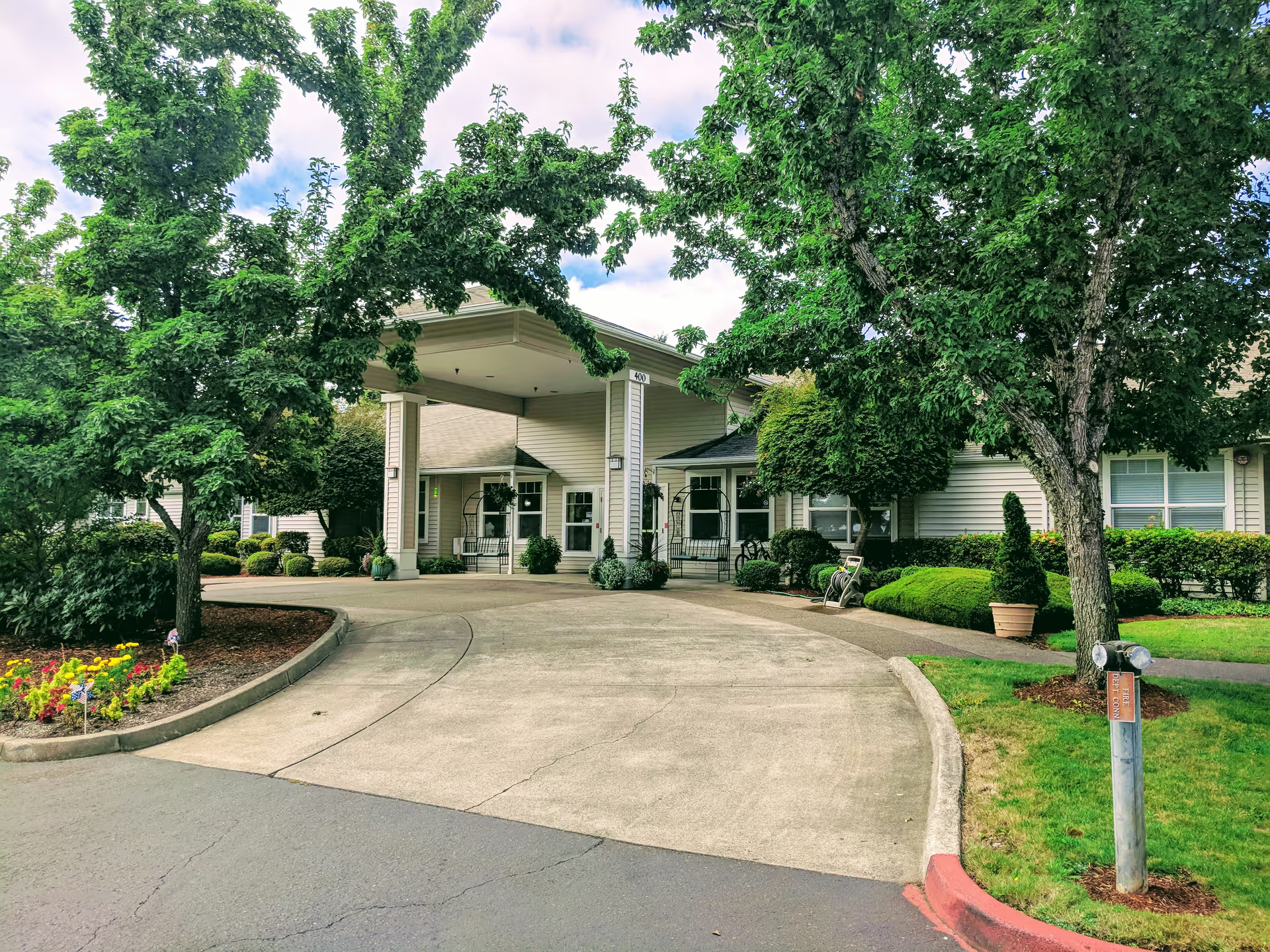
The Oaks at Lebanon projects a strong community-oriented identity with frequent outreach, fundraising, and public events that engage both residents and the broader Lebanon area. Leadership and marketing presence are highly visible and contribute to a positive, well-recognized local reputation; the community has received awards and is repeatedly described as open and inviting. Physical spaces and common areas are consistently praised as clean, attractive, and home-like, with cozy seating, festive decor, and amenities that support family visits and social interaction.
Care and staffing attract the most consistent positive commentary: many families describe caregivers as compassionate, attentive, and familiar with residents by name. Reviewers emphasize long-tenured staff, a family-like atmosphere, and staff willingness to go beyond basic duties. At the same time, a pattern of operational concerns emerges around responsiveness and follow-through. Several families described delays answering calls, inconsistent timeliness for personal assistance (including incontinence-care needs), and episodic communication lapses with families and clinicians. A small subset raised allegations of inappropriate staff conduct or safety concerns; while these appear isolated in the overall volume of feedback, they point to the need for stronger oversight and clearer conduct protocols.
Dining and activities are clear strengths of the community: many residents and families praise the menu variety, nutrition focus, fine-dining options, and social dining environment. Activity programming is robust and varied (shopping trips, music, pamper days, hair styling, and memory-care initiatives), contributing to high levels of resident engagement. However, reviewers also note inconsistent food quality at times and occasional concerns about kitchen service or staff demeanor in food service, indicating variability in day-to-day meal experience.
Operationally, reviewers identified recurring administrative and logistical issues that prospective families should consider. Move-in coordination and room assignment have been uneven in some cases, resulting in placement that is less convenient for mobility-limited residents. Several comments point to perceived mismatch between cost and value: the community is described as relatively expensive, and some families question whether service consistency matches price. Overall, The Oaks demonstrates many elements of a high-performing assisted living community — strong community engagement, attentive and long-standing caregiving staff, and an active programming slate — while also showing opportunities for improvement in staff oversight, responsiveness, kitchen consistency, and certain administrative processes. Prospective residents and families would benefit from targeted questions during tours about response times, staff screening and training practices, meal-service consistency, and room-placement procedures.