Life Care Center of McMinnville elicits a broadly mixed picture across reviewers: many families and residents praise individual caregivers and the rehabilitation team, while others describe operational and safety shortcomings that would merit careful inquiry before placement. The facility's strengths center on rehabilitation services and many specific staff members who are described as compassionate, skilled, and persistent in supporting recovery. Physical and occupational therapy receive consistently positive remarks for restoring mobility and function, and several nursing and CNA staff are identified as attentive and helpful during short stays or active rehab programs.
Care quality is variable. Positive accounts highlight attentive bedside care, effective therapy regimens, and strong outcomes after strokes or other acute events. Conversely, there are recurring operational concerns: delays in responding to call bells, missed or late medications (including timing issues around dialysis), and lapses in routine personal-care tasks such as timely assistance with toileting and bathing. Reviewers express particular apprehension about care for residents who are non-verbal or medically complex; families should verify protocols for medication administration, monitoring, and escalation for higher-acuity residents.
Dining and activities present a mixed impression. The activity program and its leadership are praised for engaging residents and offering meaningful opportunities; therapy-driven progress is frequently noted. Food quality and dining service elicit divergent comments — some describe well-prepared, varied meals, while others cite inconsistent service and unprofessional dining-staff behavior. Prospective families may want to sample meals and ask about meal-service practices and staffing during typical dining periods.
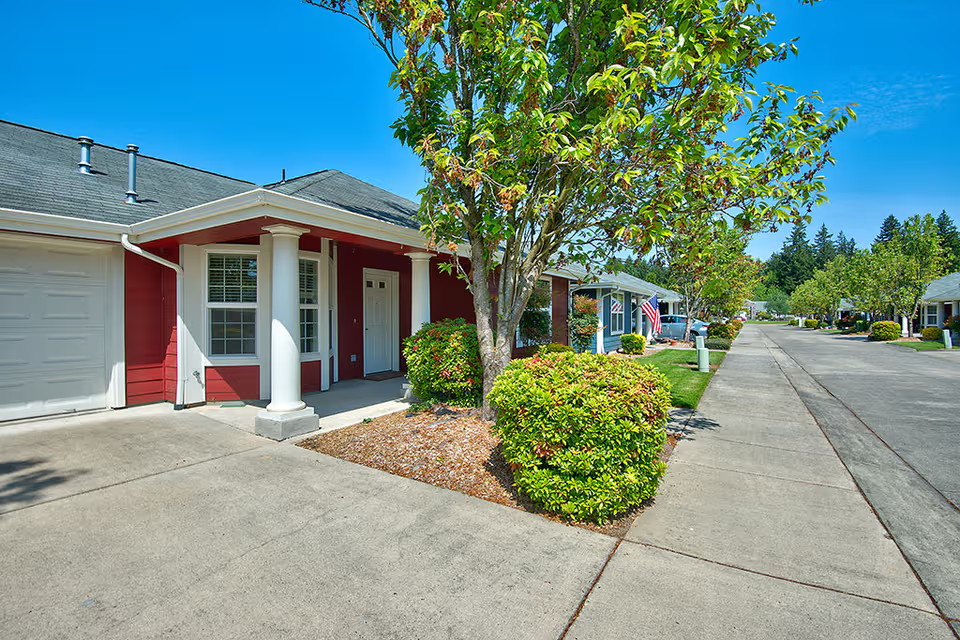
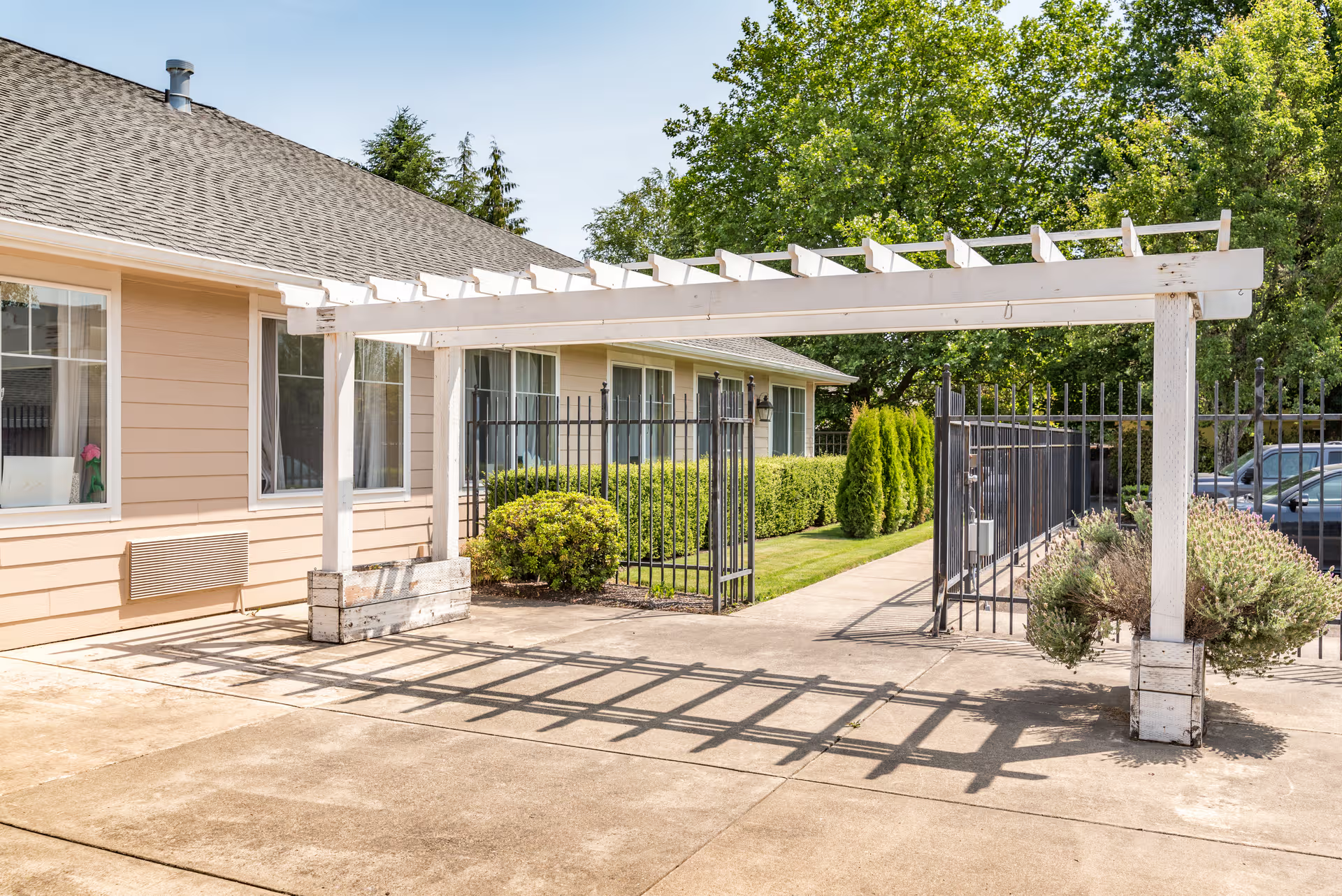
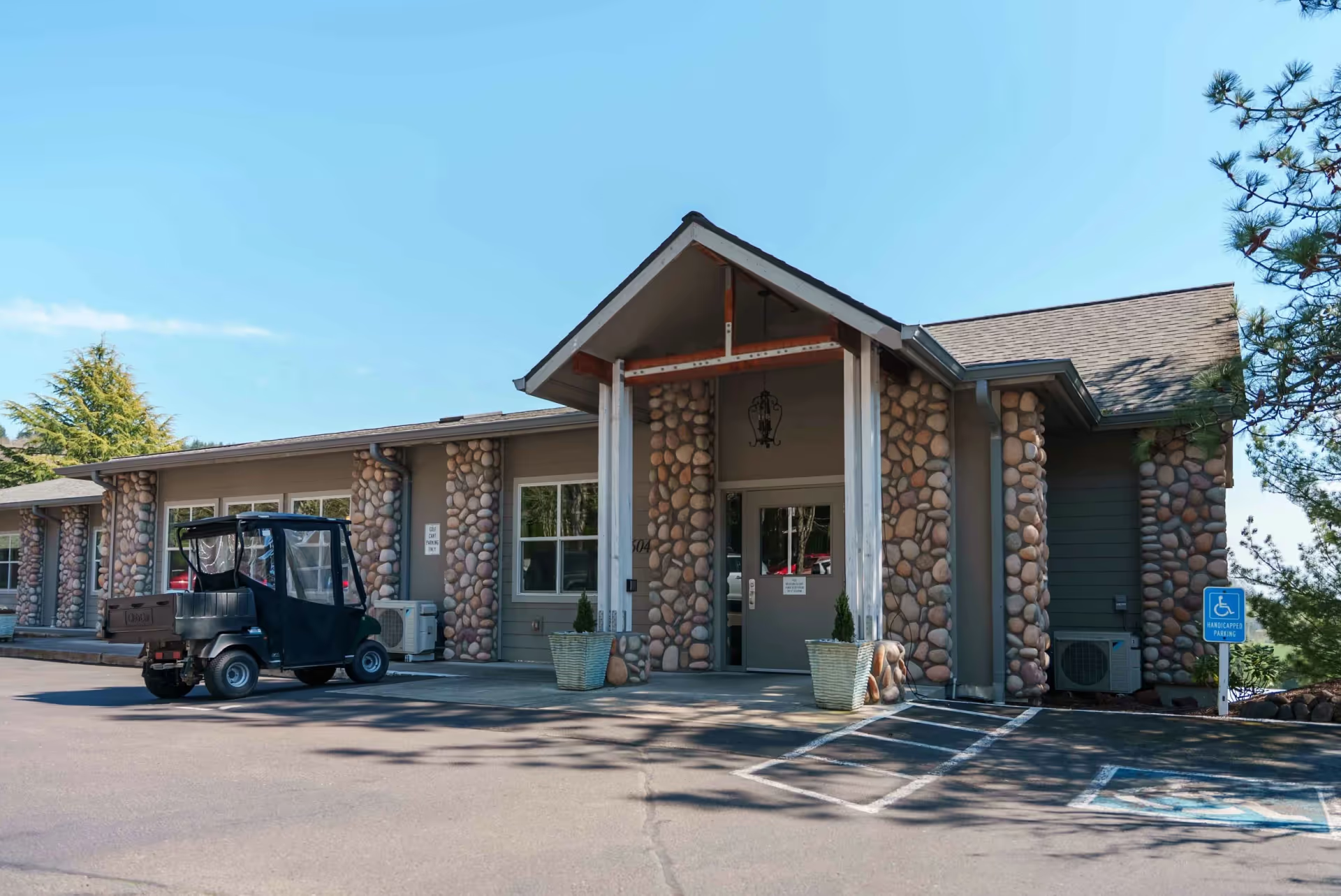
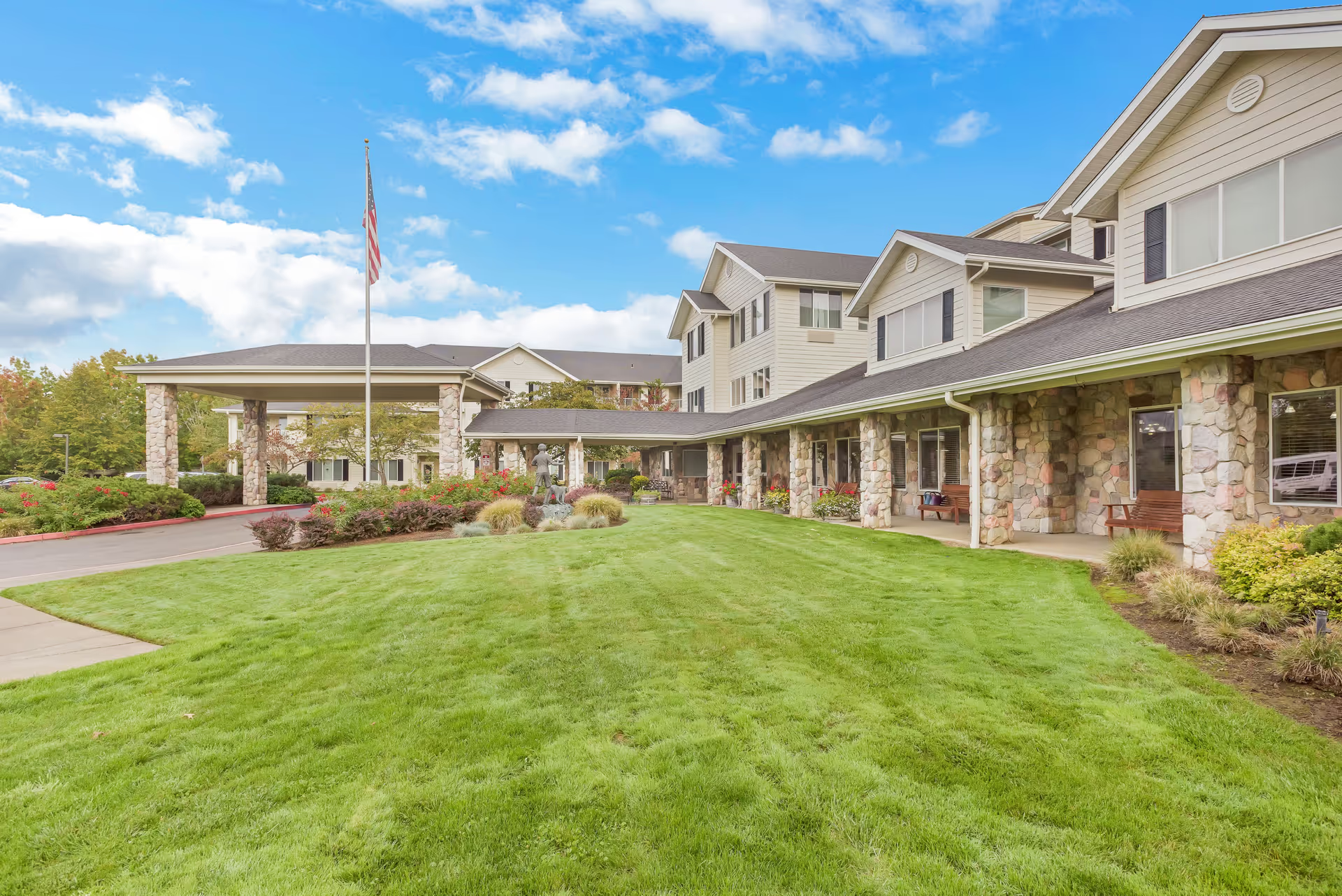
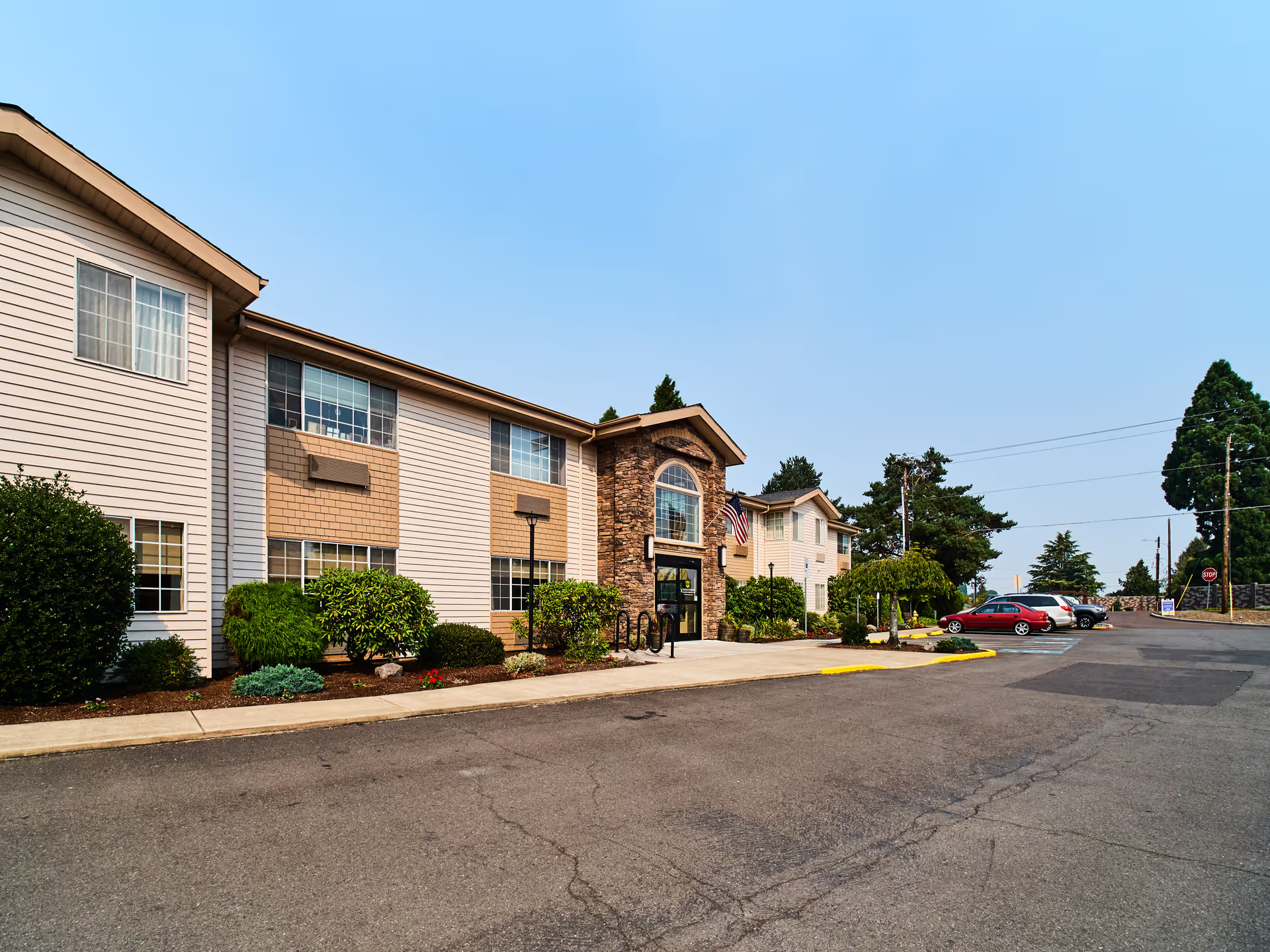
The physical plant is generally described as clean, bright, and well maintained, with comfortable rooms, seating areas, and outdoor views. However, sanitation and infection-control practices are an area of concern for some reviewers, including instances where supplies or appropriate cleanup response were perceived as lacking. Privacy and space for family visits are limited in certain units, and the community can feel crowded at times. Nighttime noise and frequent alarms were also reported to disrupt resident rest, suggesting that alarm management and nighttime staffing patterns merit review.
Management and communication show variability. Positive notes include organized admissions, availability of equipment, and staff who facilitate family involvement. Negative patterns include inconsistent follow-up after incidents, insufficient communication with designated decision-makers, and reported delays or friction in addressing complaints; there are also mentions of billing and insurance handling problems. Safety practices such as fall-prevention, bed-exit monitoring, and staffing levels during off hours were identified as operational weaknesses that families should probe.
Summary guidance: this facility demonstrates clear strengths in rehabilitation and in the commitment of specific staff members, and the environment is often described as clean and welcoming. At the same time, recurring themes — inconsistent staffing, responsiveness delays, medication- and hygiene-related process gaps, sanitation response inconsistencies, and communication shortfalls — suggest that prospective residents and families should ask targeted questions about staffing ratios, medication administration protocols (including pre-dialysis timing), incontinence and bathing schedules, fall-prevention measures, alarm-management policies, sanitation/biohazard procedures, complaint escalation pathways, and billing practices before making placement decisions.