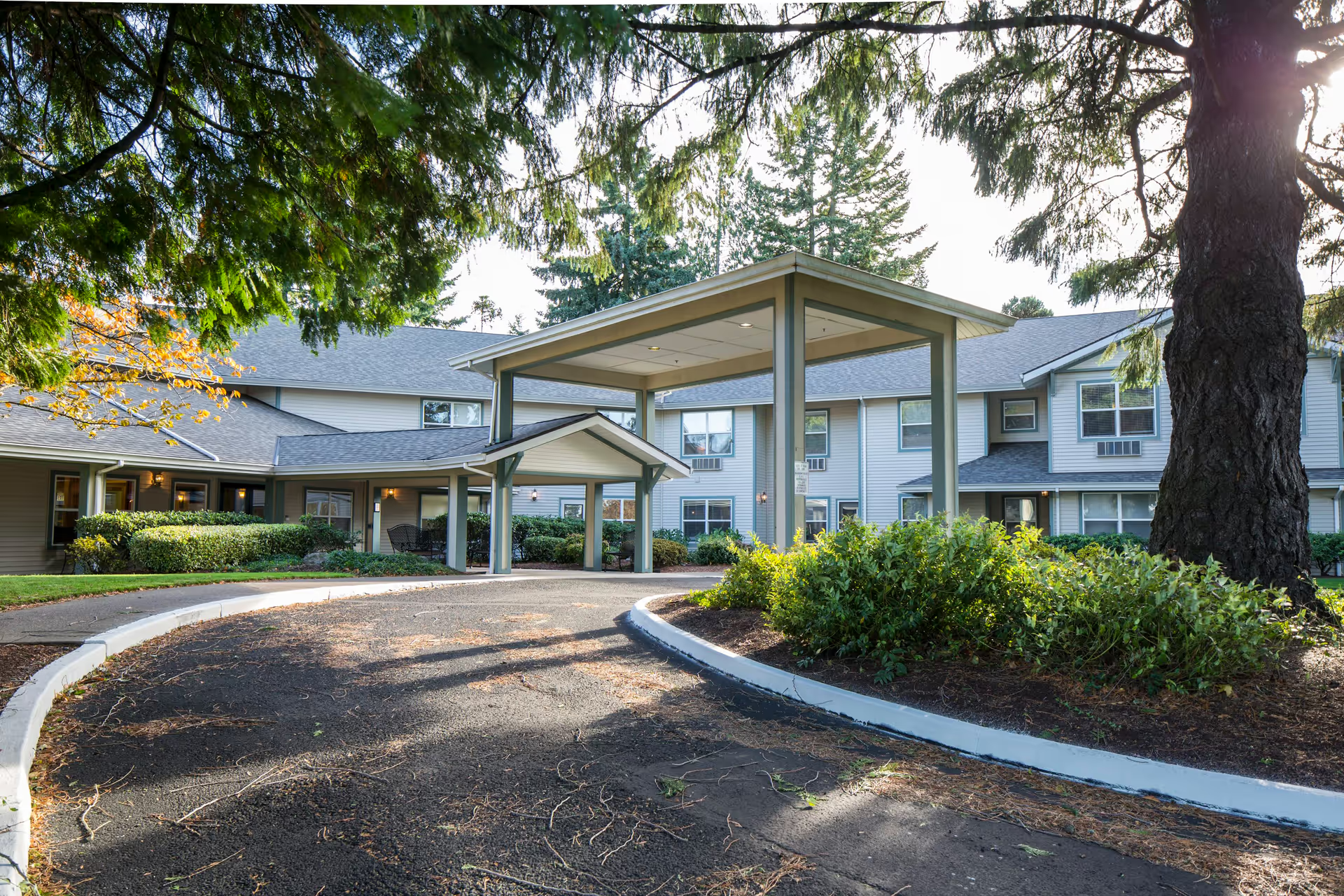
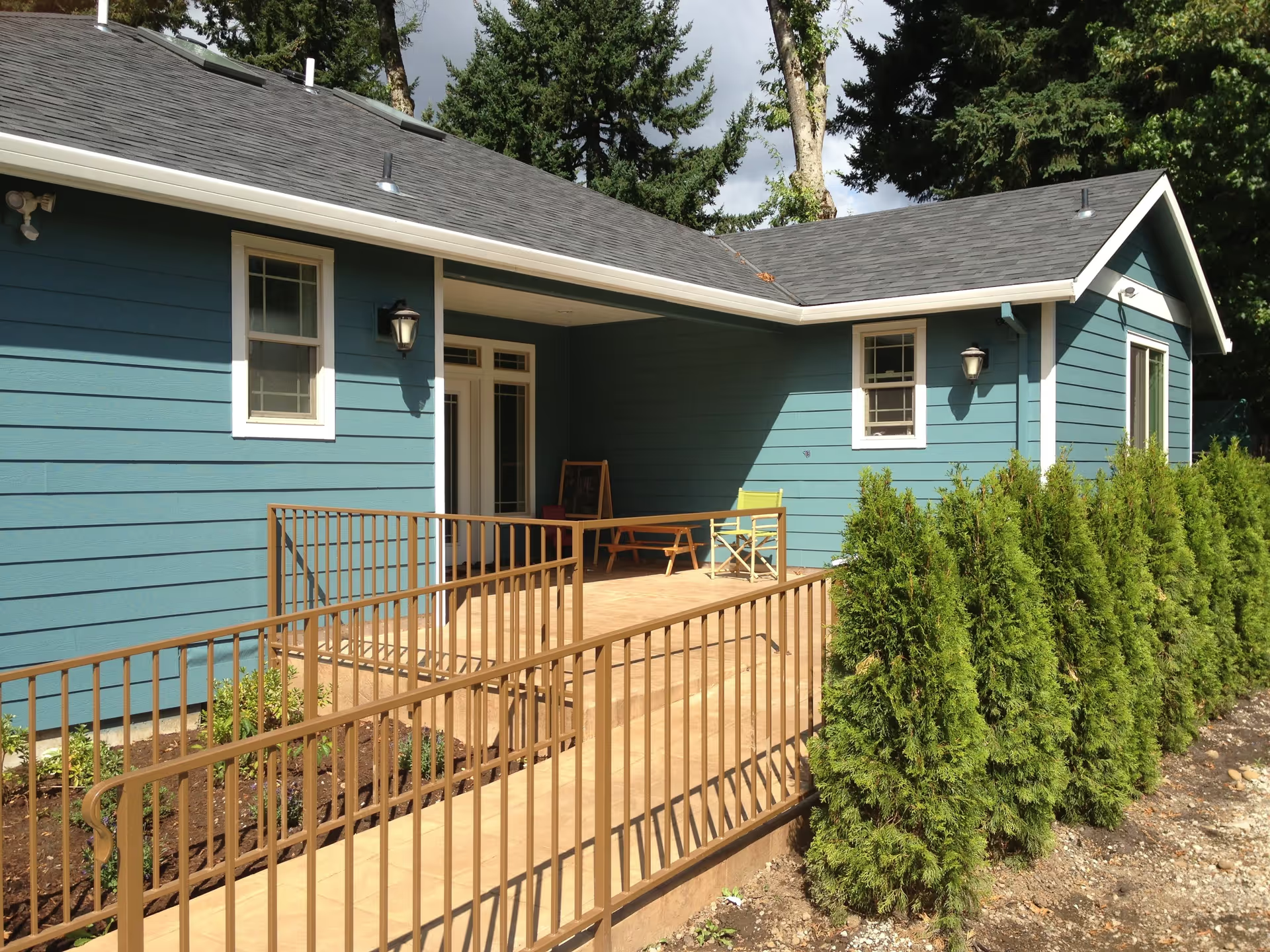
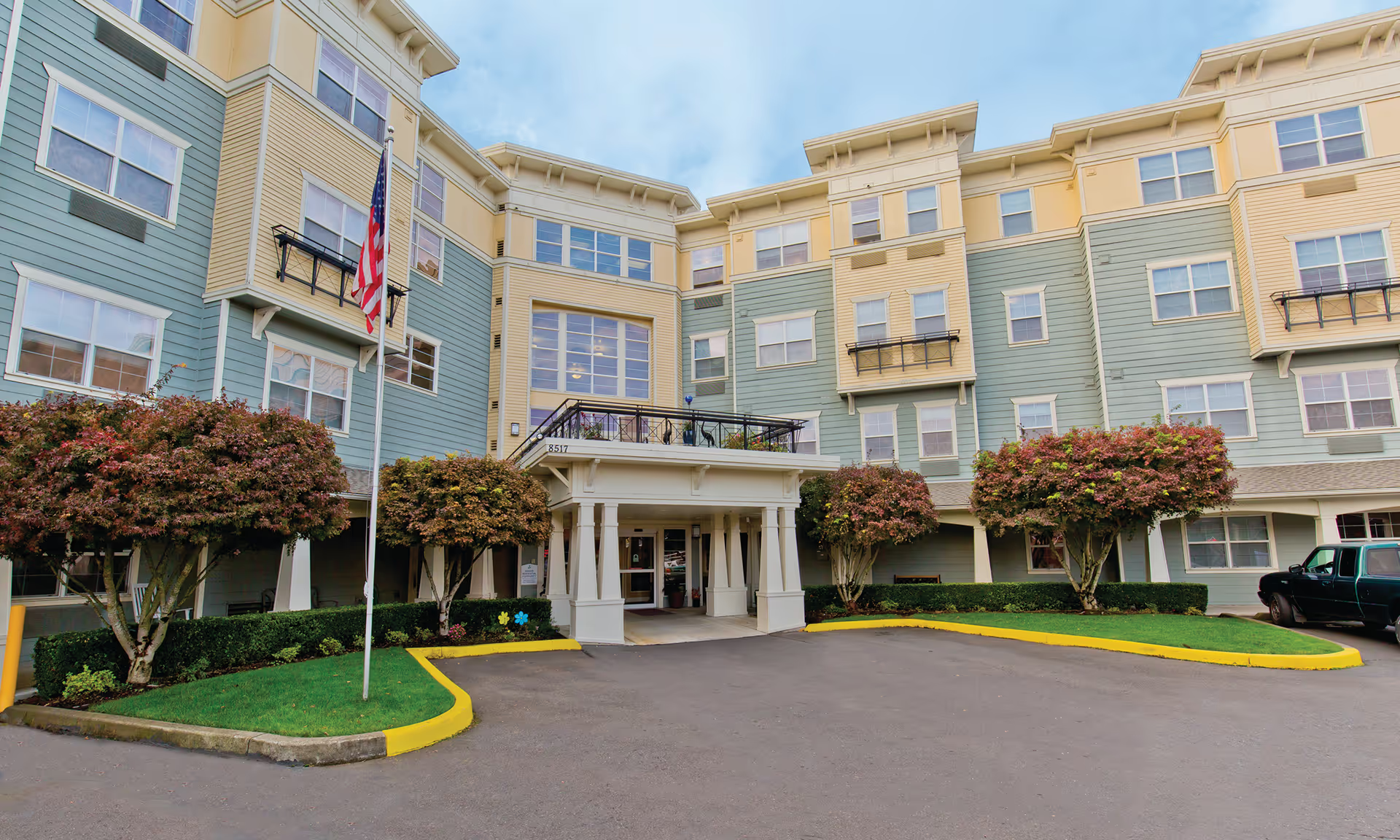
All Comfort Residential Care elicits strongly polarized impressions. Many families praise the small, cottage-style layout, private en-suite rooms, attractive wooded grounds and covered patios, and a generally clean, newer building. Those positive accounts emphasize attentive, compassionate caregivers, consistent staff assignments, coordination with hospice and visiting clinicians, night coverage that families found reliable, and the ability to personalize rooms. The dining room and home-cooked meals are frequently described favorably, and the facility offers active group programming and chaplain services that contribute to a homelike atmosphere.
At the same time, a substantial set of operational concerns appears across reviews. The most prominent issues relate to leadership consistency and staffing stability: reviewers cite high turnover, uneven supervisory practices, and management decisions that have affected the quality of care in certain cottages. Communication gaps — including language barriers between some caregivers and residents or families — and uneven staff training, particularly for clinical and dementia-related needs, have led to delays in responsiveness and inconsistent adherence to care plans. Several families described problems with medication administration and uncertainty around pain-management practices, and there are specific concerns about how clinical orders are implemented and followed up on.
Dining and activities show mixed feedback. While many residents enjoy the dining area and home-style meals, others find the food quality inconsistent and would like greater menu variety. The activities program and activities director receive praise for creativity and warmth, but staffing shortages — most notably on Sundays and Mondays — have produced gaps in scheduled programming and occasional miscommunication about events. Facility features such as private bathrooms, spacious rooms with large windows, and pleasant outdoor spaces are recurring strengths; however, thin interior walls and occasional noise transfer are noted as drawbacks.
Financial and administrative issues also recur. Multiple reviews cite high fees and billing concerns; a few raise serious questions about billing practices that warrant direct inquiry by prospective families. Clinical oversight is another operational limitation: there is no onsite physician coverage, which some families felt contributed to delays in medical decision-making or escalation. End-of-life care received both commendation and criticism—some families described staff going above and beyond during final days, while others expressed concerns about pain control and follow-up after a resident's death.
Overall, the facility appears to deliver excellent, personalized care under stable staffing and engaged leadership, but the experience can be inconsistent when management, training, or staffing stability falter. Prospective residents and families should prioritize an in-person tour, ask about current staffing ratios and turnover, clarify medication and pain-management protocols, confirm language capabilities for the resident, review activity staffing on weekends, and request clear billing and escalation policies before committing.