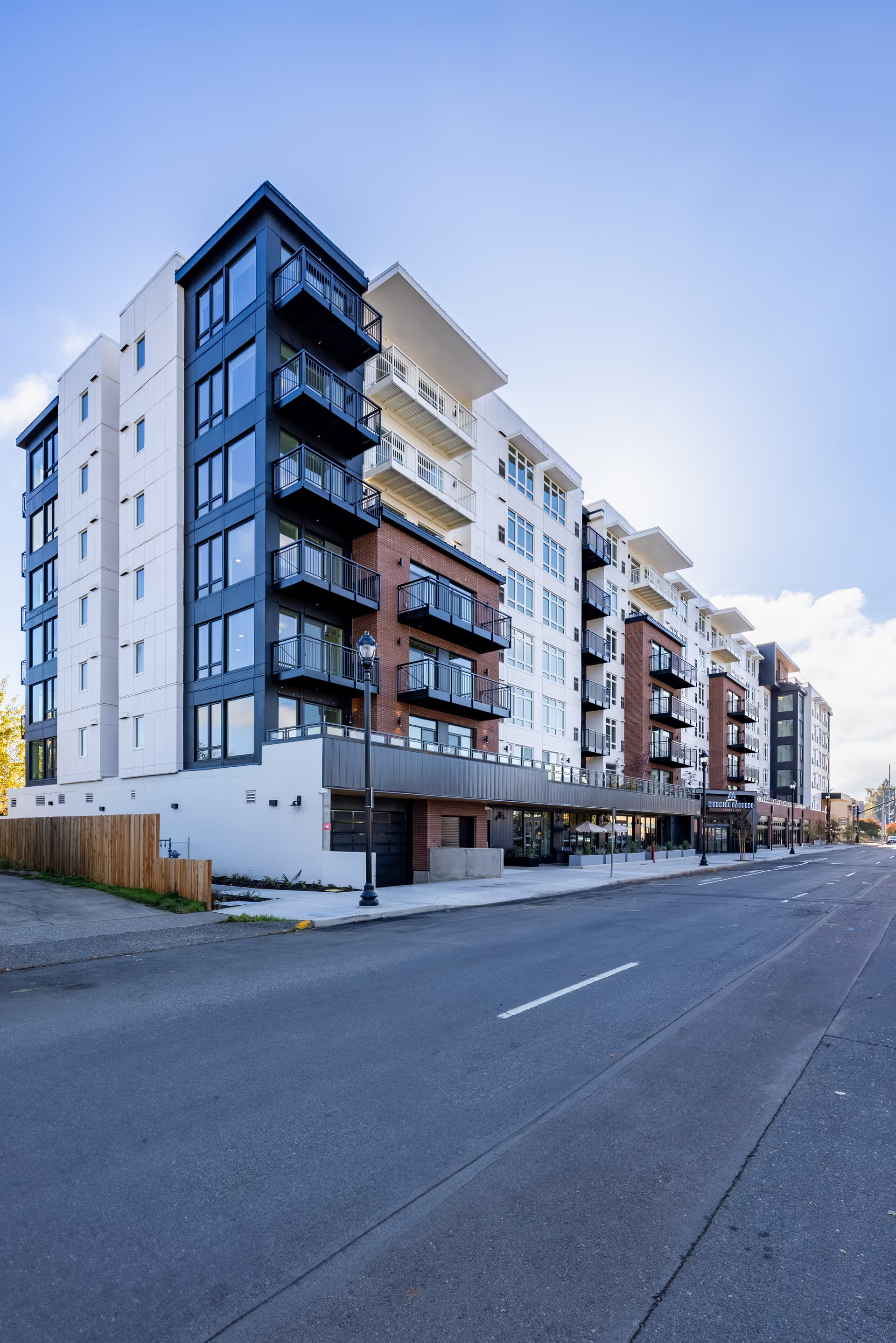
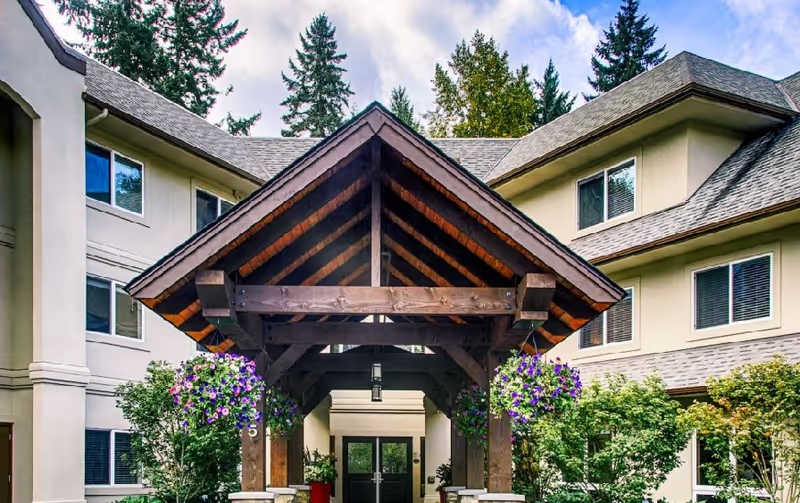
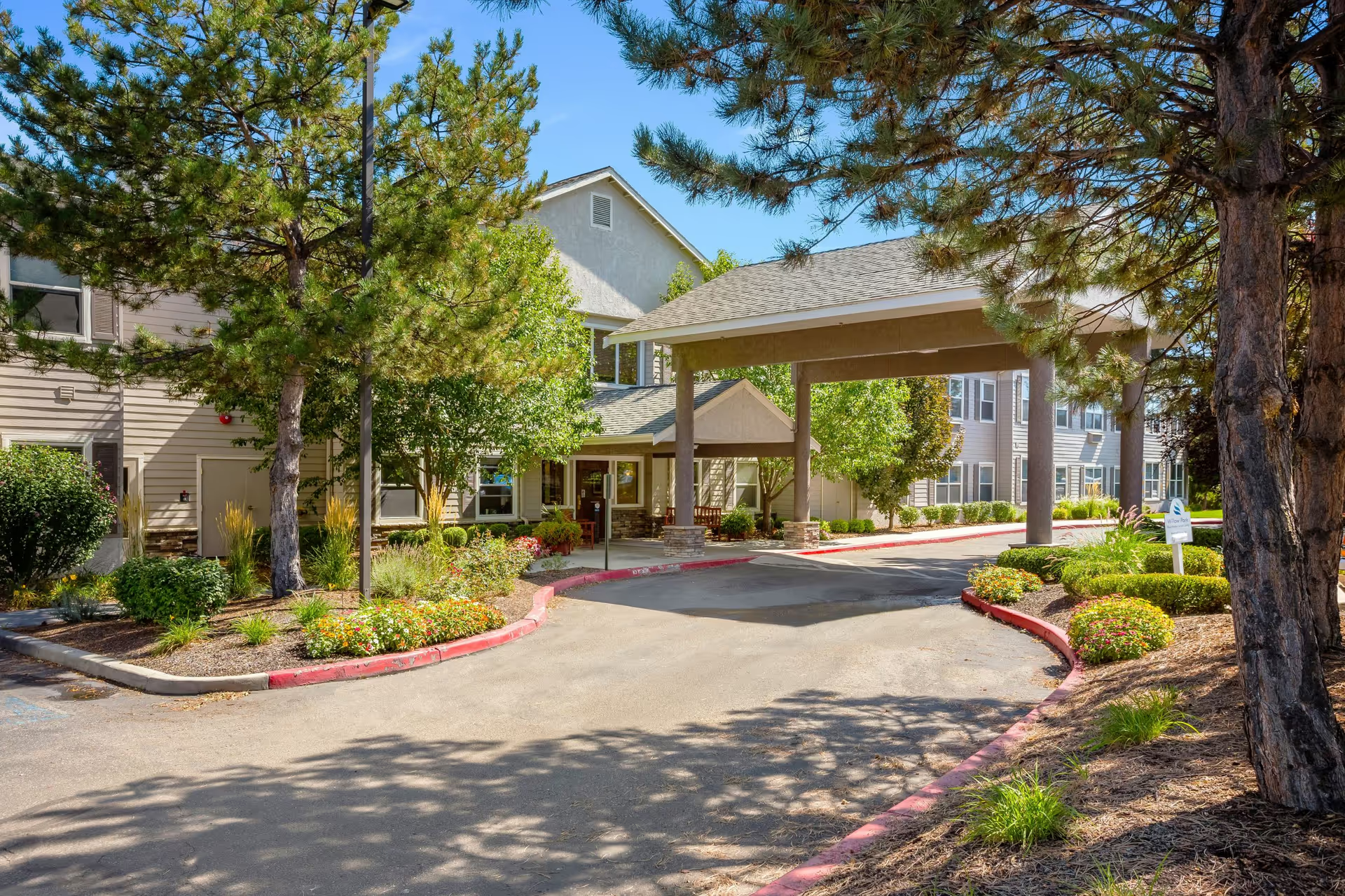
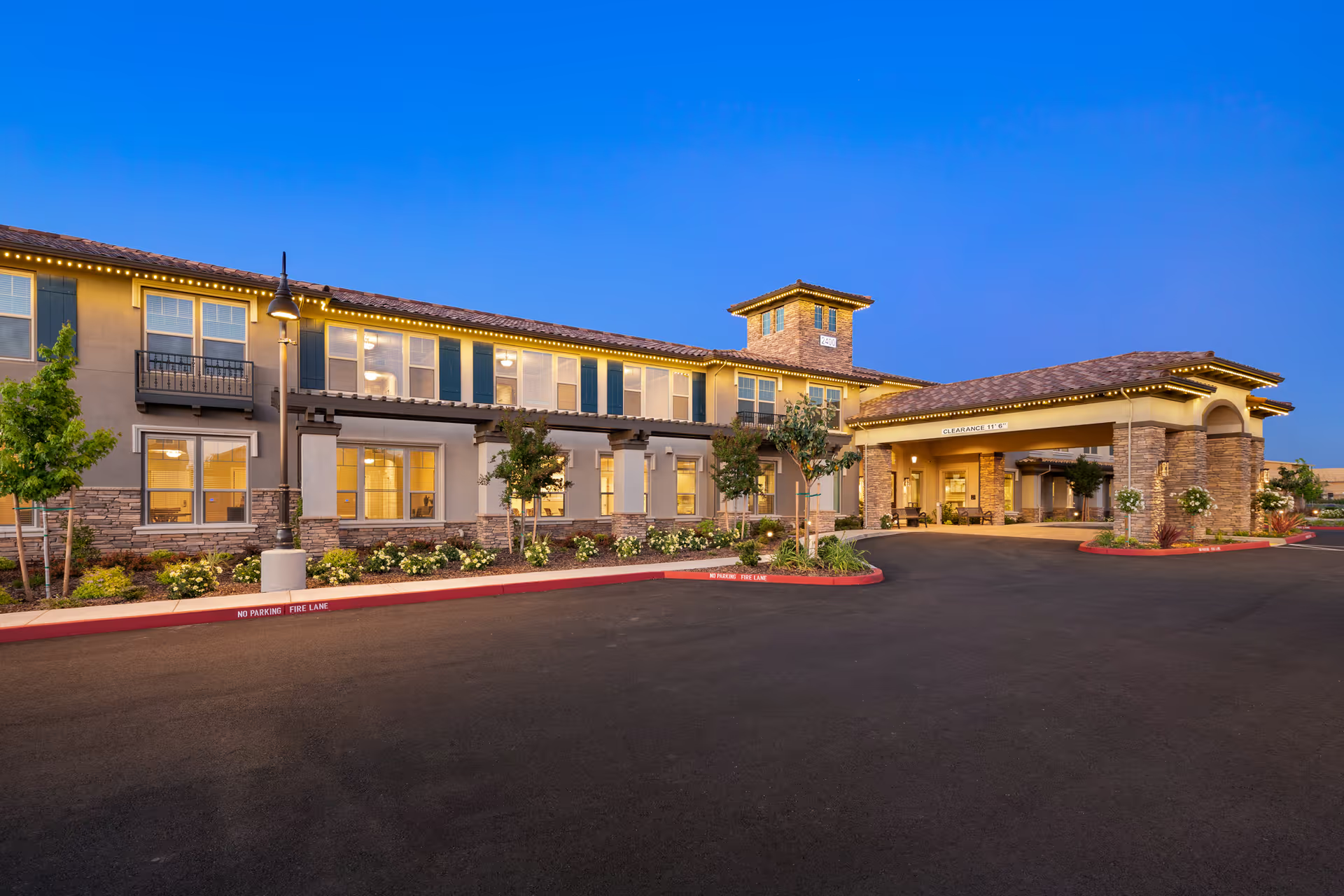
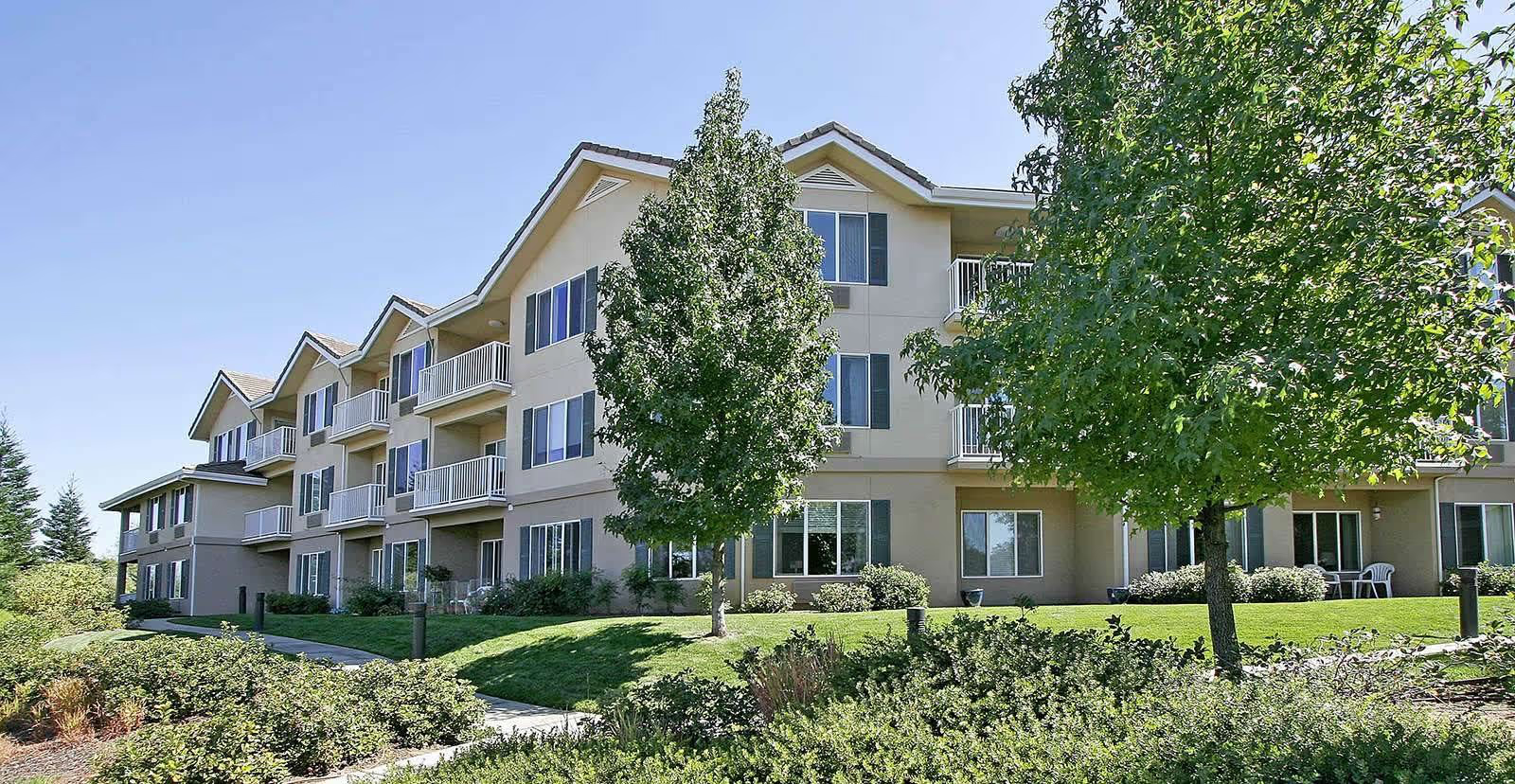
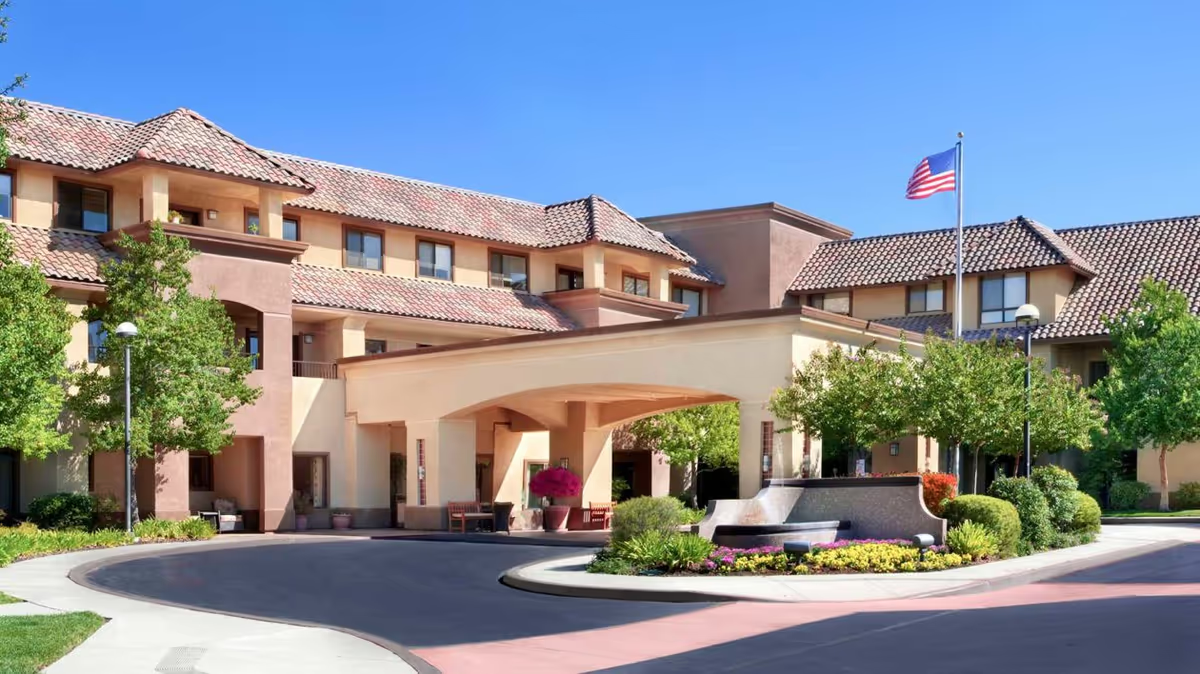
Overall sentiment across the reviews is mixed but clear: Courtyard at Mt. Tabor delivers many of the physical-amenity and hospitality features expected of a modern independent-living community — bright, hotel-like public spaces, attractive grounds and courtyards, good common amenities (movie theater, libraries), and many residents praise the welcoming, familiar-feeling atmosphere. Numerous reviewers highlight friendly, caring staff who learn residents’ names, a strong social calendar in many cases, and a smooth onboarding experience when leadership and staff are engaged. For independent, active seniors who value aesthetics, social opportunities, and an organized community, many reviewers express strong satisfaction and would recommend the community.
Care quality and appropriateness is a major recurring theme and a source of significant variability. Many reviewers indicate the community is well-suited for truly independent residents and appreciate the three-level care model and the ability for couples with differing needs to remain together. However, a substantial subset of reviews raise serious concerns about placement and clinical capability: several families reported that residents who needed more assistance (including repeated falls and hospitalization) were not receiving the level of care required and should have been in skilled nursing. Some reviewers explicitly described inappropriate admission decisions or a policy of moving residents out when they require more assistance. These reports suggest inconsistent assessment, variable care-plan follow-through, and a risk that the community can be overwhelmed when residents' needs exceed the staff’s capacity.
Staffing, morale, and management practices are another clear pattern. Across reviews there are frequent, contrasting reports: many praise individual caregivers, dining servers, activities personnel, and directors as compassionate and attentive — with specific staff members named positively — while others report chronic understaffing, high turnover, and stressed interim managers. When staffing is adequate, residents report excellent personal attention (night checks, meds administered, individualized responses). When understaffed, reviewers describe delayed assistance (bathroom help), understaffed dining rooms, withdrawn residents, and a perception that corporate priorities (enrollment, billing) outweigh resident care. Several reviewers directly associate recent declines in food or service quality with ownership or management changes, staff cuts, and cost-control measures.
Dining and food quality are heavily polarized in the reviews. Many residents love the restaurant-style dining, praise specific menus, and say meals are a highlight; others report disappointing food quality with specific complaints about meats being reconstituted/overcooked, prepackaged sauces, over-salted dishes, and declines in dining-room service. Operational issues are mentioned as well: limited meal inclusion (often only one meal included in base price), expensive guest meals, inflexible meal times, assigned seating that can lead to repetitive table groups or limited conversation, and limited mechanical-soft/diabetic options for some residents. Several reviews note that the dining experience and responsiveness to meal feedback have improved in some periods, indicating variability over time and by management/staff.
Activities and social life receive many positive comments — full calendars, outings, Tai Chi, morning exercise, frequent film screenings, and creative programming — but some reviewers find activities unengaging or limited in variety and frequency (desire for more trips, swimming outings, and more stimulating programming for certain residents). Activity staff are described as energetic and rebuilding programs post-pandemic in several reviews, while other residents say programming is not sufficient to prevent social isolation in certain meal seating patterns or for residents with less mobility.
Operational transparency, communication, billing, and customer-relations issues recur. Multiple reviewers describe problems with waitlist communication, unfulfilled promises in sales/lease agreements, billing or bookkeeping errors (including being charged for housekeeping that was not provided), and slow or inadequate responses from management on resident concerns. Terms like “bait-and-switch,” “misrepresentation,” and “money prioritized over care” appear in multiple summaries. Conversely, some reviews single out directors or specific executive staff as responsive and helpful, indicating that experience may depend strongly on which leadership team is in place and recent management turnover.
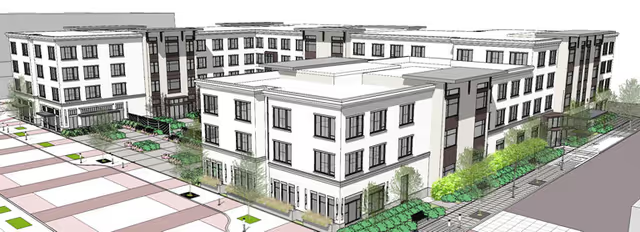
Facilities and logistics are generally praised: bright, natural light, contained courtyards, garden boxes, pleasant hallways and carpeting, and in-room tech amenities. Downsides in this area include some small room sizes, certain rooms overlooking parking lots, limited walking routes or constrained pathways (leading to potential conflicts among walkers/canes/wheelchairs), and tight visitor parking at busy times. Memory-care families note that the layout/scale of the building can feel overwhelming for residents with dementia or memory impairment.
Cost and value considerations appear frequently. Reviewers note that the community costs more than living independently, with additional or hidden charges possible (guest meals, housekeeping fees, service charges). Several reviewers emphasize the need to understand exactly what the base fee covers, how meal plans are structured, and the community’s policies for transition to higher levels of care — especially since some families experienced unexpected moves or extra costs when care needs changed.
In summary, Courtyard at Mt. Tabor offers many of the attractive physical features, hospitality-style amenities, and warm front-line staff that make it appealing for many independent seniors. The most common strengths are the facility’s appearance, the friendliness of staff, and a robust set of amenities and social programs. The principal risks and consistent concerns are operational: variable dining quality, understaffing/high turnover, inconsistent housekeeping and care-plan follow-through, and management/communication problems (including reports of misrepresentation and billing issues). These issues are most acute when residents’ clinical needs increase; families should be cautious if a prospective resident may soon need skilled nursing or higher-level assisted care.
For prospective residents and families: consider touring multiple times, ask specific questions about current staffing levels and turnover, request the most recent staffing ratios and nursing assessments, clarify exactly which services are included in the base fee and what incurs extra charges, get written confirmation of any promises made during tours or sales presentations, probe how transitions to higher care levels are handled, and speak with current residents and families about recent management changes and dining/care consistency. Those seeking an active, attractive independent-living environment often report strong satisfaction; those seeking reliable, higher-level medical or skilled nursing care report more mixed and sometimes problematic experiences.