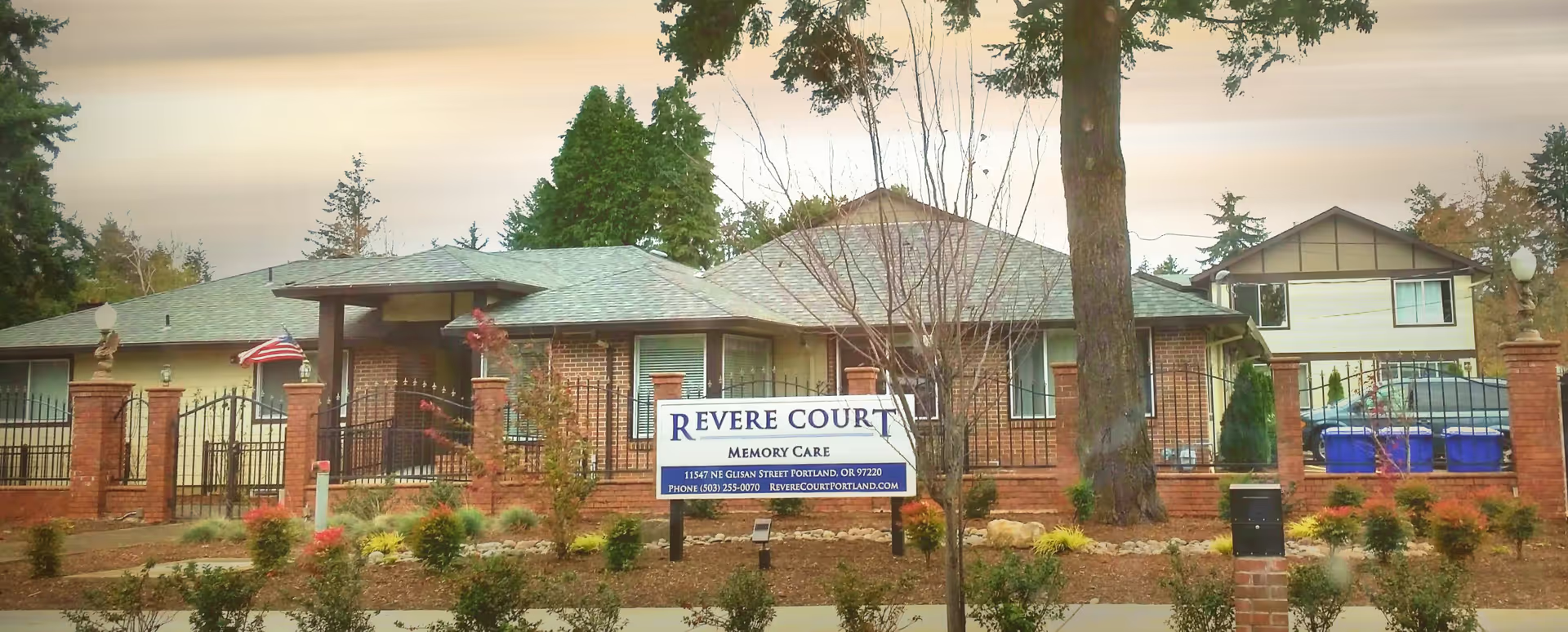
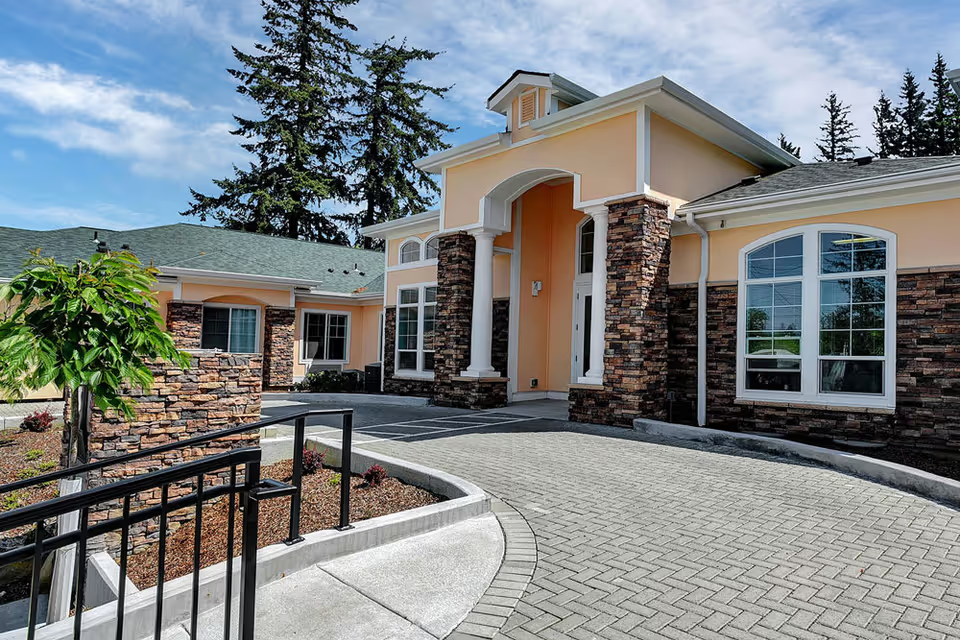
Overall impression: Reviews portray Home for Our Parents as a small, homelike adult-care setting with a strong emphasis on individualized attention. Families emphasize kindness and attentiveness from both the owners and caregiving staff, a consistently clean and well-maintained environment, and care that feels personal rather than institutional. The facility is described as welcoming and family-oriented, with multiple accounts of positive end-of-life coordination and hospice involvement.
Care and staff: Care quality is frequently characterized as compassionate, patient, and hands-on. Reviewers highlight attentive caregivers, regular updates to families, and a sense that residents are treated like family. Owners are described as actively involved and generous with their time, which contributes to close oversight of daily care. There is, however, at least one note of an unsatisfactory staff interaction; while most feedback is positive, this suggests occasional variability in staff conduct and communication that prospective families should confirm during visits.
Facilities and cleanliness: The physical setting is consistently described as clean, comfortable, and well maintained — reviewers liken it to a comfortable home and call attention to tidy common areas. The small-house model supports a domestic atmosphere and close relationships between staff, residents, and families. That model also implies limitations: smaller scale can mean fewer staff on shift at any time and less redundancy for coverage.
Dining, activities, and services: Reviews provide little concrete detail about meals or organized activities. The lack of description does not mean these services are absent, but it does indicate they are not a prominent part of public feedback. Prospective residents and families should ask for sample menus, activity calendars, and examples of social programming during a tour to verify fit with interests and nutritional needs.
Management and capacity: Management is presented as engaged and communicative, with owners described as hands-on and polite. One operational theme is license- or capacity-related limits for higher-acuity residents; an explicit mention of state approval required for an additional higher-acuity placement suggests regulatory constraints can affect admissions. Families seeking placement for individuals with advanced care needs should clarify current licensure, staffing ratios, and the facility’s capacity to accept and manage higher-acuity residents.
Notable patterns and guidance: The dominant patterns are strong personal attention, effective hospice coordination, and a home-like cleanliness. Potential weaknesses to vet in person include variability in staff communication, the implications of small-facility scale for coverage and services, and limited publicly available information about dining and activities. During a visit, ask about staffing schedules, recent staff training, policies for higher-acuity care, sample menus, activity offerings, and how management handles and documents family communications.