Overall sentiment: The reviews present a uniformly positive impression of Royal Quality Care. Reviewers emphasize high satisfaction with the quality of care and the demeanor of staff, repeatedly recommending the facility and describing it as safe, clean, and respectful. There are multiple direct endorsements such as "highly recommend," "best care," and "strong recommendation," indicating consistent appreciation from those who provided feedback. No explicit complaints about care, cleanliness, or meals appear in the supplied summaries.
Care quality and staff: The standout theme across the reviews is the strength of the caregiving team. Several reviewers single out specific caregivers by name — O. V. and Christina (also referenced as Christina Marginean) — praising them for respectful treatment, going "above and beyond," and creating a "family-like" feeling. Statements such as "made me feel like family" and "best care" point to a high level of interpersonal connection and individualized attention. This suggests that caregivers not only meet clinical or custodial needs but also prioritize dignity and emotional comfort.
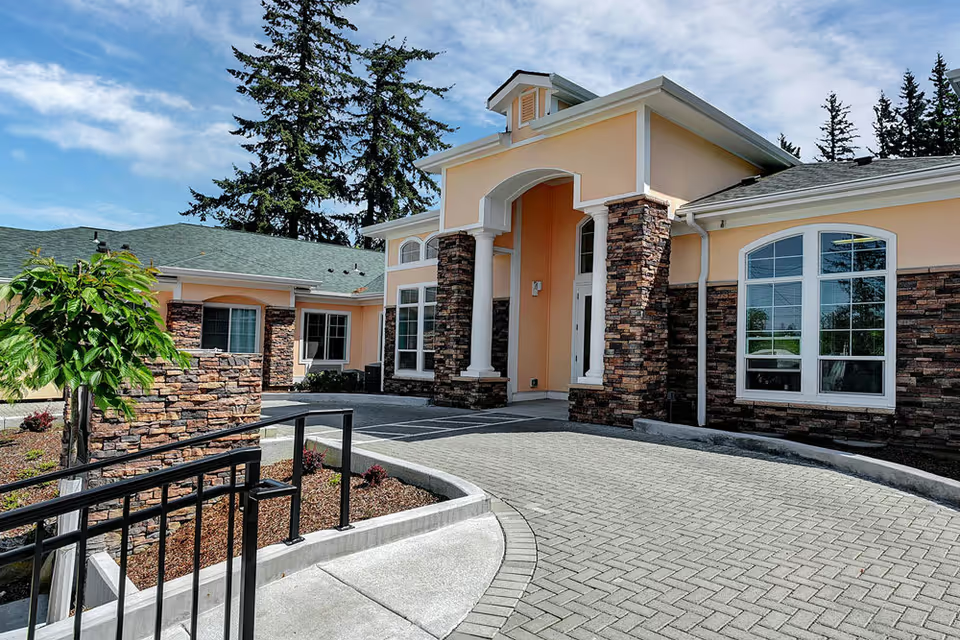
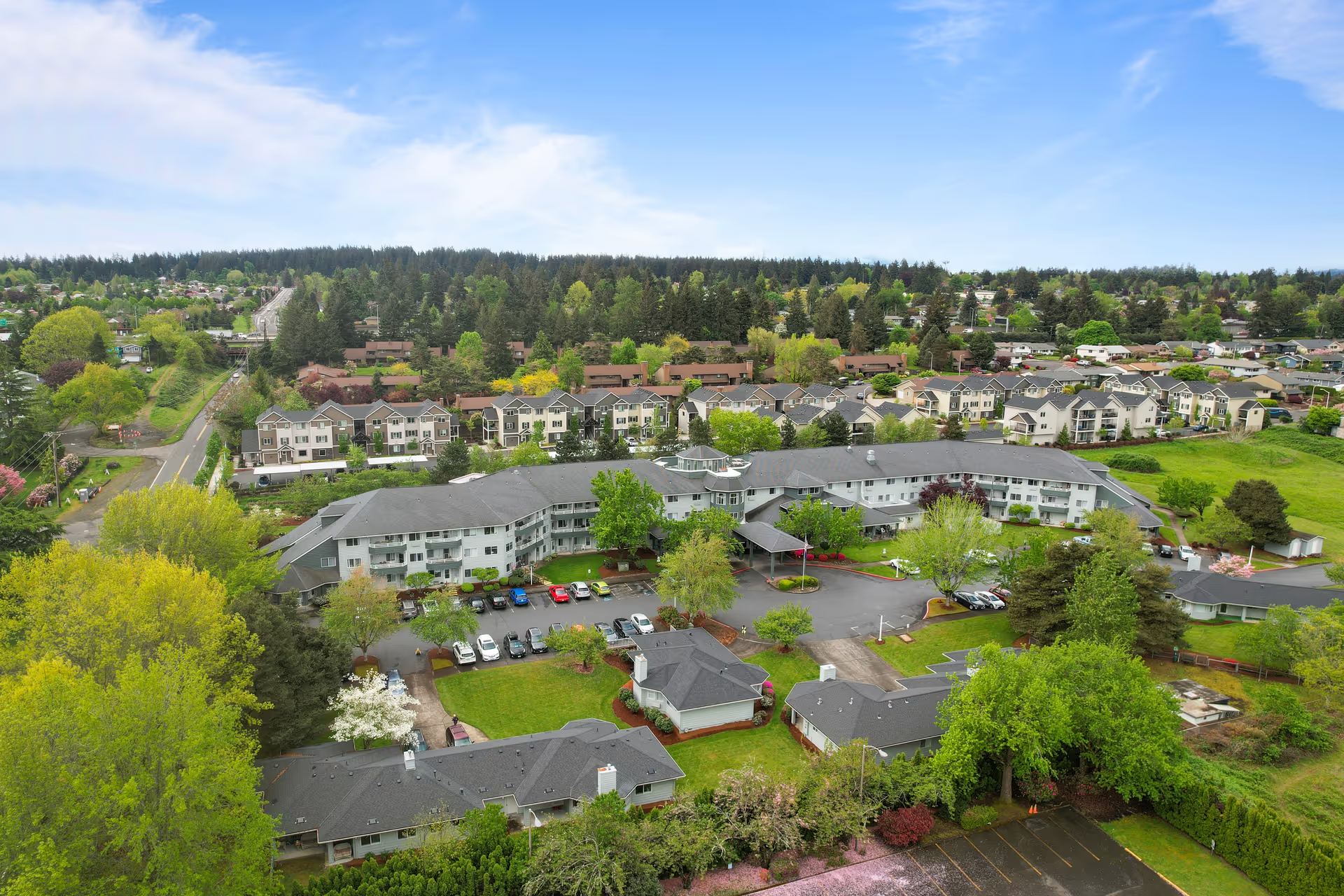
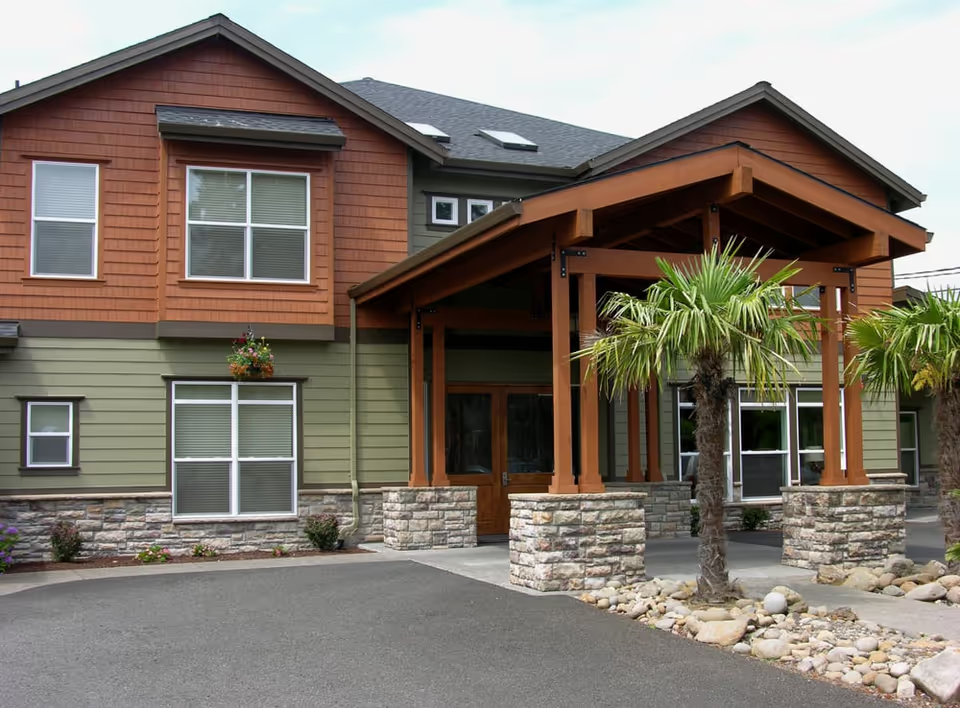
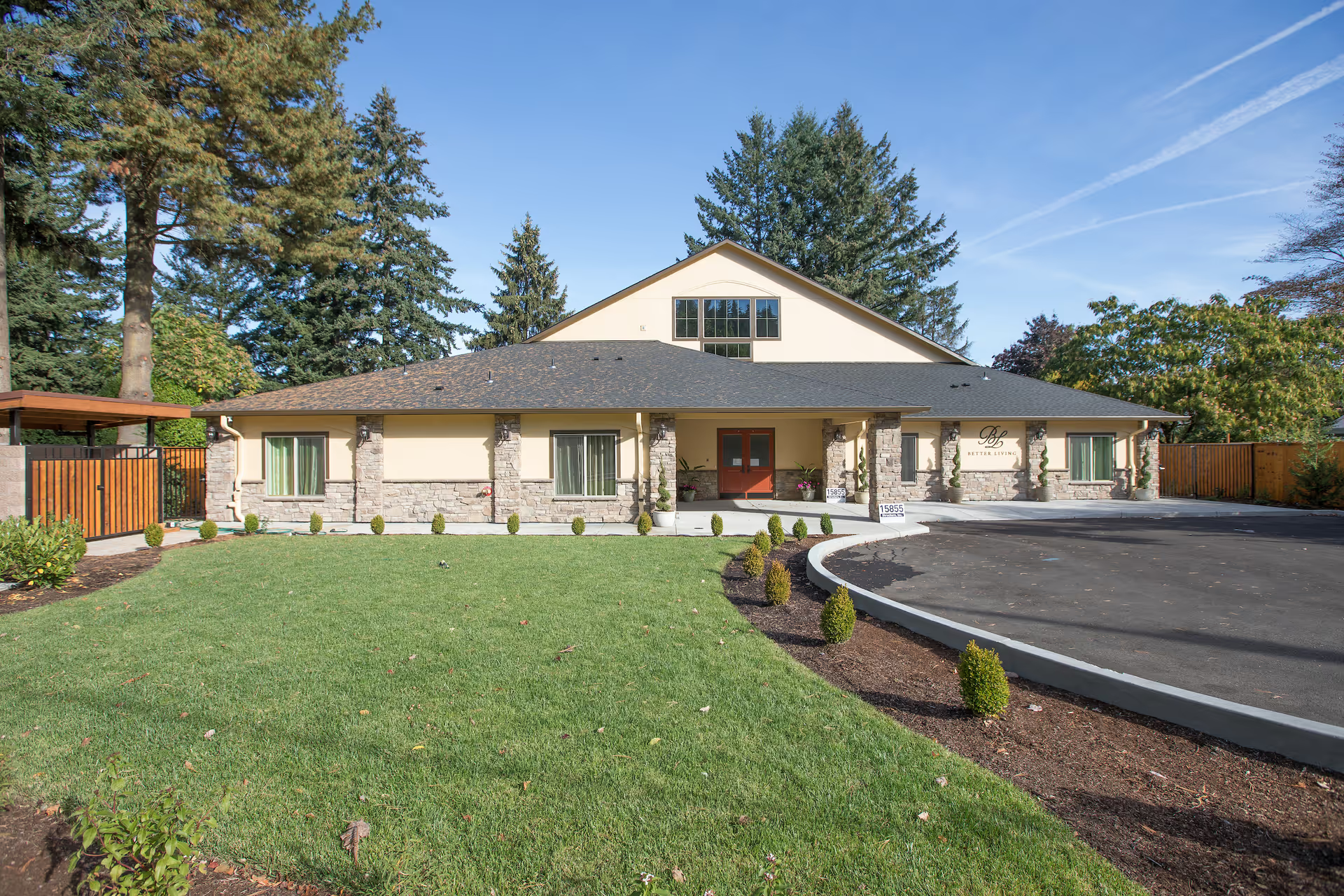
Facilities and cleanliness: Cleanliness is repeatedly mentioned as a positive attribute. Phrases like "clean environment" and "clean" appear across summaries, implying that housekeeping and infection-control practices are perceived as reliable. The description of the facility as "safe" aligns with these comments and reinforces a general perception of a well-maintained physical environment.
Dining and value: Nutrition and meals receive favorable mentions — reviewers report residents being "well fed" and describe meals positively. Coupled with comments about "value for money," the reviews indicate that dining services are considered adequate and contribute to overall satisfaction with the cost-benefit relationship of the facility.
Activities and engagement: Activities are the one area with limited information. At least one reviewer explicitly noted that "activities not rated due to non-participation," which is not a criticism of programming per se but a gap in available feedback. The absence of active engagement data means reviewers do not provide evidence one way or another about the breadth, frequency, or quality of social and recreational programming. This should be interpreted as an information limitation rather than a documented shortcoming.
Management and other operational aspects: Management, administrative responsiveness, and formal organizational issues are not mentioned in the provided summaries. Because reviewers focus on direct care staff, cleanliness, meals, and the facility's Christian setting, there is insufficient evidence to assess leadership, billing transparency, or complaint resolution processes. The lack of commentary in these areas is itself notable and suggests reviewers were primarily motivated to comment on hands-on caregiving and day-to-day resident experience.
Notable patterns and caveats: The dominant pattern is overwhelmingly positive, centered on compassionate staff, cleanliness, safety, and satisfactory meals. Multiple reviewers used similar language and named the same staff members, which strengthens the signal that certain caregivers are particularly well-regarded. The most important caveat is the limited scope of the reviews: they provide strong endorsements of personal care and environment but little information about activities participation, administrative performance, clinical outcomes, or long-term resident engagement. Anyone using these summaries to make a decision should consider seeking additional feedback on programming, clinical services, and management-level issues to fill those gaps.
Summary conclusion: Based on the supplied summaries, Royal Quality Care appears to excel in personalized, respectful caregiving delivered by a team that includes well-regarded individuals (O. V. and Christina / Christina Marginean), maintains a clean and safe environment, provides satisfying meals, and delivers perceived good value. The primary limitation in the available reviews is a lack of information about activities and non-care operational areas, so prospective residents or families should ask targeted questions about programming and administrative practices when evaluating the facility further.