Reviewer impressions of Russellville Park are strongly polarized. Many families and residents describe a resort-like, well‑appointed campus with extensive amenities, restaurant-style dining, active programming, and staff who create a welcoming social environment. At the same time, a significant portion of feedback highlights operational inconsistencies that materially affect daily care and value for money.
Care and staff: Staffing is a mixed picture. Numerous accounts praise individual caregivers, nursing staff, front-desk personnel, and dining servers for compassion, responsiveness, and personalized attention; those staff members are frequently credited with improving residents' energy, mobility, and social engagement. However, there are recurring operational concerns: understaffing, frequent turnover, and instances of delayed response times for assistance, medication delivery, and escorts to meals or activities. Reviewers express particular unease about inconsistent clinical communication and medication-management practices; while some families report excellent post‑operative and wound care, others note lapses in clinical oversight and slower-than-expected staff responsiveness.
Dining and housekeeping: Dining is widely cited as a central feature of the community. Many reviewers praise restaurant-quality meal presentation, multiple dining venues, and a broad range of menu options. Conversely, accounts also describe variability in food quality, limited menu rotation in some venues, slow service, and specific buffet or self-service formats that raised sanitation and food-handling concerns. Housekeeping and laundry services emerge as a notable operational weakness for some residents — examples include skipped cleanings, untidy linen handling, delayed laundry returns, and inconsistent room upkeep — which contributes directly to family concerns about day-to-day living conditions.
Activities and community life: Russellville Park is consistently recognized for a wide array of activities, clubs, and off-site outings that support social engagement and physical activity. Many residents report an active schedule that includes exercise classes, field trips, musical programming, and specialty clubs; staff who plan and execute events are often singled out positively. That said, reviewers also indicate that programming is not uniformly adapted for residents with cognitive impairment, and some memory-care residents appear to receive less-targeted activity engagement.
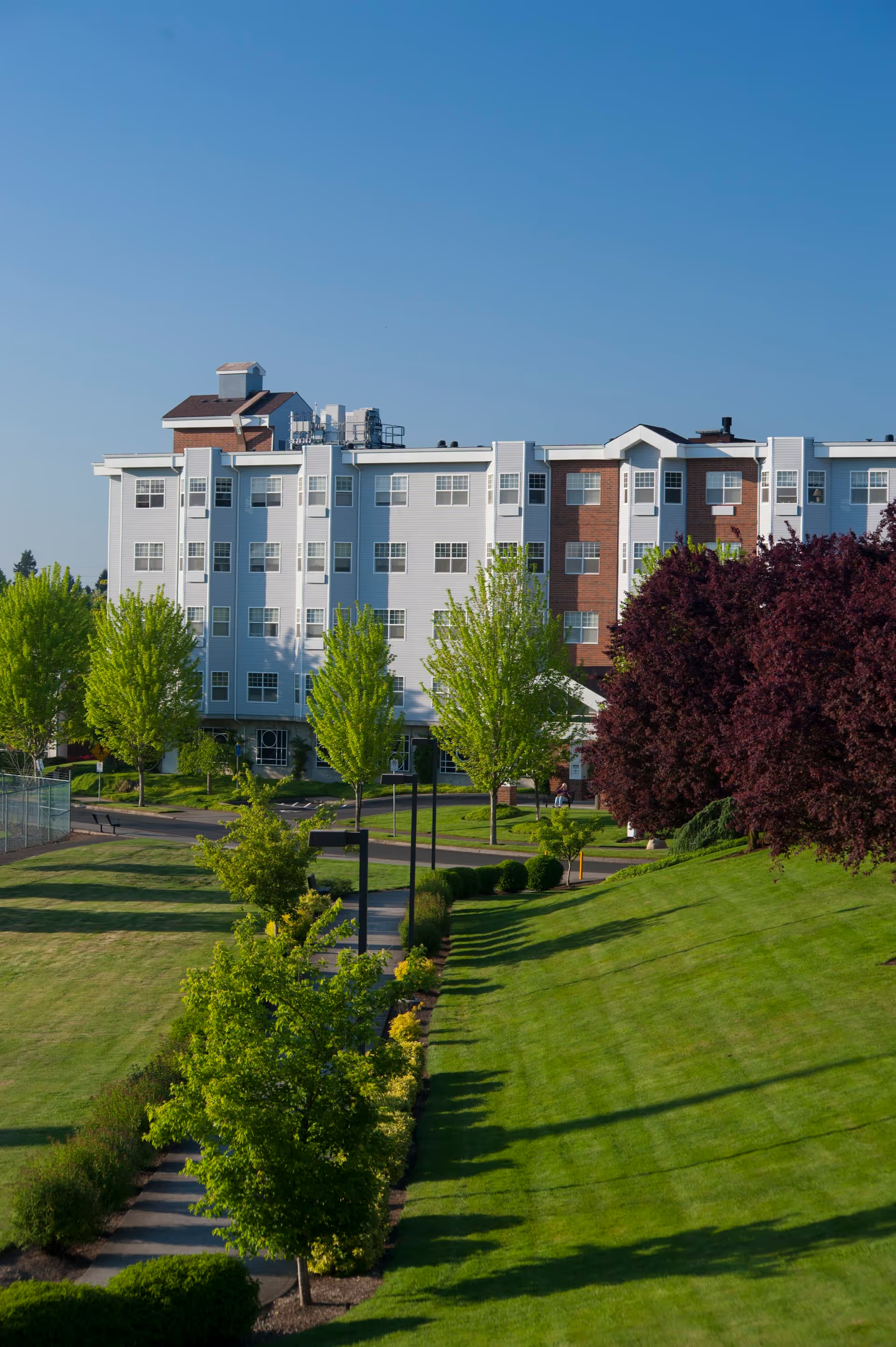
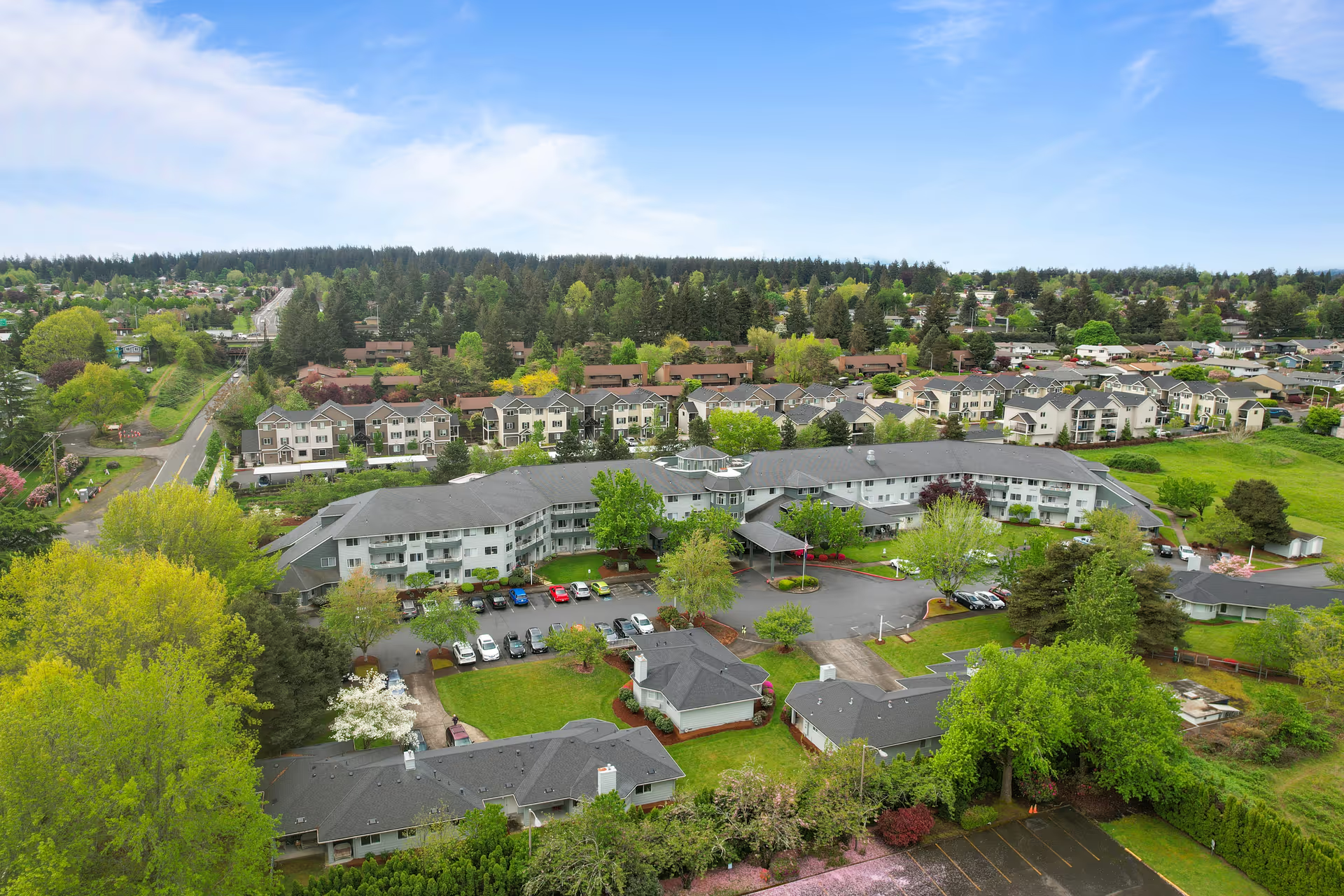
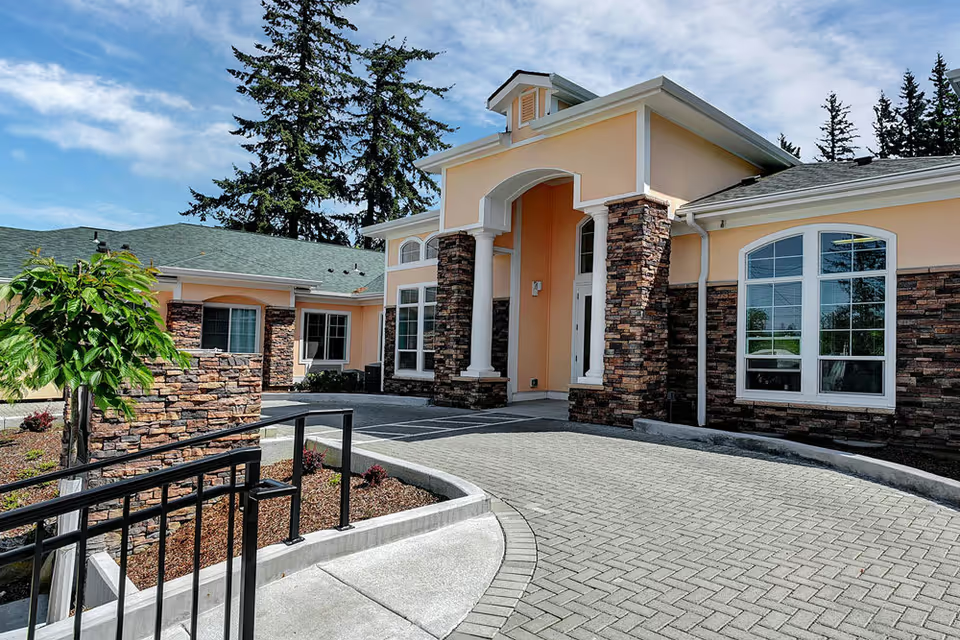
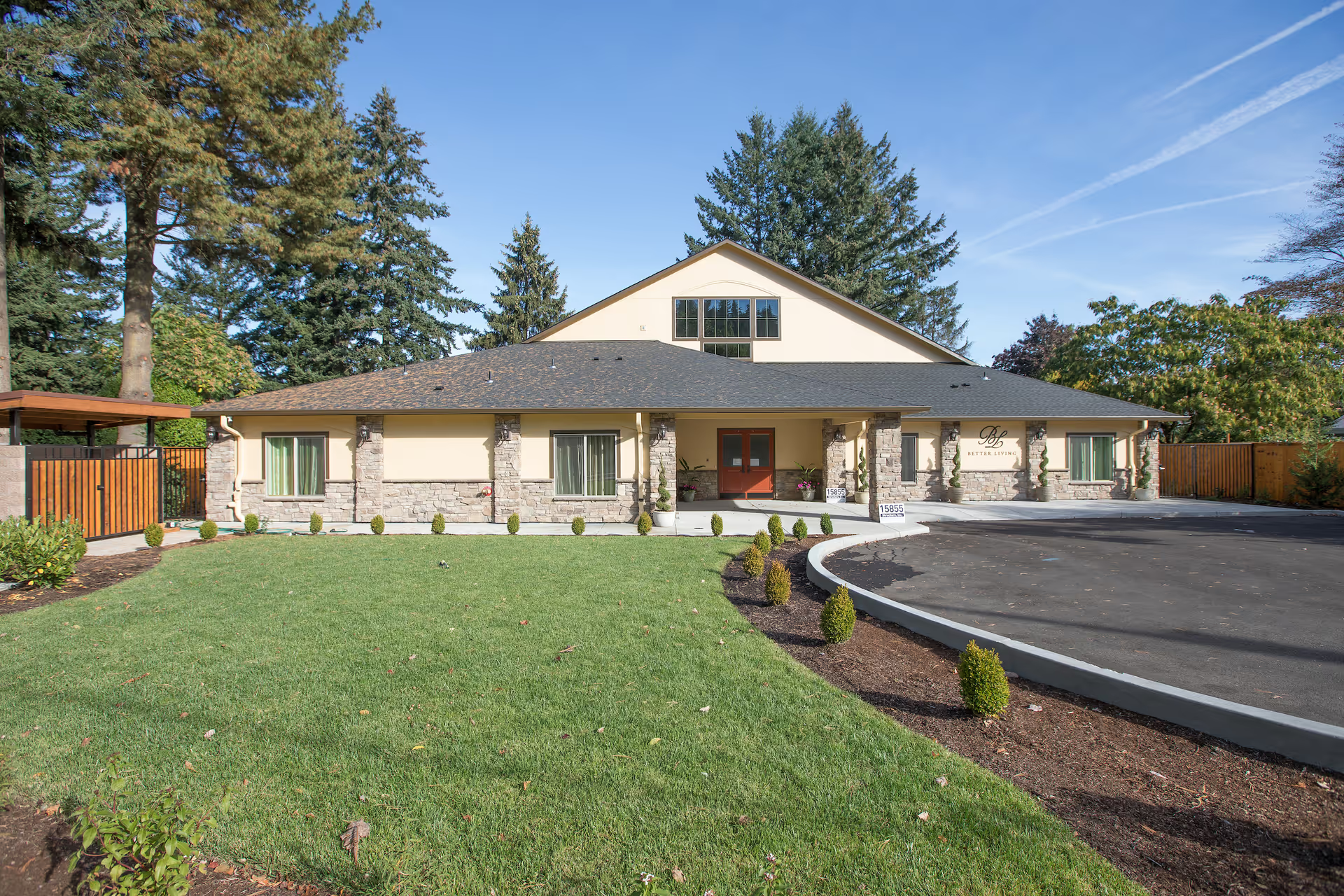
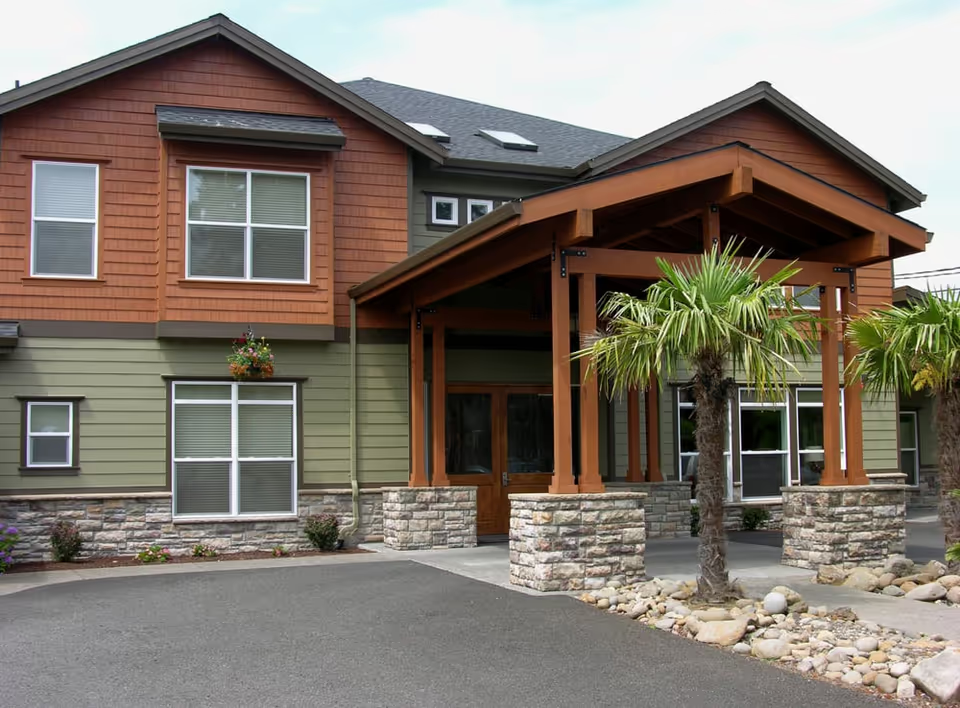
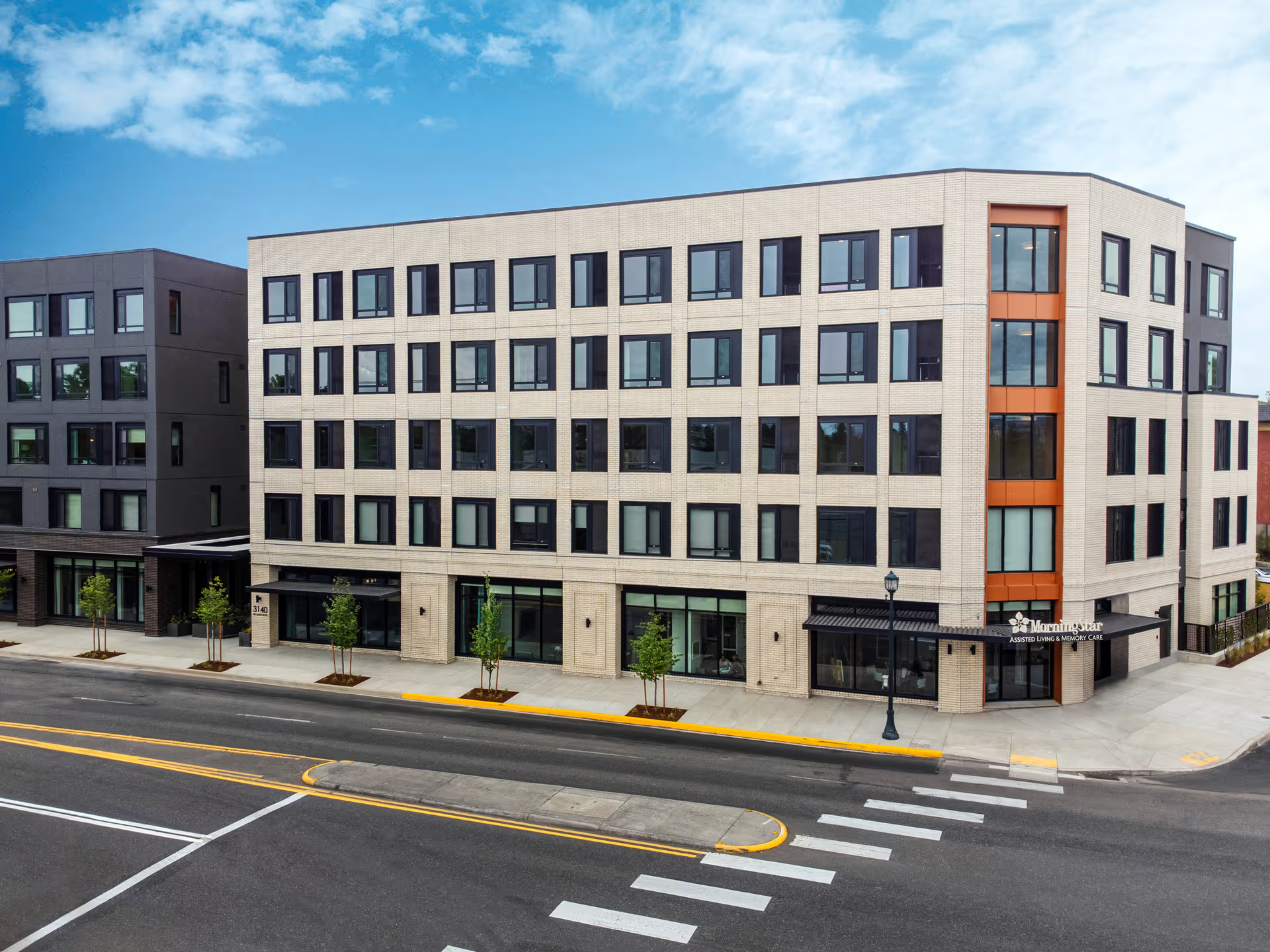
Facilities and location: The physical campus and apartments receive strong praise for upscale finishes, spacious unit layouts (including full kitchens and patio options), and plentiful common spaces such as courtyards, salons, theaters, and fitness areas. Accessibility to public transit and on-site transportation is a frequent positive. Conversely, several reviewers raise concerns about parking constraints, visitor access, and aspects of the exterior neighborhood that some find less appealing or less safe.
Management, billing, and policies: A consistent theme in critical feedback concerns management practices and transparency. Reviewers describe frequent leadership changes, inconsistent follow-through on promised services, and instances of aggressive or opaque billing (add-on fees, damage charges at move-out, and ticketed meal plans). Some families describe pressure to upgrade care levels or accept additional services. These operational patterns have led to disputes over charges, requests for refunds, and, in a few cases, external escalation involving legal counsel. Overall, management responsiveness and clarity around pricing and service delivery are areas flagged for improvement.
Notable patterns and takeaway: The cumulative picture is one of a community that offers strong amenities, an engaged social environment, and many caring staff members, but that also struggles with system-level consistency in staffing, housekeeping, clinical oversight, and administrative transparency. Prospective residents and families should weigh the appeal of the campus amenities and active programming against the operational risks: ask targeted questions about current staffing ratios, memory-care programming, medication and clinical protocols, housekeeping schedules, billing policies (including meal-plan and move-out charge practices), and visitor/parking arrangements. A site visit that includes conversations with direct-care staff, a meal sampling in the resident dining room, and review of written service agreements will help assess whether the facility’s strengths align with a specific resident’s care needs and expectations.