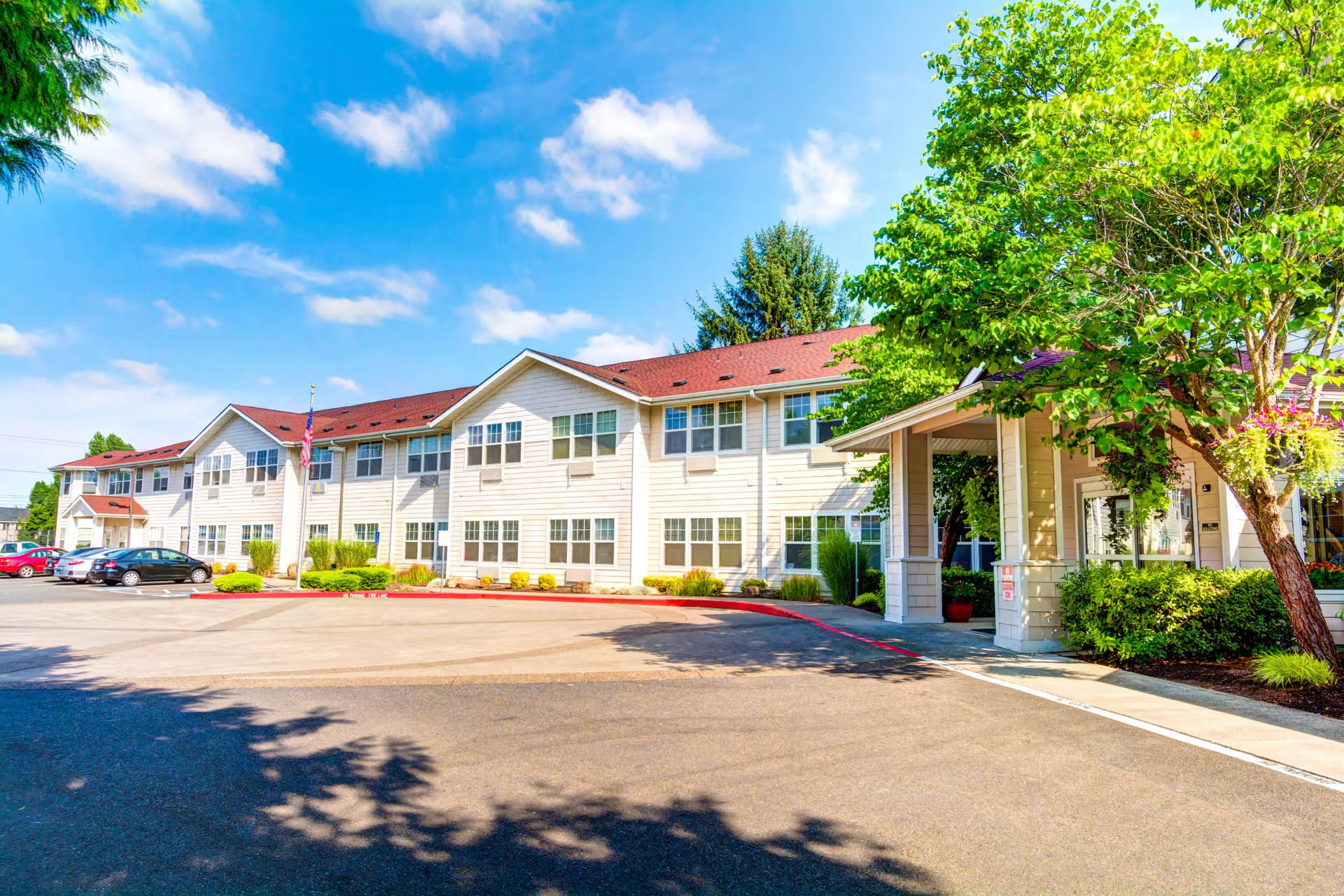
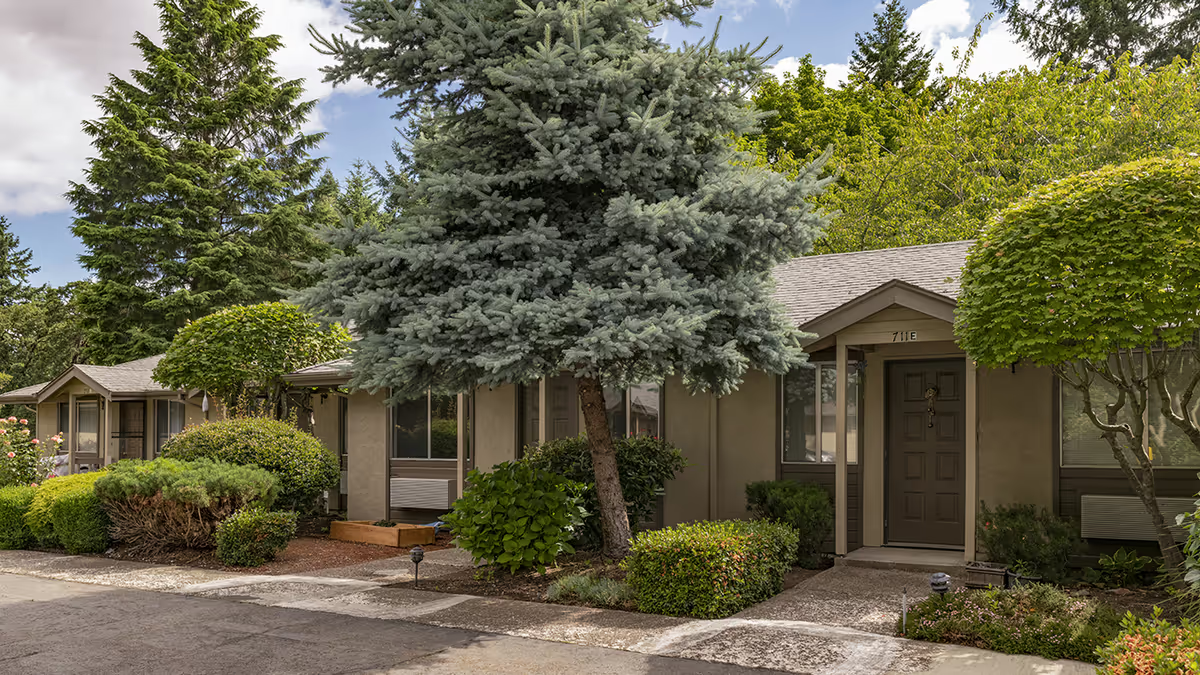
Overall impression: Reviews for Coral Springs and Reflections Memory Care describe a facility with clear strengths in person-centered care and staff continuity, alongside operational areas that families should evaluate during a tour and intake process. Many families highlighted attentive, consistent caregivers and straightforward communication, which contributed to a strong sense of safety and satisfaction for residents who fit the community’s care model. At the same time, reviewers noted several operational patterns—around dining, medication timing, activities, placement suitability, and administrative interactions—that warrant careful probing before placement.
Care and staff: Care quality is characterized primarily by individualized attention and a stable caregiving team. Families described staff as responsive, friendly, and accommodating, and several mentioned that their loved ones felt a sense of control and comfort. Consistent assignments and good family communication were cited as meaningful advantages. However, there are also remarks about delays in medication administration; this suggests potential lapses in medication-management workflows that prospective families should review with nursing leadership and during reference checks.
Dining: The community provides three meals per day with menu choices and several families praised the nutritious options and meal scheduling. At the same time, food preparation and flavor consistency were raised as concerns; some residents and families found meals bland or uneven in quality. Prospective residents should sample meals, ask about menu rotation and special-diet accommodations, and inquire how kitchen staff handle flavor and presentation for palates affected by age or cognitive change.
Activities and engagement: The facility offers activity programming and an in-person tour experience that many found positive, but activity participation was not universal. Some residents did not engage with available programs, and at least one family felt activities were not a good fit. This points to a need for more individualized engagement planning for residents with different cognitive and mobility profiles. Families should ask about activity-adaptation, staffing levels for programs, and how activities are tailored to memory-care needs.
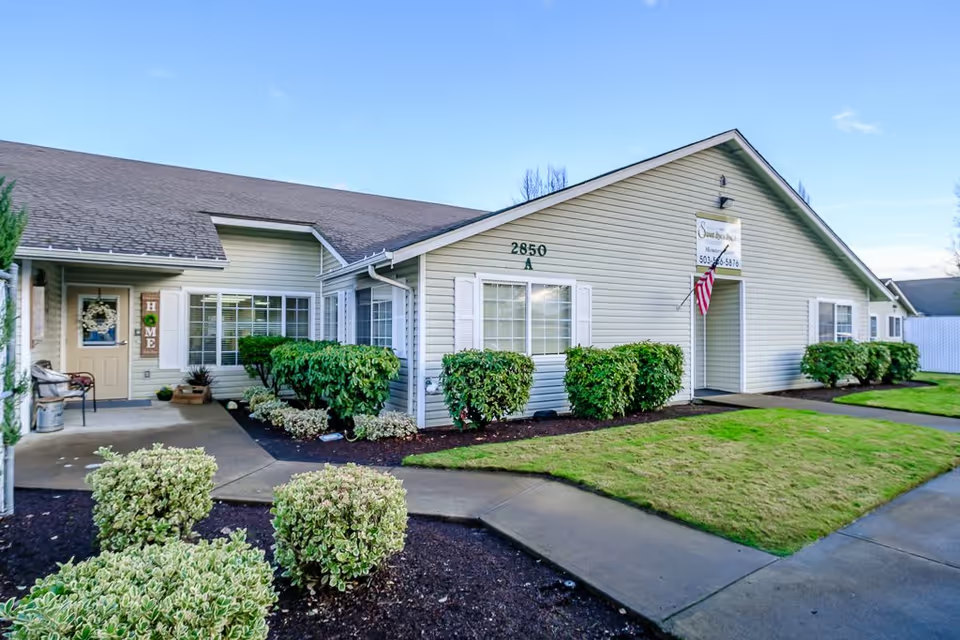
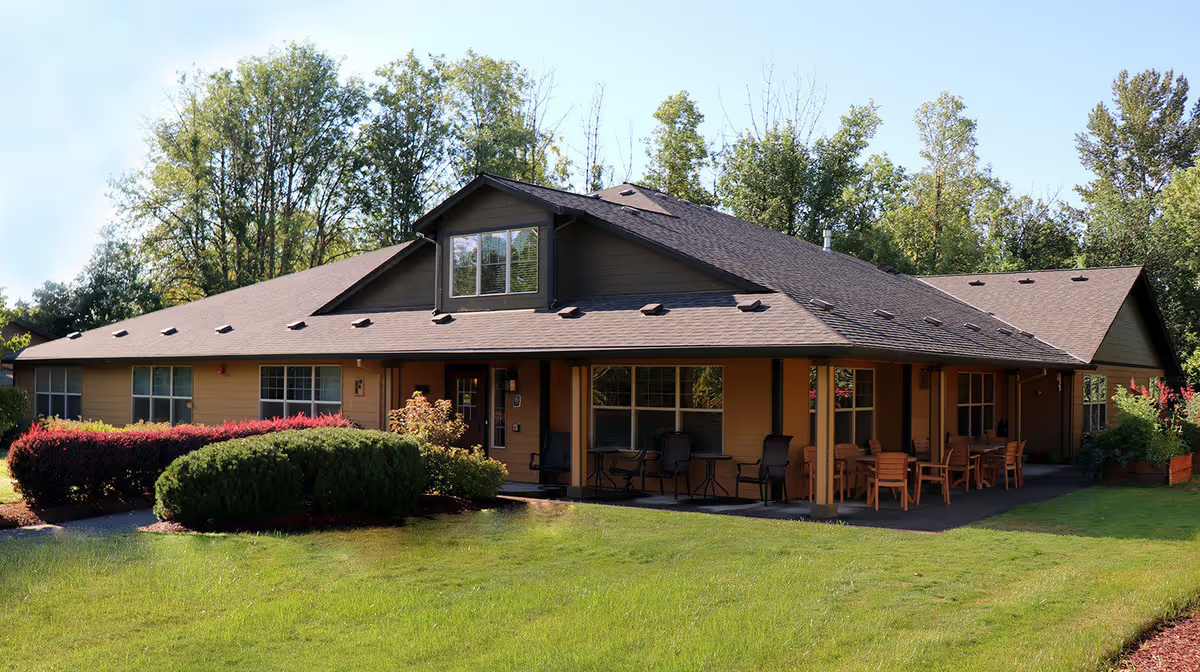
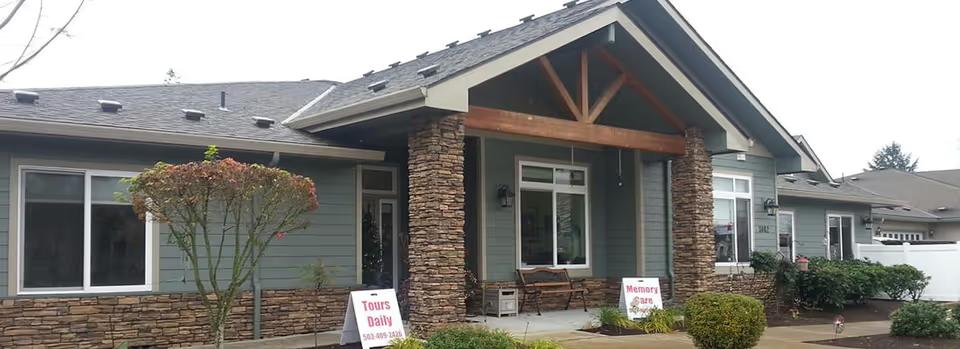
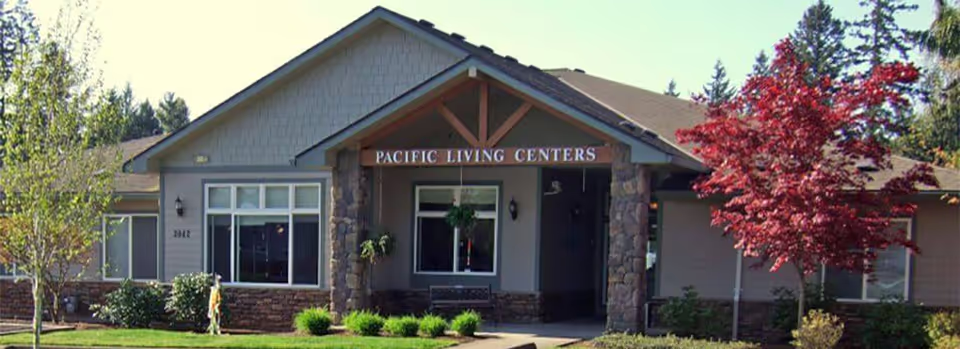
Facilities and placement: Physical accommodations include private master-bedroom units and generally clean, well-maintained interiors. Reviewers experienced different impressions of scale—some appreciated a smaller, intimate environment while others found parts of the facility large or overwhelming. There was at least one early discharge attributed to a mismatch between the resident’s needs and the placement, indicating that admission-assessment and placement processes may vary in thoroughness. Prospective families should confirm how intake assessments are conducted and whether trial periods or reassessment options exist.
Management and cost: While many families praised frontline staff and recommended the community, there are notable concerns about administrative professionalism and how complaints are handled. A small subset of reviews described dissatisfaction with ownership or administration conduct. Pricing perceptions were mixed: some found costs reasonable, others described pricing as high relative to expectations. Families should request detailed fee schedules, ask about what is included versus extra, and discuss the community’s complaint-resolution and escalation pathways.
Notable patterns and recommendations: The strongest themes are dependable, compassionate caregiving and clear staff–family communication. The most recurrent operational issues are inconsistent meal quality, medication-timing delays, activity engagement gaps for certain residents, and variability in administrative responsiveness and placement assessment. A recommended approach for families considering this community is to schedule multiple visits (including a mealtime), meet nursing and administrative staff, review medication-management protocols, and clarify the placement-assessment and grievance processes to ensure alignment with the prospective resident’s needs and expectations.