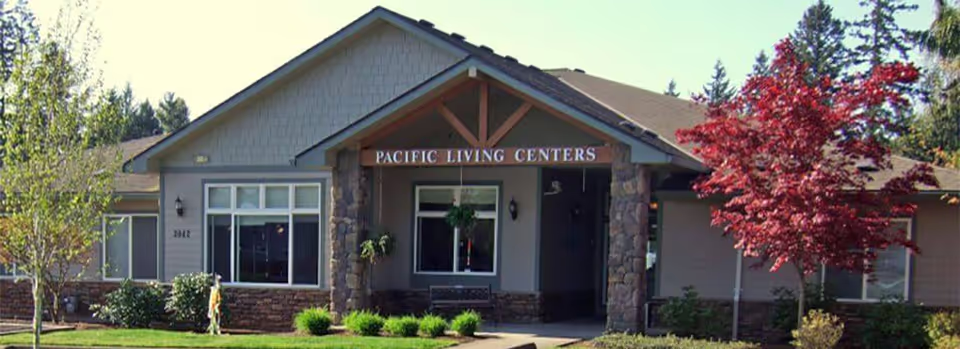
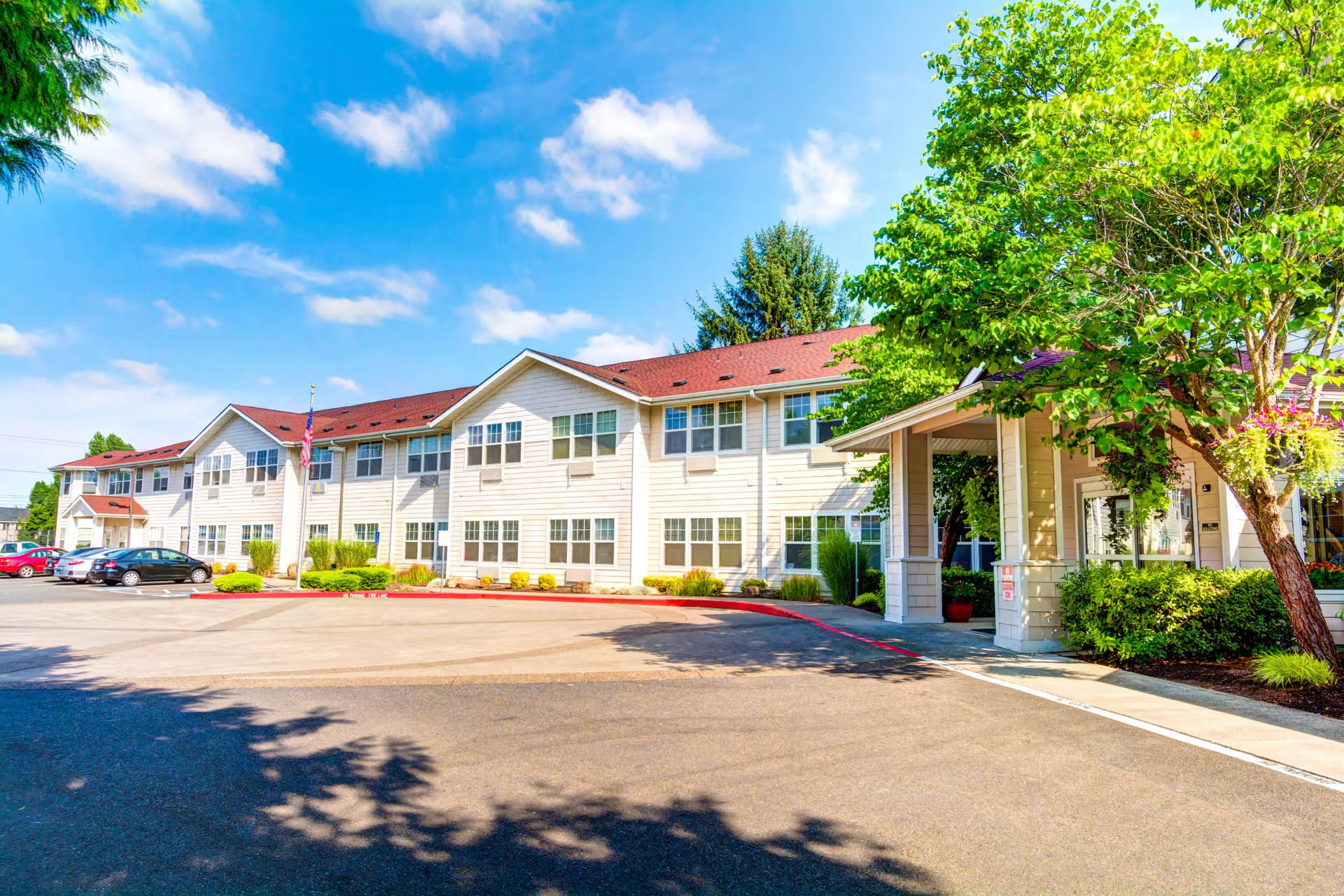
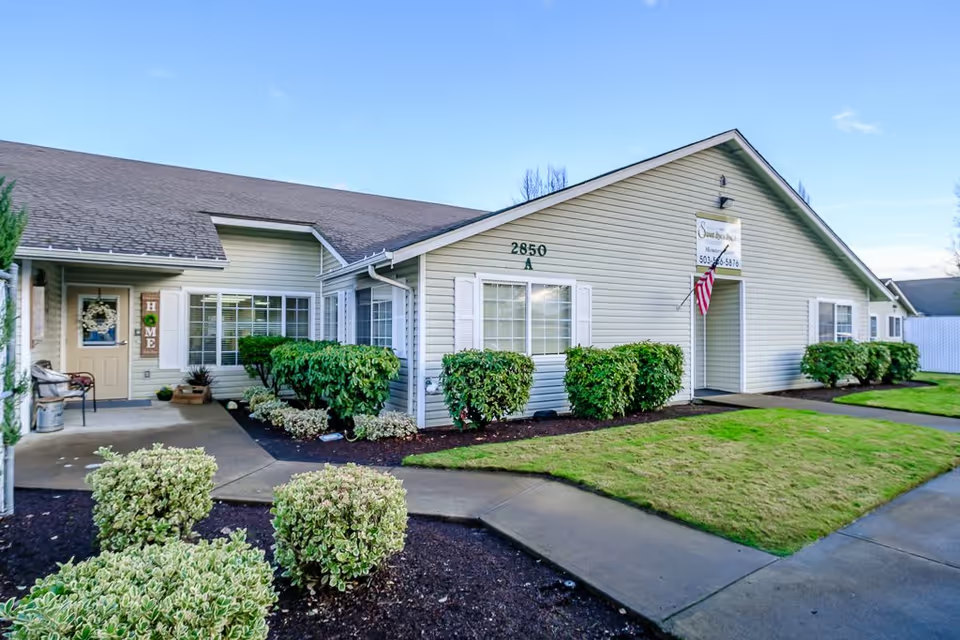
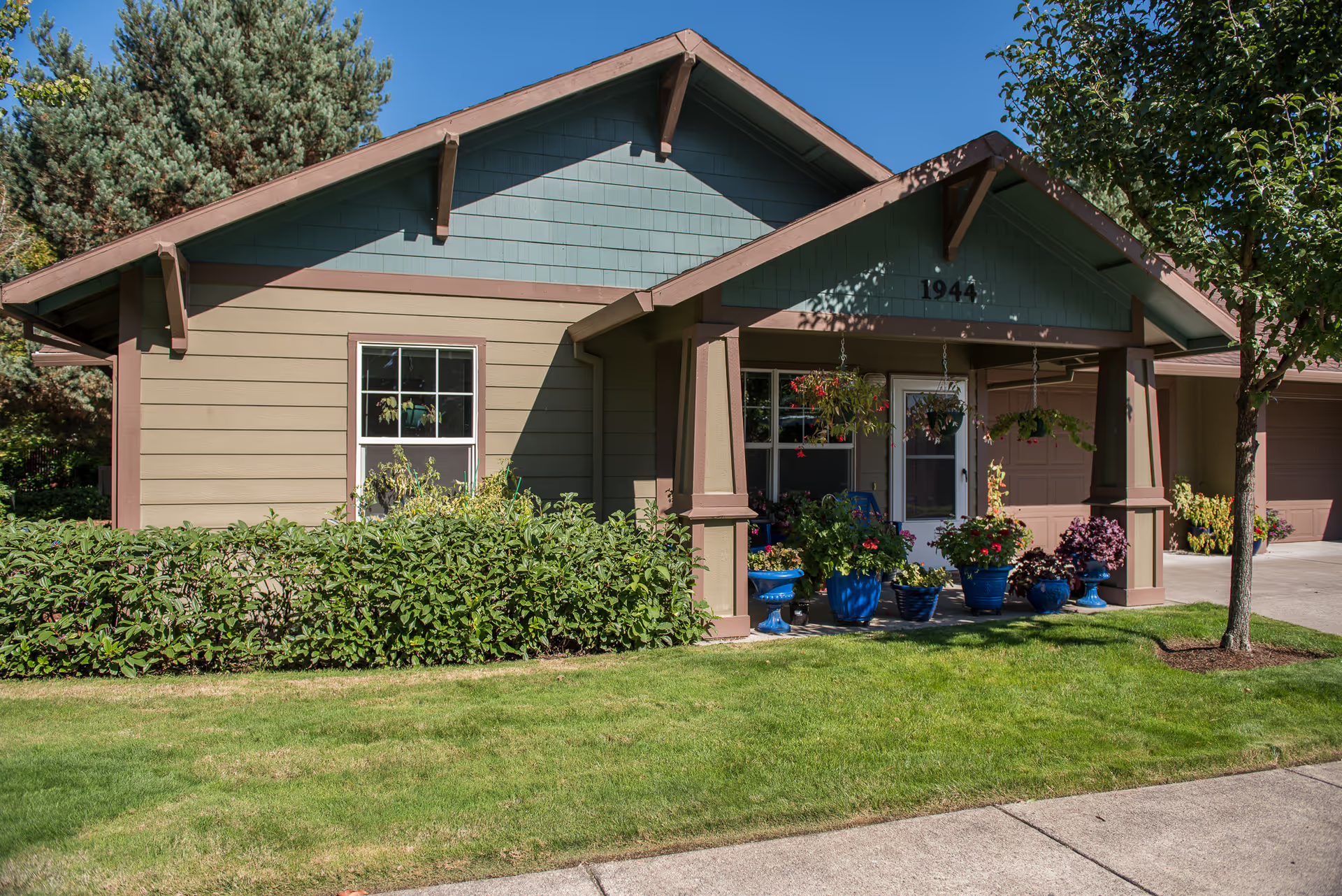
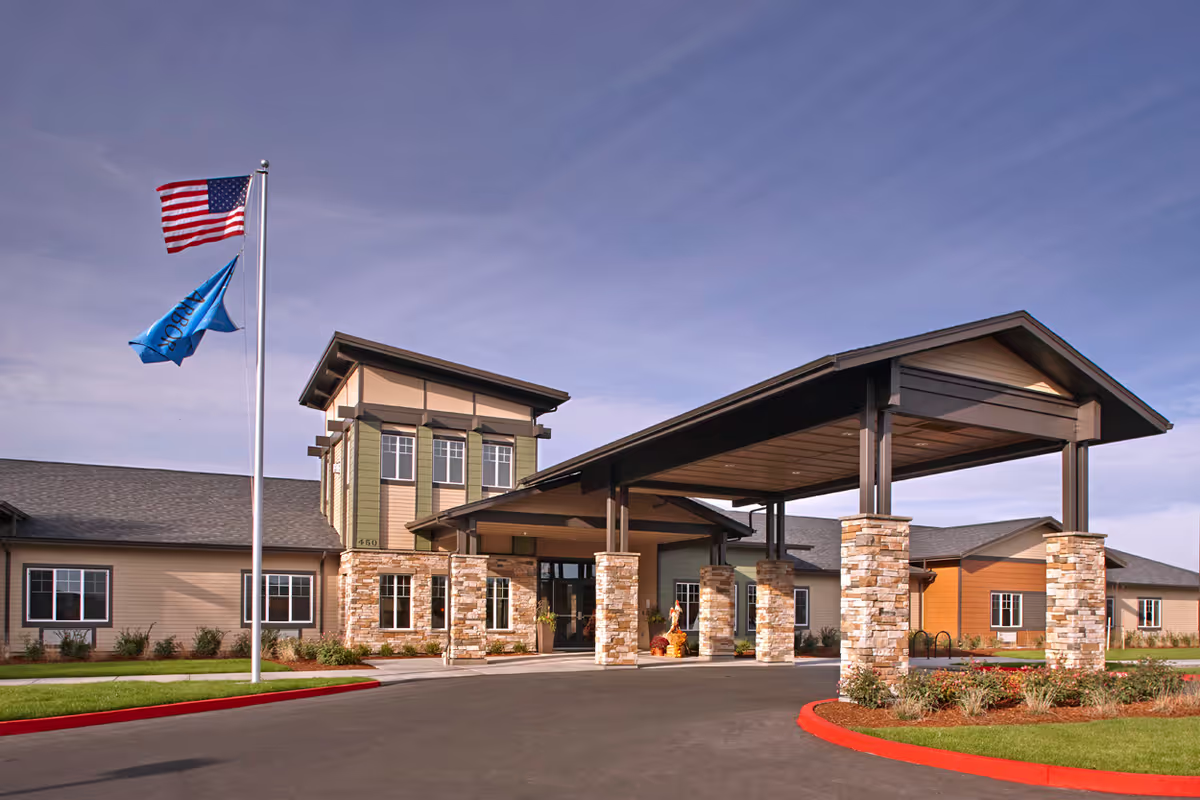
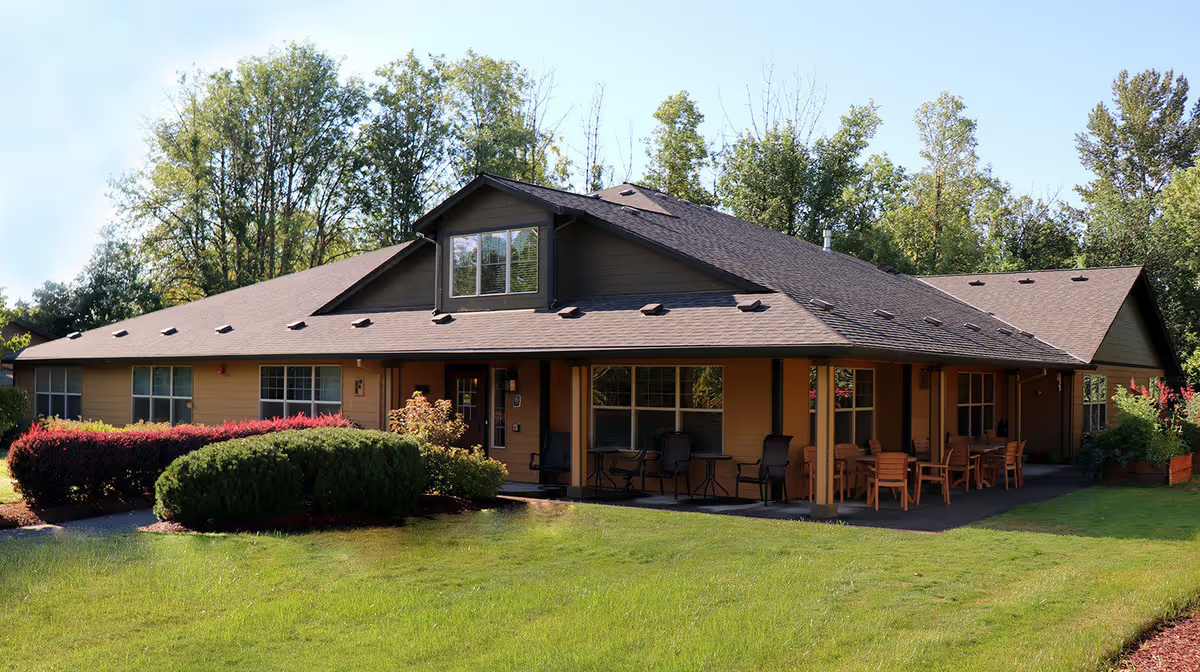
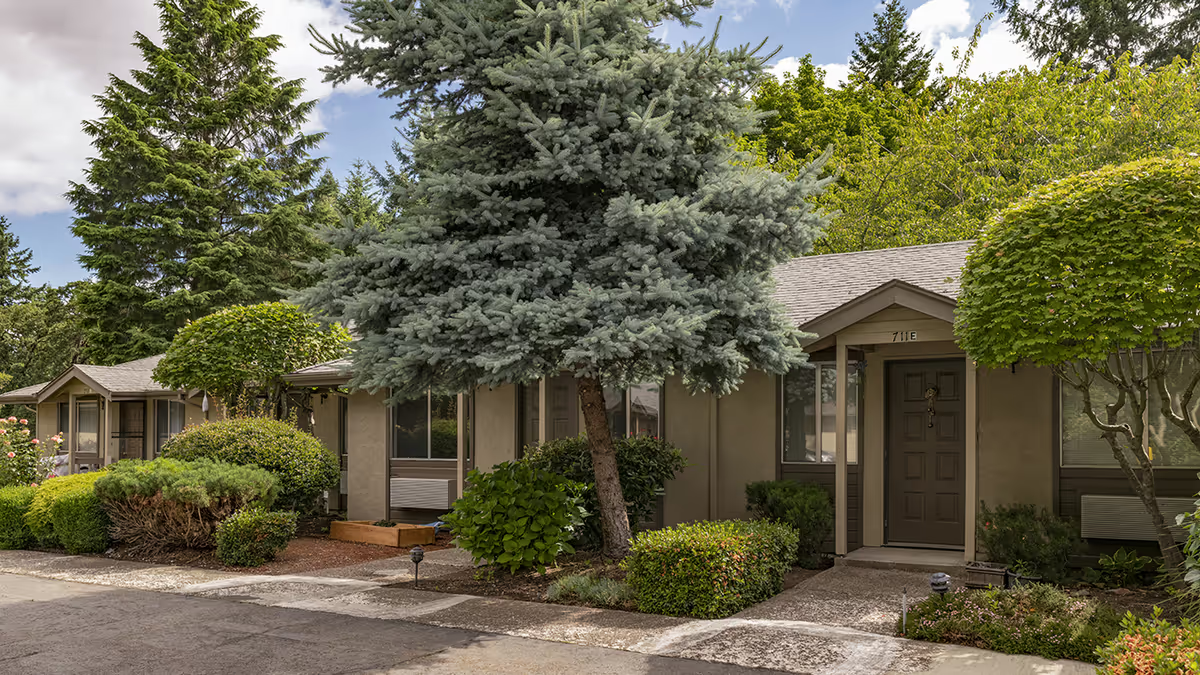
Harmony House of Salem is consistently described as a small, home-like memory-care residence with a family atmosphere. The facility operates at a household scale (about 14–15 beds) and emphasizes personalized, one-on-one care. Families and visitors commonly highlight a calm, respectful approach from staff and a steady focus on dementia-appropriate interactions and redirection techniques. The presence of nurses and CNAs around the clock is noted, and many accounts emphasize the peace of mind that comes from a consistent, caring team.
Care quality and staff conduct are frequent strengths in the feedback. Reviewers characterize the caregiving team as hardworking, kind, and personable; interactions are described as calm and nonconfrontational, with attention to residents' emotional comfort. The provider’s memory-care expertise is reflected in organized approaches to behavior redirection, monthly family meetings, and programming aimed at engagement and contentment. That said, there are recurring observations about staffing levels: several families indicate that coverage can be thinner during night shifts or peak-demand periods, and that there are times when more concurrent staff presence would be beneficial.
Dining and activities receive positive comments. The kitchen model—home-cooked meals served in an open dining area with a visible kitchen—is seen as a strength that supports a homelike dining experience. Reviewers also note an active social calendar with activities and parties that contribute to a convivial environment. Transportation services and a visitor-friendly approach are additional conveniences cited by families.
Facilities and management are portrayed as clean, well-maintained, and welcoming to families. Specific operational strengths include organized family communication (monthly meetings) and clear infection-control communication during lockdown periods. Administrative areas flagged for improvement include the financial and billing navigation process, which some families described as challenging to manage; prospective families may benefit from clarifying cost structures and billing procedures during intake. Overall, the dominant pattern in these summaries is strong, compassionate day-to-day caregiving in a small, memory-care setting, with staffing-coverage variability and administrative/billing clarity as the primary operational considerations to verify during a tour or intake conversation.