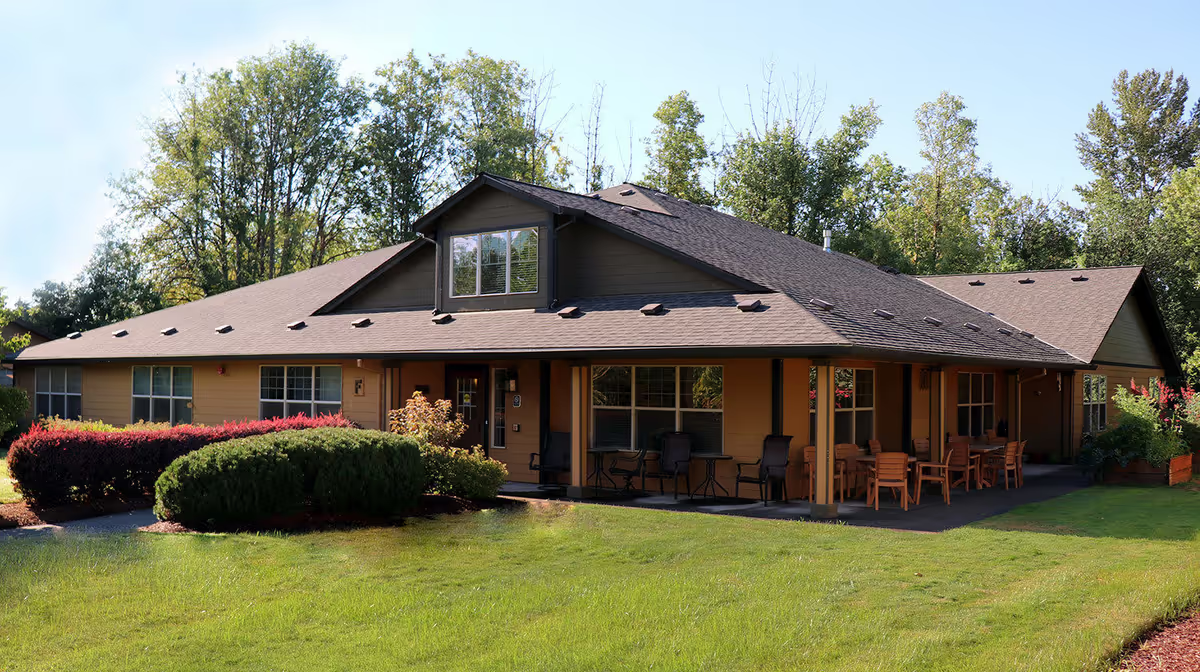
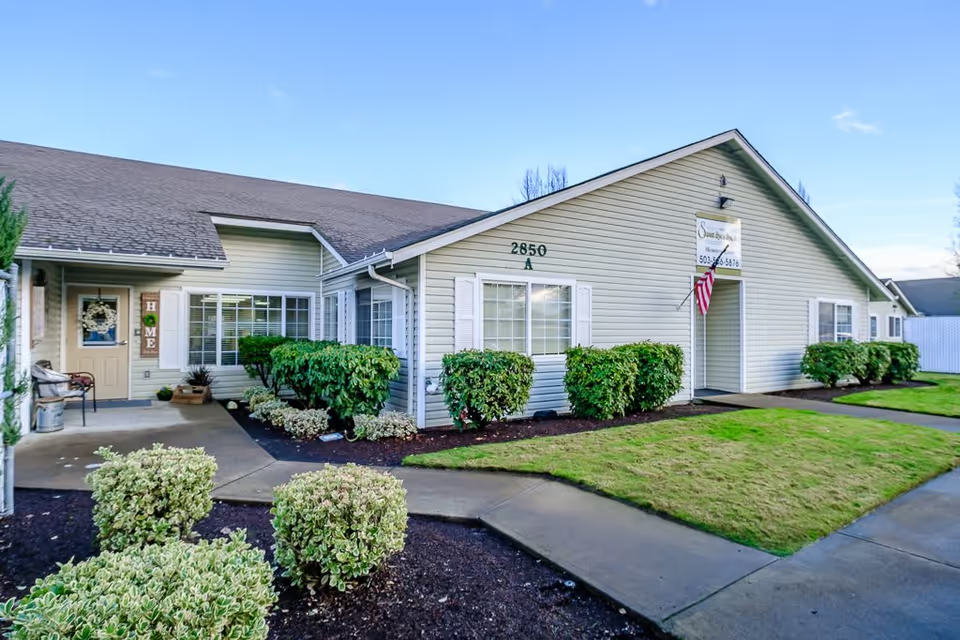
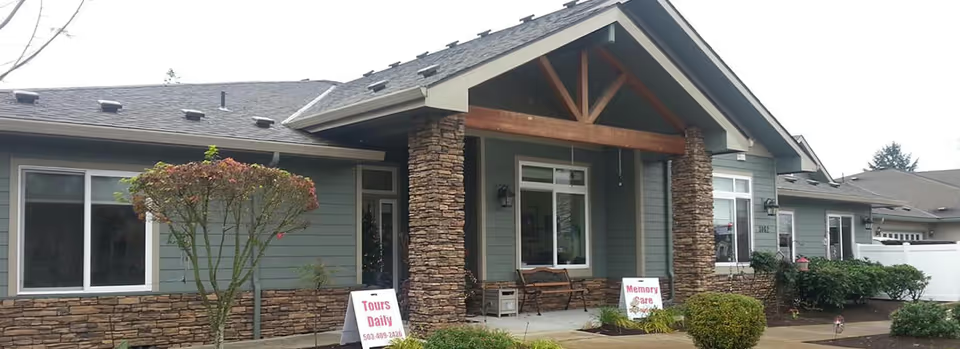
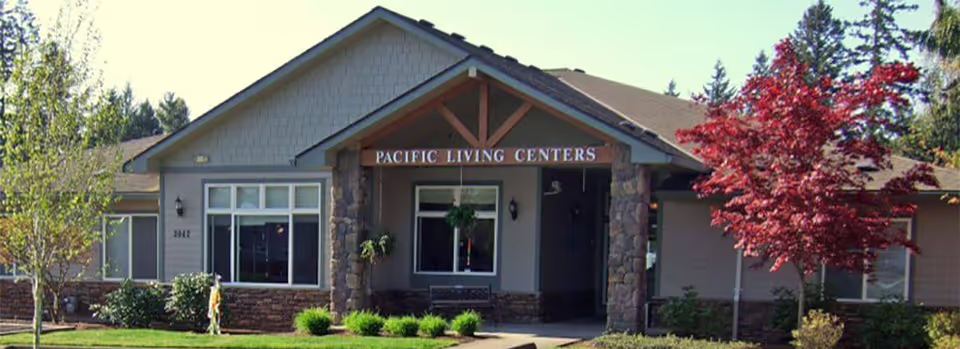
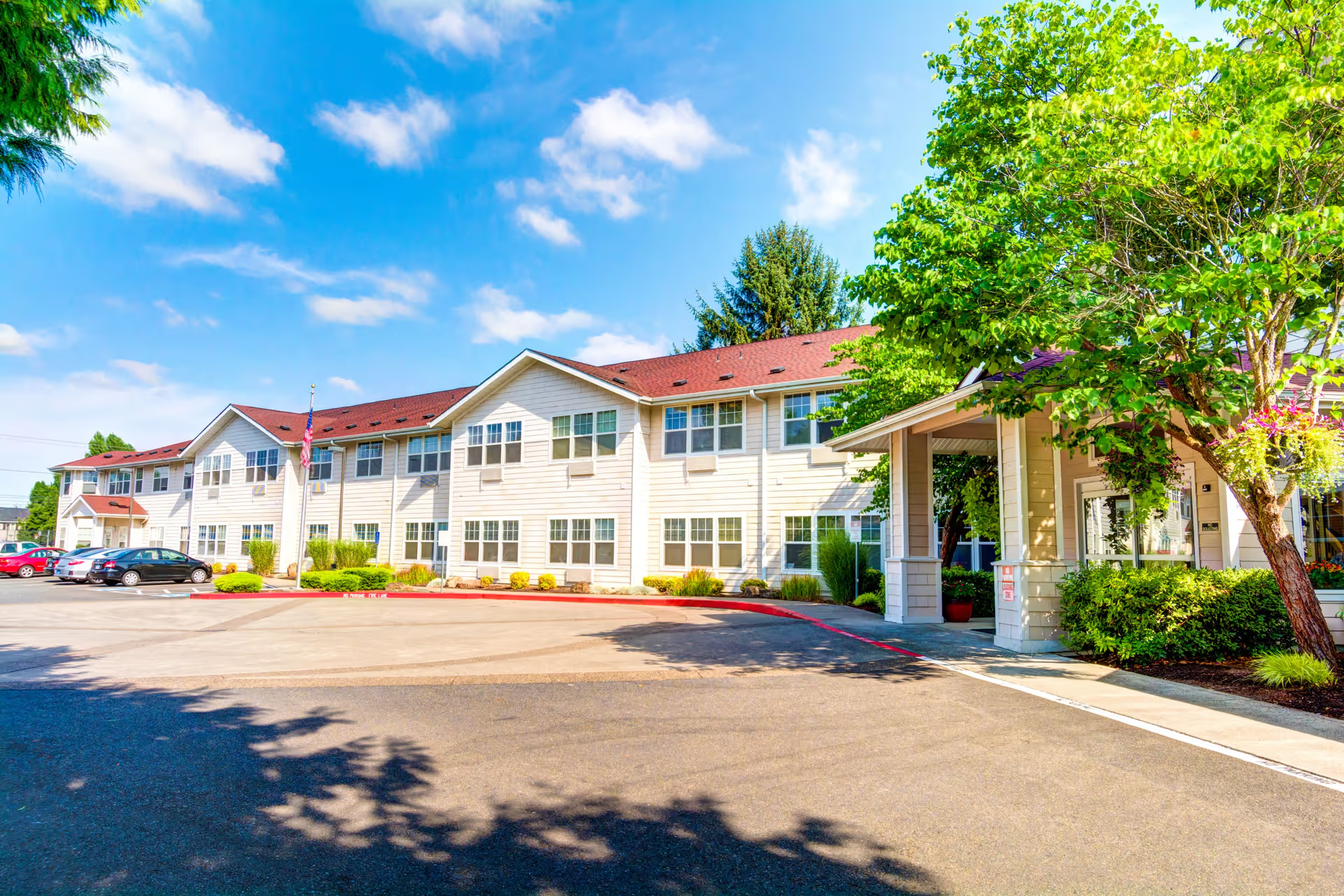
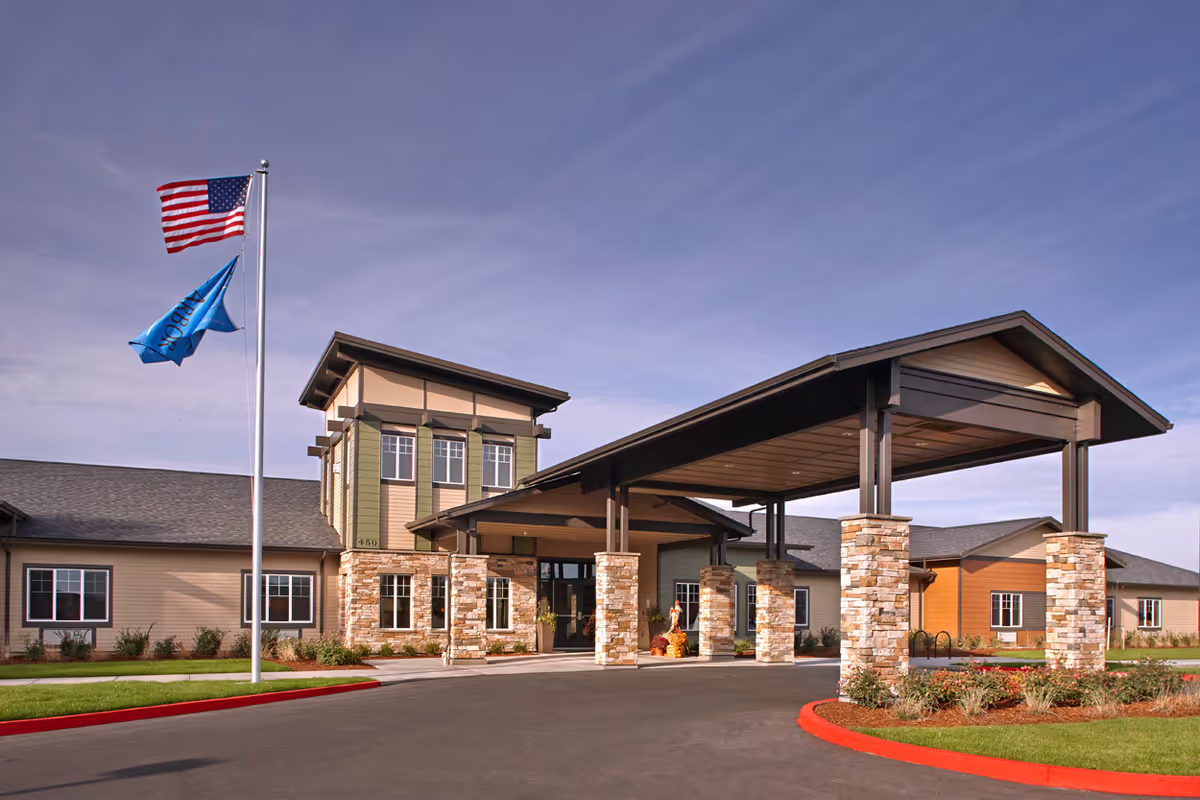
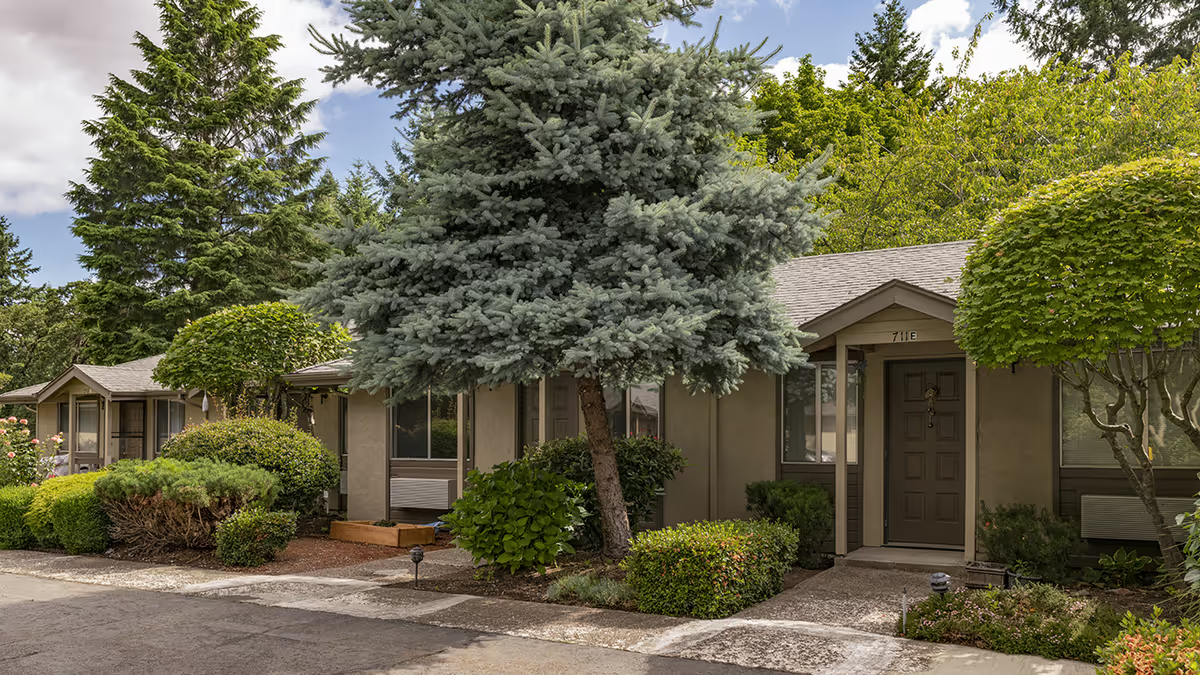
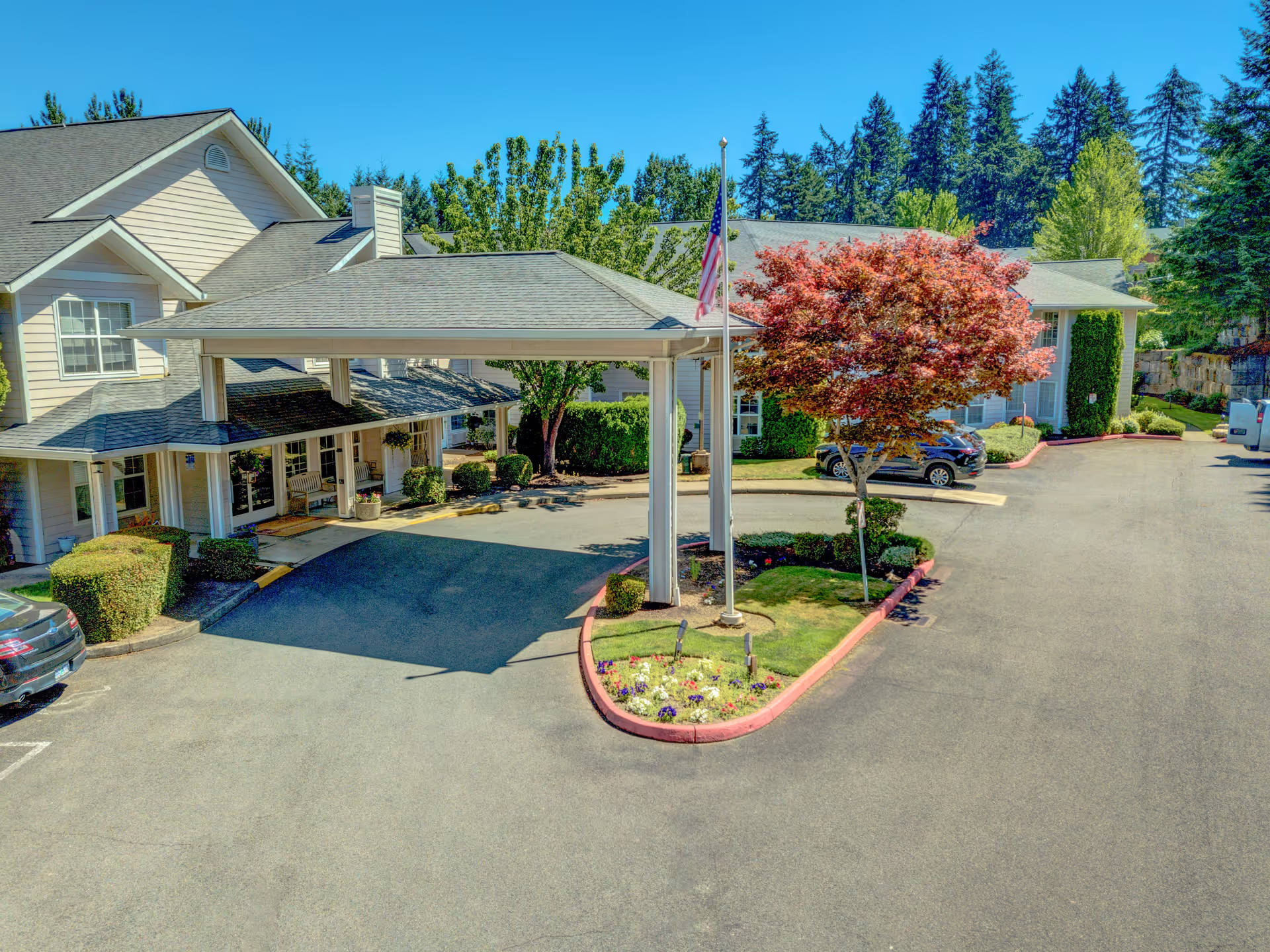
The Springs at Sunnyview presents as a small, lodge-style senior community with a consistently described homelike and welcoming atmosphere. Reviewers emphasize a compact population (around 75 residents) that facilitates frequent name-based recognition and neighborly connections; many note an easy social integration at move-in and regular opportunities to build friendships. The campus appearance and interior common areas are frequently characterized as clean, attractive and resort-like, with a variety of housing options including studios, apartments with full kitchens and some two-bedroom cottages.
Staff and care are typically described positively. Families and residents emphasize personalized attention, staff who know residents by name, and a number of long-tenured employees. Clinical coverage is noted as robust with 24/7 skilled on-site staff and emergency-call systems in apartments, which reviewers associate with a sense of safety and capability to manage changing care needs. That said, the community does not offer a full on-site assisted-living level for every need, so prospective residents should confirm care-level availability and transition plans if they anticipate progressing care requirements.
Dining is a prominent strength: chef-prepared meals, a salad bar, dessert offerings and a generally favorable view of food quality appear across accounts. Several reviewers highlight family-style dining and staff who dine with residents as contributors to the social environment. There are, however, operational notes around dining: occasional turnover among dining-room staff and requests for expanded menu alternatives or clearer nutrition guidance for cooks were mentioned, suggesting variability in culinary staffing and menu management.
Programming and activities are widely praised. The community offers a broad calendar that includes live music, museum outings, shopping trips, exercise classes, bingo and other social events; reviewers frequently cite laughter, engagement and a high level of resident participation. The smaller community size supports frequent, well-attended events, though a few comments indicate that residents seeking a very large or highly specialized program roster may find the range limited by the facility’s scale.
Operational issues that prospective residents should evaluate include maintenance responsiveness and pest-control practices. A small number of accounts describe delayed attention to maintenance requests and at least one unit-level pest-control concern; these point to a need to confirm current maintenance response protocols and pest-management policies. Price and unit-size considerations also recur: some residents noted affordability pressures and smaller personal living spaces — so reviewing unit layouts, rental/fee structures and availability of larger units is advised. Location-specific factors (proximity to a high school and nearby areas perceived as less desirable) were raised by a few reviewers and may matter depending on personal priorities.
Overall impression: the facility is well suited to people who prioritize close community ties, personalized staff relationships, quality dining and an active calendar in a clean, lodge-like setting. Families typically recommend the community for its responsiveness and social environment, while prospective residents with escalating medical needs, strong budget constraints, expectations for very large-scale programming, or concerns about unit-level maintenance/pest response should conduct targeted follow-up questions and inspections before committing.