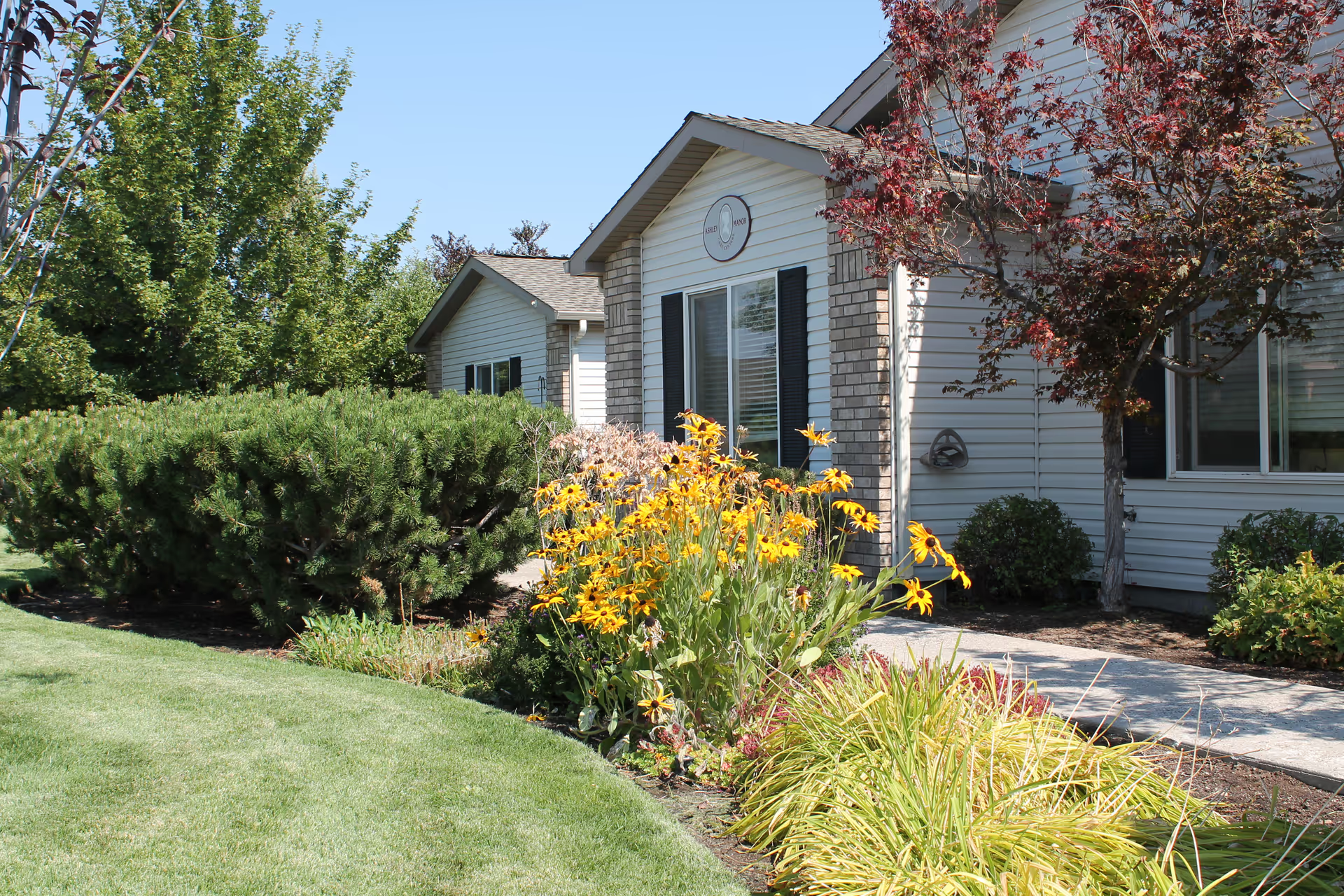
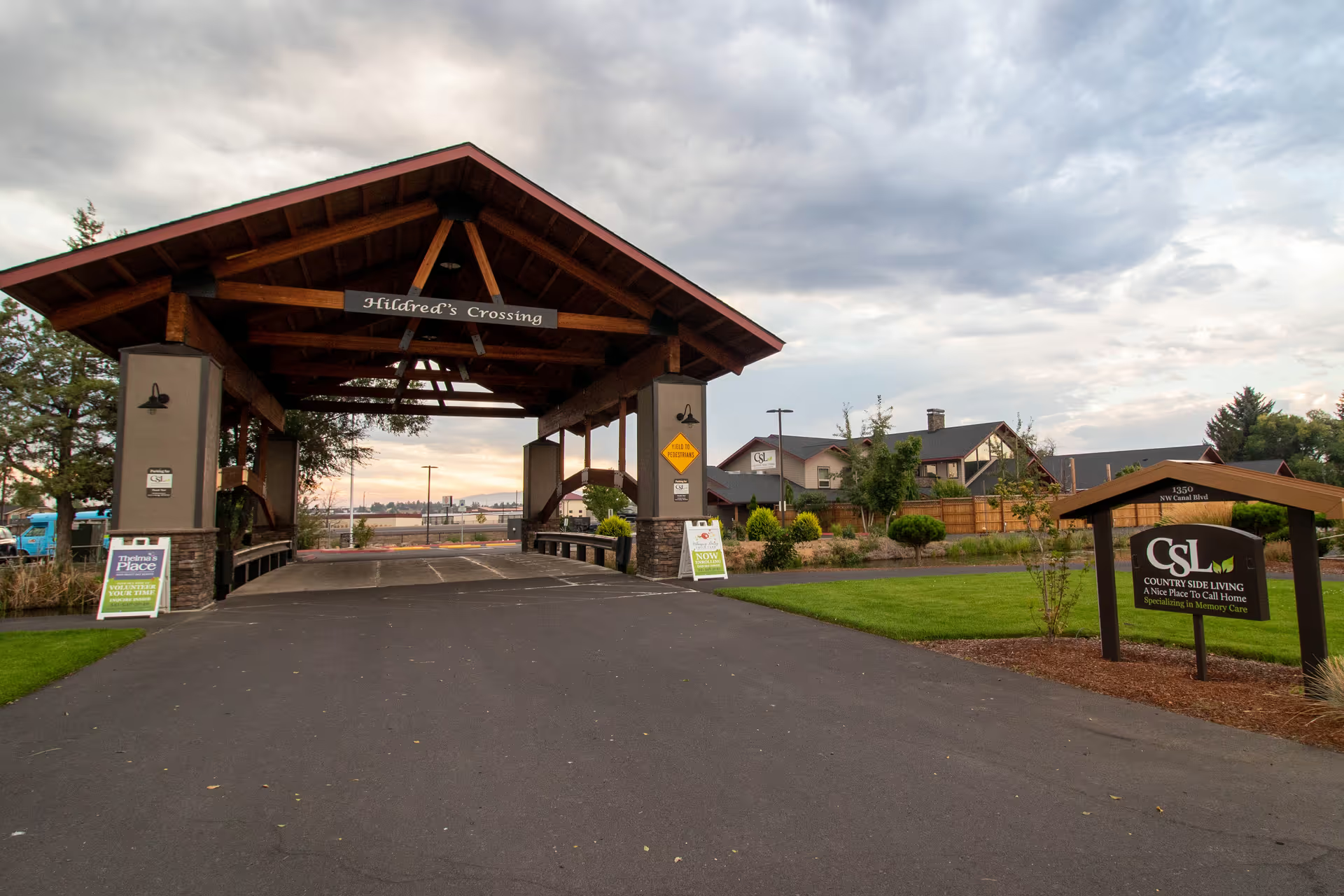
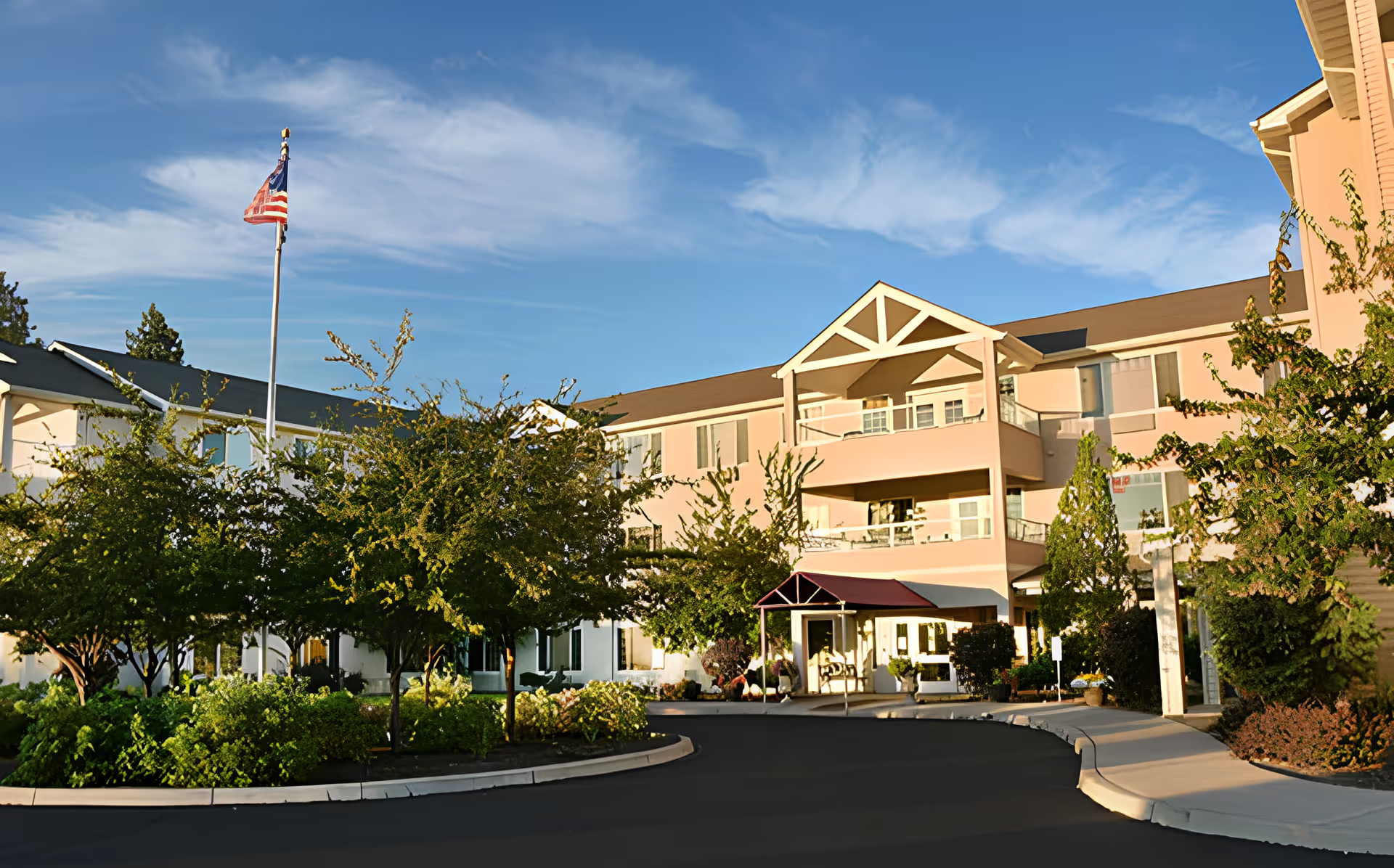
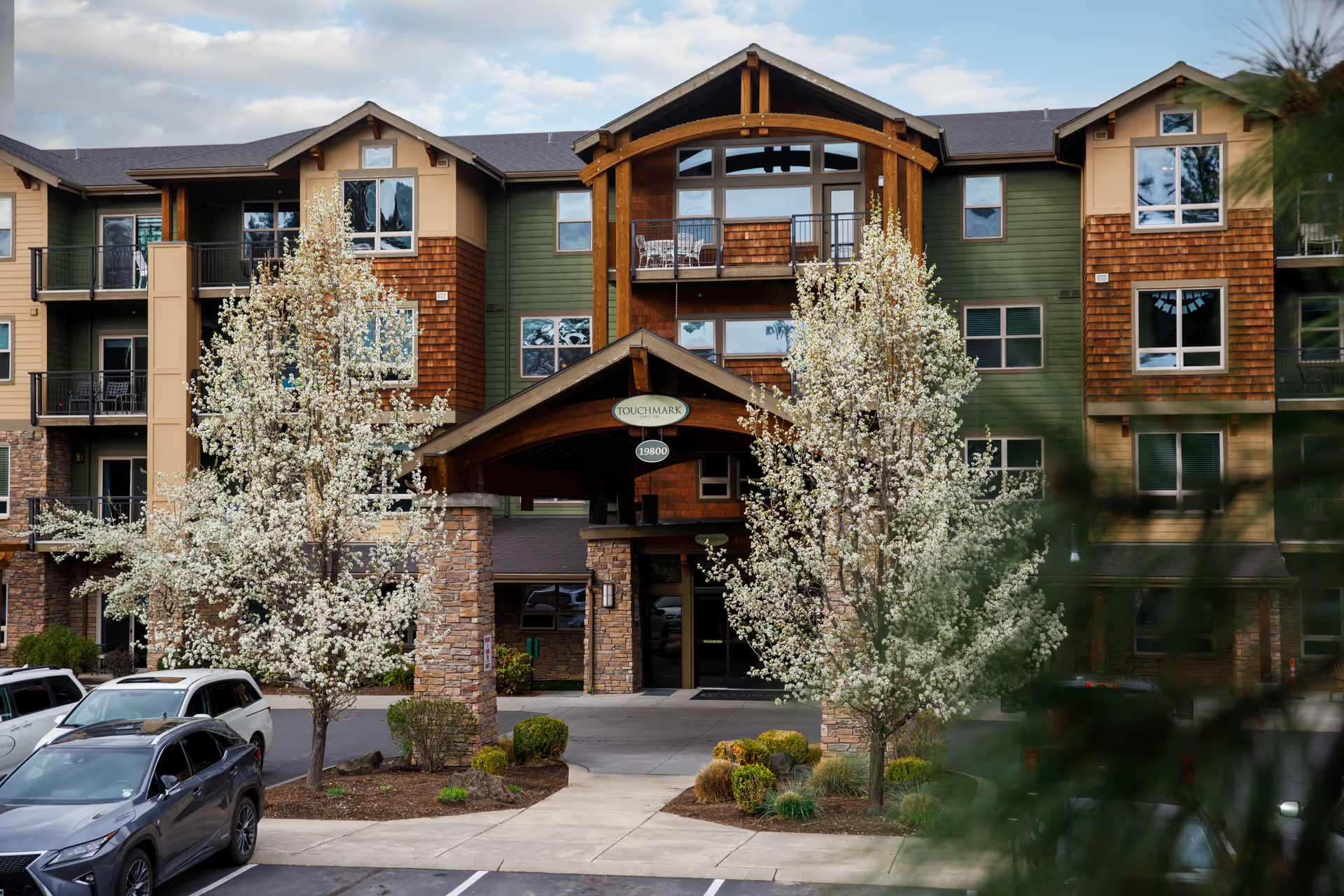
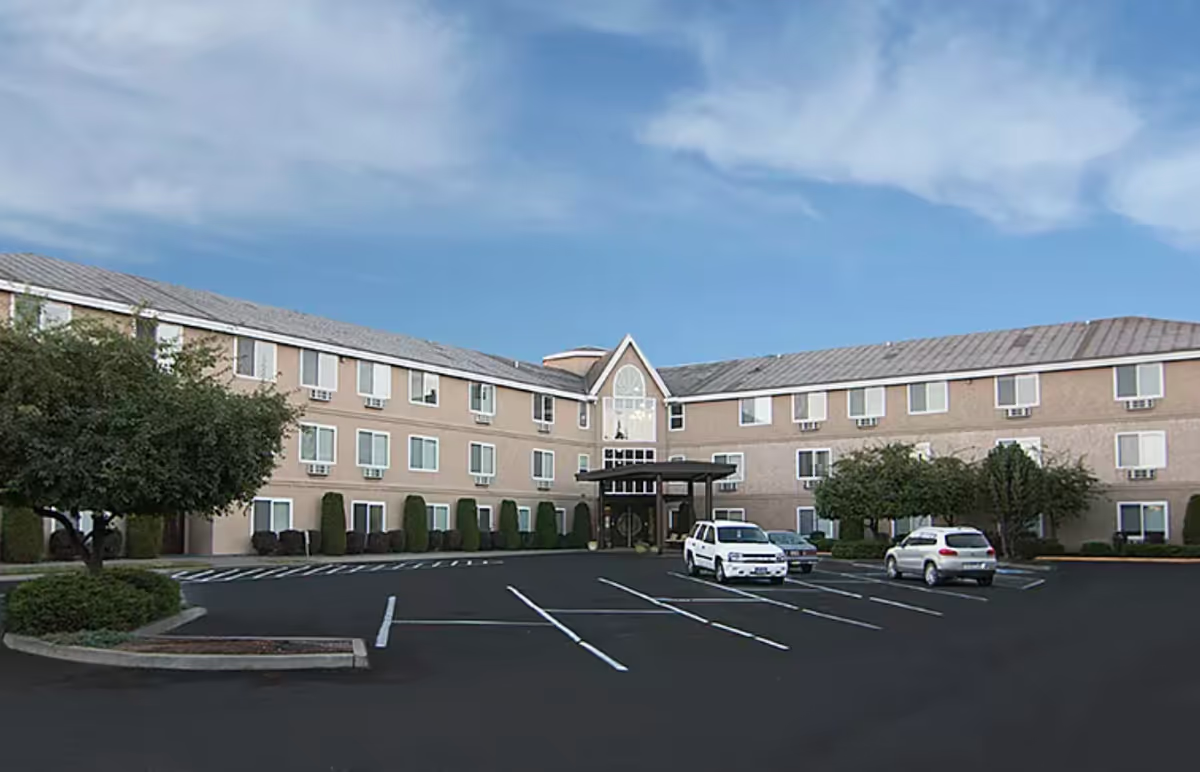
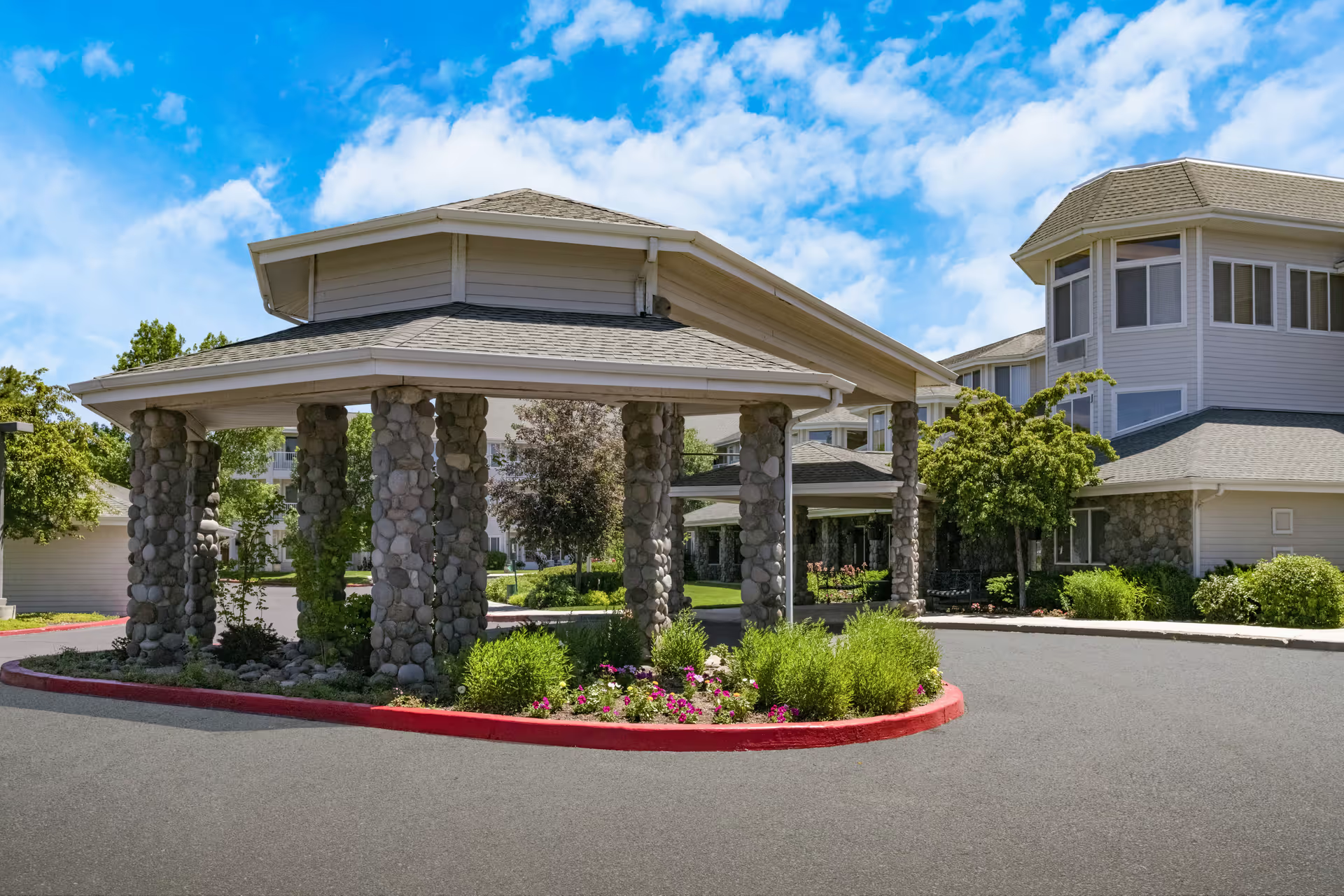
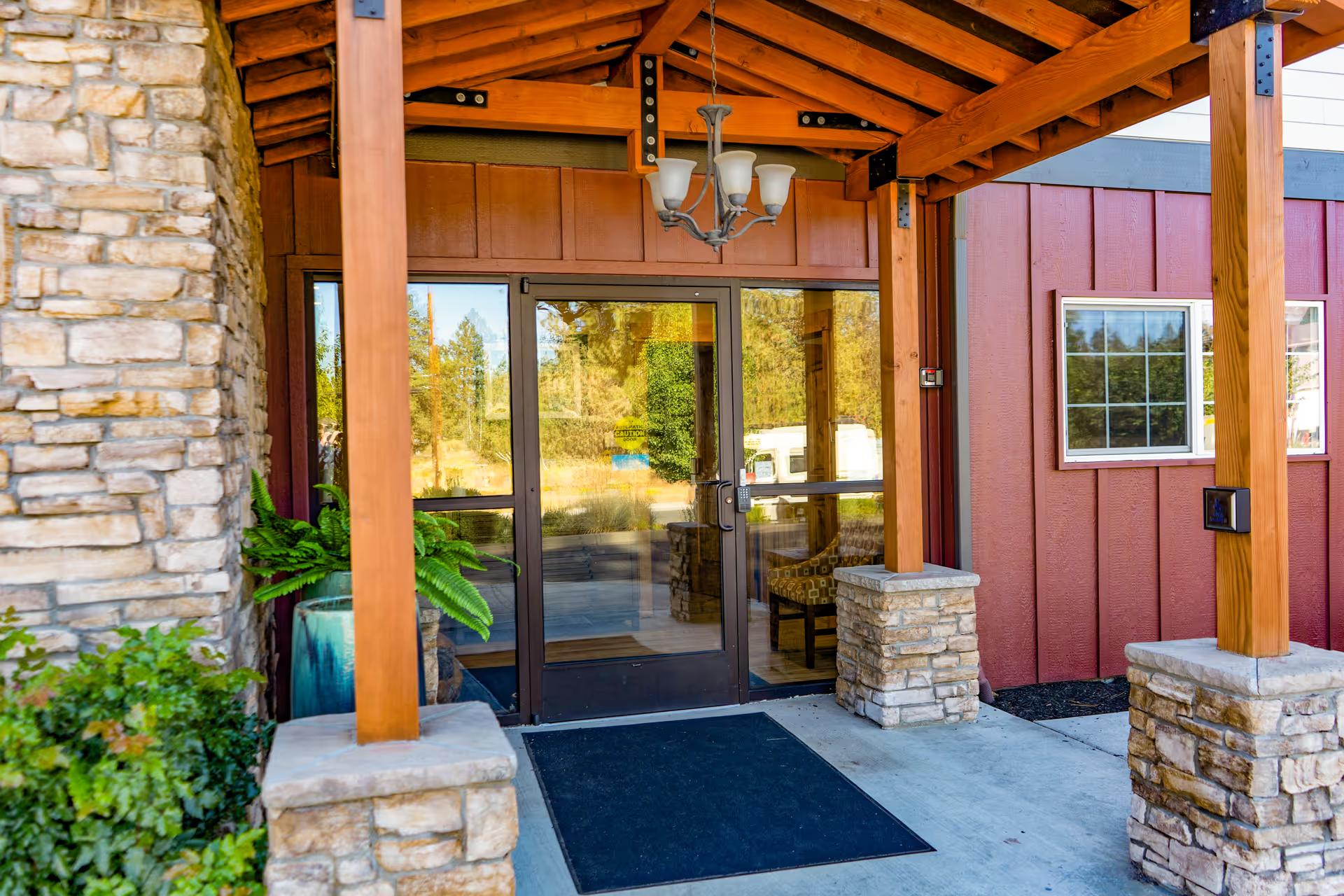
The Lodge Retirement Community is presented consistently as a newly built (2019), lodge‑style independent and assisted living option with strong emphasis on hospitality, aesthetics and social programming. Review content emphasizes the facility’s bright, airy architecture—high ceilings, central fireplace, curated art, and upscale lighting—and a suite of amenities that includes a theatre, activity room, fitness area, salon and opportunities for massage. Apartments are described as spacious, ground‑level with private patios and attractive mountain views, and the single‑level layout supports easy access to shared spaces and outdoors.
Staff and community life are prominent strengths in the feedback. Reviewers emphasize compassionate, responsive caregiving staff and an active, energetic activities program led by a highly praised director. The community tone is characterized as warm, home‑like and socially engaging, with frequent references to well‑organized outings, music and arts programming, recurring events and a family atmosphere. Cleanliness, helpful admissions tours, and positive resident interactions are also commonly noted.
Dining is repeatedly highlighted as a positive operational feature: an on‑site chef, restaurant‑style meals, a varied menu and appealing daily specials. Multiple comments single out quality of food service and event catering, which contributes to the overall hospitality or boutique feel that many visitors associate with the Lodge.
On care and clinical services, there is an important operational limitation: the facility does not maintain on‑site nursing or a memory‑care unit. Available clinical supports appear to rely on private contractors rather than internal clinical staff. This creates a clear boundary in the level of medical and memory supports available on campus and means prospective residents requiring regular clinical oversight or specialized memory care should consider that gap when evaluating the community.
A pattern of concern in the feedback relates to administrative and payer issues. Some accounts point to license changes and consequences for residents on Medicaid, and to questions about how those changes were communicated to families and prospective residents. These items suggest potential instability or at least a need for clearer, more consistent communication around licensing status and payer eligibility. Prospective residents and families should seek up‑to‑date written information on licensing, Medicaid acceptance and contingency plans for clinical needs before committing.
Overall, the Lodge presents as a well‑appointed, hospitality‑oriented community with strong staff engagement, robust activities and highly regarded dining. Its suitability is strongest for independent and assisted‑living residents who prioritize social programming, high‑quality meals and a resort‑like environment. Families seeking significant on‑site clinical care or memory‑care services should evaluate other options or validate external clinical arrangements; likewise, confirm current licensing and Medicaid policies directly with administration to ensure alignment with individual care and payment needs.