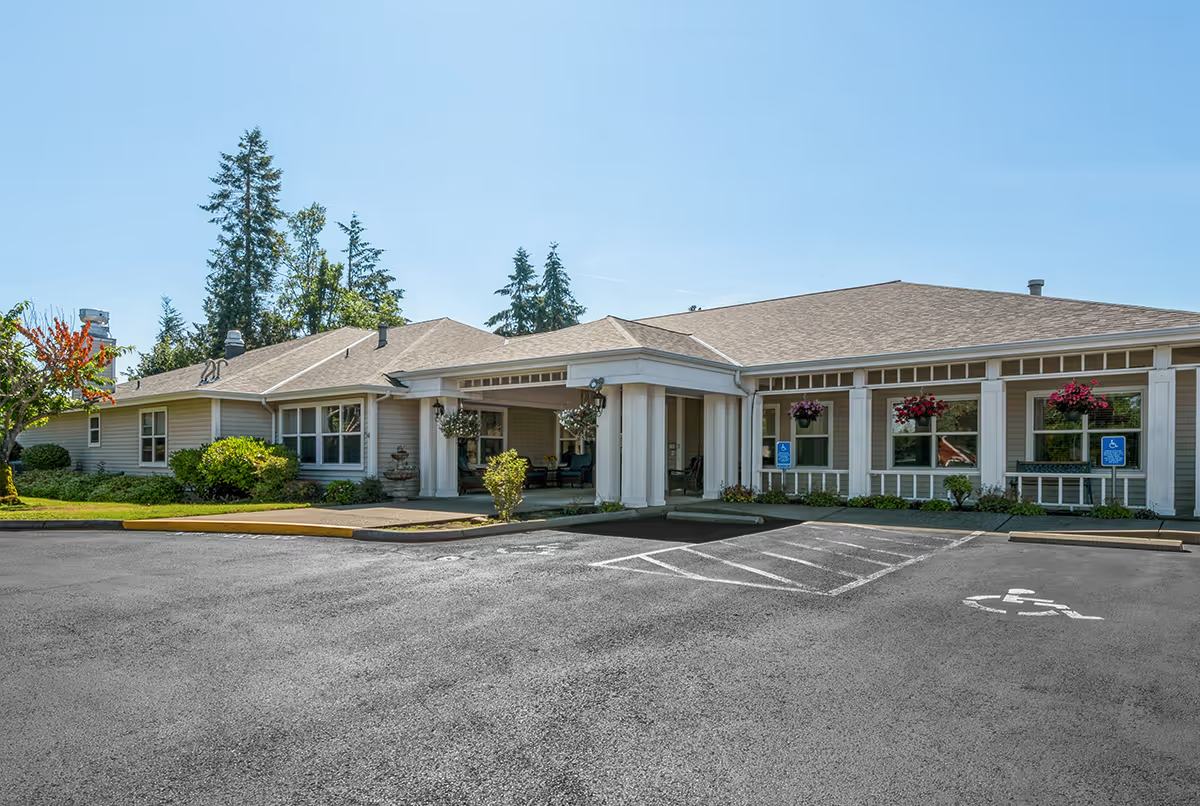
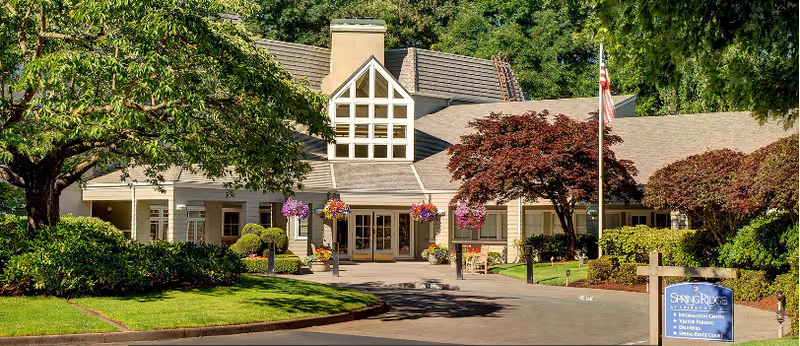
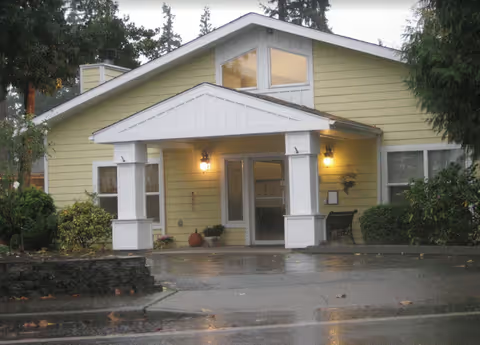
The reviews describe a facility with clear strengths in hands-on, dementia-aware caregiving and a small, family-like atmosphere. Many comments highlight compassionate, experienced staff who provide individualized, one-on-one attention in a secure locked-unit setting designed for residents with memory impairment. Physical features that reviewers found positive include private rooms with en-suite bathrooms, accessible kitchen and dining areas, and cozy common spaces that contribute to a homelike environment. Several reviewers also praised educational programming, family engagement, and an administration team viewed as knowledgeable and approachable.
At the same time, a number of strong concerns appear across reviews that prospective families should consider. These include ongoing maintenance and upkeep issues affecting both interior and exterior spaces, and sanitation and pest-control concerns in resident areas. Dining quality is described as inconsistent, and there are specific notes that meal preparation may not meet the needs of residents requiring texture-modified or tooth-friendly options. Reviewers also described variability in care outcomes, suggesting uneven performance across residents and shifts.
Management and operational reliability are recurring themes. While some families commended administrative staff, others described managerial instability and organizational disarray; turnover in leadership was highlighted as a potential loss for the memory-care program. Safety and incident-prevention practices were questioned in several accounts, indicating possible gaps in environmental safety, transfer protocols, or oversight that warrant direct inquiry during a visit. The facility’s secure, locked-unit design is a strength for memory care but may feel restrictive to some families or residents, depending on individual preferences.
Overall, the pattern of feedback is mixed: strong praise for staff compassion and a homelike culture sits alongside serious operational and maintenance concerns. Prospective residents and families should weigh the caregiving strengths against the facility-level operational issues. When evaluating this community in person, consider asking specific questions about pest-control schedules and recent remediation, routine maintenance plans, menu accommodations for residents with chewing or swallowing limitations, staffing stability and shift continuity, documentation of safety and transfer protocols, and how administration addresses complaints and follows up with families. These targeted inquiries can help clarify whether the facility’s positive caregiving aspects are supported by reliable operational practices.