The set of reviews reflects a polarized view of Legacy Place Cottages: several accounts emphasize strong positives around facility upkeep, dining, and a faith-centered community, while other accounts describe significant operational and interpersonal concerns. Overall, the facility appears to present a high level of environmental quality and an intentional religious orientation, alongside inconsistencies in some aspects of clinical practice and staff communication.
Care quality and staff: Many reviewers characterize frontline staff as compassionate and caring, with particular staff members named positively for their attentiveness. Personalized personal-care services and a welcoming resident culture are recurring compliments. At the same time, there are repeated concerns about inconsistent staff responsiveness and communication tone; some families described interactions that they found uncaring or unresponsive. There are also indications of variability between individual caregivers, suggesting that experience may depend on which staff members are assigned. Operationally, reviewers raised issues around medication administration and med-tech training, indicating a need for clearer, more consistent clinical training and supervision.
Dining and activities: Reviewers consistently praise the meal program, describing high-quality meals and flexibility in dining times supported by an open kitchen layout. The facility’s ability to support virtual participation via Zoom was noted positively for family engagement and programming. Religious programming tied to Jehovah’s Witness faith appears to be a central feature and an important activity for many residents; this contributes to a sense of community for those who share that faith but may be experienced differently by non-adherents.
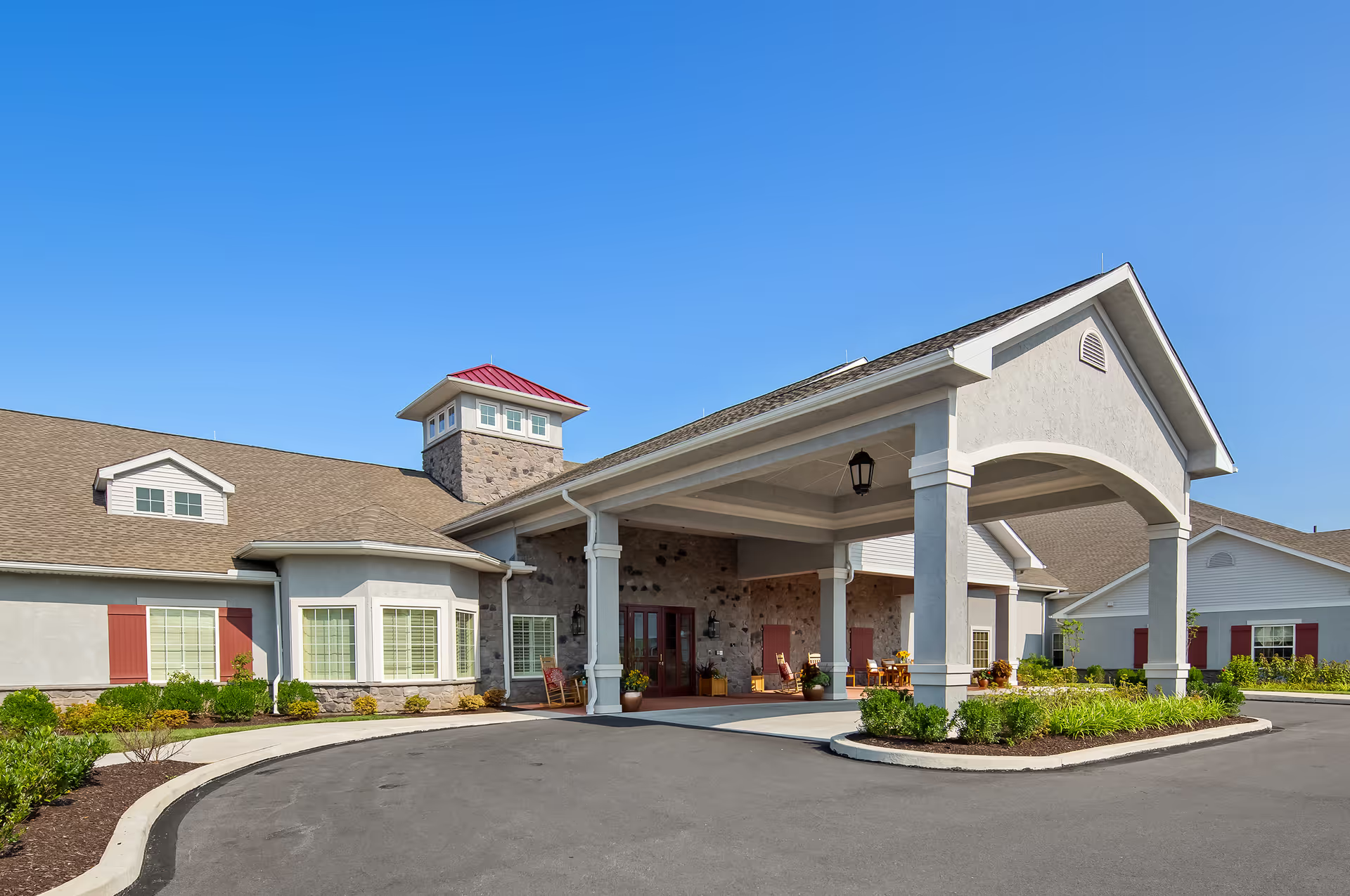
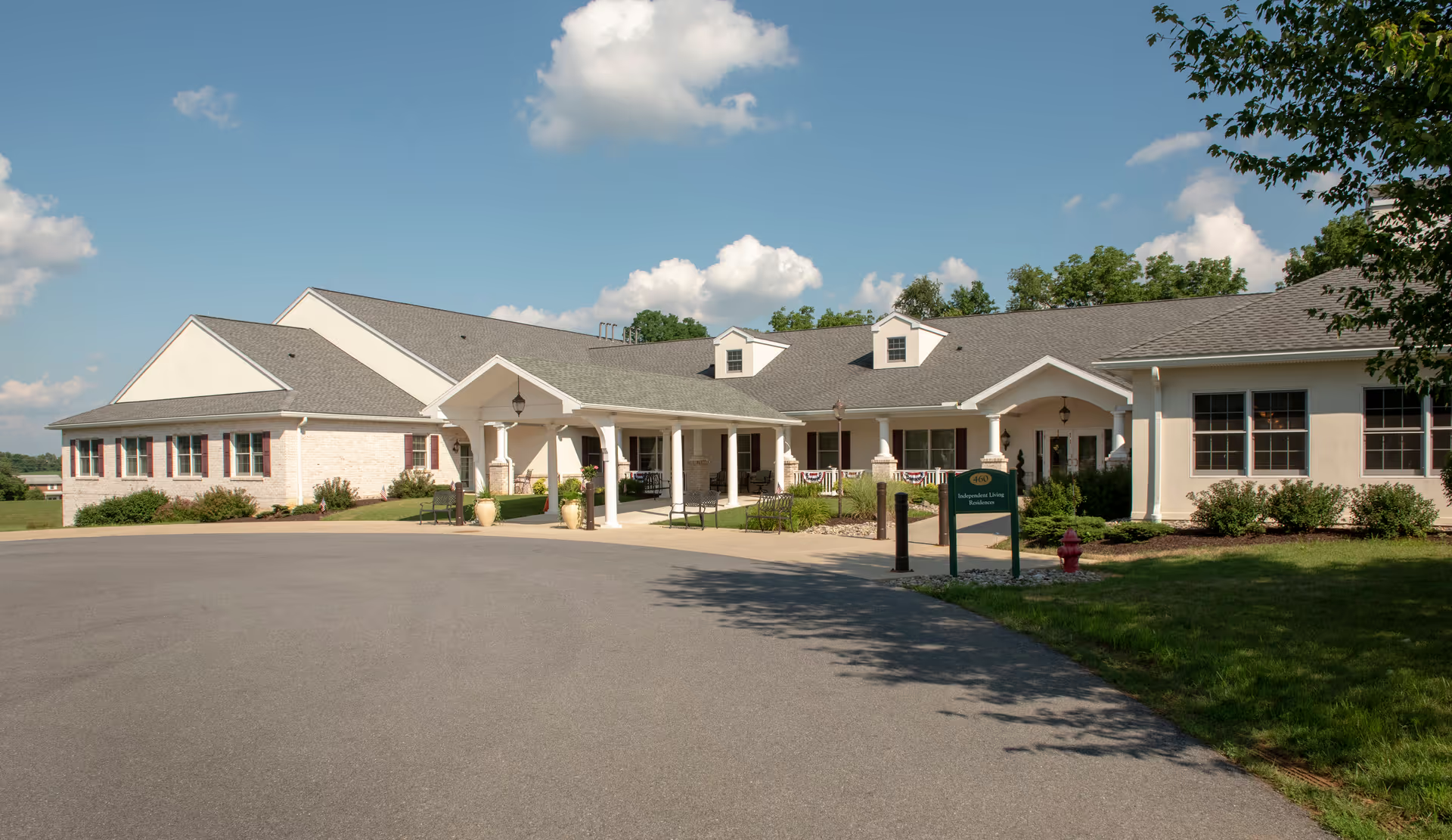
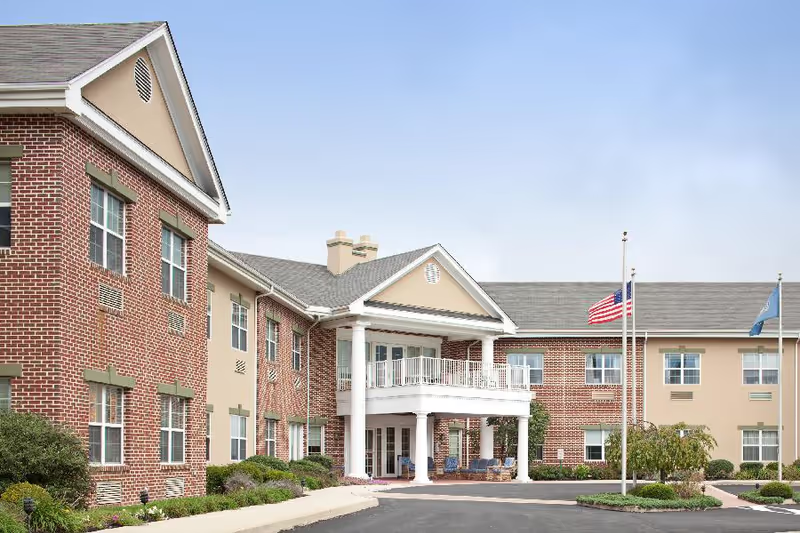
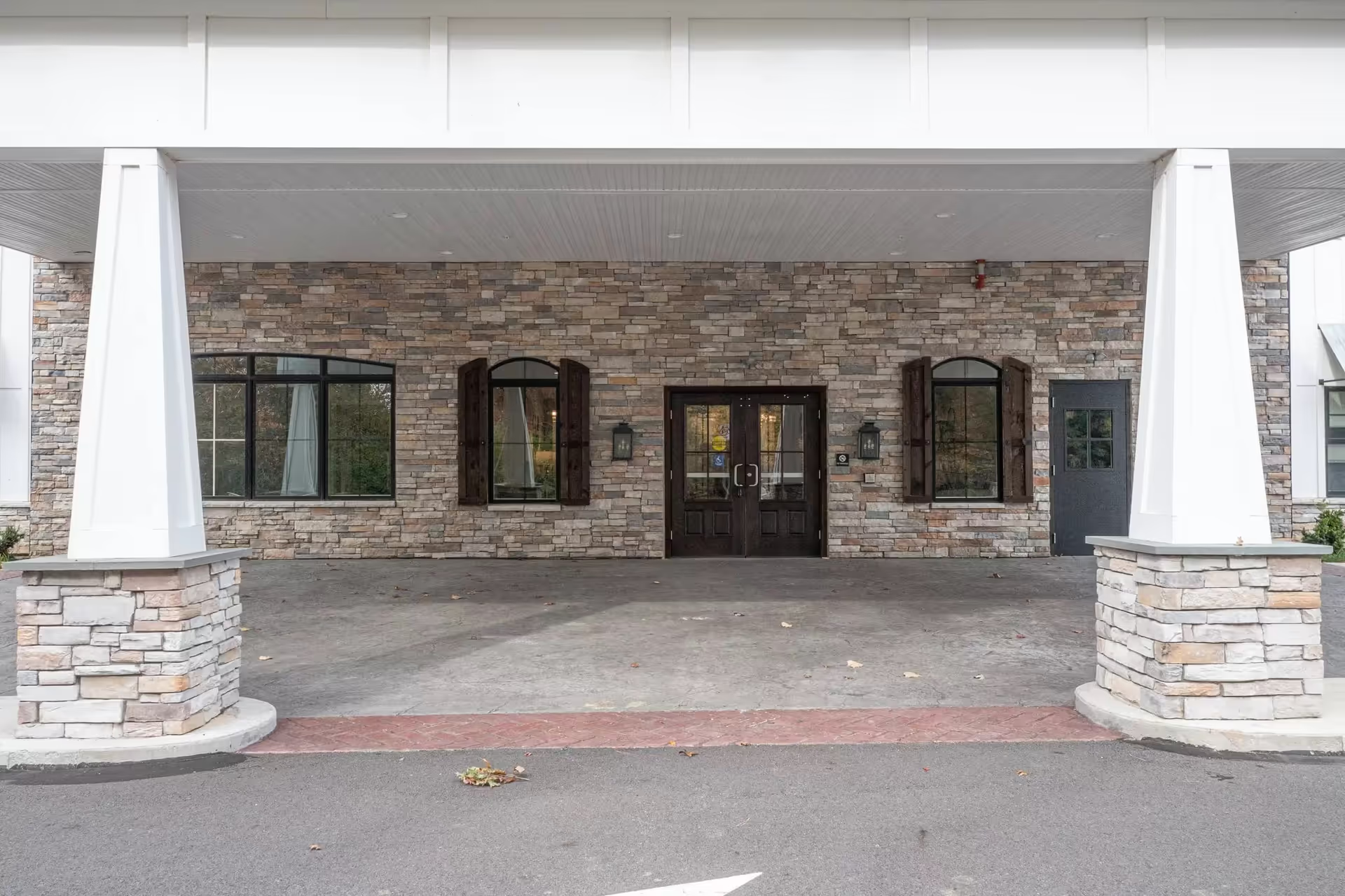
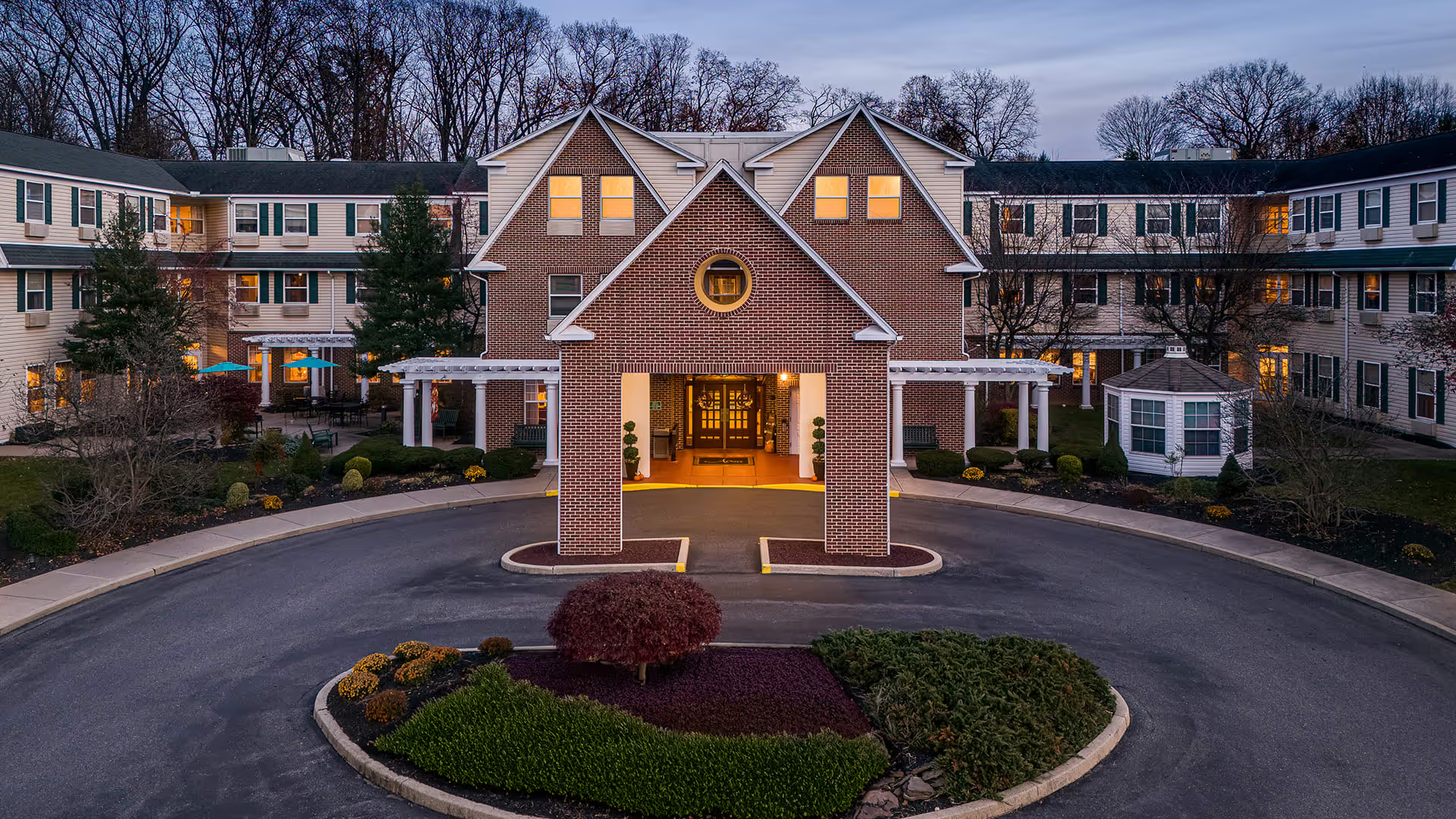
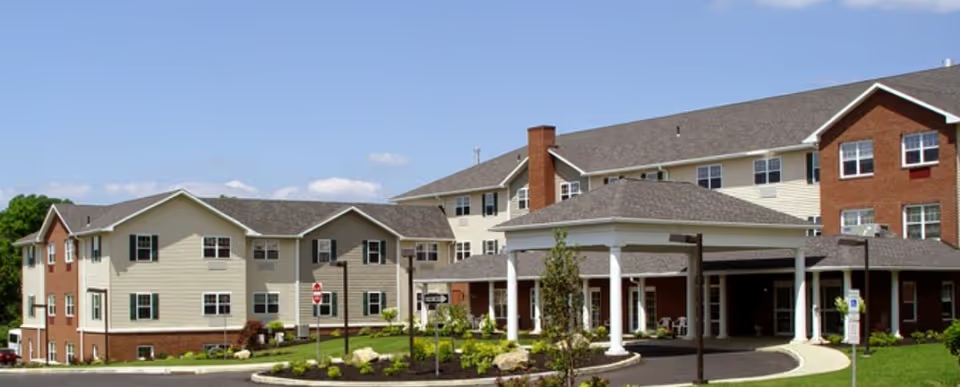
Facilities and safety: The physical environment is frequently described as well-maintained and very clean, with a home-like atmosphere and a small, community-oriented scale. Security measures were described as strong by some reviewers. The presence of an on-site dementia-care building nearby was noted as a convenience and strength for families seeking proximity to higher-level memory care.
Management, policy, and notable patterns: Several reviews raise operational concerns around hiring and interview procedures, including short, inconsistent interviews, long waits, and poor follow-up communication. Reviewers also described gaps in privacy and information-sharing protocols, and some accounts describe escalation practices that involved law-enforcement intervention following resident- or applicant-level incidents. In one serious account an individual described an alleged wrongful accusation and police involvement; such claims suggest a need for clearer grievance-resolution processes and stronger protocols for handling conflicts while preserving resident and applicant privacy. Additionally, some reviewers perceived cultural or racial bias in interactions and decision-making, and others felt there was pressure to conform to the facility’s religious orientation. These patterns point to the importance of more consistent staff training on cultural sensitivity, privacy, and de-escalation.
Bottom line: For families and prospective residents who prioritize a clean, well-maintained, Jehovah’s Witness–centered environment with strong meals, welcoming residents, and close dementia-care proximity, Legacy Place Cottages has notable strengths. However, the facility may benefit from improvements in clinical training consistency, privacy and incident-handling protocols, standardized hiring/interview practices, and staff training on cultural sensitivity and communication. Prospective residents and their families should visit, ask about medication-training and incident-escalation policies, clarify how religious programming is implemented, and request examples of staff-training and grievance procedures before making a placement decision.