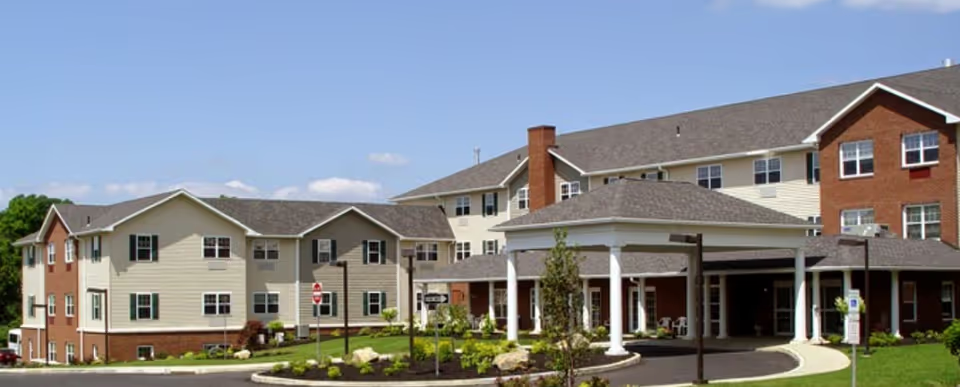
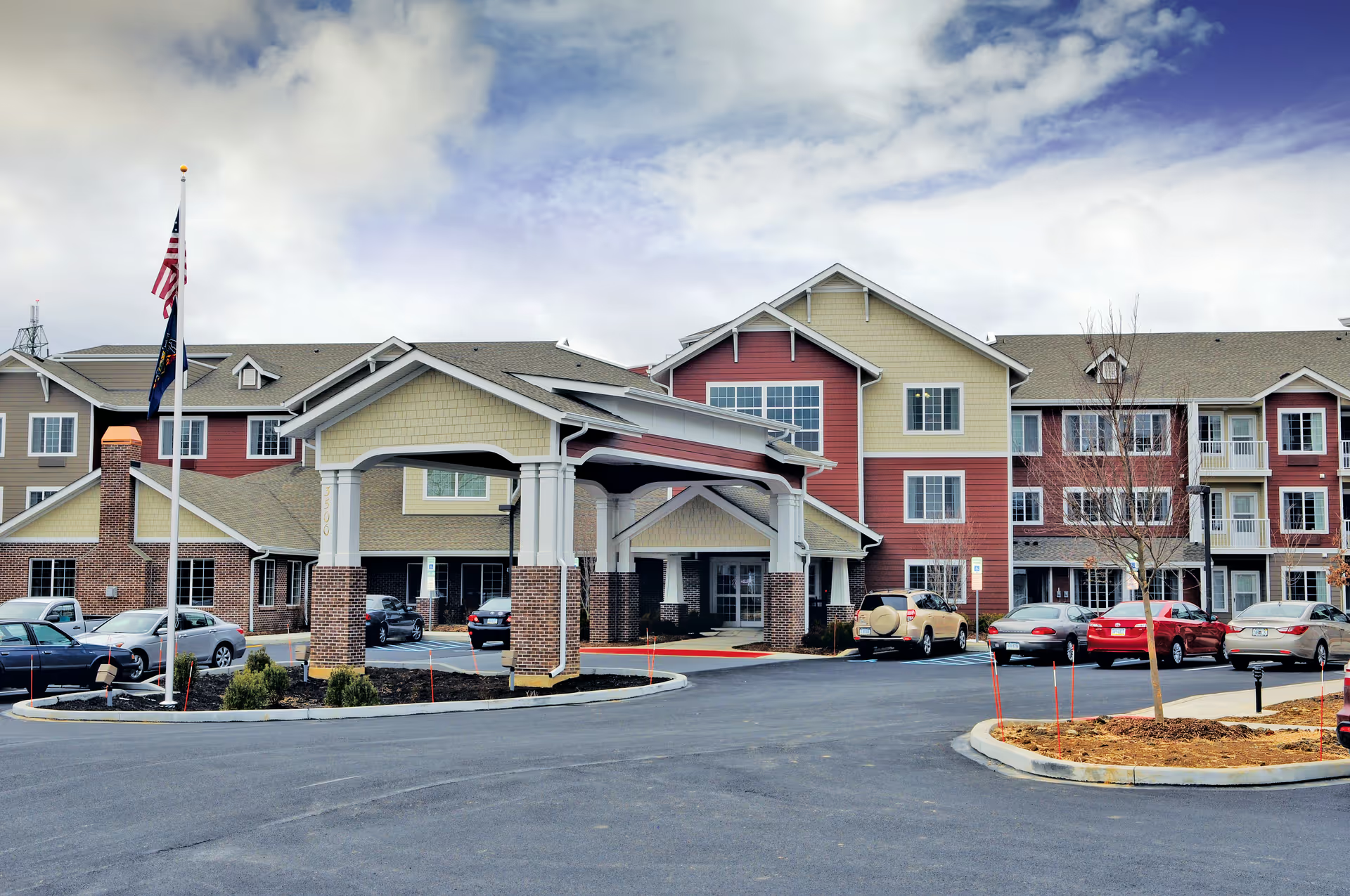
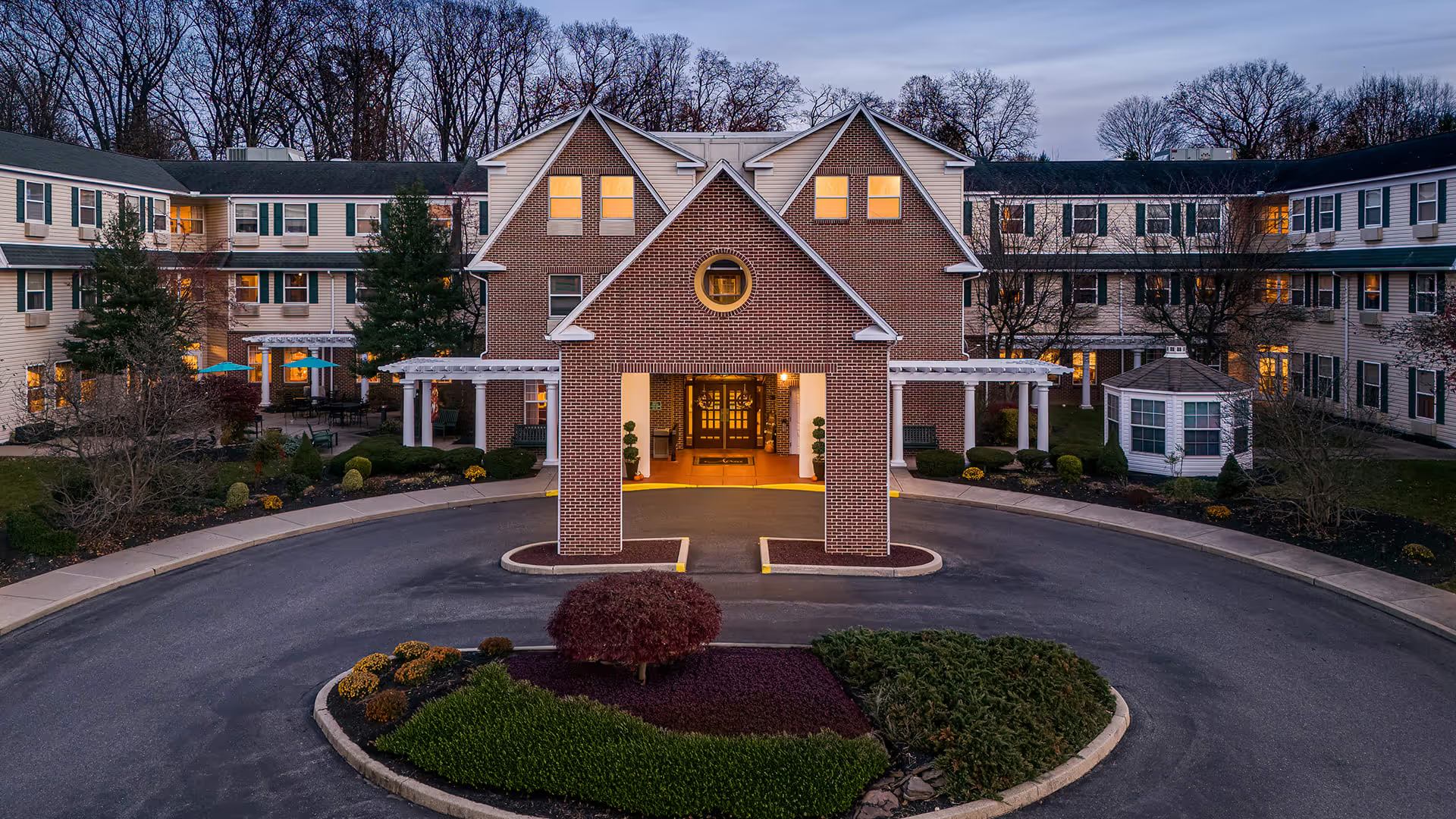
Overall impression: The Vero at Bethlehem is frequently described as a new, well-appointed community with a bright, resort-like appearance and extensive amenities. Families and visitors consistently highlight the building’s modern design, tasteful decor, abundant natural light, and a clean, well-maintained environment. On-site features commonly noted include a salon, gym, movie/theater space, bistro/restaurant-style dining, therapy/rehabilitation facilities, landscaped walking paths, and a secure memory-care neighborhood. The community markets an active lifestyle with daily programming, musical entertainment, resident outings, and plans for expanded transportation options.
Staff and care quality: A dominant theme across the feedback is praise for the staff’s warmth, responsiveness, and professionalism. Reviewers describe tour teams, nursing and dining staff, and therapists as attentive and willing to go above and beyond; several accounts specifically note helpful transition support and proactive therapy that improved mobility. Leadership is often characterized as engaged and responsive. However, there are recurring operational concerns: staff turnover, instances of inexperienced caregivers, and variability in onboarding/readiness during move-in. These operational gaps appear to affect consistency of care, and reviewers express particular concern about dementia-specific competency. While the memory-care neighborhood is described as secure and physically sizable in some comments, there are also descriptions that point to gaps in Alzheimer’s/dementia training and programming, and a few families found the memory-care environment unsettling rather than calming.
Dining and food service: Dining is a mixed area. The community’s restaurant-style dining model, menu ordering, and attractive dining rooms are widely appreciated. At the same time, many reviewers described inconsistent meal quality — examples include bland or reheated dishes and variability between freshly prepared meals and cafeteria-style service. Comments referencing kitchen staffing and chef compensation suggest operational instability in food preparation and service continuity. Prospective residents should plan a focused tasting and follow-up questions about kitchen staffing, meal schedules, and accommodations for specific dietary needs.
Activities, amenities, and living spaces: Activity programming and social offerings are clear strengths: organized outings, entertainment, scheduled daily activities, and a responsive therapy department contribute to an engaged resident population. Apartments and common areas are generally described as spacious, bright, and well laid out, though there are notes about variability in apartment sizes and at least some smaller bedroom footprints. The community is pet-friendly and offers outdoor walking paths and leisure spaces that support quality-of-life goals for ambulatory residents.
Cost, value, and notable patterns: Price is a consistent consideration; several comments describe the community as expensive or having higher charges than nearby alternatives. Many families nevertheless felt the premium was justified by the building, amenities, and attentive staff, while others questioned value given the dining inconsistencies and dementia-care gaps. Tour and admissions experiences vary: many visitors praise non-sales-focused, informative tours and caring contacts, while others encountered unsatisfactory tours or unprepared staff during move-in. Prospective residents and families should prioritize an in-person tour, meal sampling, a review of dementia-care programming and staff training, and a clear discussion of fees and what is included to evaluate fit.
Bottom line: The Vero at Bethlehem presents as a modern, amenity-rich community with a strong emphasis on hospitality and active living. Its principal strengths are facility quality, friendliness of staff, therapy services, and programming. Operational shortcomings center on dining consistency, dementia-care training and programming, staff stability, and cost. These trade-offs mean the community may be an excellent fit for residents seeking a bright, activity-focused environment with robust therapy services, but families prioritizing specialized Alzheimer’s care or consistent culinary offerings should investigate those areas closely during visits and contract negotiations.