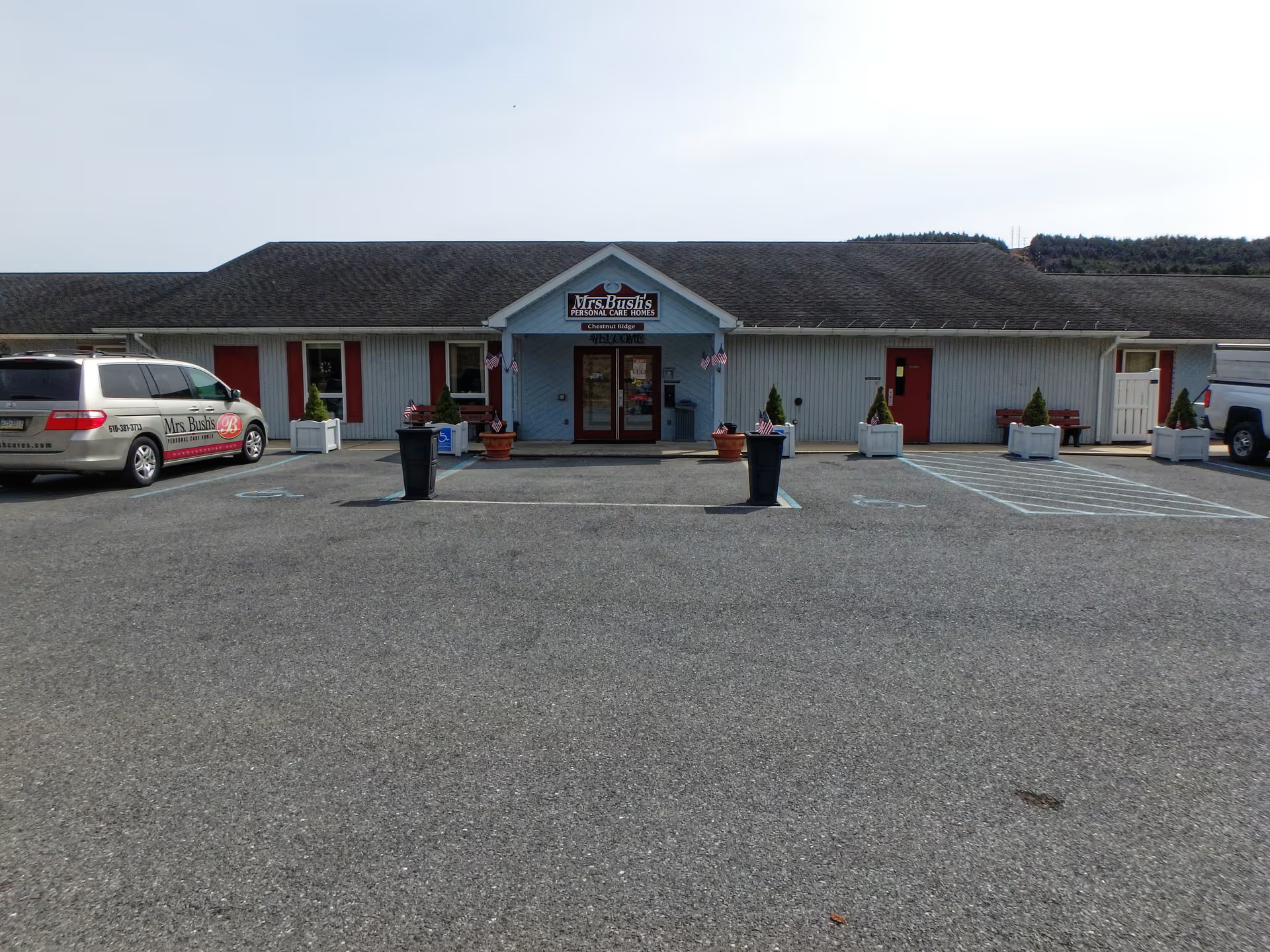
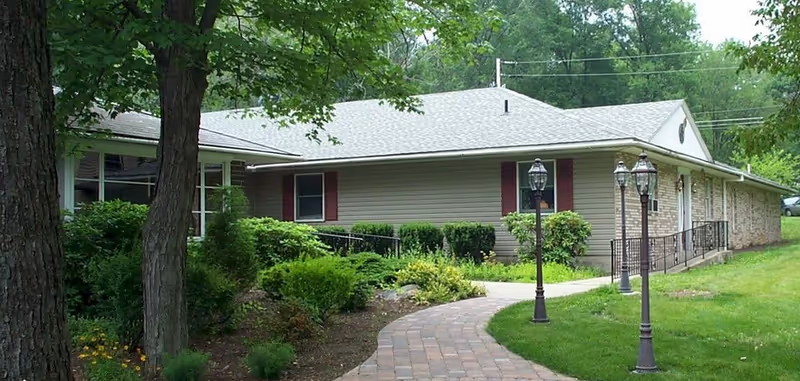
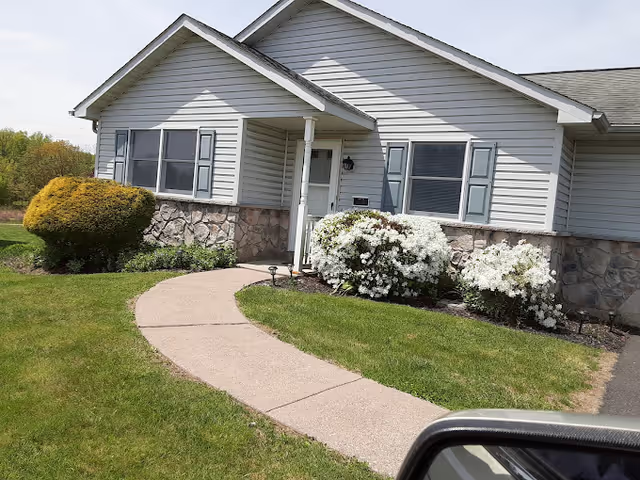
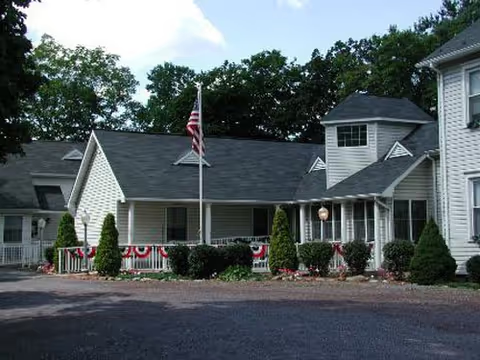
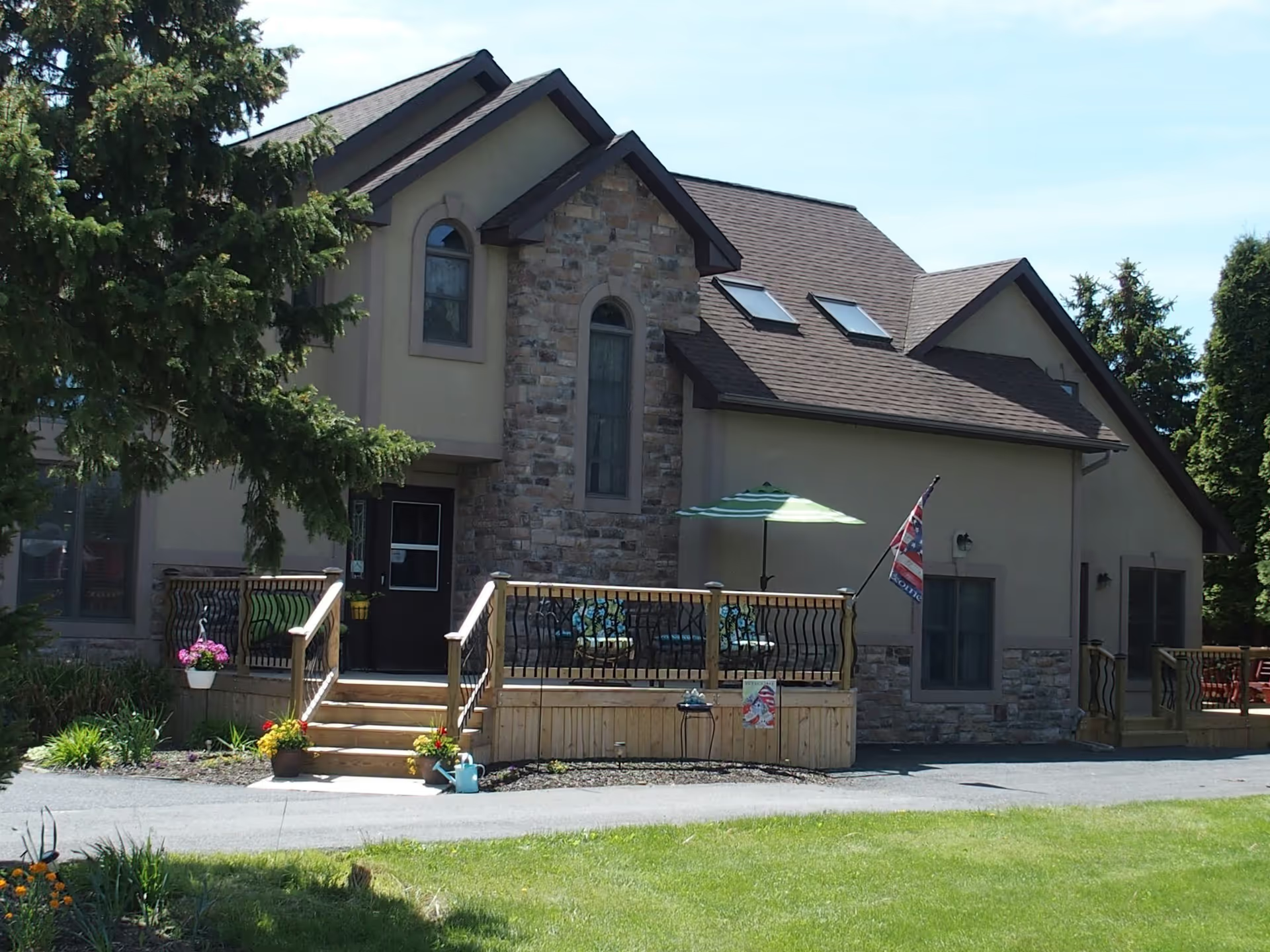
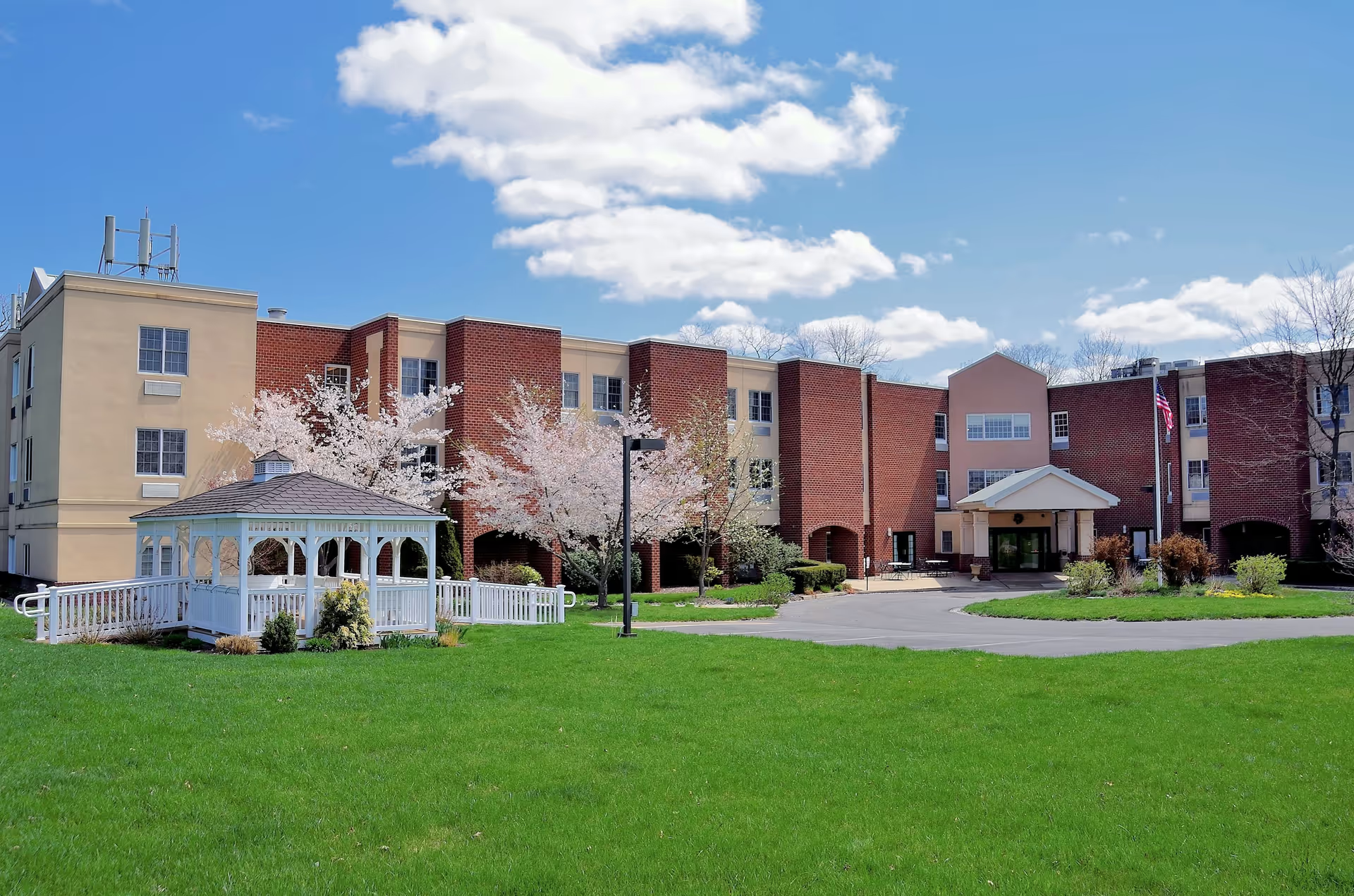
This facility offers a number of tangible strengths alongside operational inconsistencies that prospective families should weigh. Strengths include an onsite RN and visiting-nurse involvement, a secure dementia wing, a compact building scale that many described as residential rather than institutional, and generally clean, well-maintained common areas. Apartments are described as spacious with attached bathrooms and balconies; the two-floor layout that separates higher-acuity assisted living from other units appears to suit families who want clearer care distinctions. The location and small resident census are frequently cited as conveniences that can support more personalized attention.
Care quality and clinical oversight present a mixed picture. Several accounts praise attentive, friendly staff and clinical presence, but there are also specific concerns indicative of systemic medication-management weaknesses. These accounts point to inconsistent medication administration and related transfers to higher-level care; the pattern suggests operational gaps in medication protocols, verification, and documentation rather than a single isolated event. The presence of an RN is a positive element, but families should verify current staffing levels and medication-safety processes during a visit.
Staff interactions and management structure show divergence. Many visitors and families describe staff as warm and helpful, yet other feedback highlights disorganization and uneven professionalism. This inconsistency is reflected in comments about a disconnect between frontline staff and management, which can affect follow-through on care plans and family communications. Prospective residents should ask about staff training, supervision, shift continuity, and how the facility handles escalations and family concerns.
Dining, activities, and ambience are generally adequate but not uniformly distinguished. The dining room and menu choices receive positive remarks for comfort and variety. Activities and outdoor-themed spaces, including balconies, contribute to a tranquil environment for residents who value quiet and small-group interaction. At the same time, several families characterized the decor as dated and less “homey” than competing facilities; this may matter for those prioritizing a warm residential aesthetic.
Facility safety features and overall value are additional considerations. Reviewers noted the absence of certain in-room emergency-call features; families should confirm presence of pull cords or equivalent call systems and review the facility’s emergency response workflow. Cost-versus-service perception also appears as a recurrent theme — some families felt the pricing did not align with the level or consistency of care they expected. For decision-making, validate what services are included in fees, how medication and clinical incidents are tracked and communicated, and the facility’s approach to staffing continuity.
In summary, the community demonstrates strengths in clinical presence, cleanliness, apartment size, and a secure dementia program, with a small, residential scale that appeals to many families. However, recurring operational concerns—especially around medication management, staff organization, management communication, and certain safety features—warrant direct inquiry during a tour. Asking for staffing rosters, medication-safety policies, recent care-plan examples, and a walkthrough of emergency-call systems will provide clearer insight into whether the facility’s strengths align with your needs and expectations.