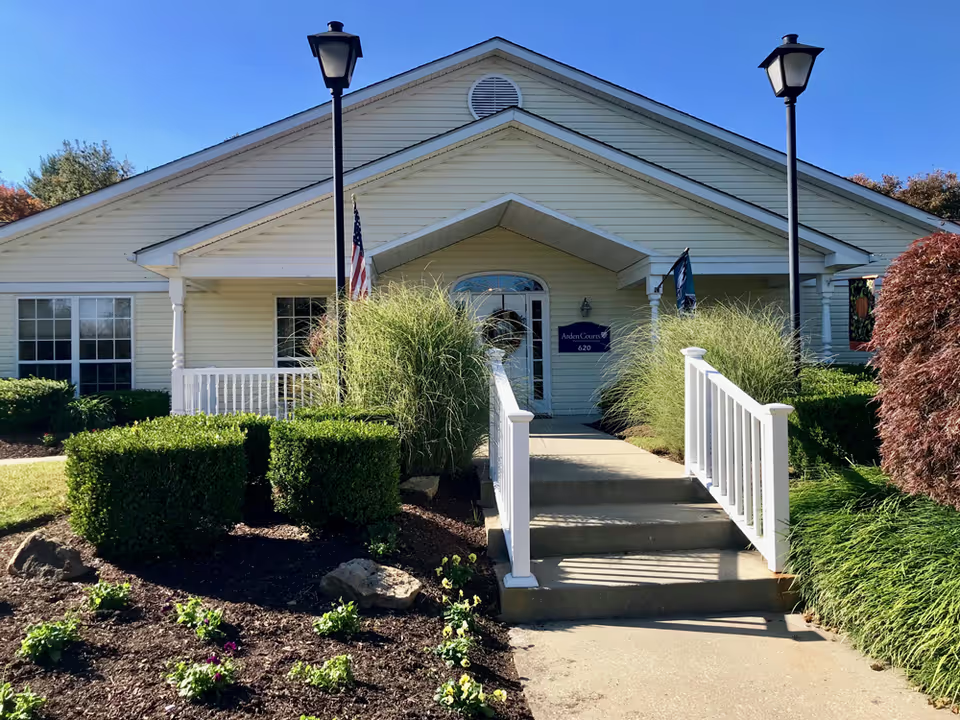
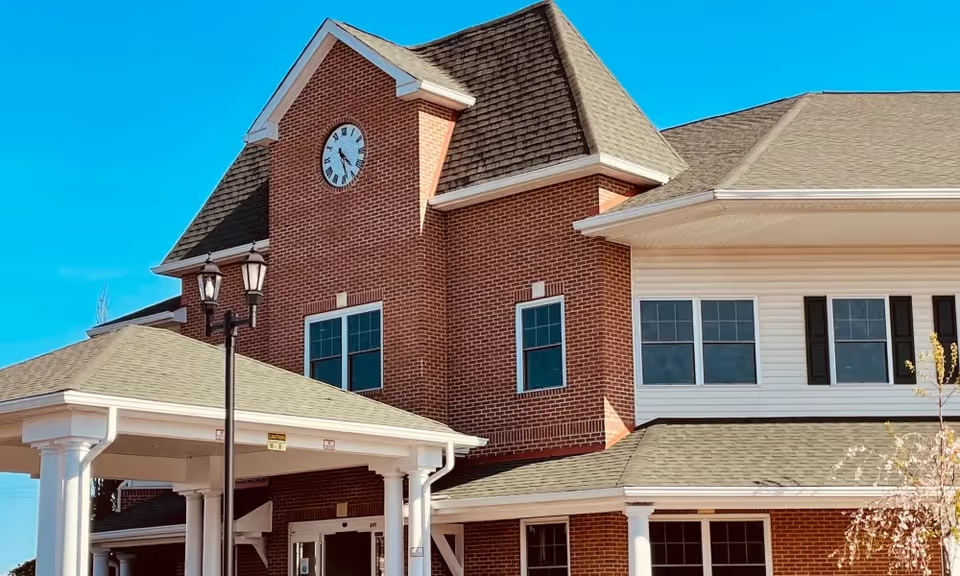
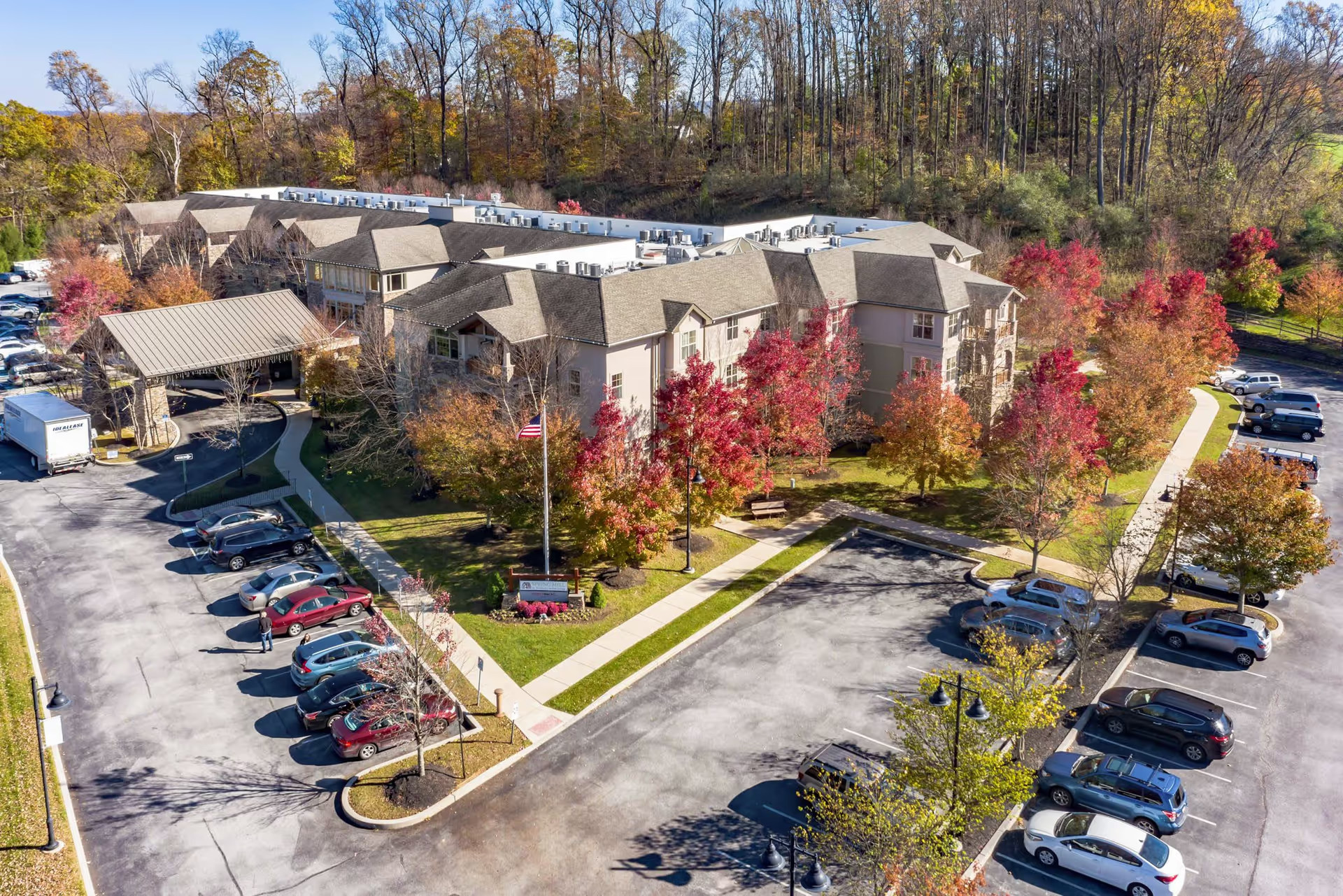
Columbia Cottage–Collegeville is described consistently as a small, home-like assisted living community with a high ratio of caregivers to residents and an emphasis on continuity of staff. Families and visitors frequently highlight compassionate direct-care staff, attentive nursing and aides, and a management team that communicates regularly with families. The community's compact layout, two courtyards, and well-maintained interiors contribute to a pleasant environment that many describe as easy to navigate and comforting for residents who prefer a smaller setting.
Care quality is generally regarded as a strength: reviewers cite attentive aides, regular housekeeping, and a sense that residents are known individually by staff. The facility supports aging in place with on-site nursing coverage and visiting physical therapists, plus a physical therapy area. These elements provide families with a degree of peace of mind and continuity of caregivers over time. At the same time, there are operational patterns that warrant consideration. Several accounts indicate inconsistent staffing levels, periodic reliance on agency personnel, and staffing shortfalls that correlate with longer response times to resident needs. There are also notes about gaps in physician coordination and occasional confusion around clinical orders (for example, special-diet or mechanical-soft orders), suggesting room for stronger clinical oversight and documentation processes.
Dining and nutrition are mixed areas: some reviewers praise helpful kitchen staff, while others describe limited or spartan meal offerings and constrained options for special diets. A few families experienced confusion over dietary orders or found the available choices insufficient for specific dietary needs. Activity programming is present and described as meaningful by many—arts and crafts, games, bingo, movie nights, and social events—but there are concerns about continuity when key activity staff leave and about occasional program content being perceived as simplistic for some residents. Lower resident census in a small community can reduce group-size options for engagement.
Facility amenities and design receive positive comments for cleanliness, décor, and outdoor spaces, but accessibility limitations are noted: bathrooms may not meet full ADA expectations (absence of walk-in showers, low toilet heights), and placement of emergency pull systems has been criticized. Room options include multiple sizes; the smallest rooms are described as compact but adequate by some families. Reviewers also mention practical service gaps such as limited weekend clinical coverage, less flexible dining schedules, and occasional delays in maintenance response.
Overall impressions skew positive for families prioritizing personalized, small-community care and strong caregiver relationships. The facility is often recommended for its caring staff, cleanliness, and management responsiveness. Prospective residents and families should weigh those strengths against operational considerations: verify staffing patterns (including weekend coverage and agency use), review clinical coordination procedures for medications and specialized diets, confirm accessibility features required for mobility needs, and evaluate whether the activity and dining offerings match the resident’s expectations. Visiting the community during different times of day and asking for current staffing, clinical oversight, and menu examples will help align expectations with the facility’s service profile.