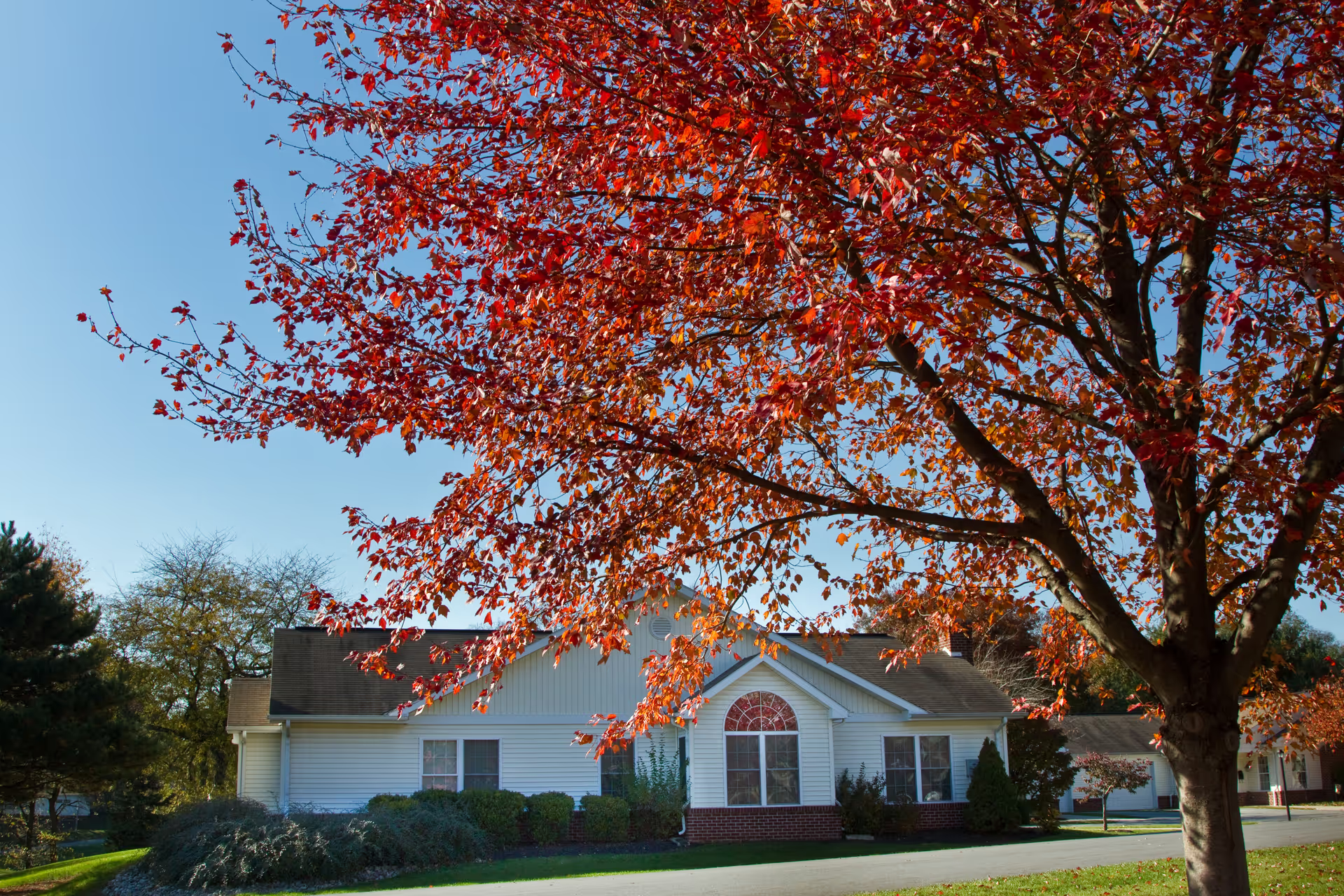
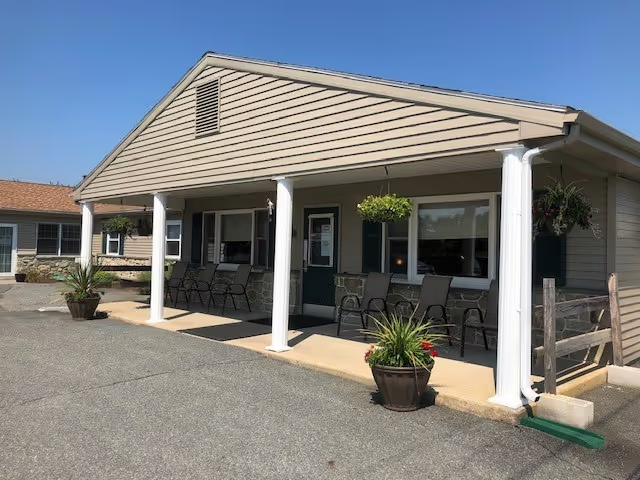
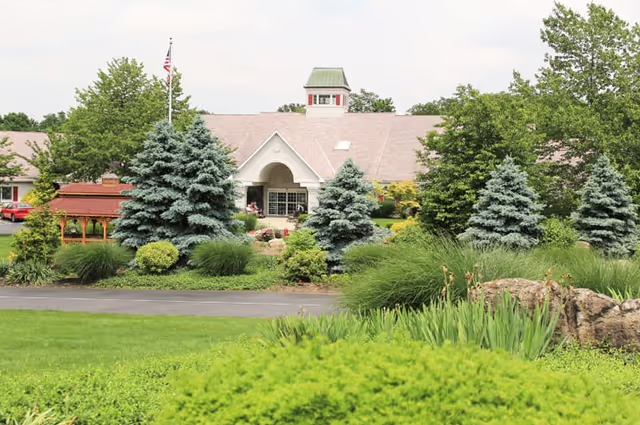
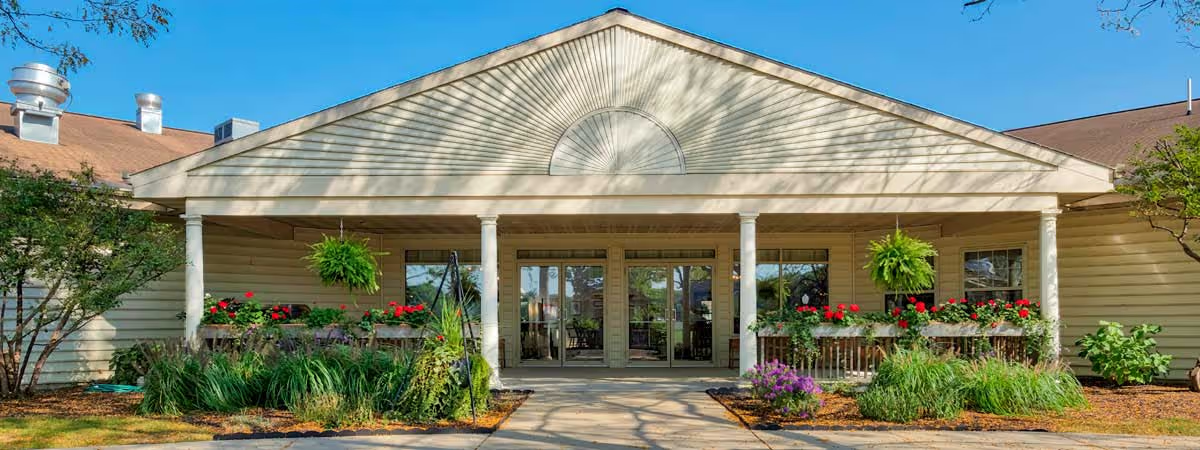
Overall impression: St. Anne's Retirement Community elicits mixed feedback. Many reviews emphasize a pleasant physical environment, varied housing choices, active programming and animal-assisted activities, and a generally warm, home-like atmosphere with attentive maintenance and attractive interiors. At the same time, a distinct set of operational and administrative concerns recurs across accounts, suggesting variability in day-to-day care and family experience.
Care quality and safety: There are two clear patterns. Numerous families praised compassionate caregivers, effective end-of-life support, and competent clinical care in many units. Conversely, other accounts describe prolonged response times to call bells, inconsistent personal-care schedules (including bathing and assistance with bedtime), and instances of delayed attention to residents' needs. These patterns translate into tangible safety and dignity concerns for some families; prospective residents should inquire specifically about staffing ratios, average response times, and protocols for personal-care schedules.
Staffing and management: Staff are frequently described as kind and helpful, and several reviews single out individual employees and maintenance teams for excellent service. However, high staff turnover, understaffing, and perceived gaps in supervision were also recurring themes. Reviewers noted inconsistent accountability for staff performance and concerns about how complaints are handled; there are also statements describing whistleblower and reemployment issues that suggest potential weaknesses in staff-protection and complaint-resolution processes. Additionally, some reviewers perceived an administrative focus on revenue generation and facility image that, in their view, at times conflicted with resident-centered priorities.
Dining and activities: The community offers an on-site bistro and a range of social and educational programming, including public presentations and entertainment nights. Many reviews praise the food and activity offerings and highlight opportunities for engagement and therapy. At the same time, there are notes about event crowding (limited seating during popular nights) and variable meal pricing transparency. Prospective residents should ask about typical activity calendars, event capacity management, and pricing for dining options.
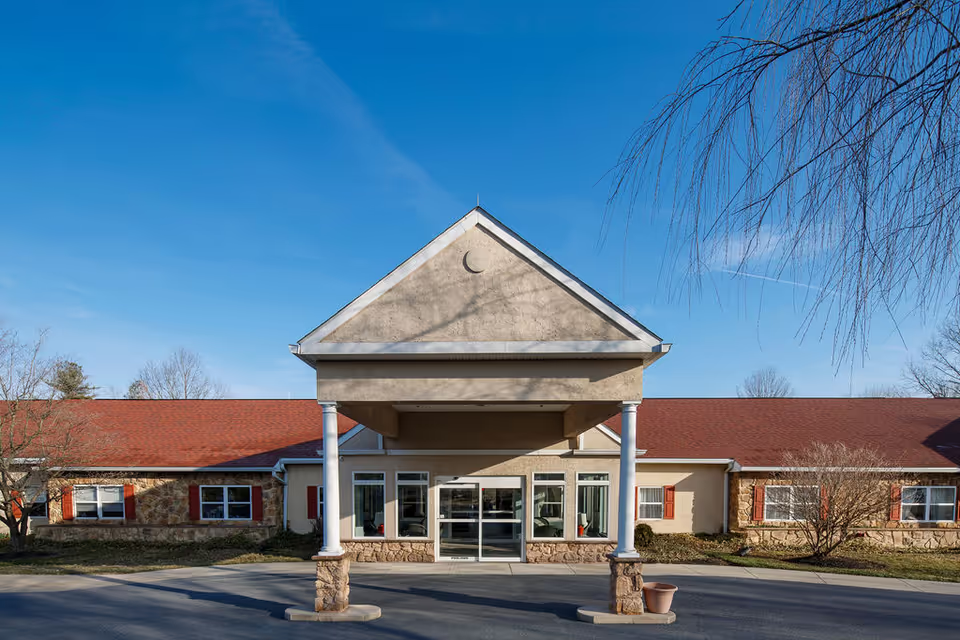
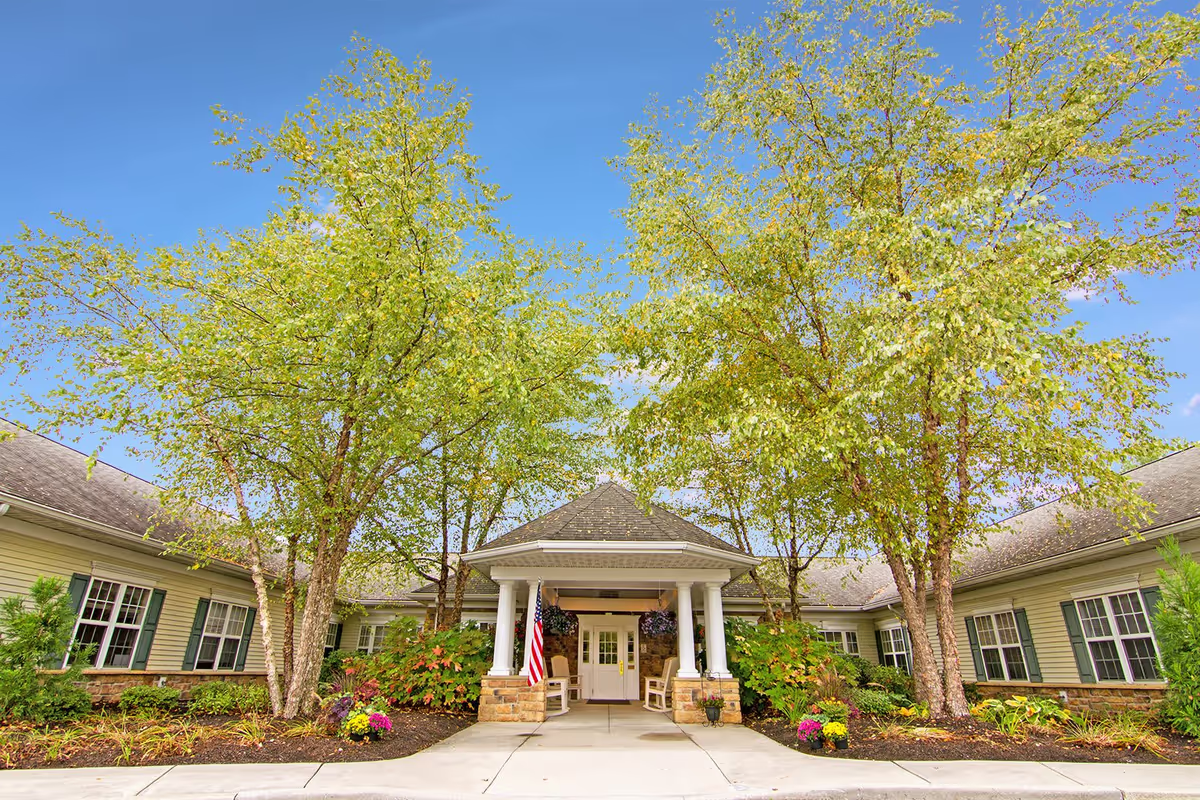
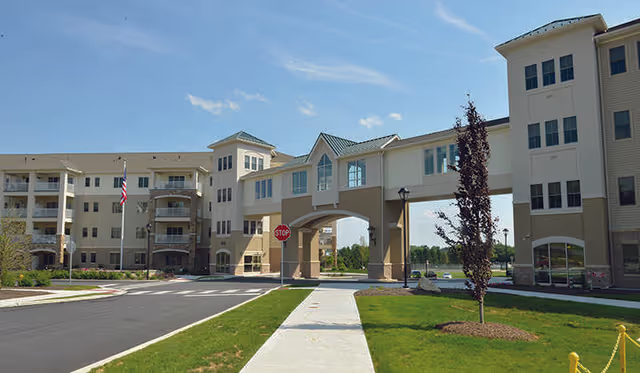
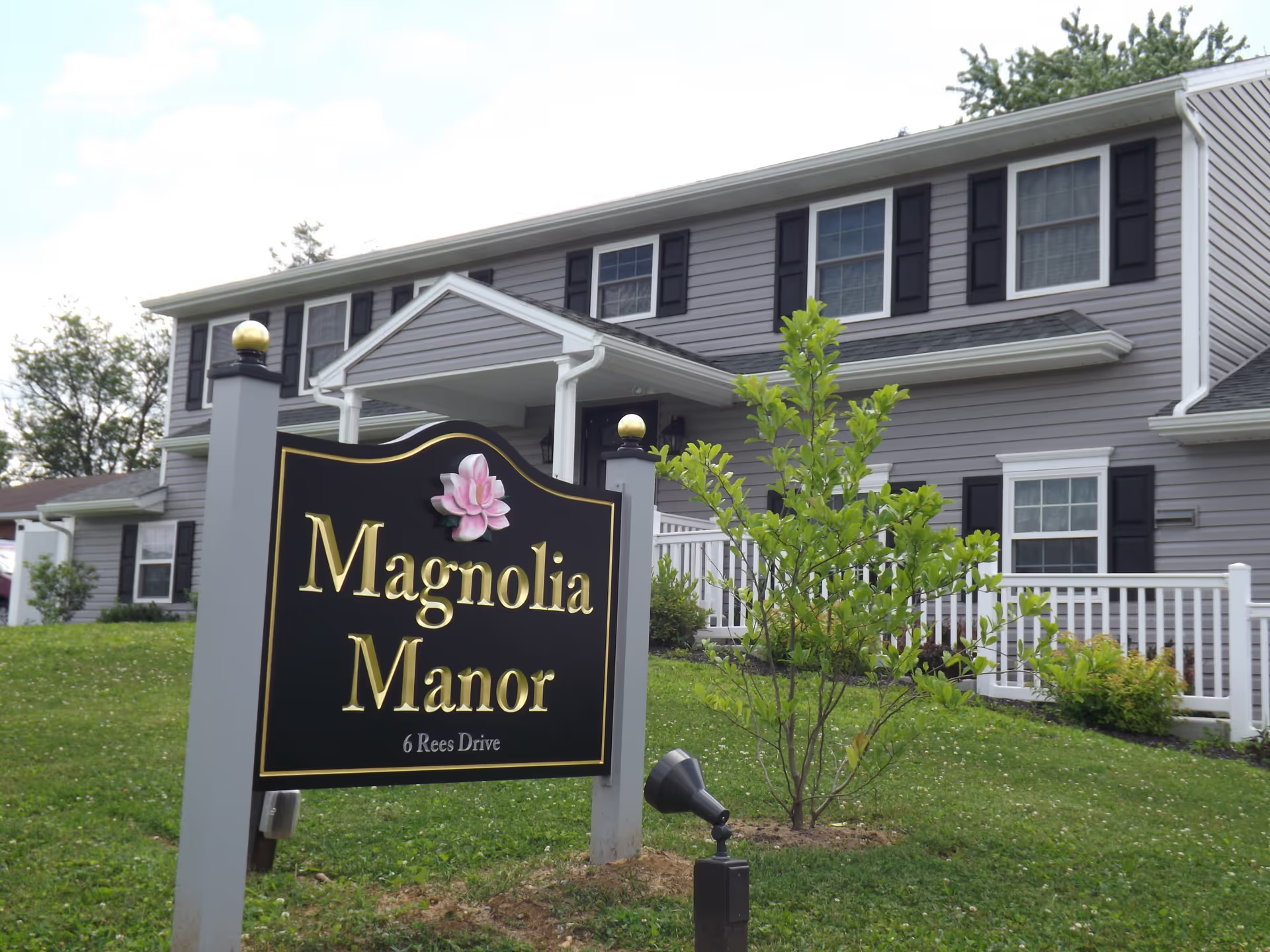
Facilities and logistics: Physical plant strengths include well-kept grounds, tasteful décor, multiple housing formats (from independent cottages to assisted units), and on-site primary care affiliation. Practical logistics raised by reviewers include limited or inconvenient parking and handicapped-access arrangements, occasional issues with the transportation van, and mixed feedback on shared-room arrangements. Security of personal belongings was raised as an issue, including allegations of employee theft; families should review the facility's personal-property policies and storage practices.
Patterns and recommendations: The reviews suggest a split experience—many families are highly satisfied with the environment, staff compassion, and levels of care, while others have encountered operational lapses that materially affected confidence in day-to-day care. Prospective residents and families would be advised to visit multiple times (including nights and event evenings), request written policies on staffing ratios, call-bell response metrics, incident escalation and complaint resolution, personal-item security procedures, discharge/readmission policies, and fee/contract terms. Verifying affiliations with medical providers and asking for recent inspection or quality metrics may also help clarify current performance. These steps can help determine whether the facility’s strengths align with an individual resident’s needs and risk tolerance.