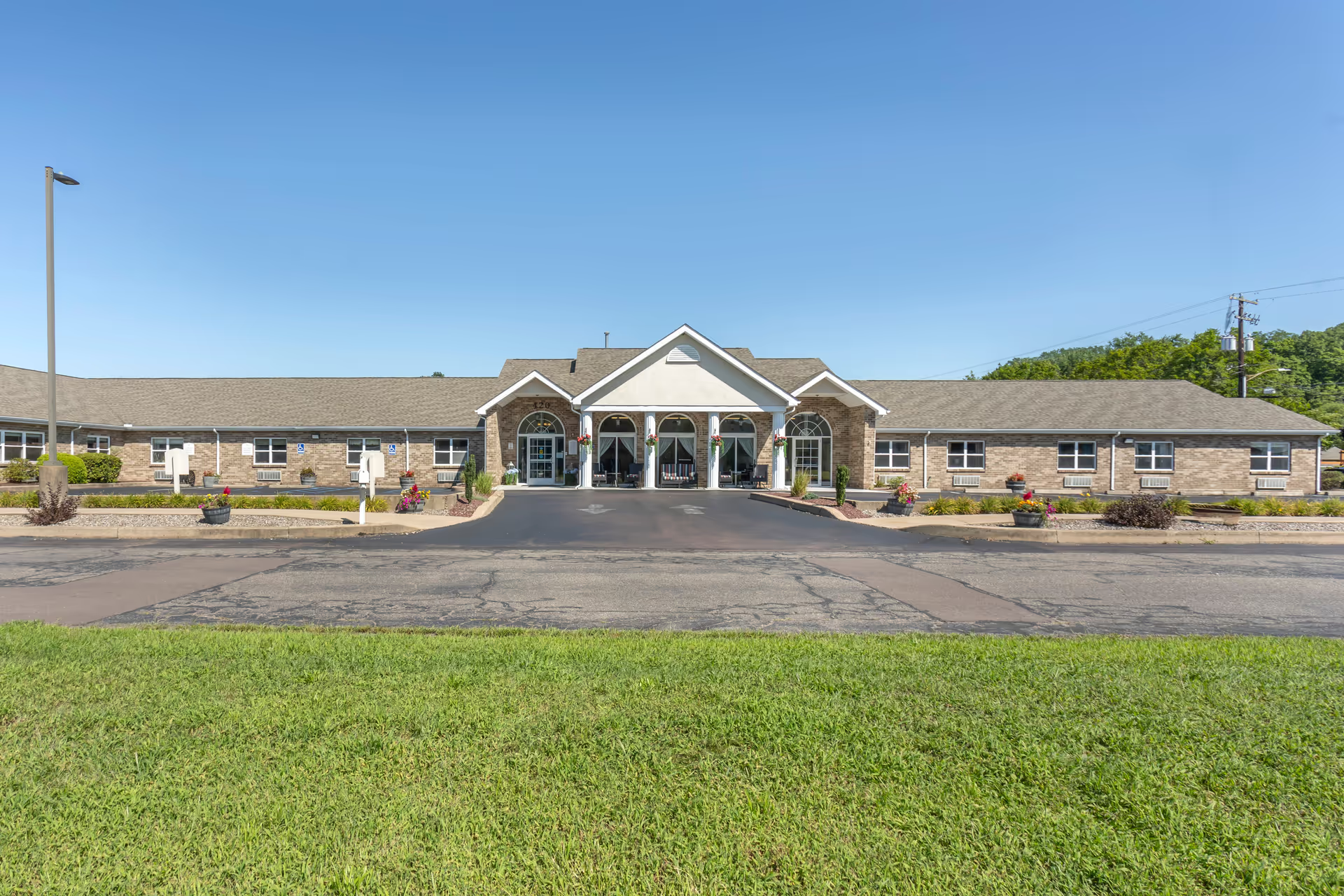
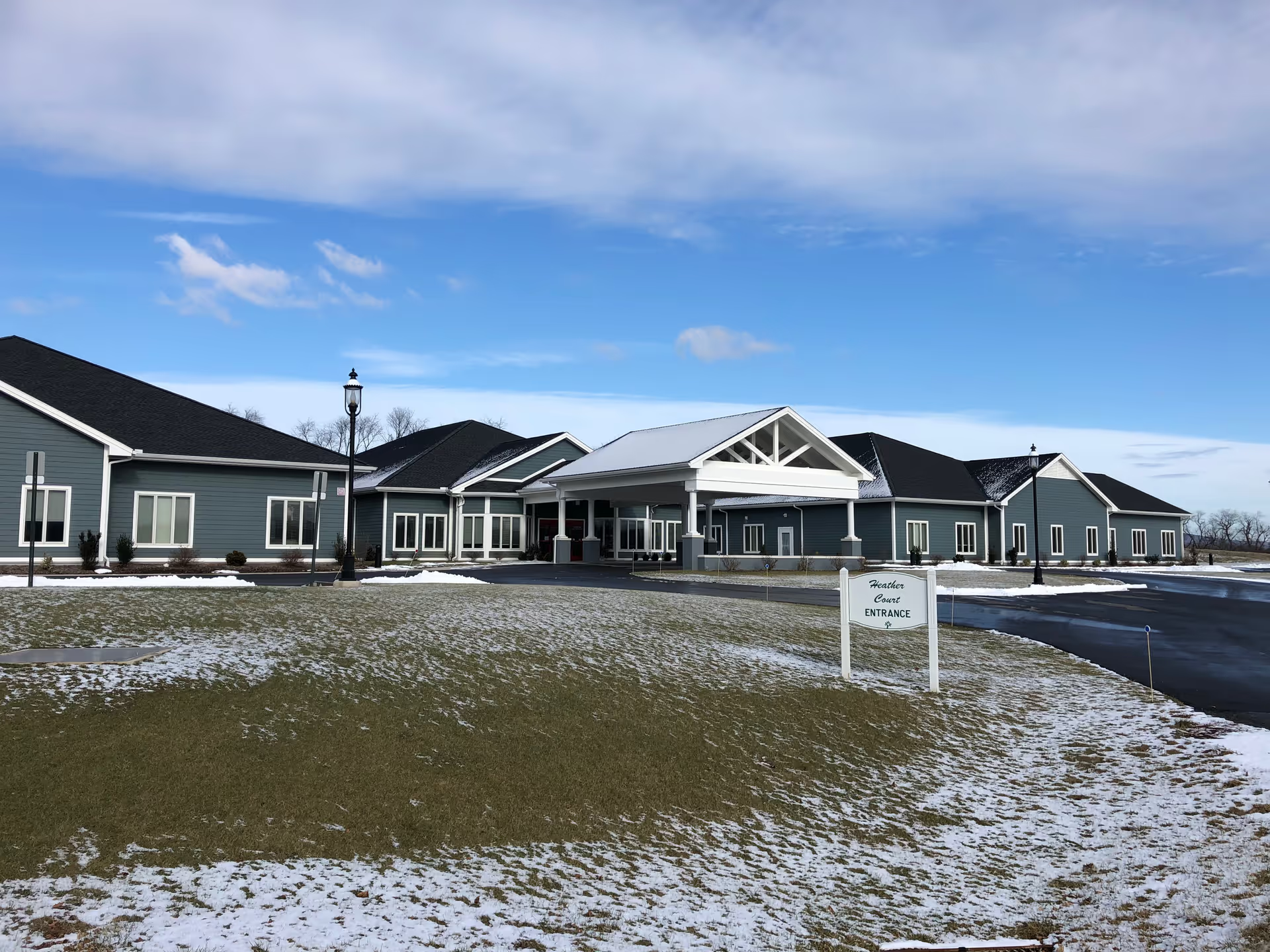
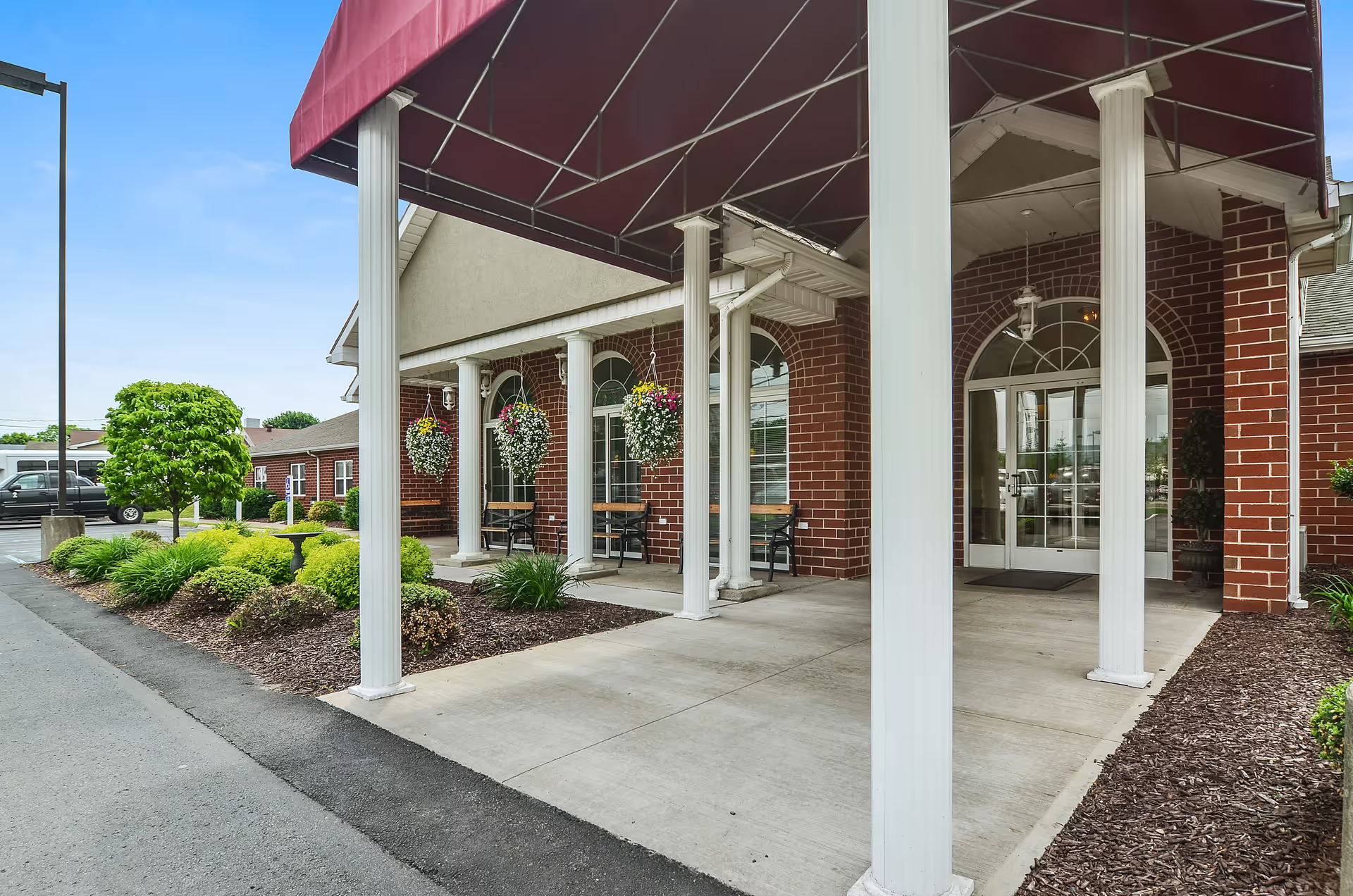
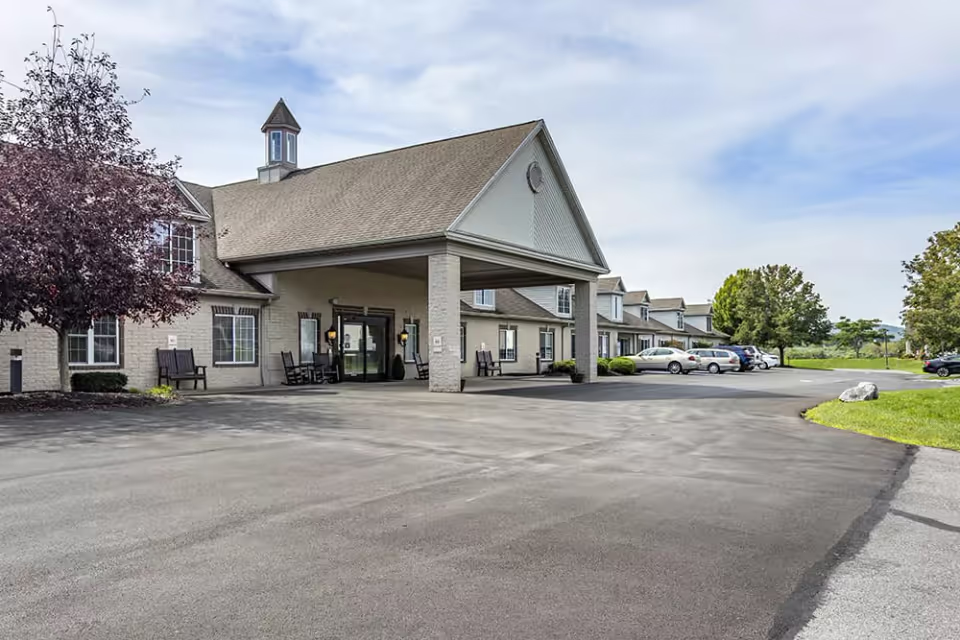
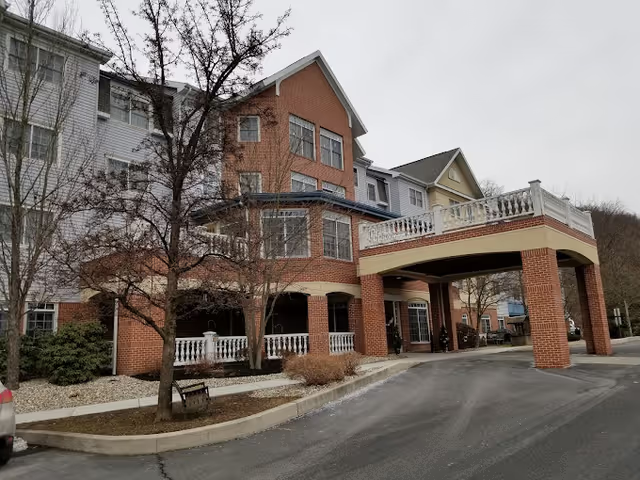
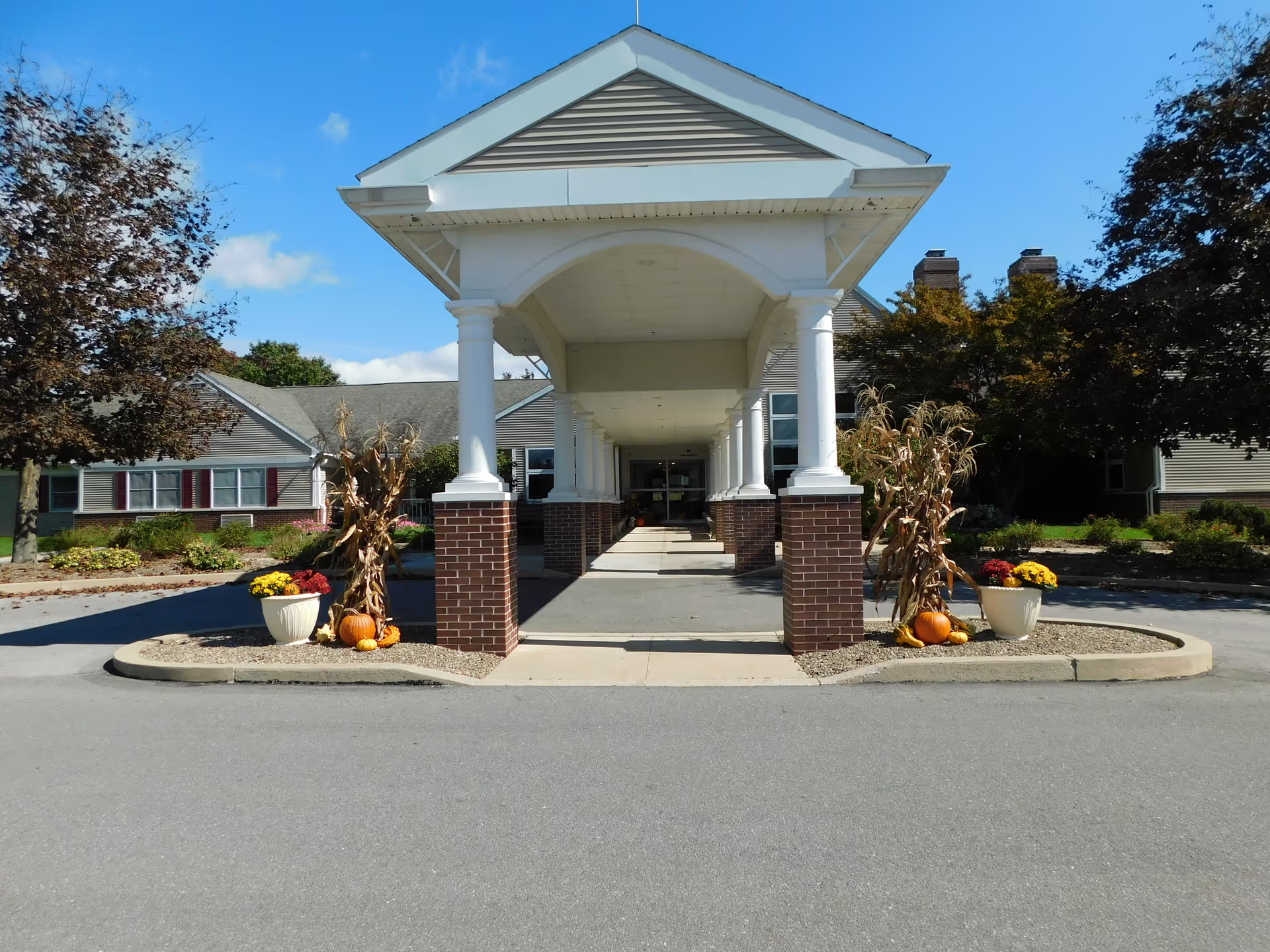
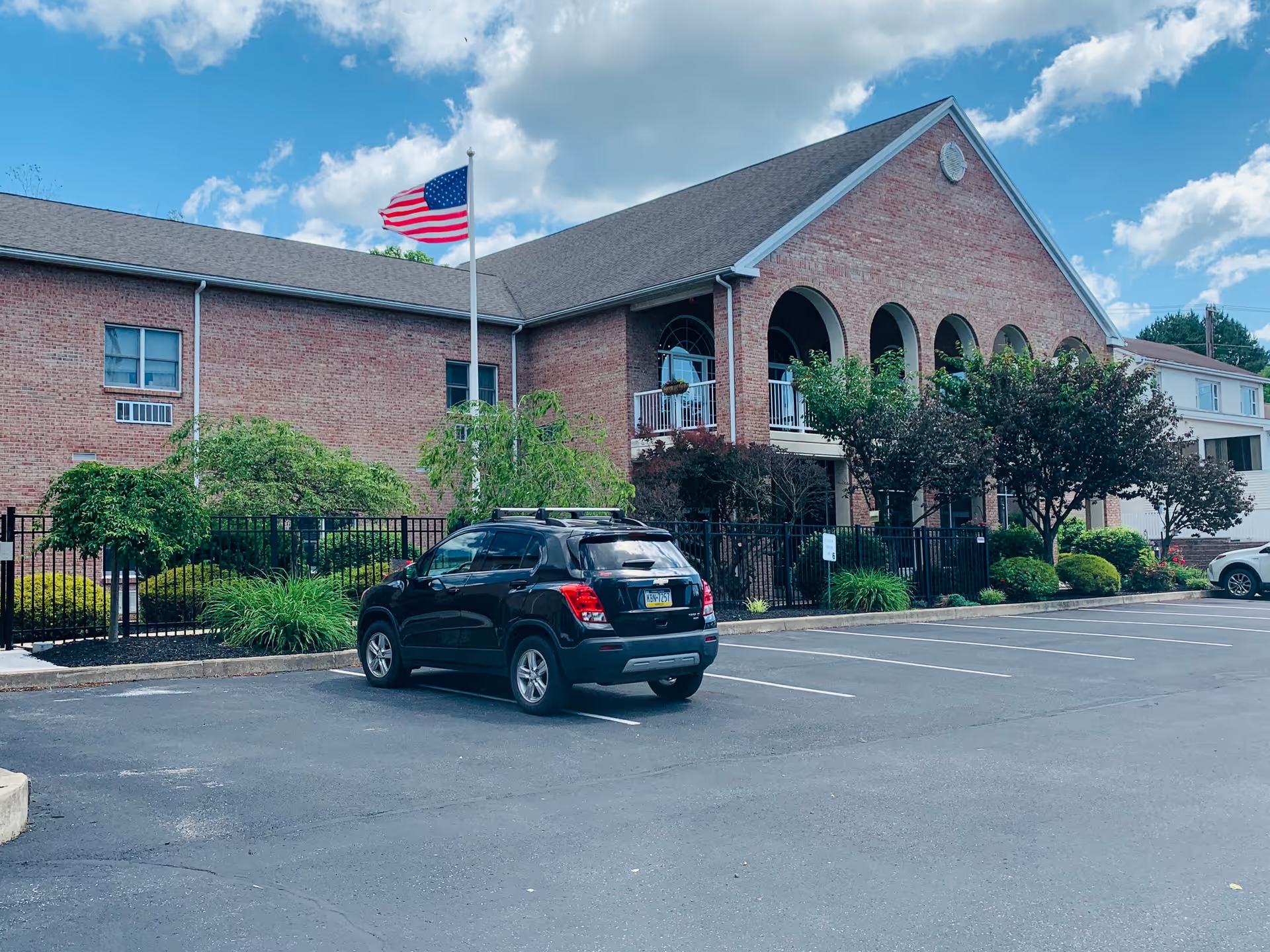
Overall impression: Reviews paint Vintage Knolls as a well-kept, attractive senior living community with a strong emphasis on hospitality and social programming. Many comments highlight a bright, modern facility with pleasant grounds, seasonal decorations, gardens and verandas, and ample common areas that support socialization. The community's proximity to a major medical center and availability of on-site services (hair, nails, podiatry) were seen as logistical advantages.
Care and staff: The dominant theme across reviews is positive: staff are frequently described as compassionate, attentive, and willing to go beyond basic duties. Families report proactive communication, timely notifications about medical issues in many cases, and an accessible director of wellness and nursing presence. Several reviewers specifically praised particular clinicians and the 24/7 nursing accessibility. However, there are recurring operational concerns: staffing levels and shift coverage are described as inconsistent at times, and some reviews cite variability in how staff coordinate and communicate. These patterns translate into family-reported delays in assistance or medication administration in some instances and suggest variability in day-to-day clinical responsiveness.
Dining and nutrition: Dining receives mixed but generally favorable commentary. Many residents and families appreciated homestyle, freshly prepared meals and specific menu alignment with preferences; some reviews called the food very good or excellent. At the same time, other comments note average or inconsistent meal experiences. This points to variability in dining quality or menu satisfaction between residents or across service times rather than a uniformly poor dining operation.
Activities and social life: Activity programming is a clear strength for many residents. An energetic activities director, frequent events (live bands, outdoor concerts, excursions), daily exercise, bingo and small-group offerings contribute to an active social environment. A number of reviewers emphasized that programming helped residents adjust and remain engaged. Conversely, a smaller portion of reviews indicated that activity breadth or frequency could be expanded, suggesting inconsistency in program delivery or alignment with some residents’ interests.
Facilities and amenities: The physical plant is repeatedly described as clean, modern or nicely appointed, with private rooms, ensuite baths, large common rooms, and accessible HVAC and safety features. Reviewers frequently noted landscaping, seasonal décor, and pleasant outdoor areas. A few reviews identified sanitation or odor concerns in specific locations and occasional lapses in laundry/linen processes, which suggests targeted operational areas for quality assurance rather than a pervasive facility-wide deficiency.
Management and operations: Families report strong points — proactive family communication, transportation support, and responsiveness to many concerns. Nevertheless, reviewers also flagged operational weaknesses: inconsistent staffing, medication-management timing issues, limited after-hours clinical coverage or gaps in escalation processes, and inconsistent follow-up after incidents such as falls. There were also notes about communication lapses during facility changes or resident moves. These comments indicate that while day-to-day culture and many systems function well, the facility may benefit from strengthened clinical protocols, staffing stability, and clearer operational communication practices.
Notable patterns and suitability: Vintage Knolls appears well suited for residents needing low- to mid-level support who value social engagement, a homelike environment, and proximity to medical services. Prospective residents and families should weigh the community’s strong social programming, cleanliness, and staff responsiveness against practical considerations such as potential variability in staffing coverage, after-hours clinical availability, and occasional inconsistencies in dining or laundry processes. Asking targeted questions about staffing ratios, medication protocols, emergency escalation procedures, and recent quality-improvement actions during a tour will help families assess whether the community’s strengths align with their loved one’s clinical and social needs.