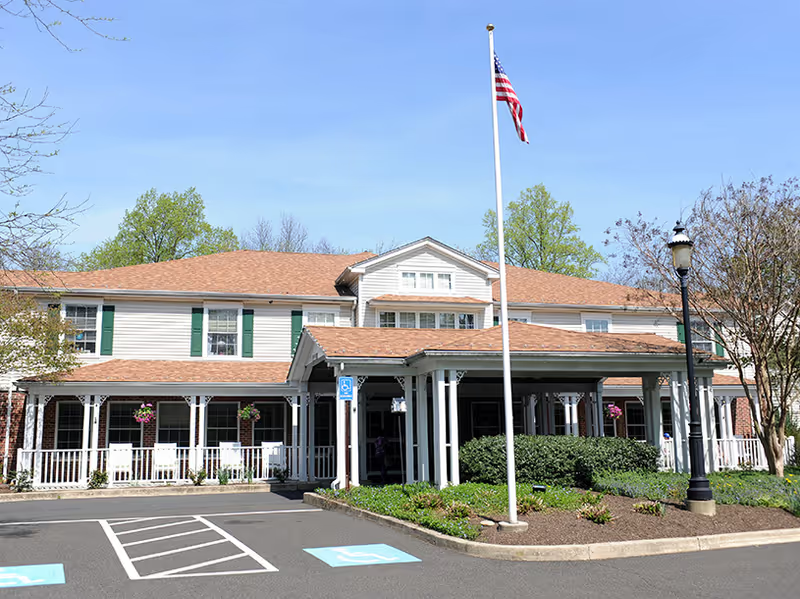
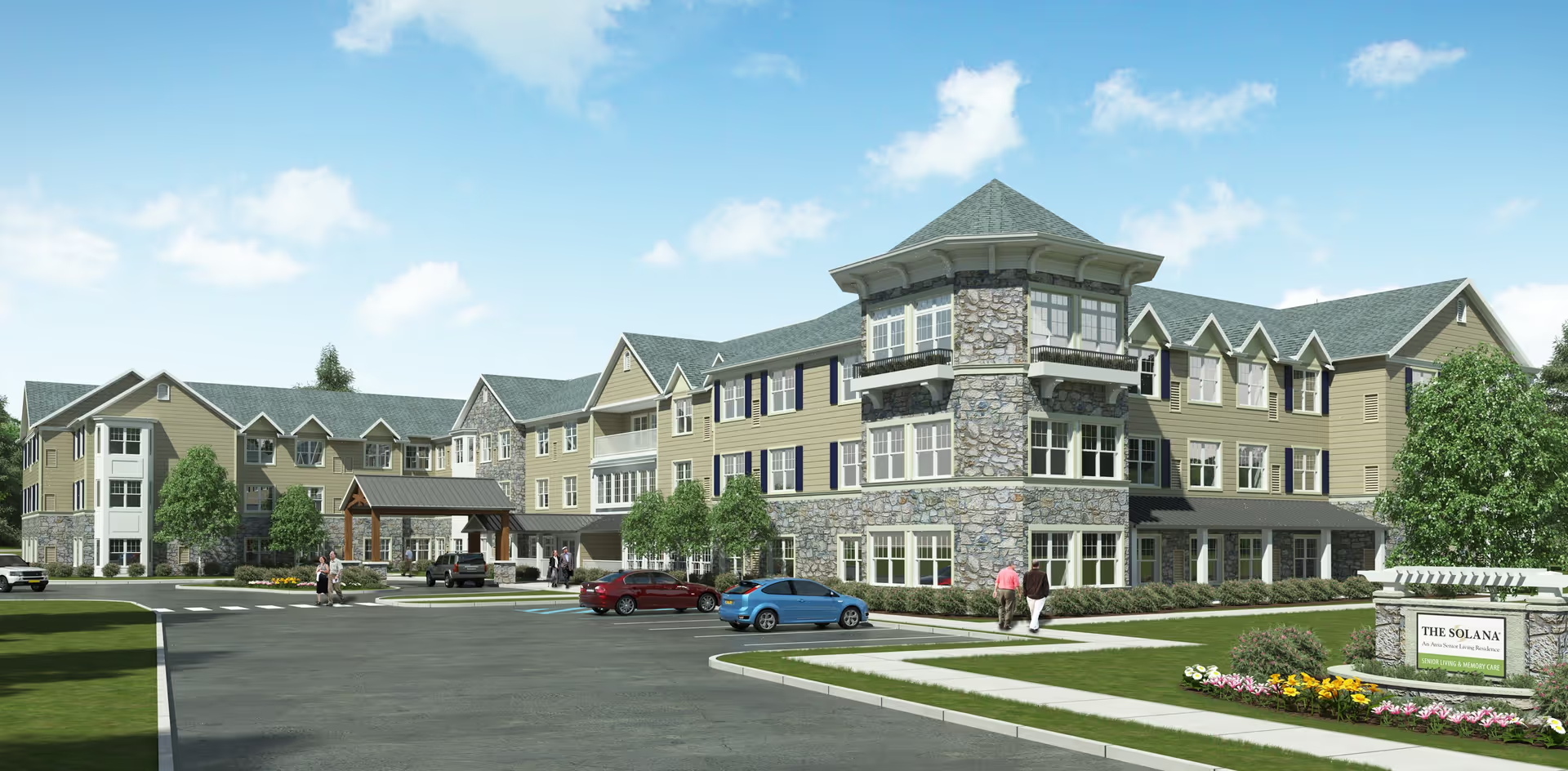
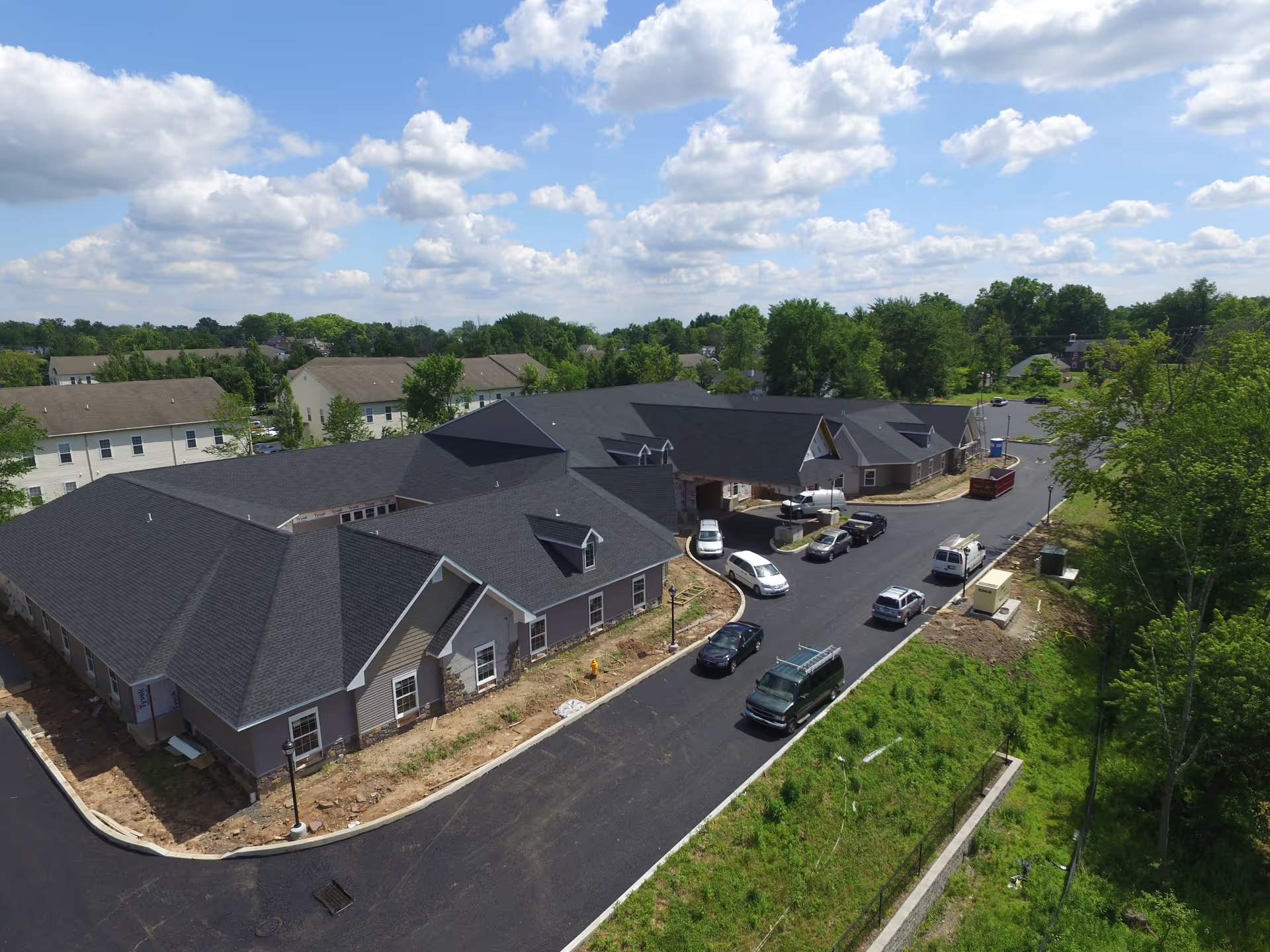
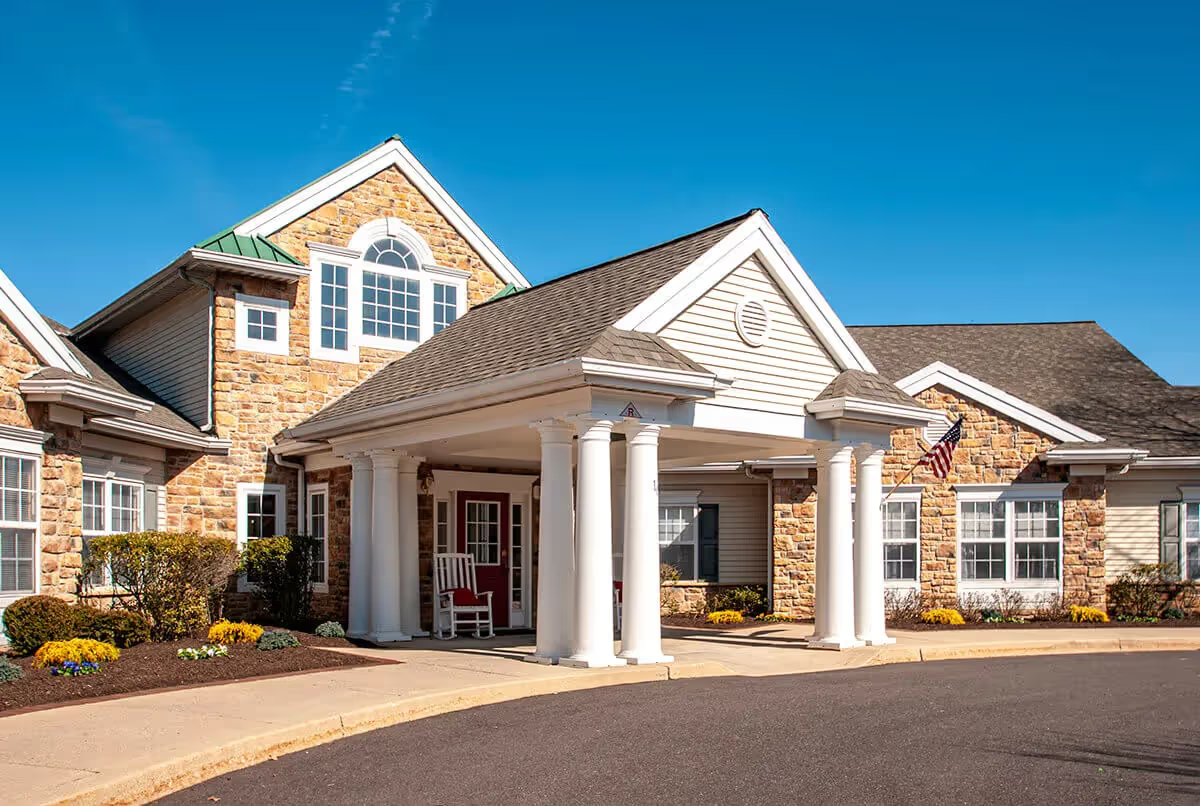
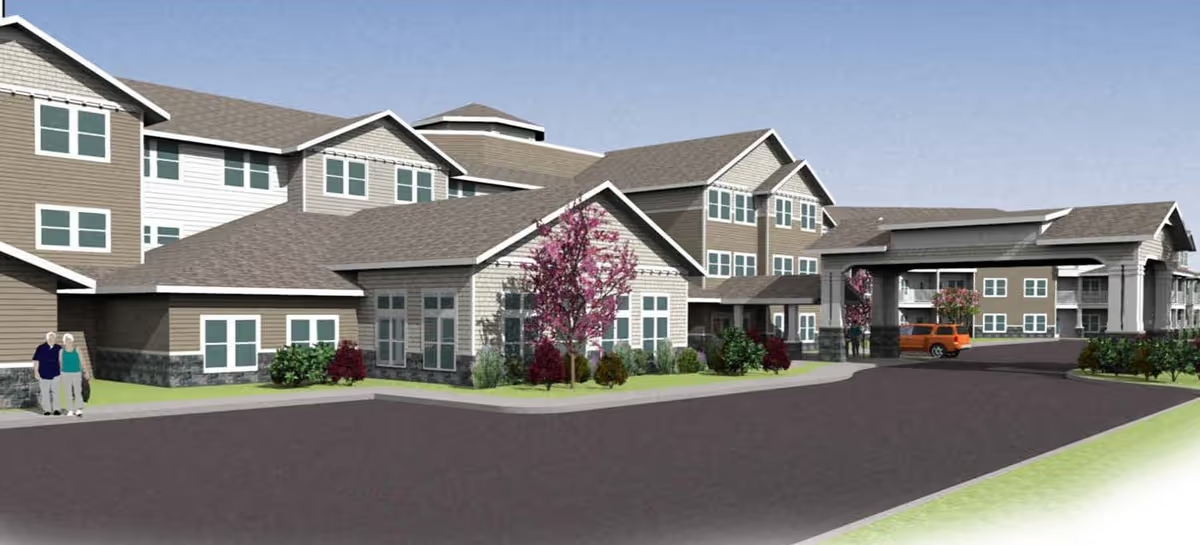
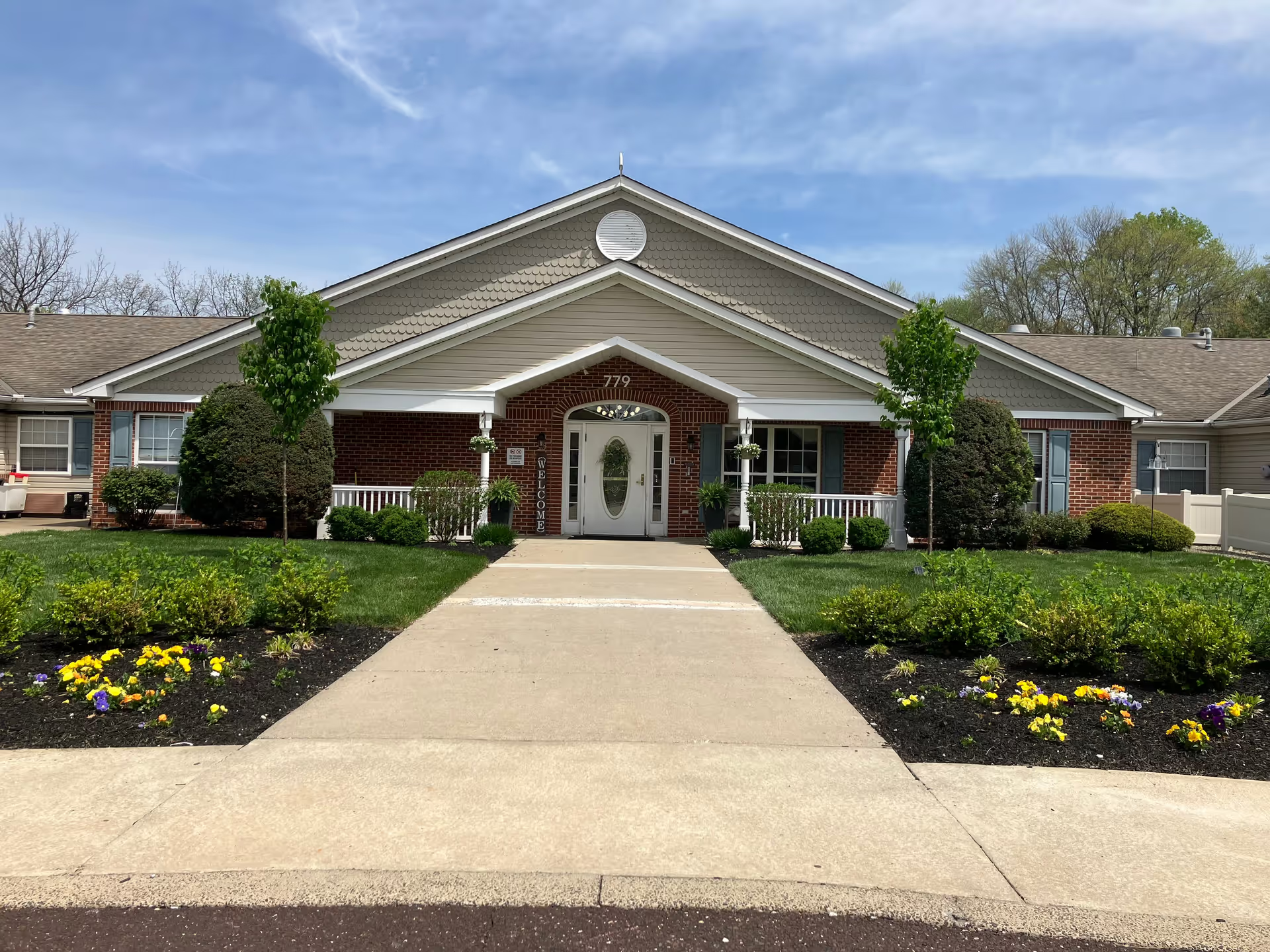
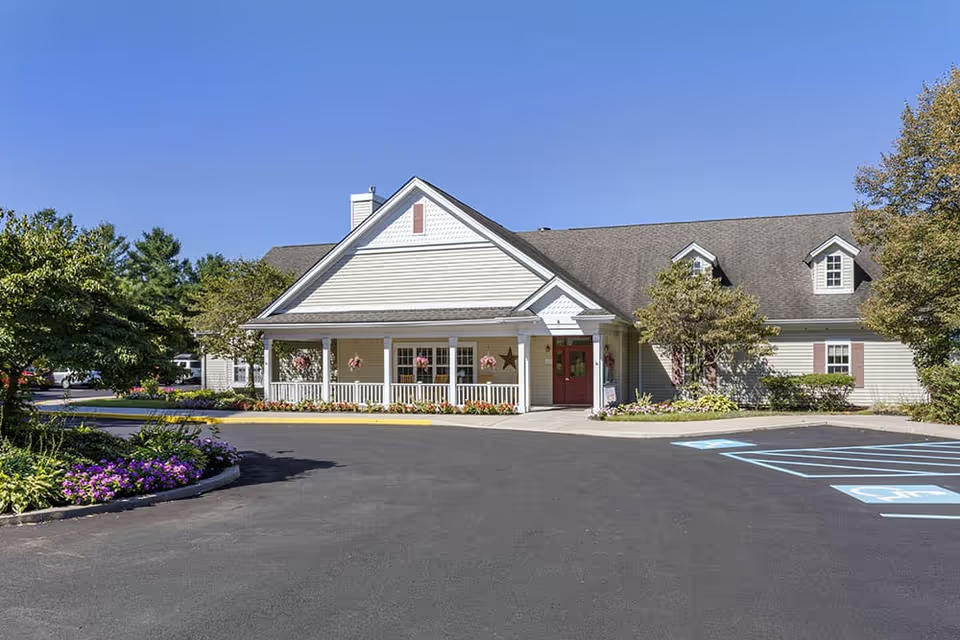
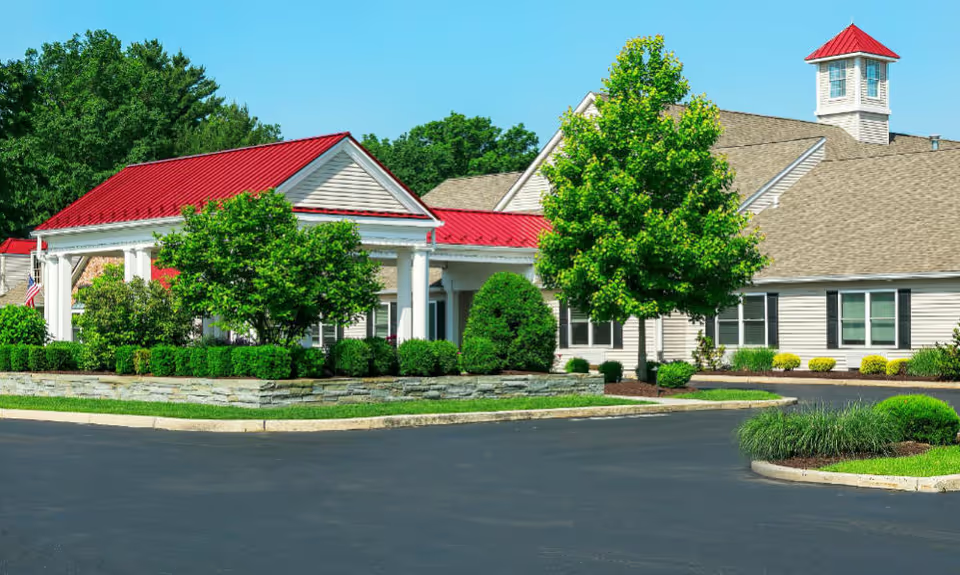
Mercer Hill at Doylestown is consistently praised for its physical environment and social programming. Reviewers describe an attractive, newly built community with carefully maintained interiors, abundant amenities (movie theater, bar/pub, cafe, gym, salon, gift shop, therapy/PT areas) and pleasant outdoor spaces. Many families and residents report that apartments are comfortable, housekeeping is reliable, and common areas convey a resort-like, well-appointed atmosphere.
Staff and programming are frequently cited as strengths. Life-enrichment teams and activity directors receive strong endorsements for energetic, varied calendars and individualized engagement efforts. Front-desk, maintenance, and many caregiving staff are characterized as warm, attentive, and proactive; several accounts describe a clear positive effect on residents’ socialization, mood, and daily routine. For prospective residents seeking an active independent-living environment with plentiful social opportunities, Mercer Hill’s programming and amenities appear to be important assets.
Dining receives mixed feedback. While some reviews praise restaurant-quality presentations, special events, and consistently good breakfasts and lunches, a recurring pattern describes dinner-service delays, cold plates, inconsistent portioning, and limited therapeutic or sugar-free options. These meal-service inconsistencies appear operational rather than aesthetic. Prospective families should observe a meal service in person and ask about kitchen staffing, dietary accommodations, and protocols for temperature and timing control.
Care quality and clinical services show variability across reviews. Several families noted limited licensed-nurse presence, intermittent communication from nursing leadership, and gaps in hands-on clinical expertise for higher-acuity assisted-living or memory-care needs. There are reports that care coordination can be uneven and that some residents requiring more intensive clinical oversight may not receive the level of licensed nursing interaction they expected. For those considering assisted living or memory care, it is prudent to verify current staffing ratios, nurse coverage hours, and the facility’s experience with cognitive disorders and medication management.
Management and operations show mixed patterns. Many reviewers commend responsive maintenance and particular administrators or engagement staff, but a subset of reviews describe billing problems, unresolved inquiries, and delayed communications following an ownership transition. There are also references to administrative turnover and isolated regulatory or operational lapses. These items point to organizational and oversight areas that prospective residents should review closely: examine contract terms, billing policies, recent state inspection reports, and changes in ownership or leadership.
Overall recommendation and considerations: Mercer Hill offers an appealing physical environment, active programming, and many staff who provide compassionate social and day-to-day support. However, the facility shows operational vulnerabilities around meal-service consistency, clinical staffing depth for higher-acuity care, and administrative responsiveness following ownership changes. Prospective residents and families should (1) attend a meal service to evaluate cuisine and timing, (2) request current staffing rosters and nurse-coverage schedules, (3) review admissions screening and care-level placement practices, (4) ask for details on billing and refund policies and recent inspection reports, and (5) speak with current residents and families about daily clinical responsiveness. These steps will help determine whether Mercer Hill’s strengths align with the prospective resident’s clinical and lifestyle needs.