Spring Village at Pocono presents as a small-to-midsize assisted‑living and memory‑care community with strong, recurring praise for its frontline staff and personalized approach to residents. Families and visitors consistently describe caregivers as compassionate, familiar with residents’ names, and willing to provide individualized attention. The memory‑care program is noted as secure and competent, and admissions and community relations staff receive frequent positive mention for responsiveness and support during placement.
Clinical and rehabilitative services are a clear strength: the community offers on-site therapy and rehabilitation (including a named therapy partner in several accounts), and reviewers cite measurable improvements in mobility and independence when those services are used. Activity programming is robust and varied, with a full calendar of social, recreational, and outing options—bingo, concerts, shopping trips, craft groups, pet visits, and happy hours are typical offerings—contributing to resident engagement and socialization.
Dining receives mixed but generally favorable commentary. Many families praise restaurant‑style dining, menu flexibility, and service presentation; kitchen staff and special dining events are highlighted positively. At the same time, a number of reviewers indicate variability in food quality and menu repetition, and a subset prefer meals delivered to rooms during COVID restrictions. Pricing and billing structure also emerge as a recurring operational concern: families mention unclear or non‑prorated billing in some cases and desire for clearer upfront explanation of fees and deposit policies.
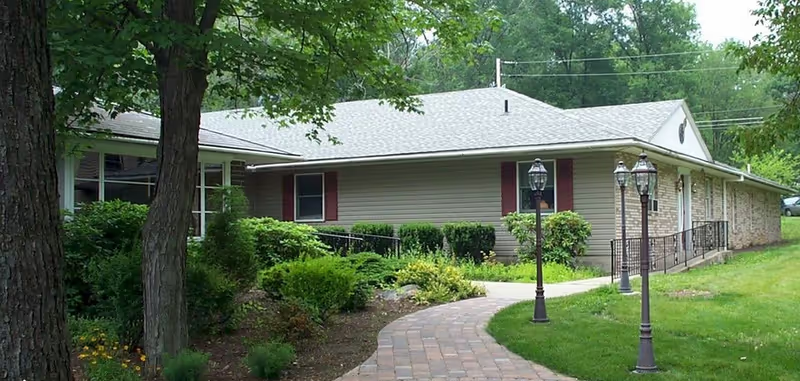
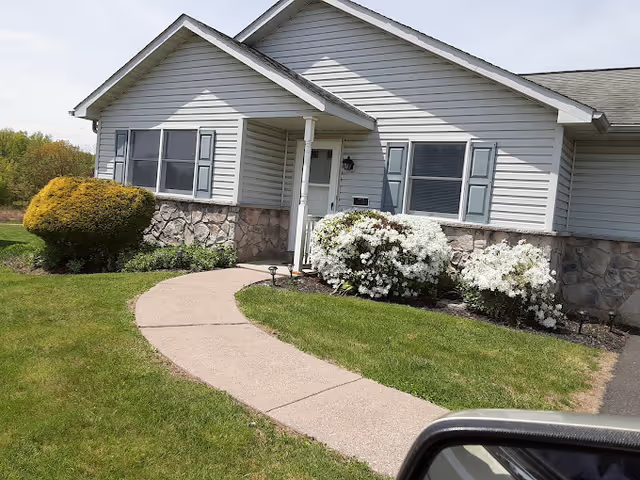
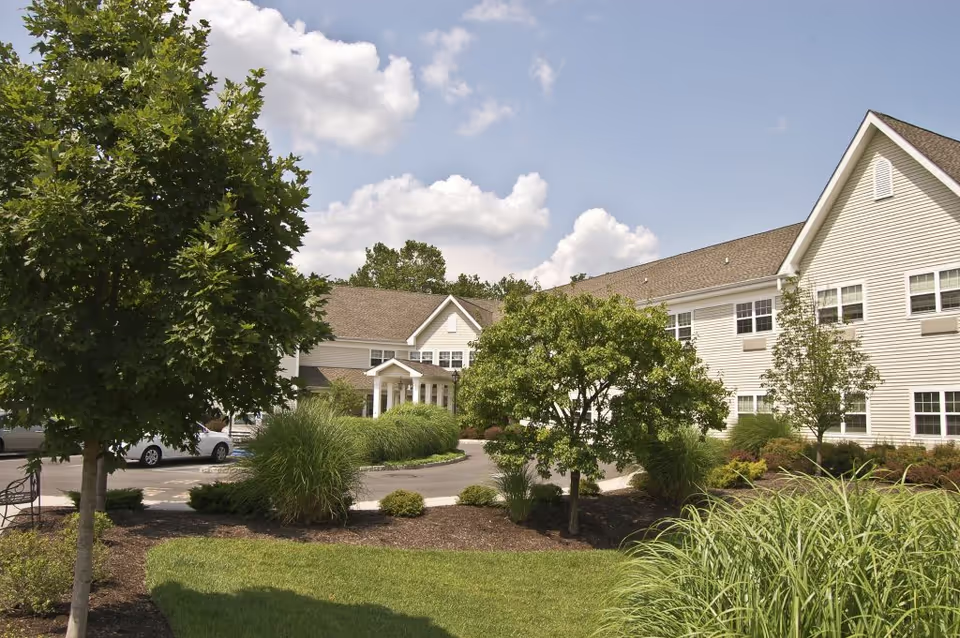
Facility attributes are similarly mixed. The community is frequently described as clean, well‑kept, and homey in many common areas, with comfortable gathering rooms, a country store, library and activity rooms. That said, several accounts describe parts of the building or some rooms as dated or having a more clinical, institutional feel. Unit sizes vary; private and apartment‑style options appear limited, closets and bathrooms are noted as compact in some units, and outdoor space is modest.
Operational patterns to weigh: staffing consistency and responsiveness are the most commonly cited weaknesses. Multiple families report periods of short staffing that affected timeliness of care or communication, and a few reviewers cite after‑hours unresponsiveness or delays in addressing maintenance or care‑call equipment. There are occasional mentions of process gaps—billing clarity, pendant/call‑system glitches, and variability in transfer/mobility assist practices—that prospective families should clarify during tours.
Overall, Spring Village at Pocono earns strong praise for its culture of caregiving, activity offerings, and on-site therapy services, which many families find life‑enhancing for residents. Prospective residents and their families should balance those strengths against operational considerations—staffing consistency, unit availability and layout, dining‑quality variability, and pricing transparency—and ask targeted questions about staffing levels, billing/proration policies, room dimensions, and maintenance/call‑system reliability during an in‑person visit.