Reviews of Gettysburg Center show a pronounced split between strong interpersonal care and recurring operational weaknesses. Many families and visitors praised the bedside manner of nurses, aides, therapists, and social-work staff. Descriptors such as compassionate, attentive, and family‑centered recur throughout the positive feedback; admissions and front‑desk staff are frequently noted as professional and helpful, and leadership is credited at times with advocacy and transparent communication. The facility's COVID‑19 practices and technology-enabled family contact (temperature screening, virtual visits, and regular check-ins) are also highlighted as strengths that provided families with reassurance.
Clinical care and therapy are described as capable when staffing is stable and specific clinicians are engaged. Several comments point to knowledgeable nursing and therapy staff, successful rehabilitation outcomes under certain therapists, and proactive casework by social services. At the same time, a pattern of clinical concerns appears in other reviews: delays in responding to resident needs, inconsistent medication administration and follow-up, and issues with wound care and infection management. These clinical gaps, when they occur, are associated with poor outcomes and heightened family anxiety.
Dining and activities receive mixed evaluations. The menu is described as varied with generally good flavor, and staff are credited with efforts to make meals and activities meaningful for residents (including technology‑based family connections). However, meal service consistency is a recurring operational shortcoming: late tray delivery, trays not set up, and occasional overcooked entrees were noted. Activity programming and staff engagement are seen as positive contributors to resident quality of life when staffing and scheduling allow.
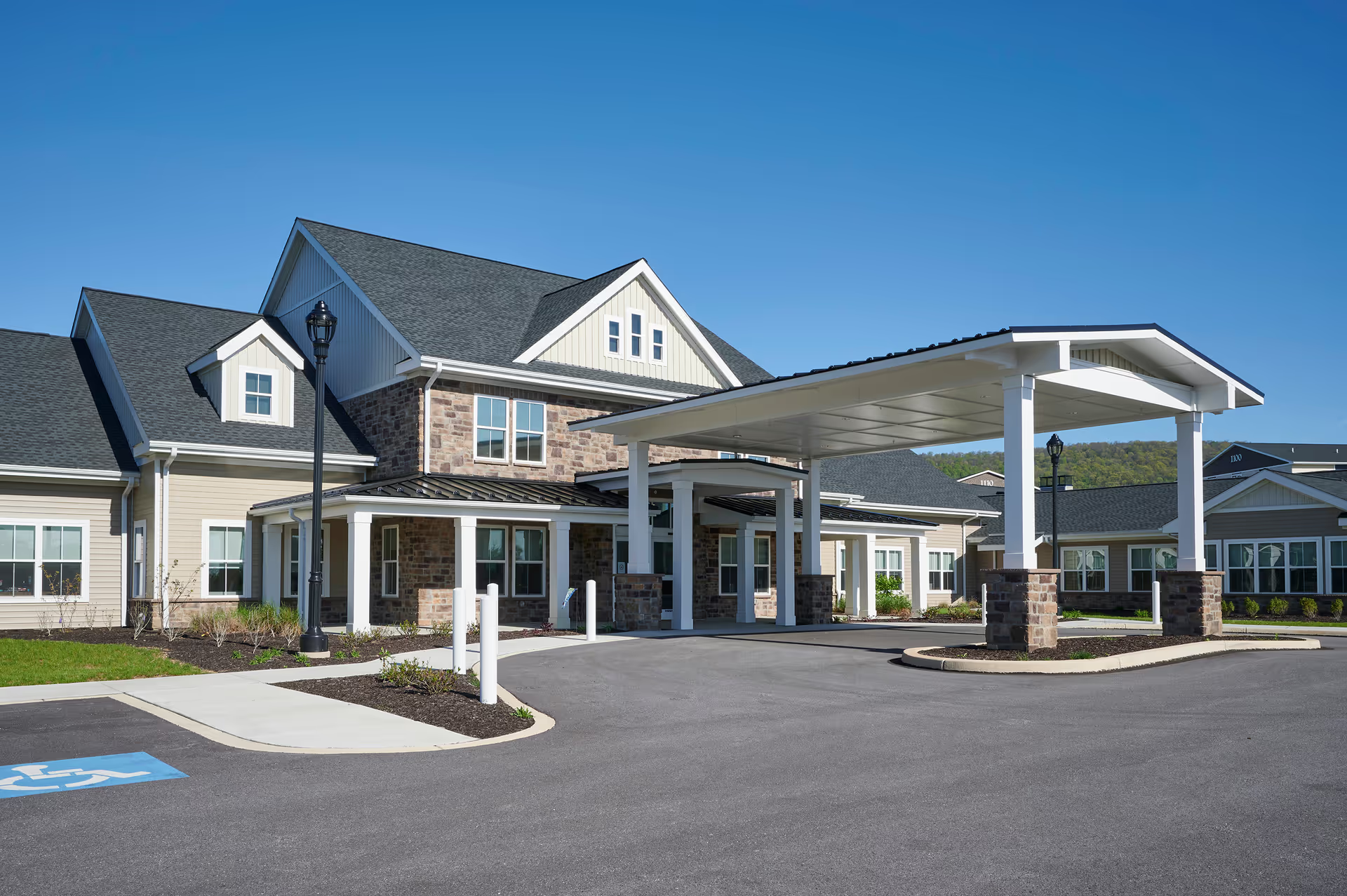
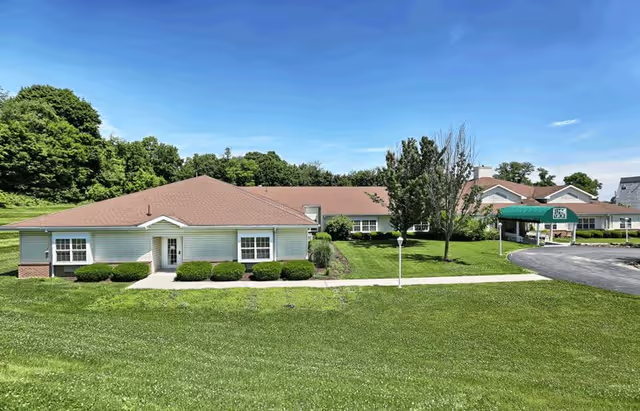
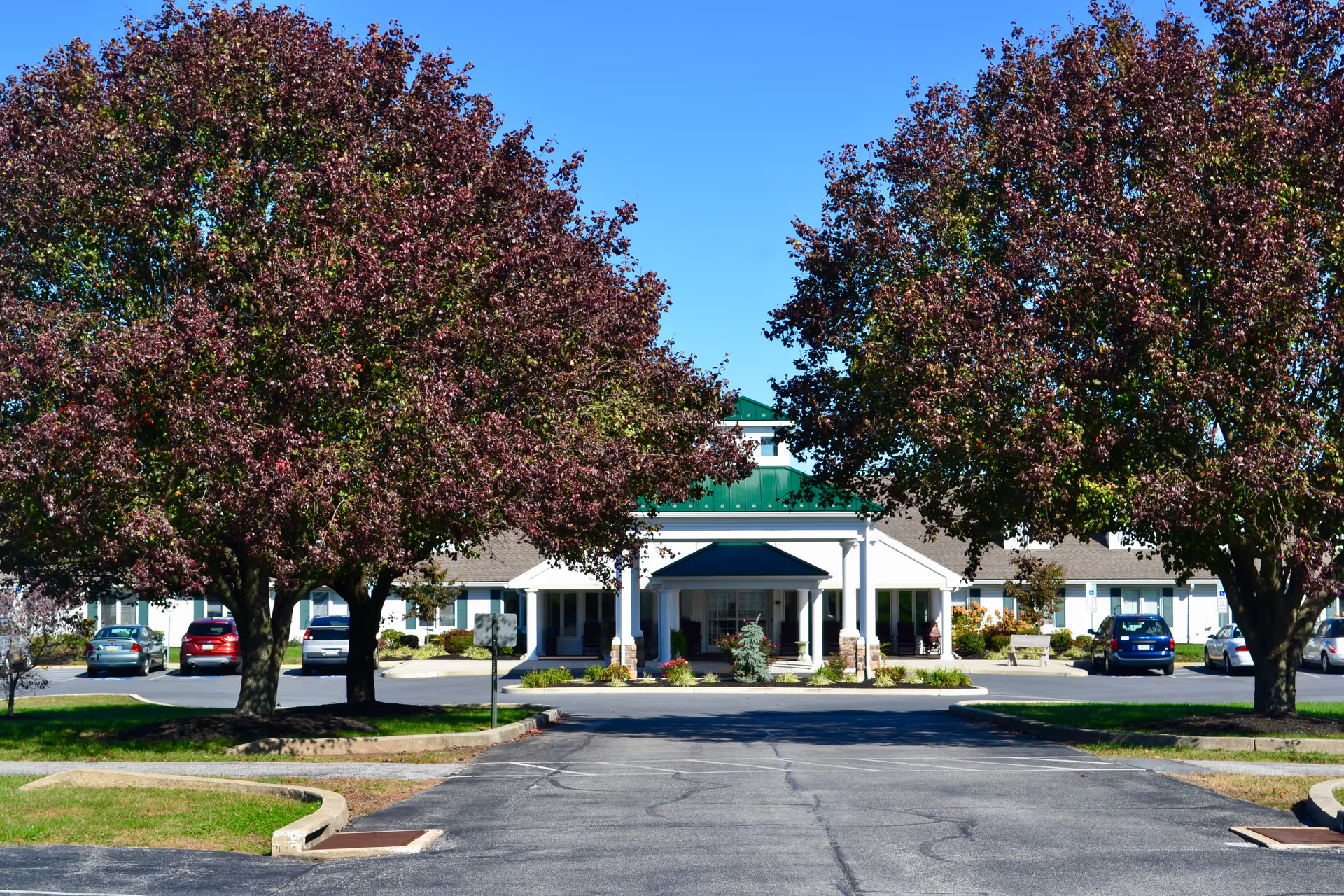
Facility condition and environment are similarly mixed. Multiple reviewers report well‑maintained, clean common spaces, a pleasant atmosphere, accessible outdoor areas, and easy parking and entry processes. Conversely, there are repeated mentions of cleanliness and sanitation issues in specific rooms and bathrooms, odor concerns, and pest‑control worries in some areas. These discrepancies suggest variability in housekeeping and unit-level oversight rather than a uniform facility condition.
Management and operations appear to be inconsistent over time and between units. Positive comments about administrative readiness, helpful leadership, and effective communication coexist with reports of administrative disorganization, limited weekend leadership presence, payroll disputes, and staff turnover with heavy reliance on temporary employees. Serious governance concerns are present in a subset of reviews, including allegations of theft and financial misconduct and concerns following a resident's death; these are not the dominant narrative but are significant and would merit inquiry by prospective families.
Taken together, the reviews indicate that resident experience at Gettysburg Center may depend strongly on unit staffing, local leadership, and the presence of experienced permanent staff. Prospective residents and families should observe current staffing levels, ask about weekend leadership coverage, review clinical protocols for medication, wound care, and incontinence care, inquire about pest control and housekeeping schedules, and request references about therapy outcomes. The facility demonstrates clear strengths in compassionate caregiving and certain administrative functions, but operational inconsistencies and serious isolated allegations suggest the need for careful, up‑to‑date evaluation before placement.