Overall impression: Reviews describe a facility with a mix of clear clinical strengths and significant operational shortcomings. Positively, Brinton Manor is frequently credited with competent therapy services, a collaborative nursing team, and staff members who are caring and engaging in many interactions. Several accounts describe effective short-term rehabilitation outcomes, capable therapy staff, and supportive social work and admissions personnel who facilitate transitions.
Care quality and clinical issues: Clinical performance appears uneven. Many families and residents praised nurses, CNAs, and therapy clinicians for professionalism and effectiveness in restorative care. However, there are repeated concerns about inconsistent responsiveness to nurse-call systems and delays in attending to resident needs, which in some cases led to emergency transfers. Medication-administration gaps and instances of incorrect dosing are cited alongside wound-care and pressure-injury prevention inconsistencies. Reviewers also described gaps in toileting assistance and bathing schedules; these point to systemic staffing and workflow challenges that affect basic personal care.
Staff and communication: Staff behavior is described ambivalently — while many reviewers highlight compassionate, team-oriented caregivers, others describe tone and conduct issues, scheduling mistakes, and poor communication with families. Several narratives reference inadequate family notification about clinical changes or transfers, and difficulties obtaining medication lists or clarification about care plans. Language-access limitations (notably limited Spanish-language support) were noted as a barrier for some families.
Dining and activities: Dining is a recurrent area of dissatisfaction. Concerns include food served at inappropriate temperatures and limited food variety or appeal. Activities programming is portrayed as limited in scope by some residents — frequently characterized as repetitive or low-engagement offerings — while other accounts note welcoming recreational staff and regular activities. Overall, meaningful engagement options appear inconsistent across the resident population.
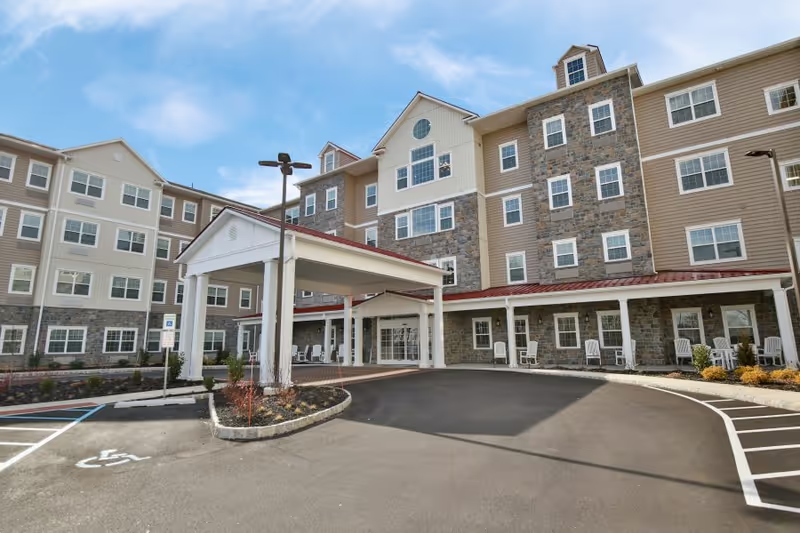
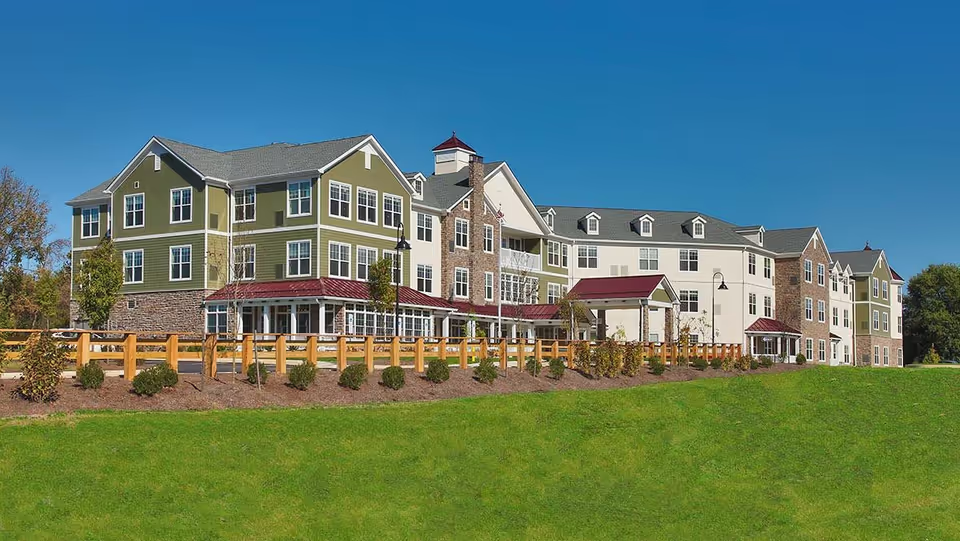
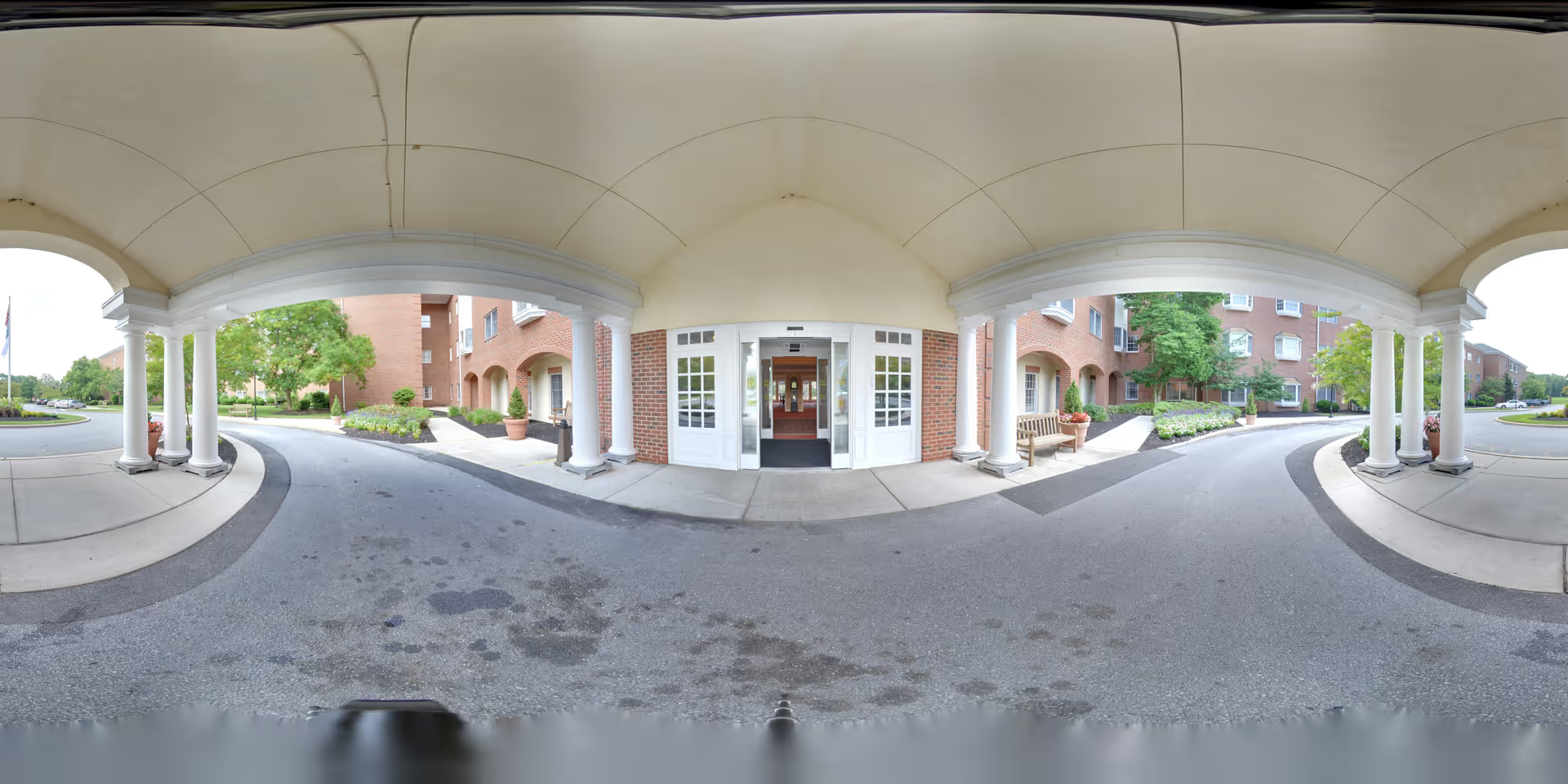
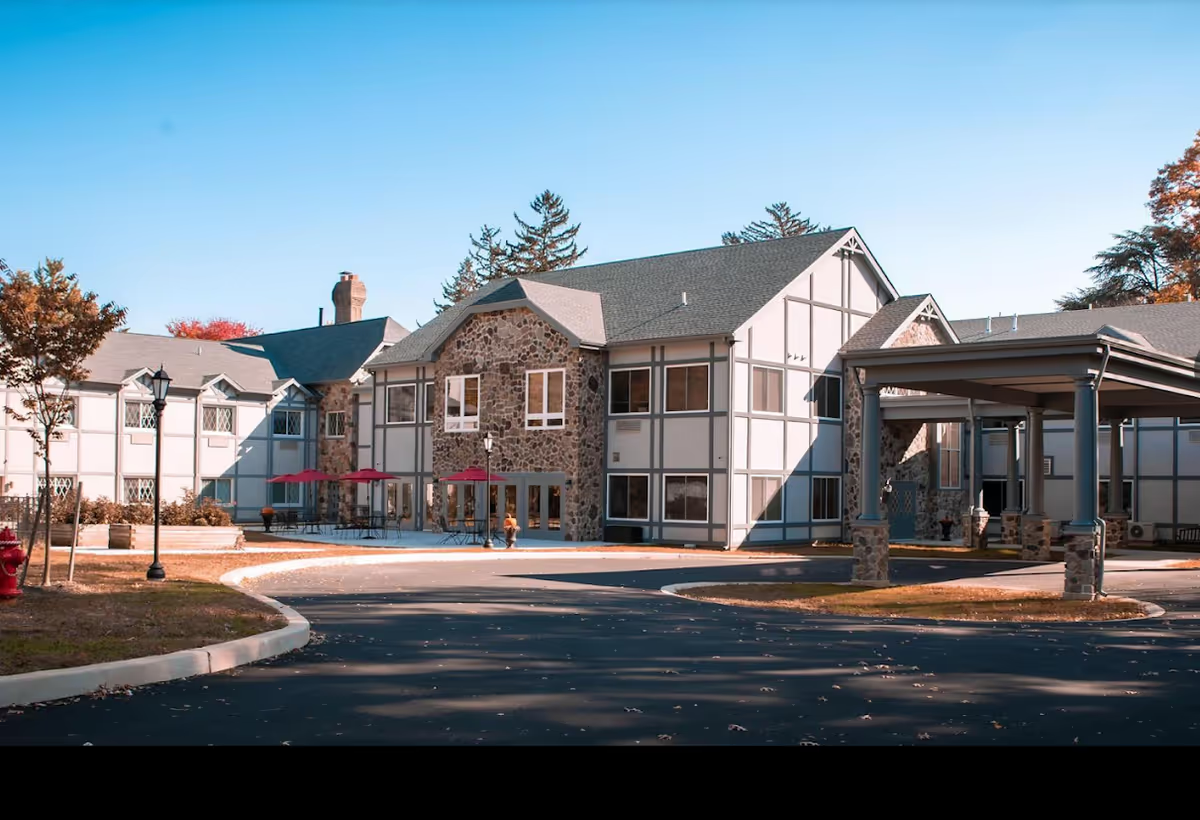
Facilities, safety, and sanitation: Physical plant observations vary from clean, well-kept rooms to serious sanitation and maintenance concerns. Specific weaknesses include inconsistent laundry and linen processes, odor and sanitation issues in common areas and bathrooms, pest-control concerns, and environmental safety problems such as unsecured cables, damaged railings, and other maintenance hazards. Parking and limited handicapped spaces were also identified as accessibility constraints.
Management and notable patterns: Patterns suggest staffing shortages and uneven weekend coverage contribute to many operational problems (delayed responses, missed therapies, and inconsistent personal care). There are also concerning allegations involving personal-property loss and financial irregularities; these have prompted regulatory complaints in some accounts. While many staff members are highlighted positively, management-level issues around scheduling, accountability, and communication appear to underlie several of the negative operational themes.
Guidance for families: Prospective residents and families should weigh Brinton Manor's strengths in rehabilitation and several compassionate staff members against documented operational weaknesses, particularly in sanitation, medication management, responsiveness, and safety maintenance. If considering placement, ask specific questions about weekend staffing levels, wound-care protocols, medication-administration safeguards, call-bell response times, laundry/linen procedures, property-security measures, and language-access services. Observing meal service, activity offerings, and staff interactions during a visit — including how the facility handles family communication and emergency transfers — will help assess whether the facility's clinical strengths align with your expectations and needs.