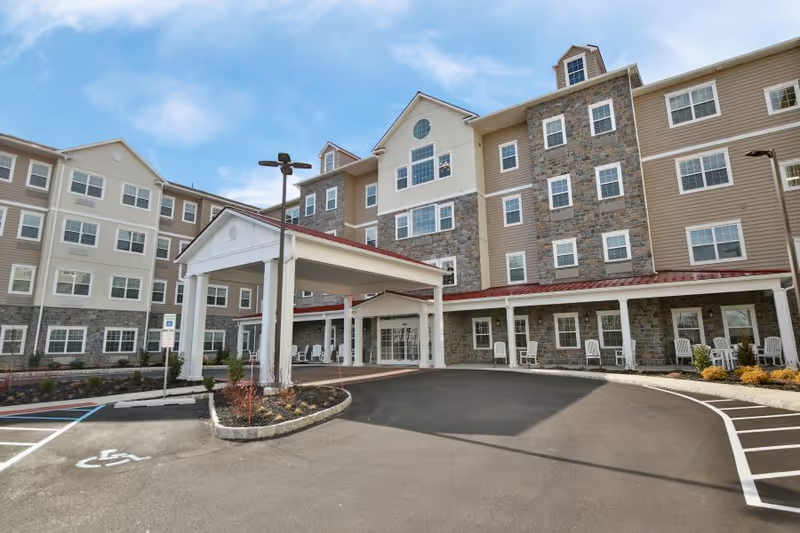
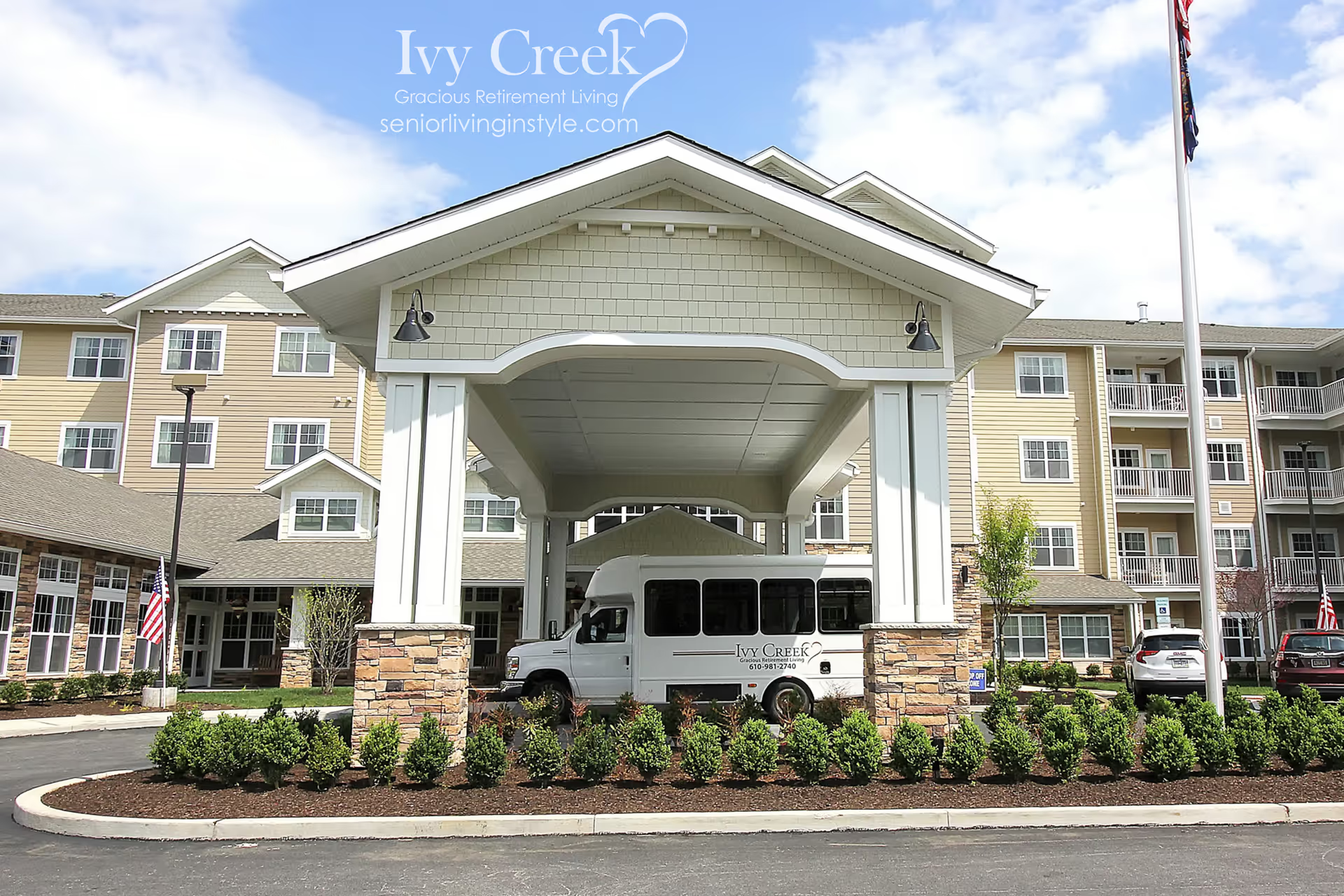
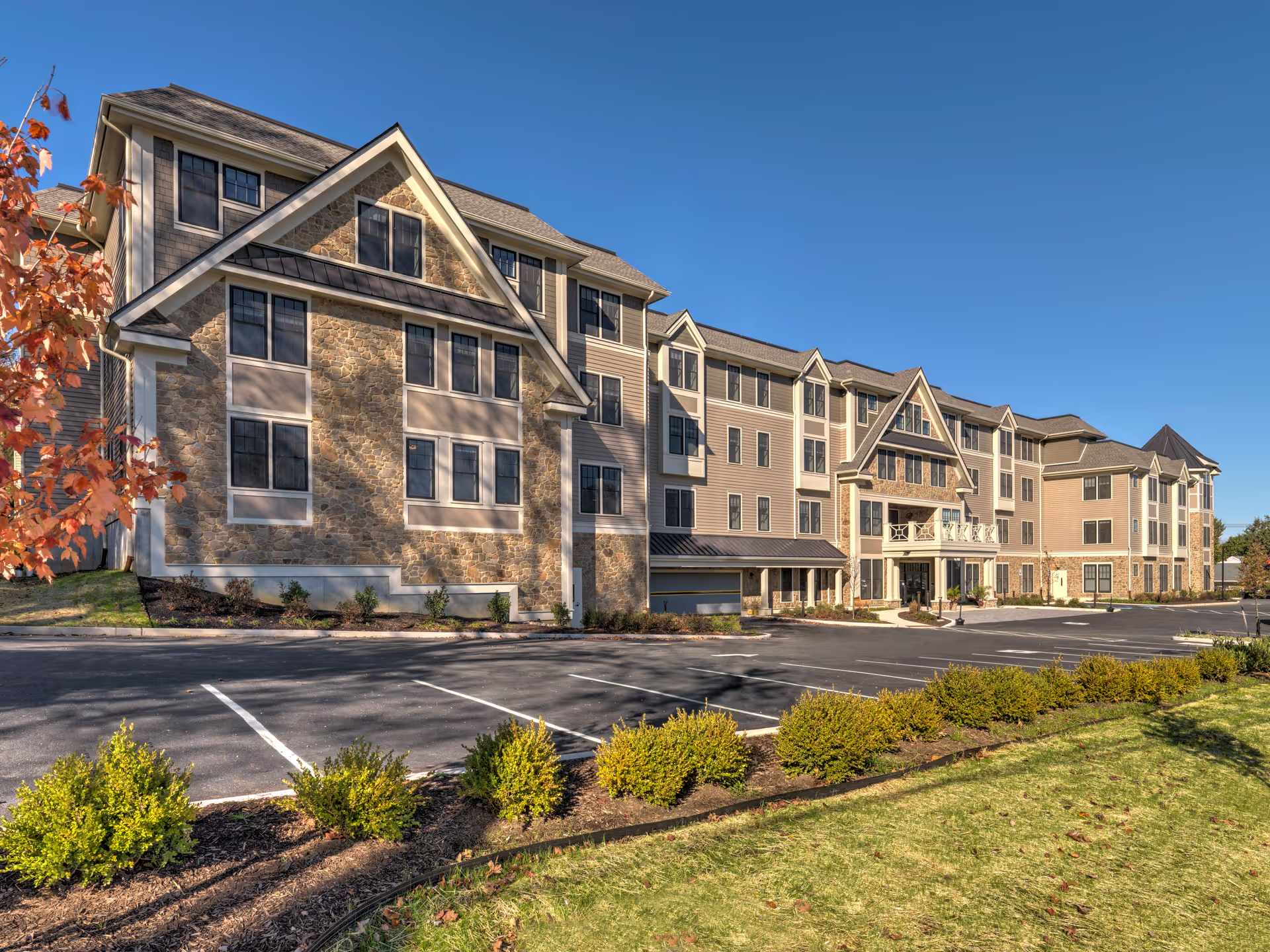
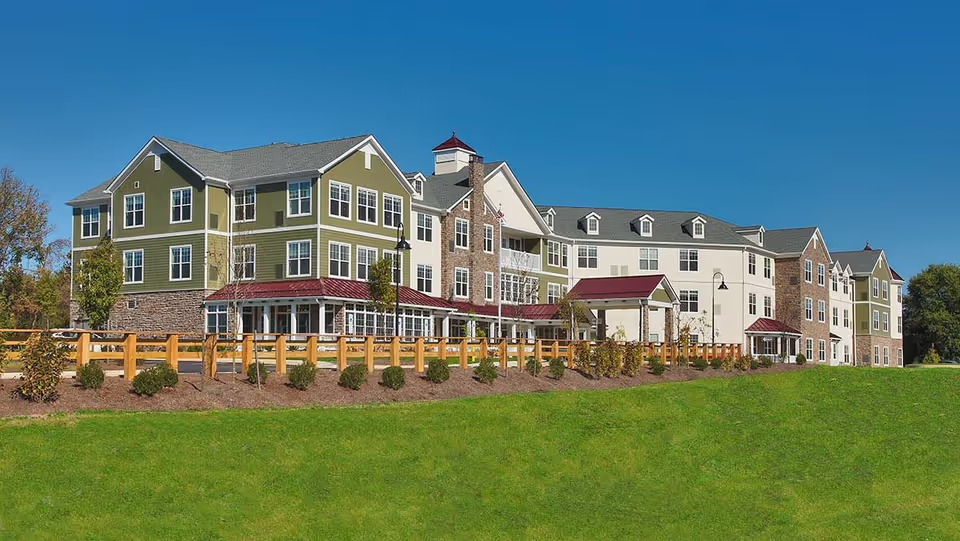
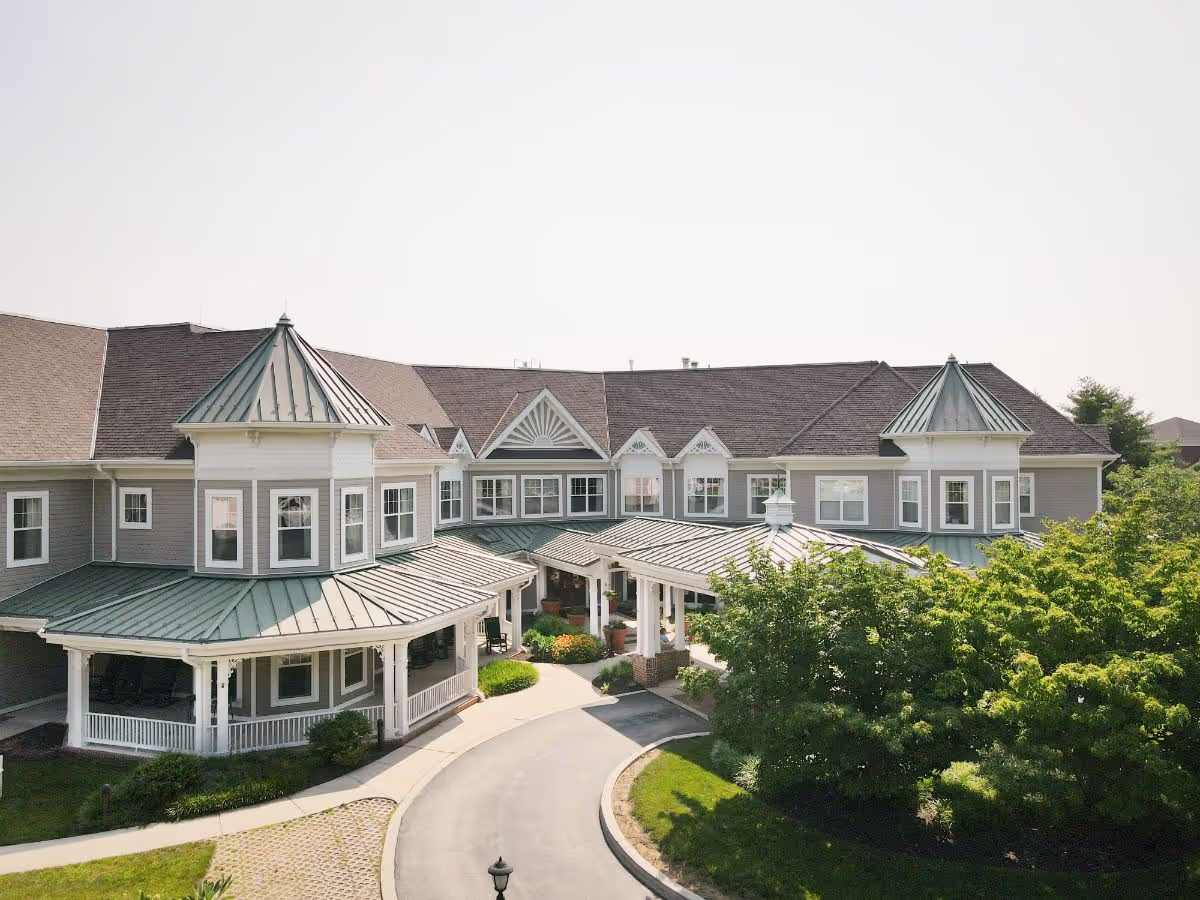
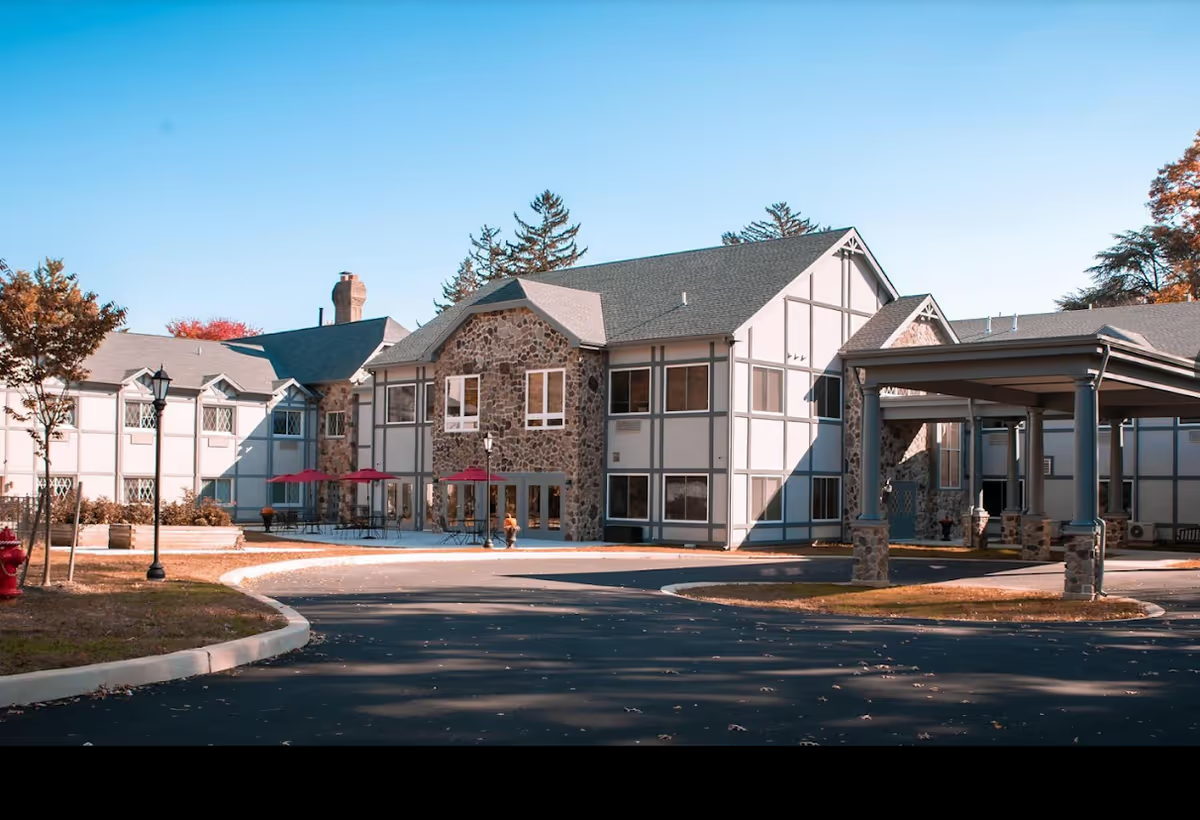
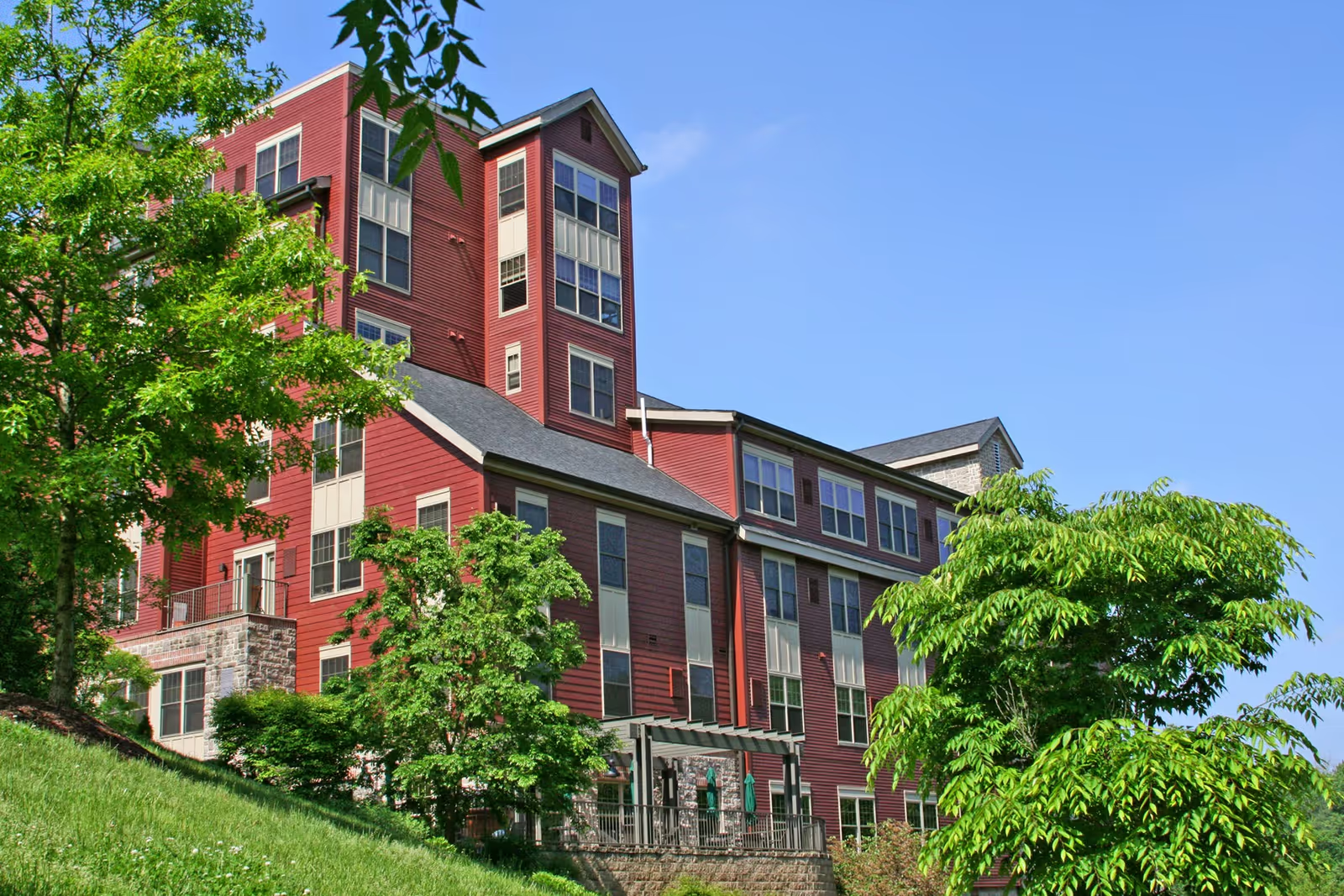
Overview Glen Mills Senior Living presents a highly mixed set of experiences. Many families and residents praise the facility's physical environment, communal spaces, and the welcoming tone of front-line staff. The building is frequently described as bright, modern, and well maintained, with a pleasant dining room, varied activities, transportation and therapy services, and a secure memory-care area. Those positives are accompanied by a substantial body of feedback expressing operational concerns that relate to clinical consistency, staffing, and management follow-through.
Care quality Families describe a wide range of clinical experiences. Positive accounts highlight genuinely caring nurses and CNAs, strong hospice coordination, and attentive check-ins that provide peace of mind. At the same time, several reviewers raised concerns about missed or delayed medications, medication-administration errors, reduced frequency of clinical monitoring, and delays in emergency coordination. There are instances that prompted licensing or regulatory review and at least a few serious family concerns following adverse resident outcomes; these have contributed to questions about consistency in clinical oversight and emergency-response protocols. Prospective families should seek clear, current information about staffing ratios, medication-administration policies, and emergency-response procedures.
Staff and culture Staff are frequently described as friendly, compassionate, and personable; specific staff members and directors receive repeated praise for responsiveness and personal attention. That said, narratives also point to variability in conduct and training across shifts, occasional rudeness or unresponsiveness, and use of agency nurses that can affect continuity of care. Several reviewers cited overworked staff and low availability at critical times, which aligns with other clinical concerns. Leadership style is presented as effective and hands-on by some families, while others describe shortcomings in complaint resolution and follow-through, especially during periods of ownership or administrative transitions.
Dining and activities The facility's dining environment, special-occasion meals, and the dining room ambience earn consistent positive comment. However, day-to-day menu quality and portioning are described as uneven in a number of accounts. Programming and social activities are a strong point for many residents — outings, games, and events are common — but there are also reports of advertised activities not occurring reliably. Memory-care programming and communal outings are cited as strengths; check the current weekly schedule and staffing levels to confirm consistency.
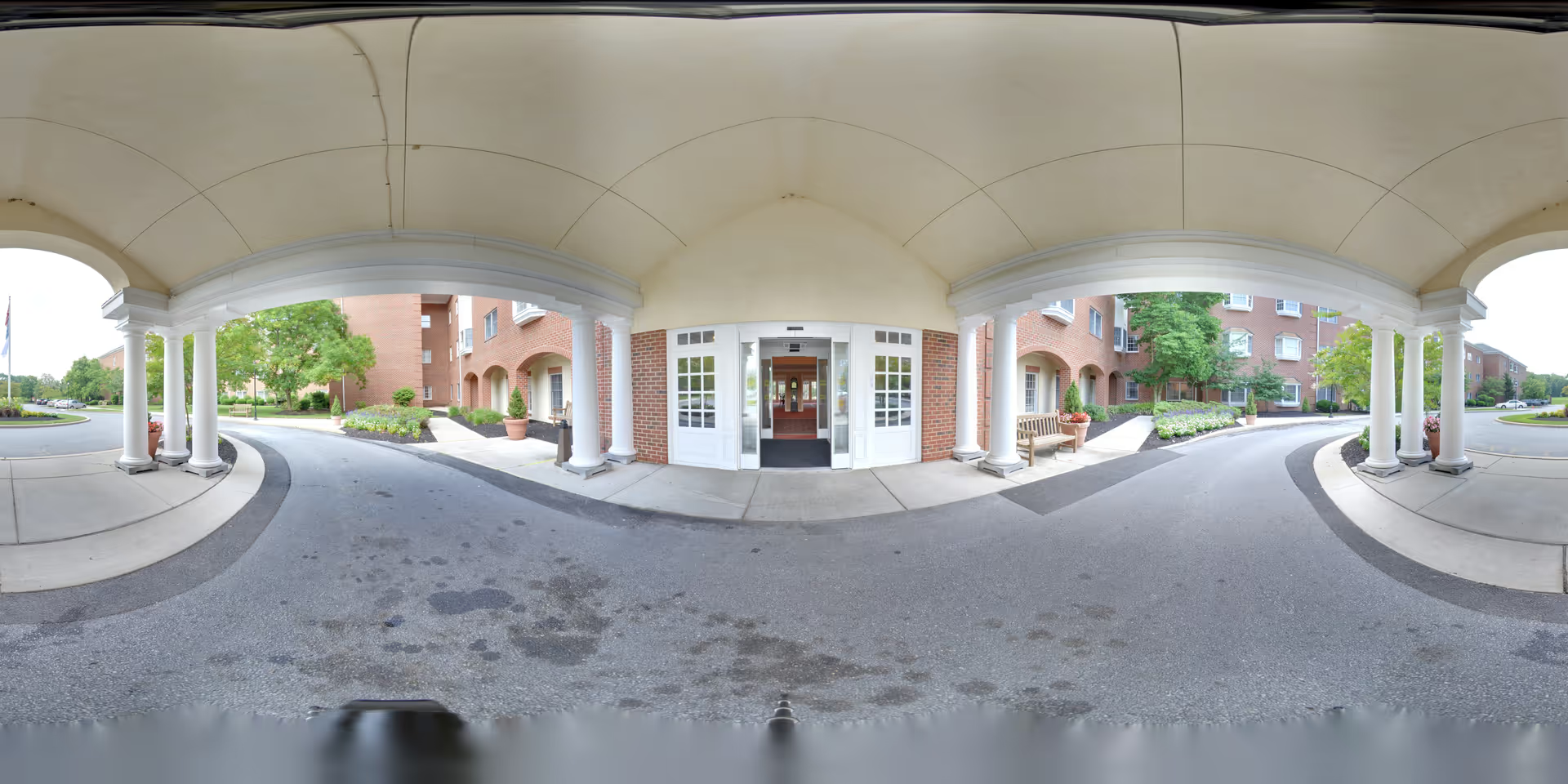
Facilities and accessibility Physical amenities are widely regarded as excellent: bright apartments, clean common areas, attractive grounds, and functional community spaces (bistro, theater, activity rooms). Some apartments are noted as compact, and a few accessibility challenges were reported — for example, companion suites or bathrooms that are not ideal for two full-time wheelchair users. Maintenance responsiveness is commonly praised, though sanitation and incontinence-care practices were flagged by multiple families as areas needing attention.
Management and notable patterns The review set shows polarization: many families feel the administration is proactive, warm, and communicative, while others describe slow or insufficient responses to complaints and concerns, especially around clinical incidents. Ownership changes and regulatory scrutiny have been mentioned and appear to have affected confidence for some families. There are isolated but significant allegations concerning personal-property security and financial handling that prospective families should address directly with management.
Guidance for prospective families Given the mix of strong amenity and community features alongside recurring operational concerns, prospective residents and families should conduct targeted due diligence. Recommended topics for discussion during a tour or meeting: current staffing levels and use of agency staff, medication-administration protocols and recent audit outcomes, emergency-response and transfer-safety procedures, sanitation and incontinence-care practices, theft-prevention and personal-property safeguards, activity schedules versus staffing coverage, and any recent regulatory findings or ownership changes. Doing so will help align expectations with the specific unit, level of care, and leadership currently in place at Glen Mills.