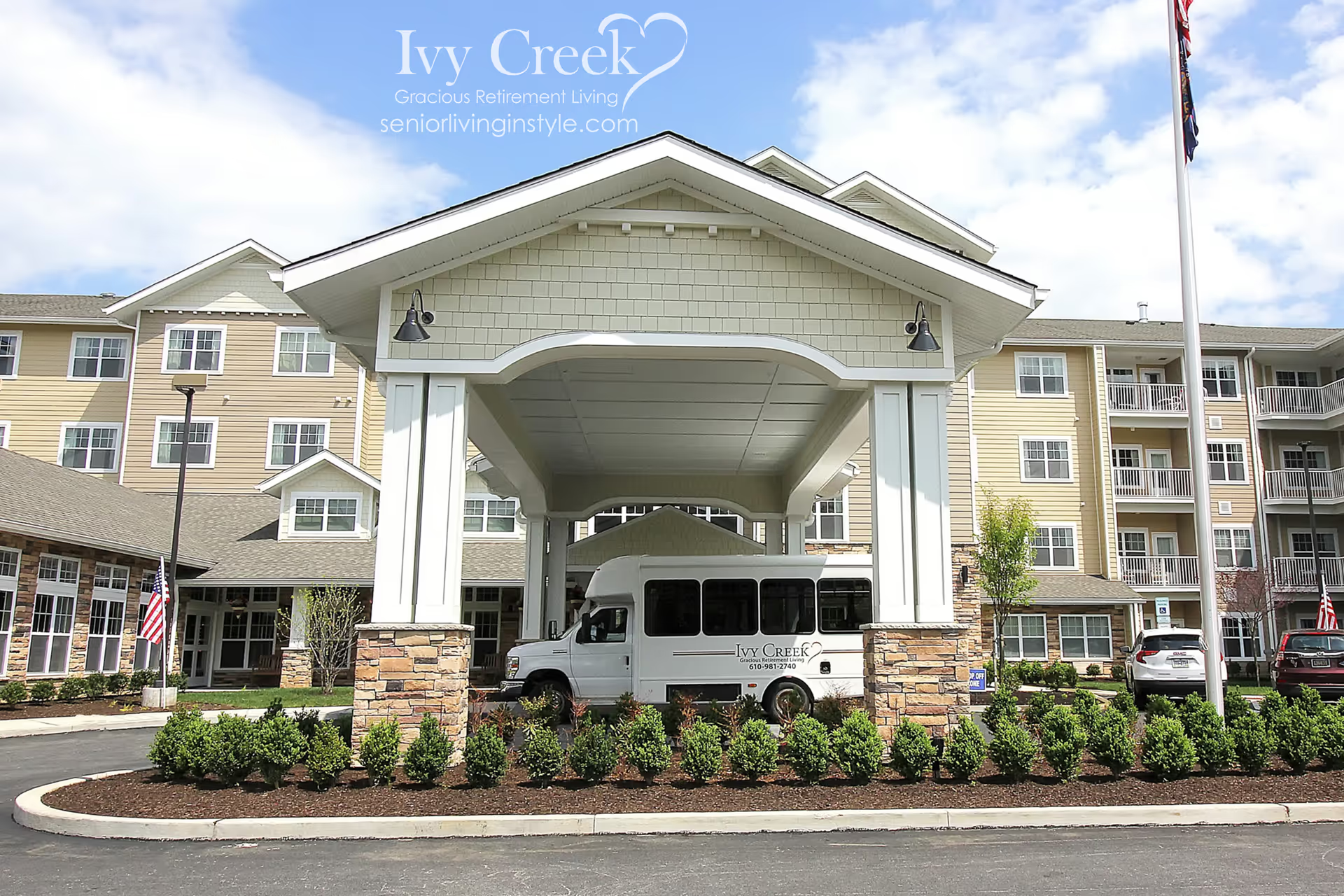
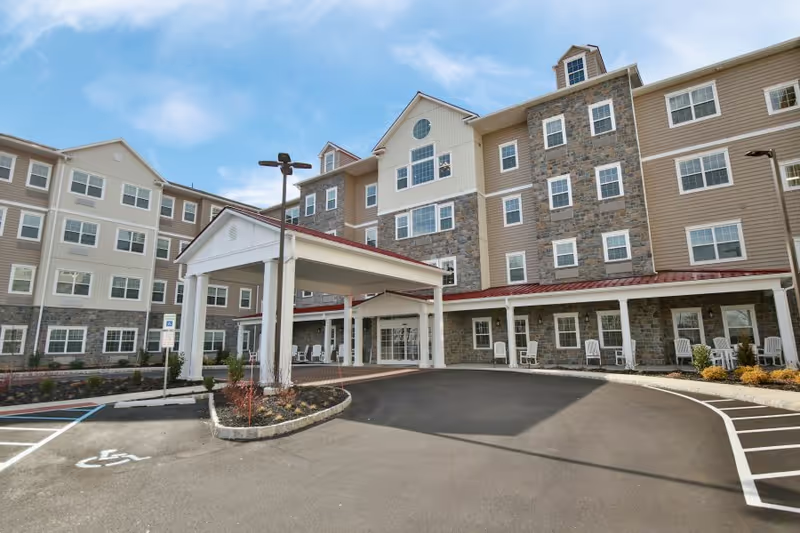
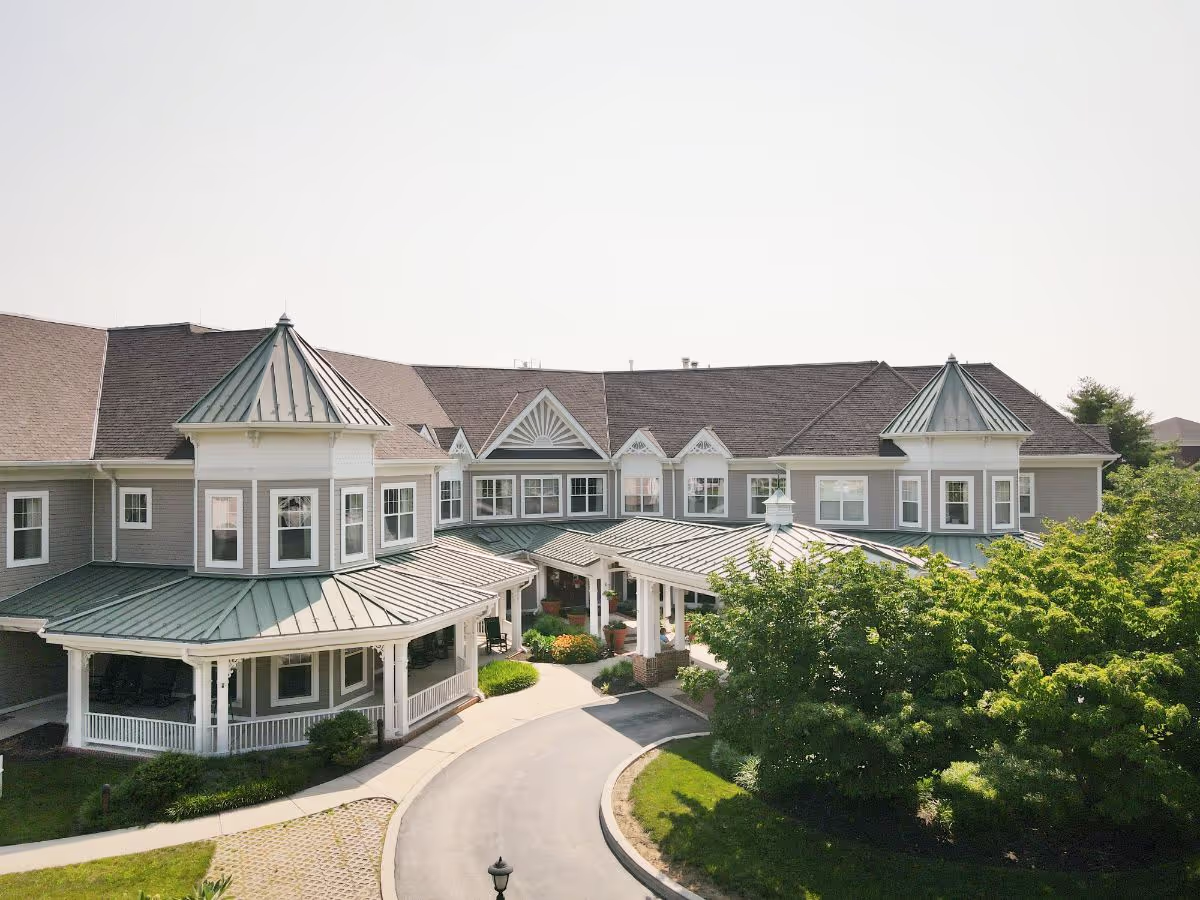
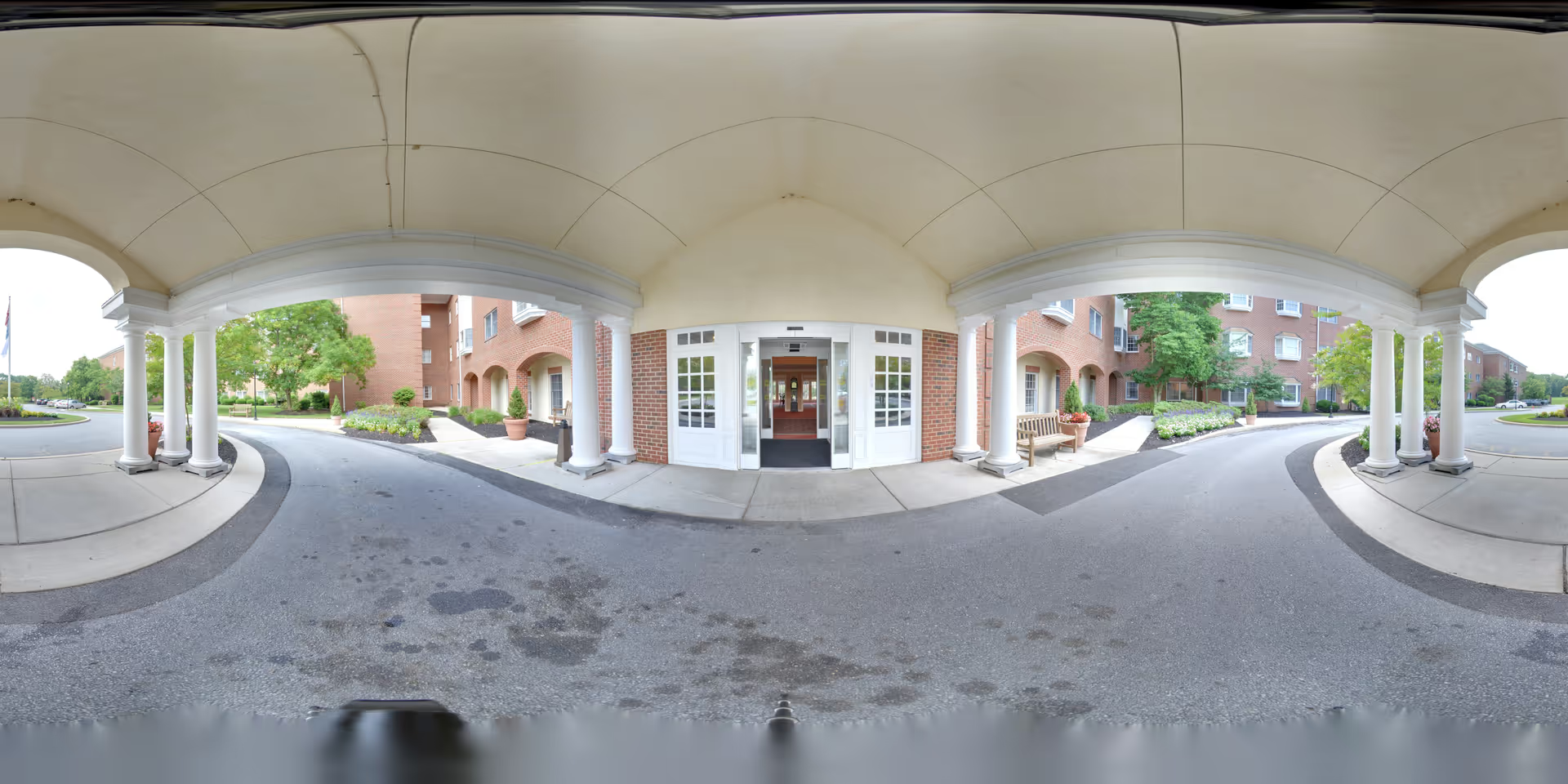
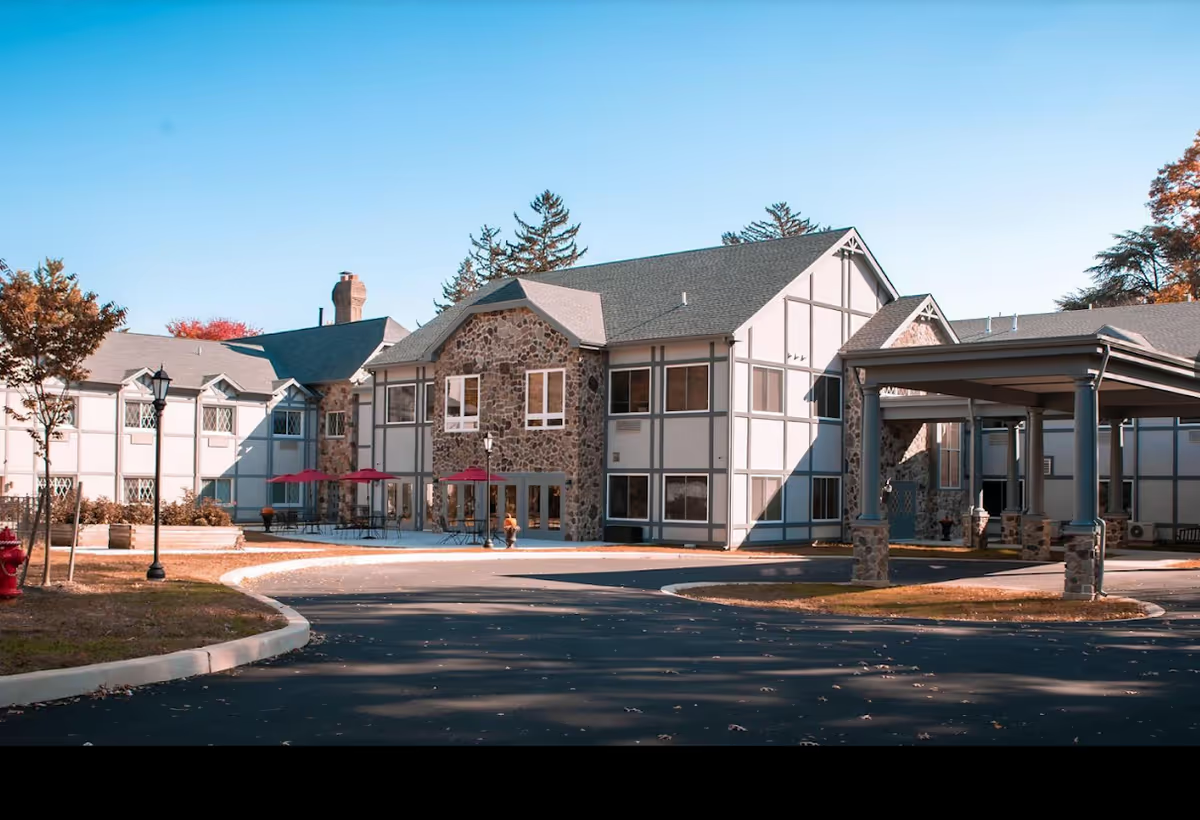
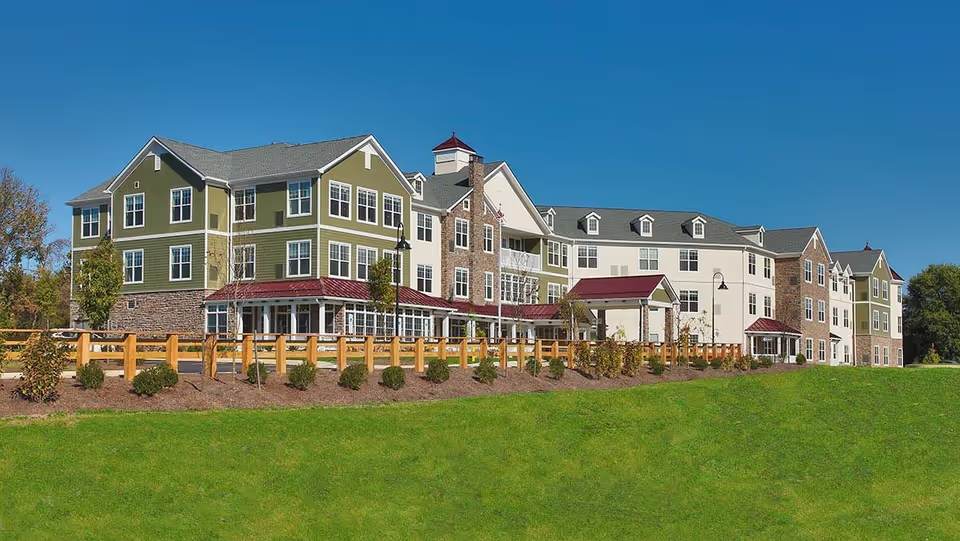
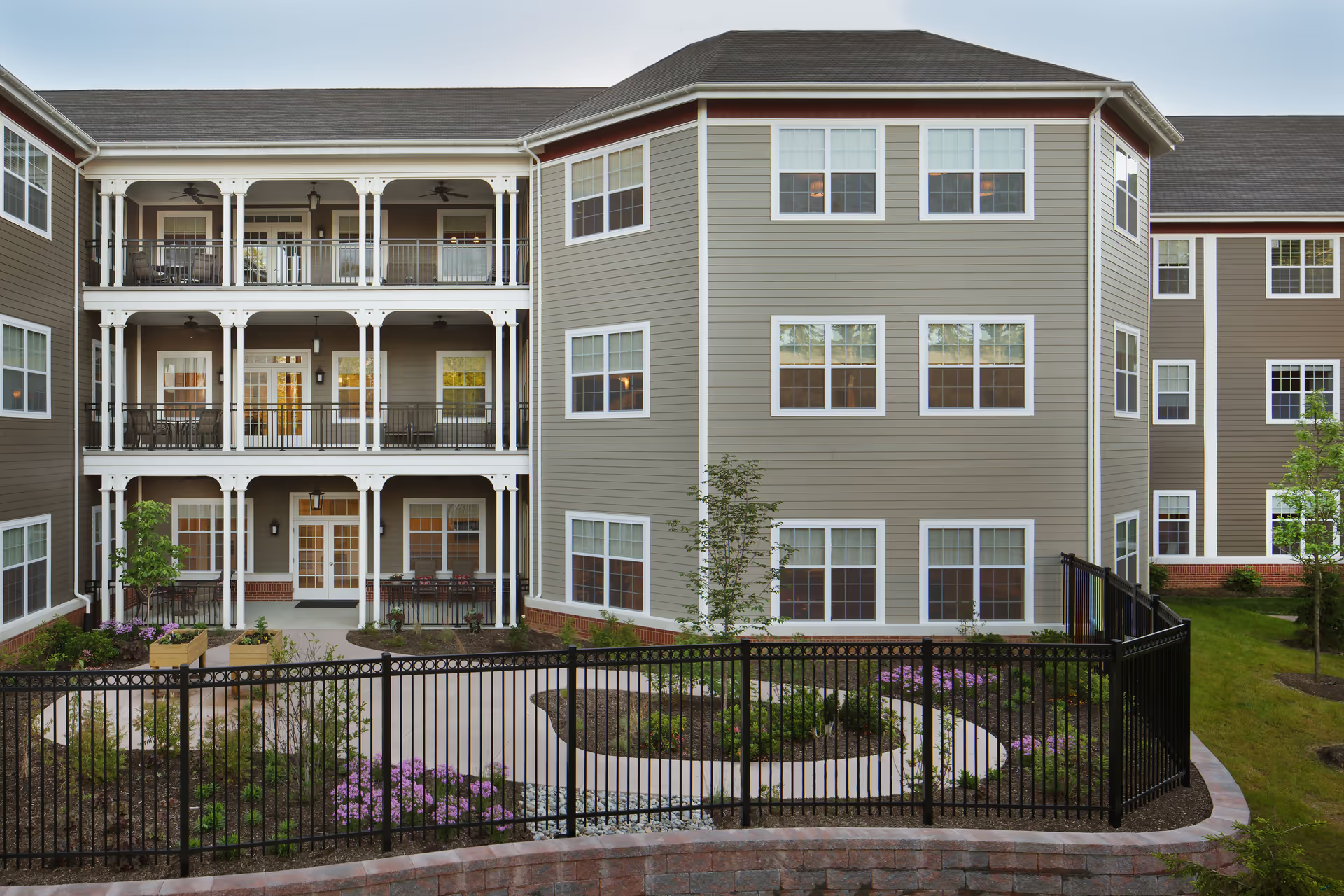
The Residence at Chadds Ford presents a largely positive impression in several operational areas while exhibiting consistent operational challenges that prospective residents and families should weigh. Strengths include a cohesive dining and hospitality model: reviewers repeatedly highlight high-quality, restaurant-style meals, attentive servers, flexible dining hours, and an overall emphasis on a pleasant dining experience. The physical environment is frequently described as clean, modern, and well maintained, with attractive common spaces, a relaxing garden patio, and apartment layouts designed for accessibility (notably larger bathrooms suitable for wheelchair access). The community’s smaller scale is often framed as an advantage for social engagement and personalized attention.
Staffing and direct caregiving are a central positive theme. Many accounts describe compassionate, attentive caregivers and frontline nursing staff who know residents by name and create a home-like atmosphere. On-site clinical supports — including physical and occupational therapy and visiting physicians — and a dedicated memory-care Reflections program are additional clinical strengths. Several families also cited improvements attributed to leadership changes and named managers who contributed to morale and operational improvement.
Countervailing themes relate to reliability and clinical governance. A recurring operational weakness is inconsistent staffing and high turnover among caregivers and nursing leadership, which has translated, in some accounts, into service delays, move-in complications, and uneven adherence to individualized care plans. Related concerns include gaps in clinical oversight and medication-management practices and lapses in family communication and incident notification; these are facility-level process issues rather than single-event descriptions and merit close attention during a tour and reference checks.
Amenities and programmatic consistency are mixed. While many residents enjoy engaging events and social programming, activity offerings have been variable, especially when occupancy is low or during infection-control periods. Reviewers also note that some common amenity expectations (for example, a pool, extensive fitness facilities, or large game rooms) are limited or absent, which factors into perceived value relative to regional competitors. The facility’s location on a major road is convenient for family visits but may introduce traffic noise for some apartments — a trade-off to assess in person.
Practical takeaways: families should verify current staffing ratios, ask for specific examples of how care plans are implemented and reviewed, and request detailed medication-management and incident-notification protocols. Confirm availability of higher-acuity long-term skilled nursing if that is a likely future need. If dining quality, a small-community atmosphere, and clean, modern spaces are priorities, the Residence at Chadds Ford demonstrates clear strengths. If continuous program availability, expansive amenities, or guaranteed continuity of specific clinical staff are essential, those areas require direct clarification during admissions discussions.