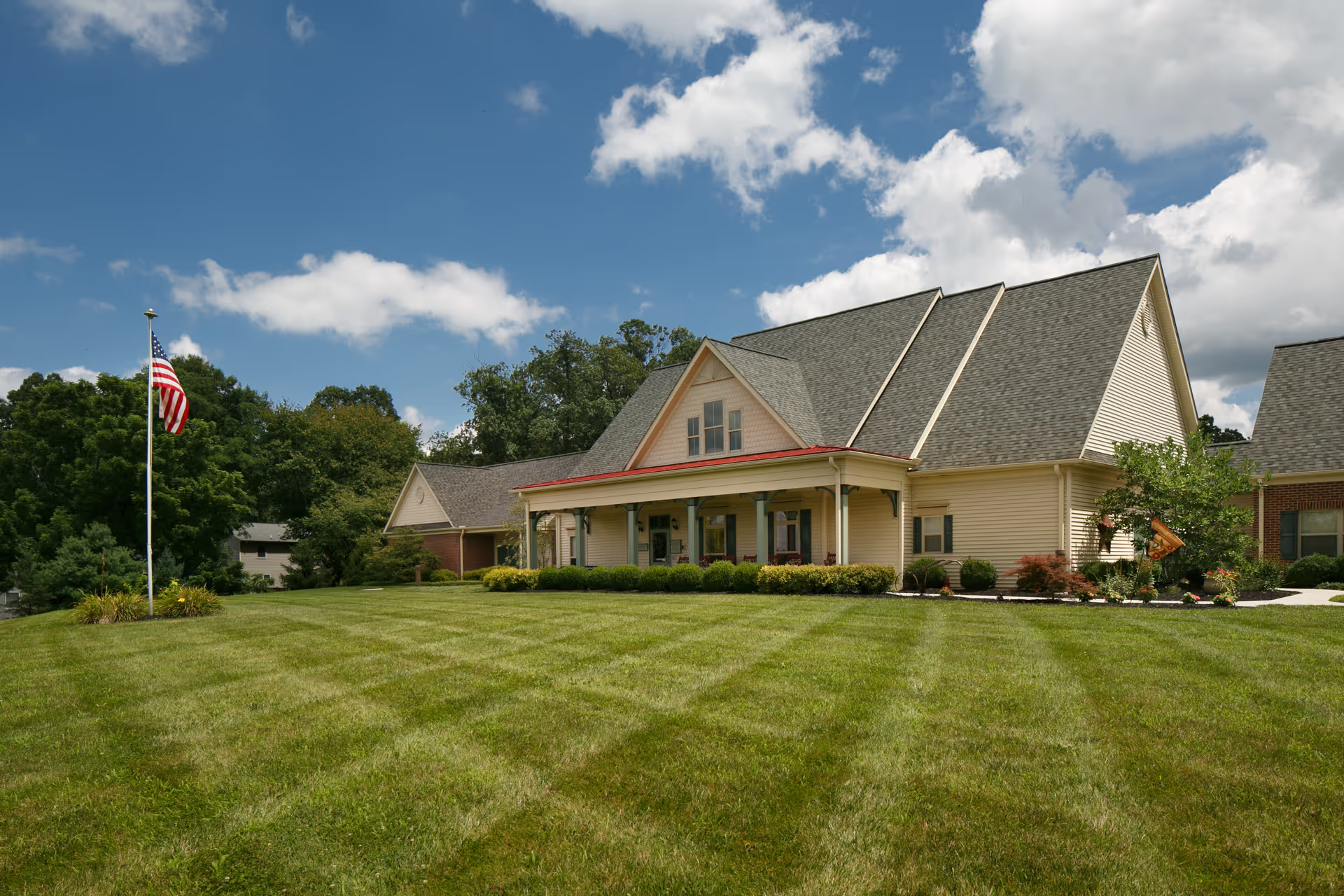
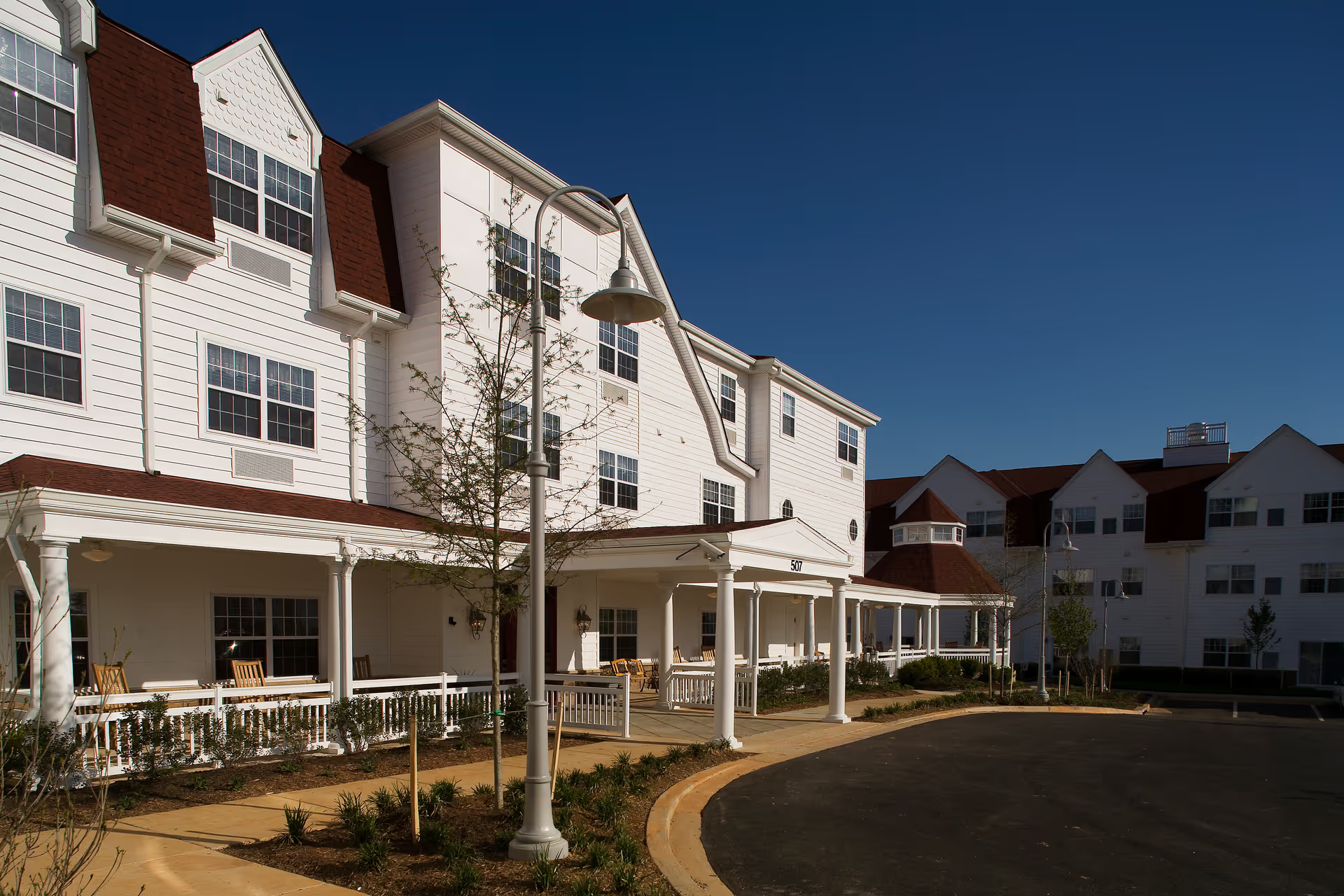
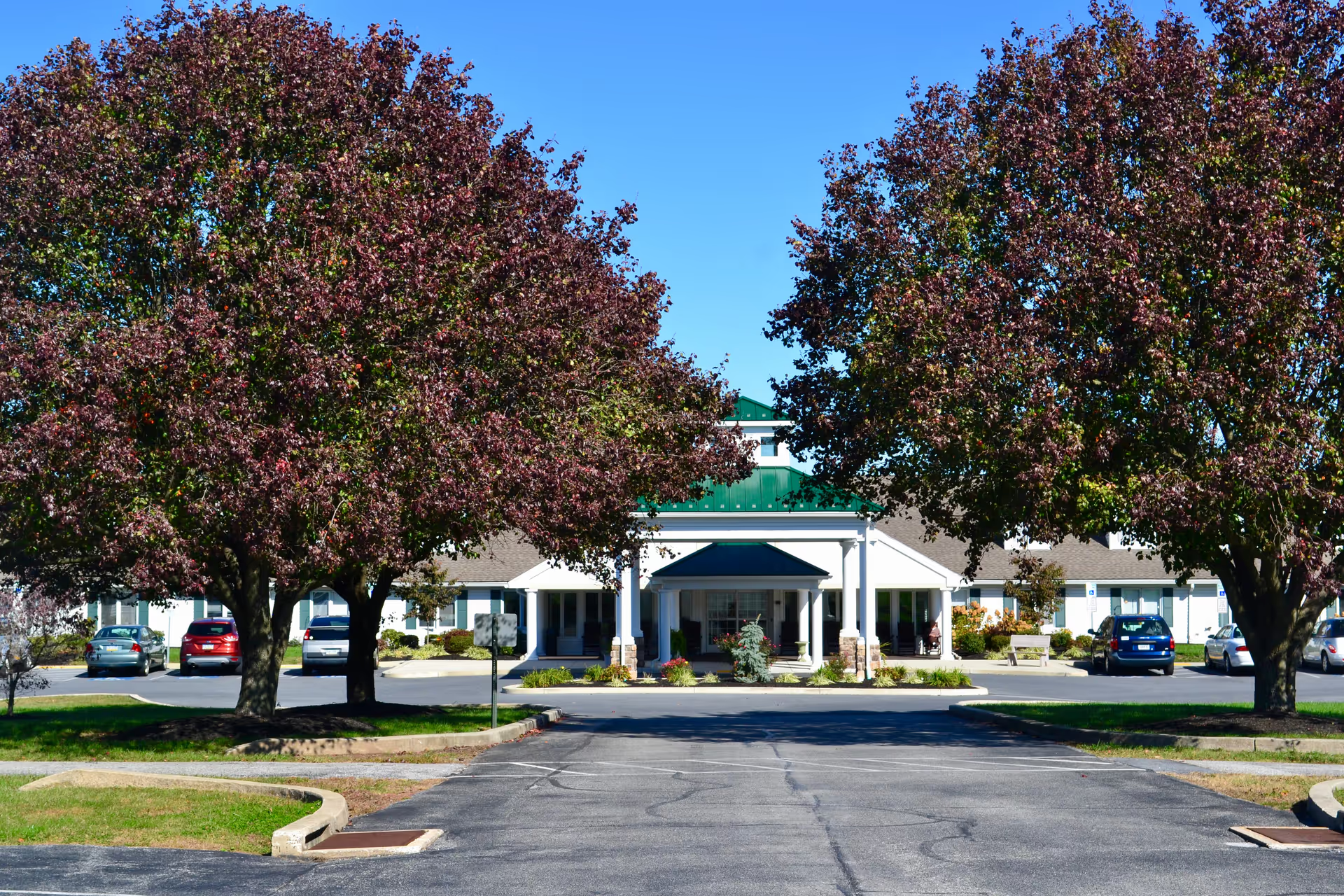
Overall impression: The facility is consistently described as a small, home-like residence with a family atmosphere and hands-on owners. Families and visitors emphasize respectful, dignified care and staff willingness to support transitions, which contributes to a strong sense of individualized attention. Clean, bright interiors and a convenient location are frequently noted alongside the perception that the facility delivers solid value for its cost.
Care and staff: Reviews emphasize compassionate, attentive caregiving from staff who are perceived as respectful and resident-focused. Owner involvement is a recurring positive, with owners taking a visible role in daily life and in supporting moves/transitions. Medication administration and basic clinical needs are noted as being managed. At the same time, the staffing model appears lean: employees are described as stretched across roles, and critical functions such as cooking or some care tasks may be covered by a single person. That staffing profile can affect responsiveness and continuity of services; prospective families should ask about staffing ratios, backup plans, and how the facility covers absences or peak-demand periods.
Dining and activities: Dining is viewed positively — reviewers highlight home-cooked meals, use of fresh produce, and seated communal meals that support social interaction. Activity offerings are modest and focused on basic social options (for example, bingo and occasional entertainment). Those seeking a more extensive or varied activity program may find the schedule limited; prospective residents should request a current weekly activities calendar and examples of off-site or specialty programming if those are important.
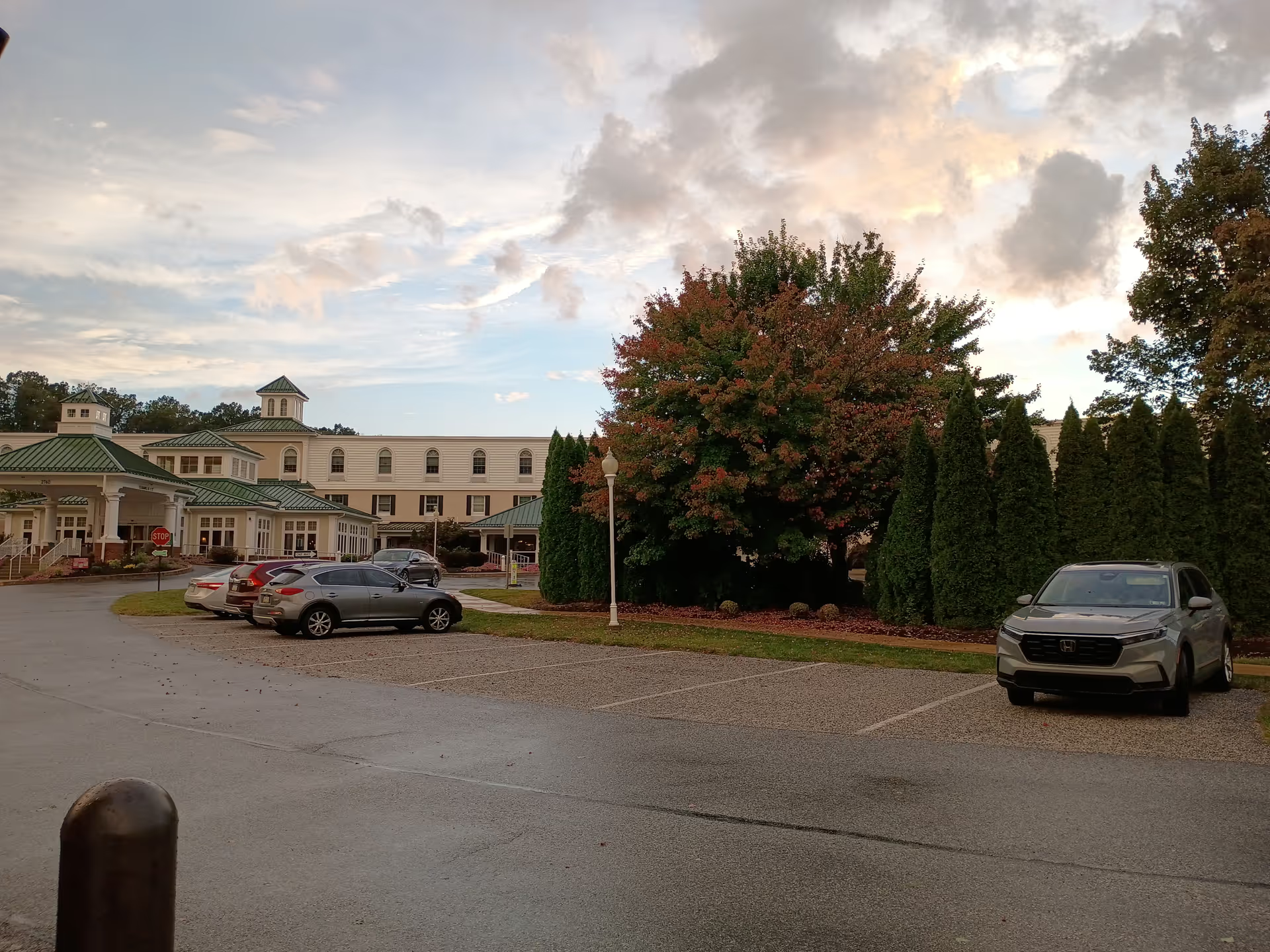
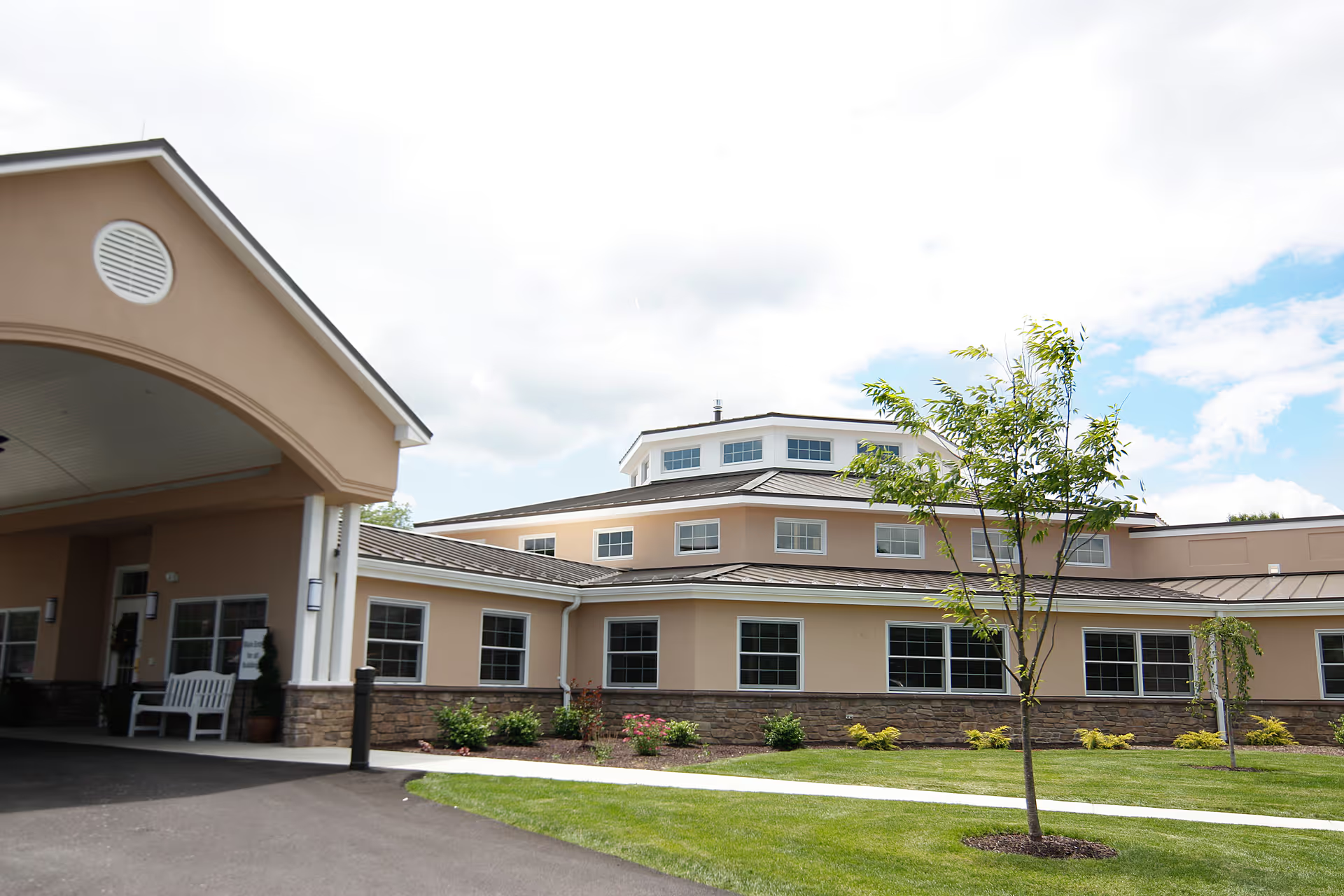
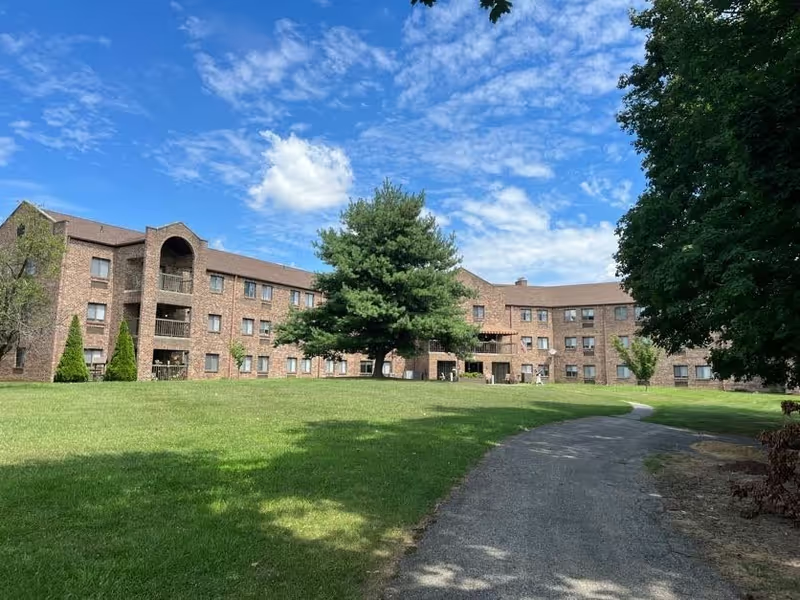
Facilities and maintenance: The setting is described as comfortable and not upscale — a practical, lived-in environment rather than a luxury campus. Cleanliness and bright common spaces are praised, but there are also notes about uneven room quality and some amenities needing maintenance or updates. Reviewers referenced specific maintenance items and areas that would benefit from attention, and there is a broader suggestion that pandemic-era infection-control upgrades or related facility improvements are needed. Asking to tour individual rooms and common areas and to review recent maintenance and infection-control efforts is advisable.
Management and communication: Ownership and management receive credit for hands-on involvement and resident-focused care, which helps create the family-like culture. However, there are recurring comments about inconsistent follow-up and communication when families or prospective residents try to make contact. This suggests a need to clarify communication protocols, designated family contacts, and expected response times before committing.
Notable patterns and decision guidance: Strengths center on individualized, respectful care, home-style dining, and a small-community feel with engaged owners. Trade-offs include limited staffing depth, a basic amenity level, and a modest activity program. Prospective residents and families should verify staffing coverage (including who covers meals and clinical needs), inspect specific rooms for condition variance, review infection-control practices put in place since COVID, and confirm how the facility handles family communication and follow-up. For people seeking a home-like, value-oriented setting with close owner involvement, the facility aligns well; for those requiring more robust staffing, a broader activities program, or upscale amenities, it may be less suitable.