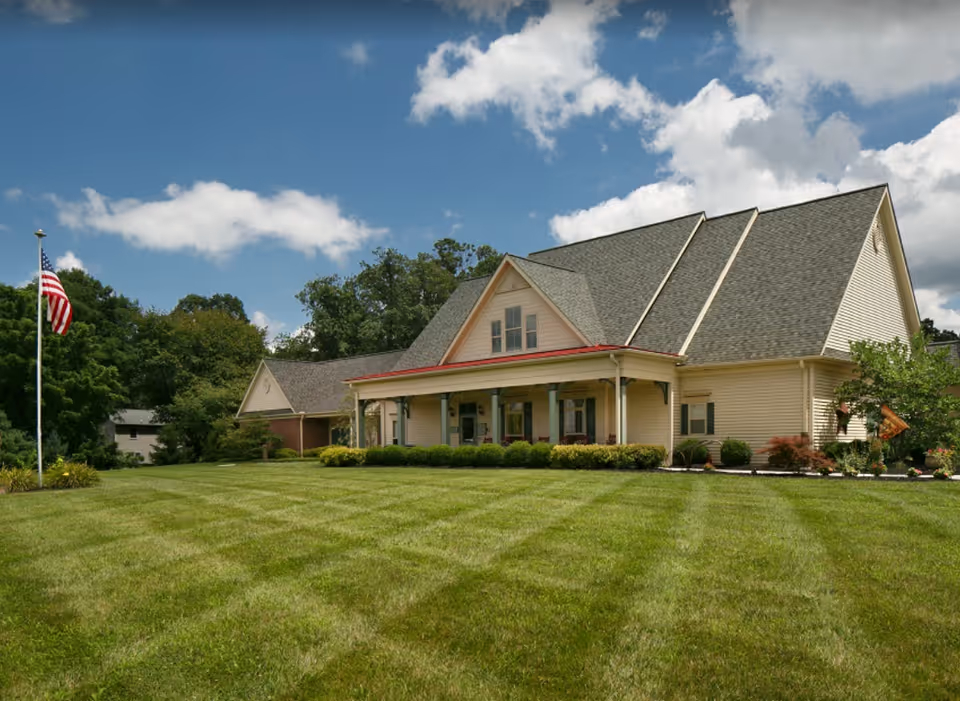
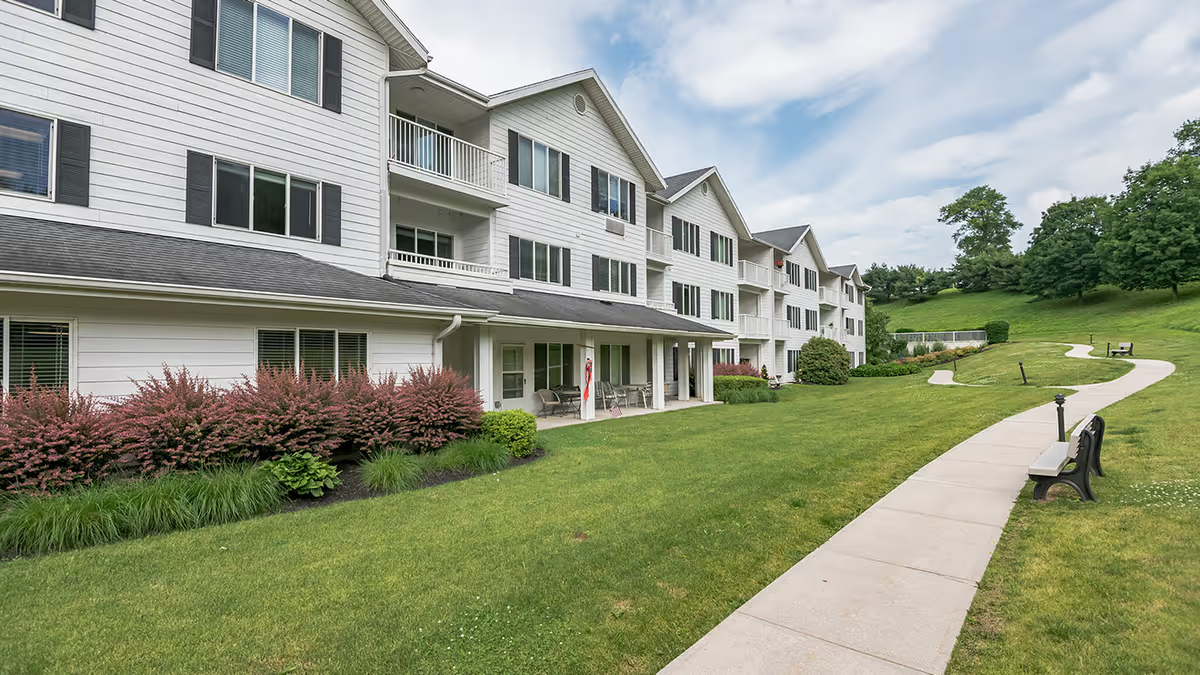
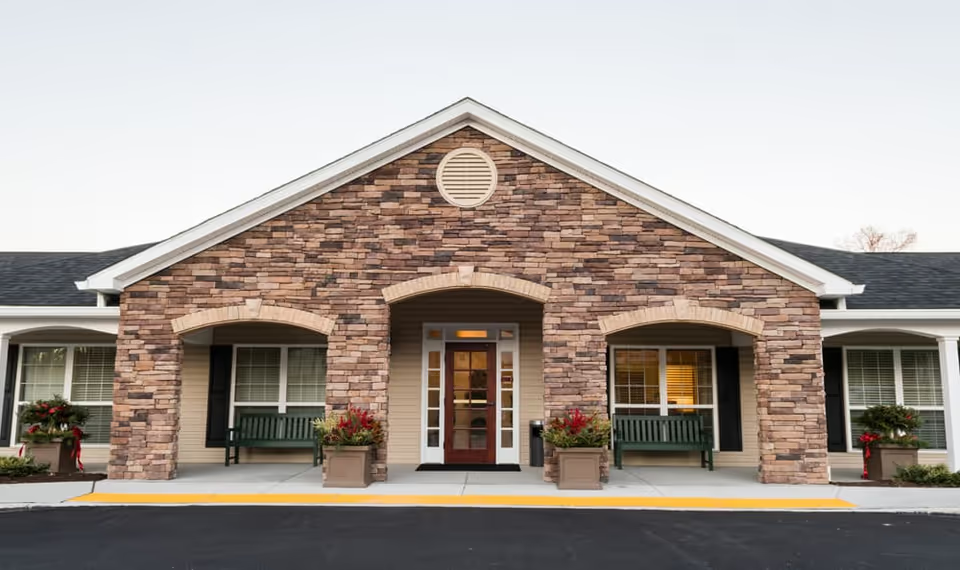
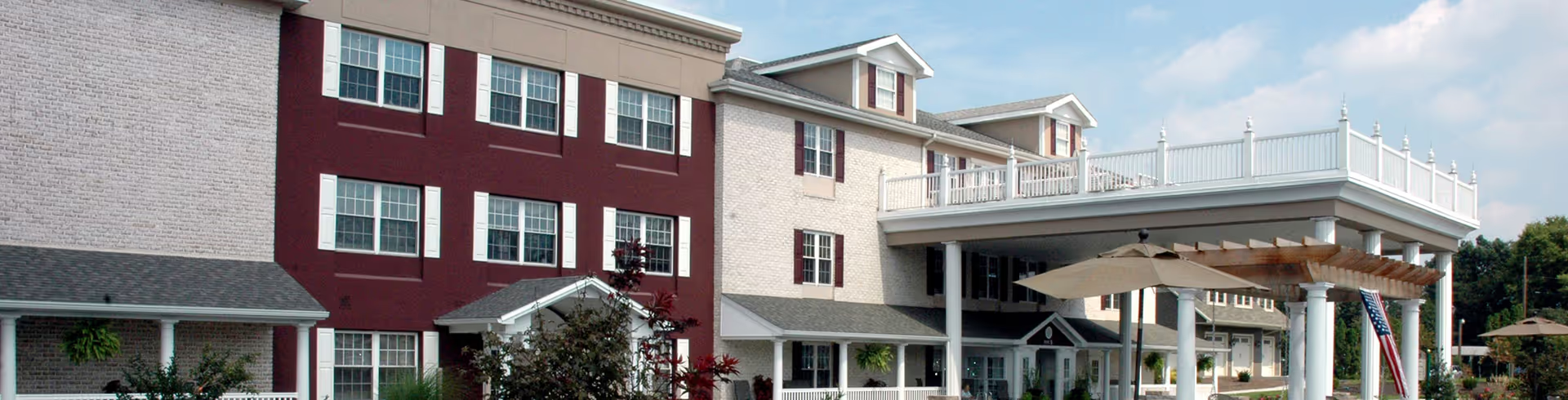
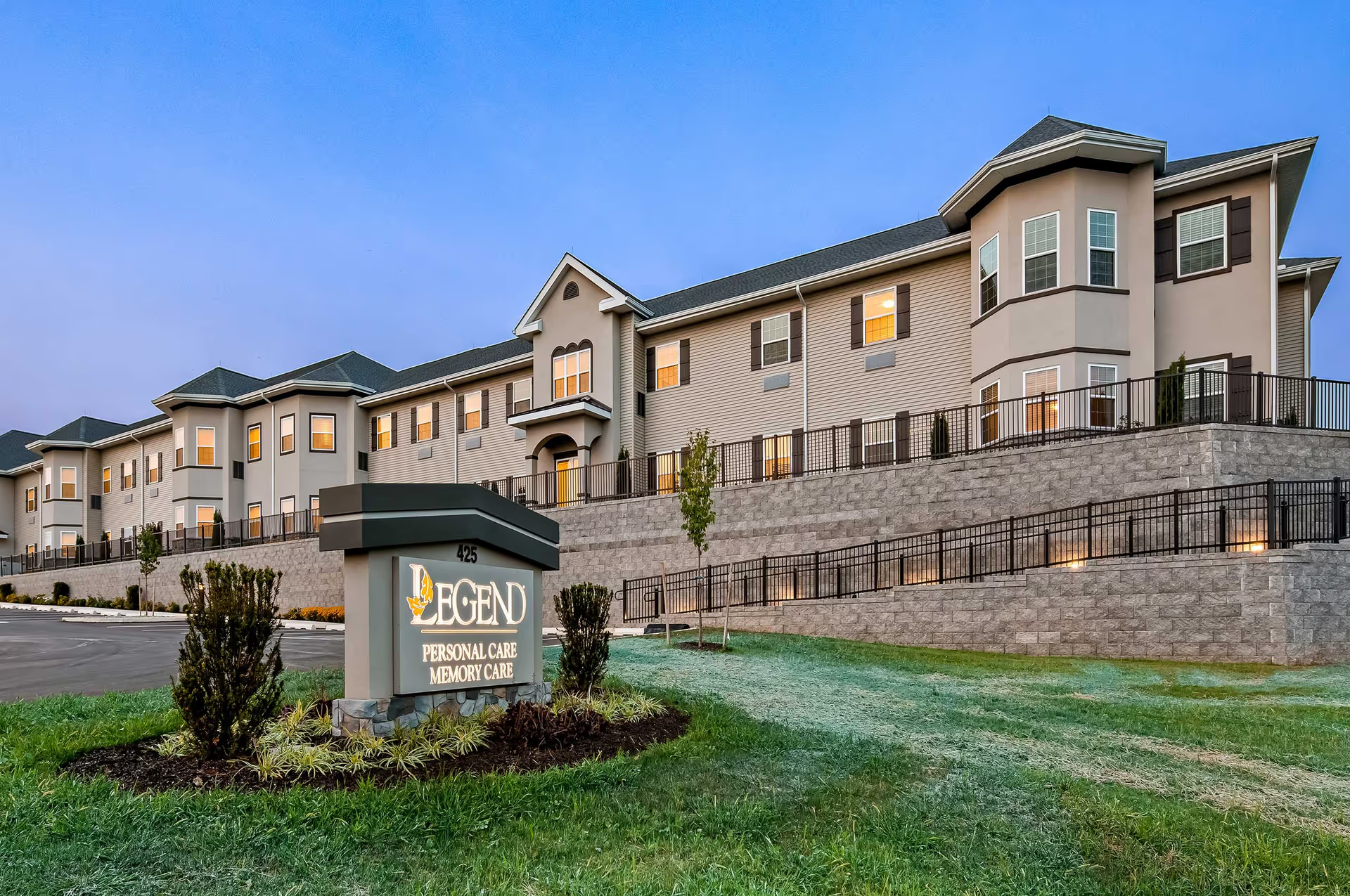
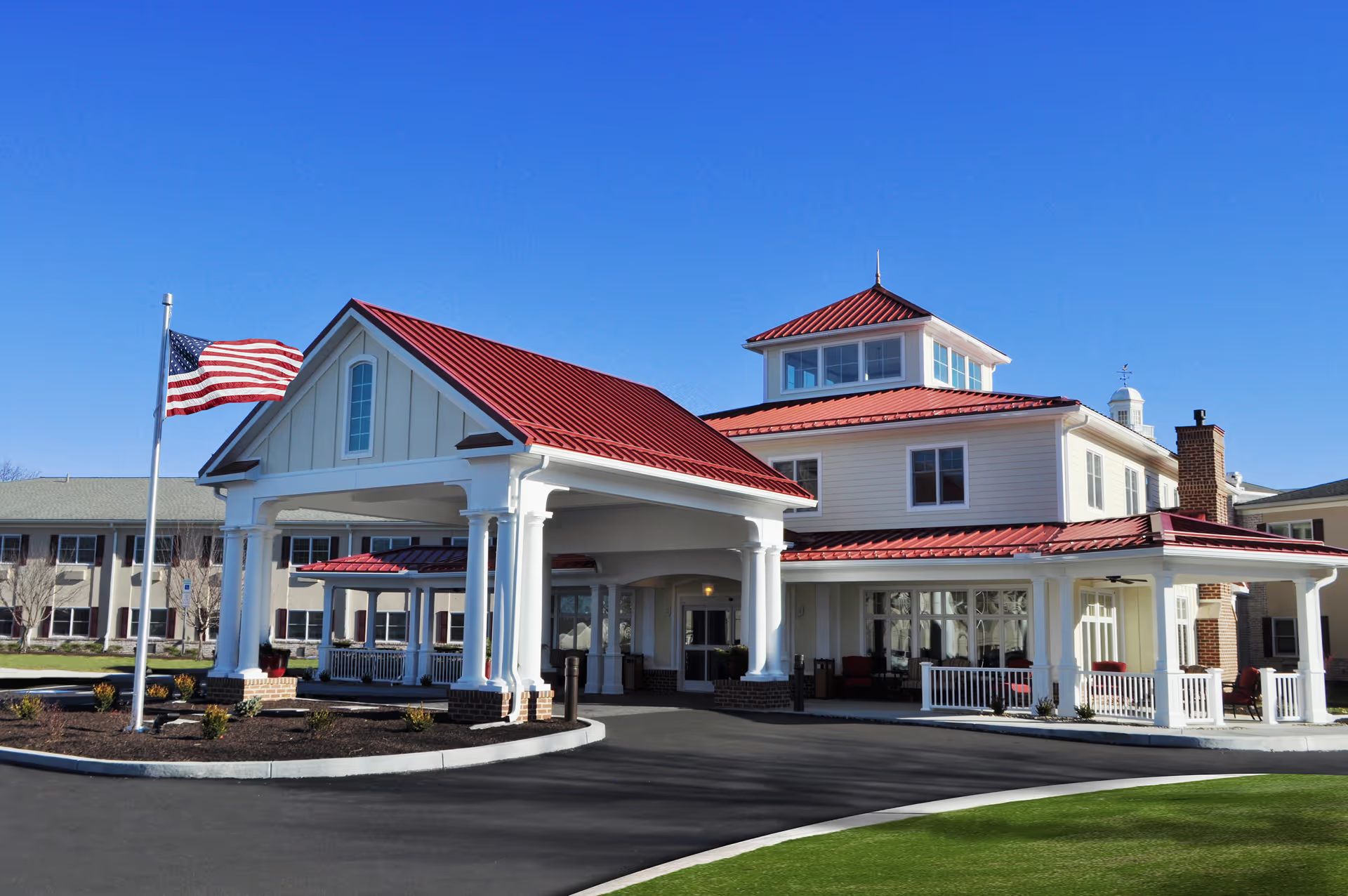
Butler Street Senior Living presents as a recently built or heavily renovated community with many features families seek: attractive, well-maintained interiors and grounds; a clear focus on communal amenities (salon, library, game room, chapel); and accessible design elements such as elevators and outdoor seating. The dining room is described as large and clean, with menu alternatives and popular dessert options. Social programming appears active and varied, with crafts, games, movie nights and a happy-hour offering that reinforce a social, home-like atmosphere. A dedicated memory-care neighborhood with a small capacity is part of the campus and residents in that neighborhood appear to dine and participate in activities alongside others.
Staffing and interpersonal interactions are consistently described as a strength. Tours and admissions interactions are frequently characterized as warm and informative; front-desk and caregiving staff are often described as personable, attentive and familiar with residents’ names. Management and maintenance also receive positive comments for upkeep and overall presentation of the building. Transportation to appointments and on-site security are available services that add to resident convenience and perceived safety.
Care-quality accounts are mixed and merit careful verification. Descriptions of clinical support vary: some accounts cite on-site nursing and physician visits and round-the-clock coverage, while others indicate limited nurse/doctor presence and no overnight nursing. Relatedly, concerns about medication management and clinical responsiveness were raised, and there are observations of understaffing or variable staff availability. Families should confirm current staffing levels, nurse/physician schedules, medication-administration protocols, and emergency-response arrangements directly with management before making decisions.
Memory-care programming and personal-care logistics are two areas to evaluate closely. While the separate memory-care neighborhood and integrated dining/activities are positives, descriptions of limited dementia-specific activity offerings suggest programming may be more social than therapeutic in scope. Several notes also indicate that families may be expected to supply certain personal-care items (for example, incontinence supplies and toiletries), which affects total cost and caregiving burden. Finally, a number of comments reference ongoing construction or finishing work during the facility’s opening period and variability in private-room sizes; these operational details can affect move-in timing and unit selection.
In summary, Butler Street offers a well-appointed, community-oriented environment with strong hospitality and social programming. Prospective residents and families who prioritize aesthetics, communal amenities and a welcoming staff are likely to find the community appealing. Those with higher or continuous clinical needs, or who require robust dementia-specific therapeutic programming, should obtain explicit, up-to-date information about overnight nursing coverage, medication-management procedures, staffing ratios, and what personal supplies are the family's responsibility to ensure an appropriate match between needs and services.