Luther Woods Nursing & Rehabilitation Center is frequently praised for the quality of hands-on clinical care, particularly skilled rehabilitation and wound management. Reviewers highlighted effective physical and occupational therapy programs, successful wound VAC usage, diligent medication oversight, and coordinated interdisciplinary care planning. Many families described attentive nurses and aides who provided compassionate, person-centered attention; care conferences and clear communication with families were noted as helpful for planning and transitions.
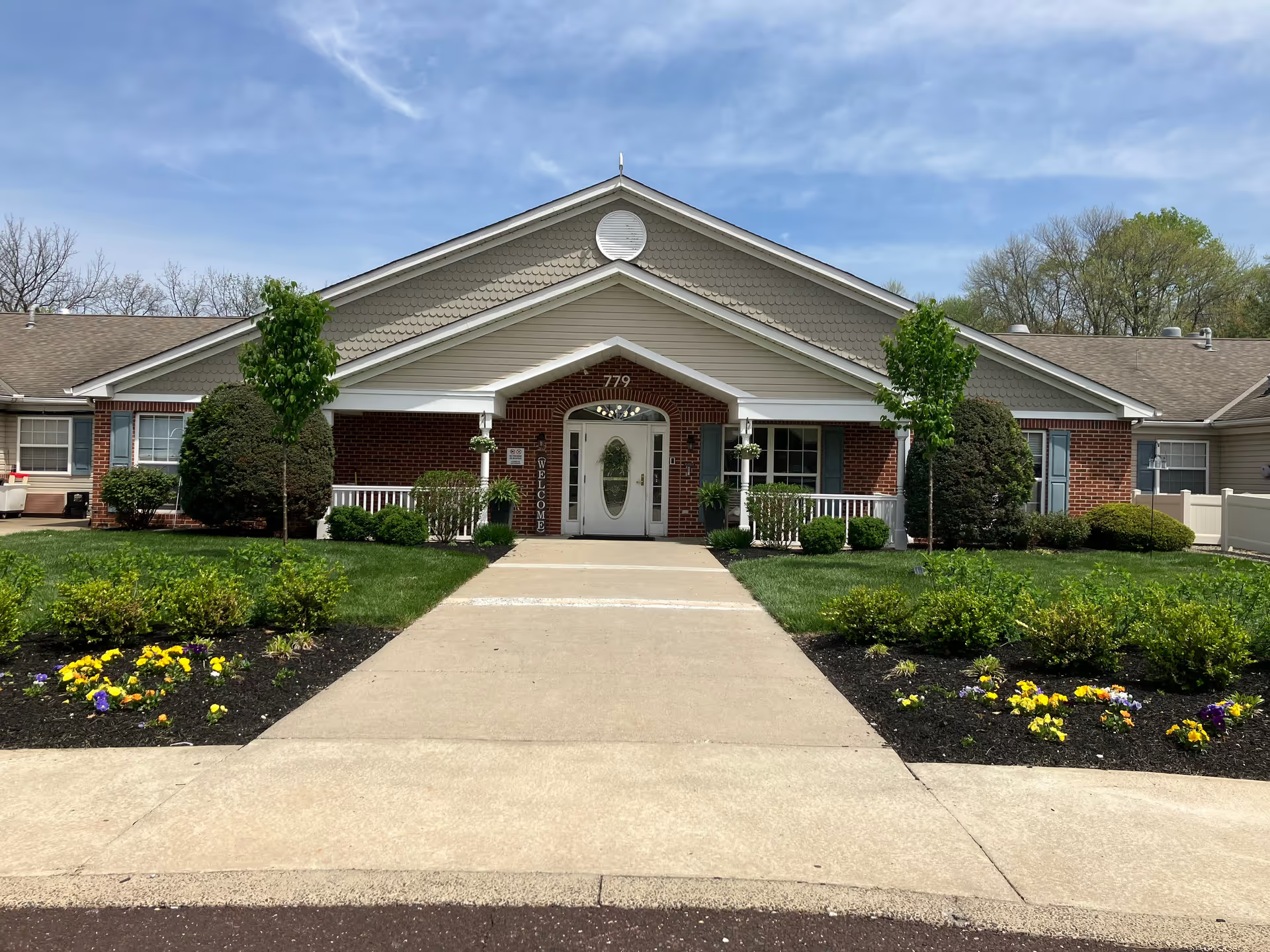
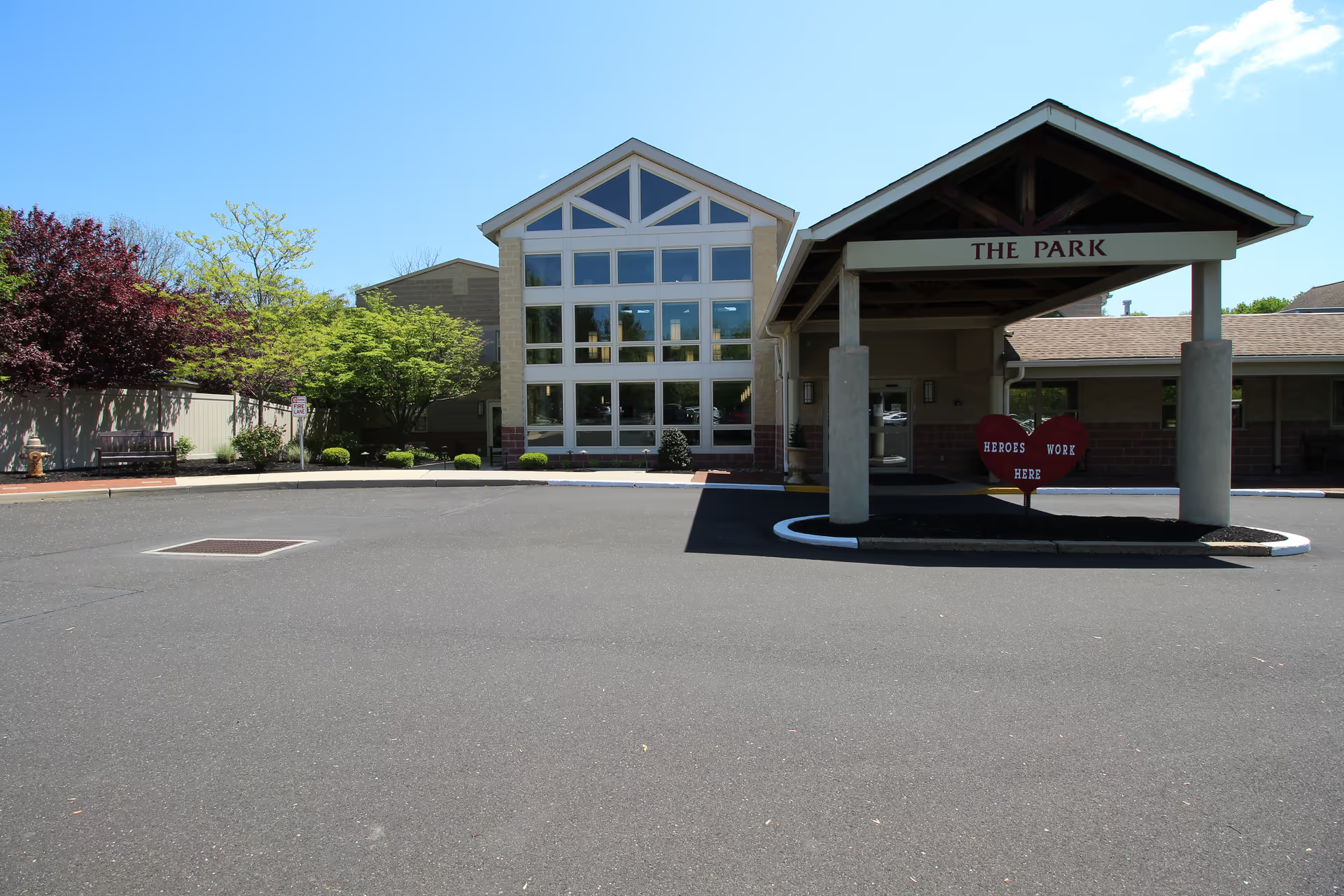
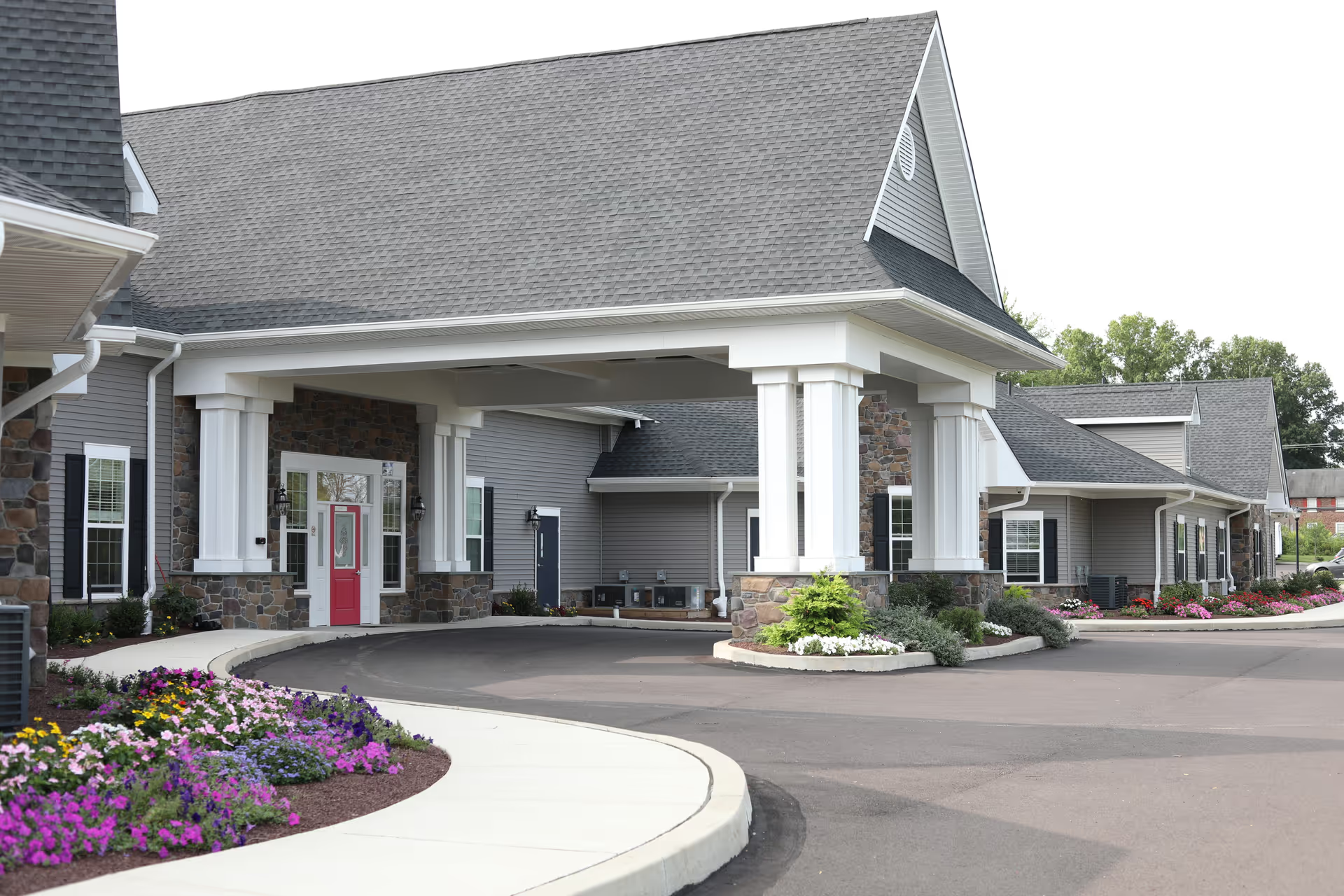
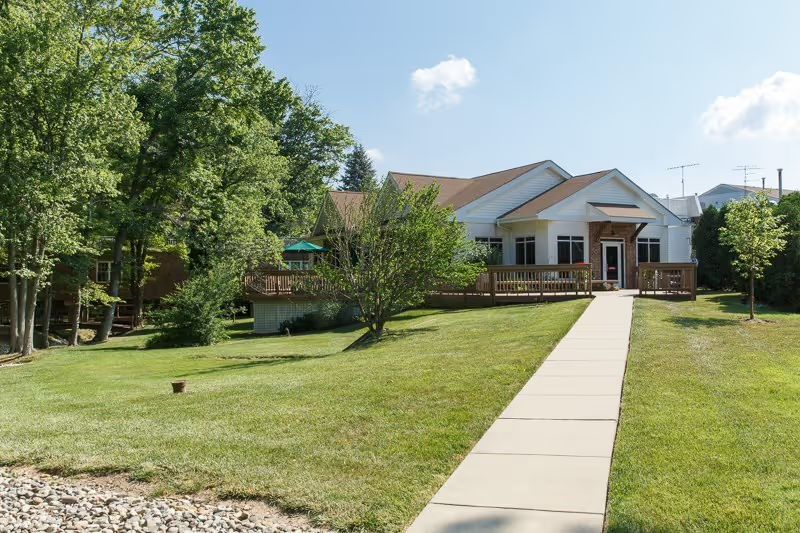
Staff quality is a consistent strength: reviewers repeatedly describe caring, knowledgeable clinicians and therapists, responsive maintenance personnel, and social-work follow-up after discharge. The facility fosters social engagement through a variety of activities, music in common areas, and opportunities for residents to form friendships. The grounds are described as attractive and well-maintained, with bright hallways and outdoor spaces that support a pleasant atmosphere. Single-room placement is available on request, and public areas and many patient rooms receive positive comments for cleanliness.
At the same time, the reviews reveal several operational weaknesses to consider. Dining and dietary management appear inconsistent: incorrect meals, unmet dietary accommodations, and occasional failures in meal delivery were reported, indicating kitchen and meal-service process gaps. Relatedly, there are documented delays in personal-care tasks such as bathing and incontinence care, as well as concerns about timely assistance with feeding or meal modification when required. Clinical documentation and task follow-through also show variability in some reports, which has implications for repositioning and pressure-injury prevention and for continuity between shifts.
Other recurring themes include an older, sometimes dated physical plant and intermittent sanitation or odor concerns in certain areas. Some families described variability in staff conduct and responsiveness, and a few accounts referenced reliance on outside contractors that affected care continuity. Administrative functions such as billing or refund processing were occasionally slow. Overall, the dominant impression is of a facility with strong clinical and rehabilitative capabilities and a caring staff culture, paired with operational areas — notably dining, personal-care scheduling, documentation, and physical infrastructure — that would benefit from targeted quality-improvement efforts.