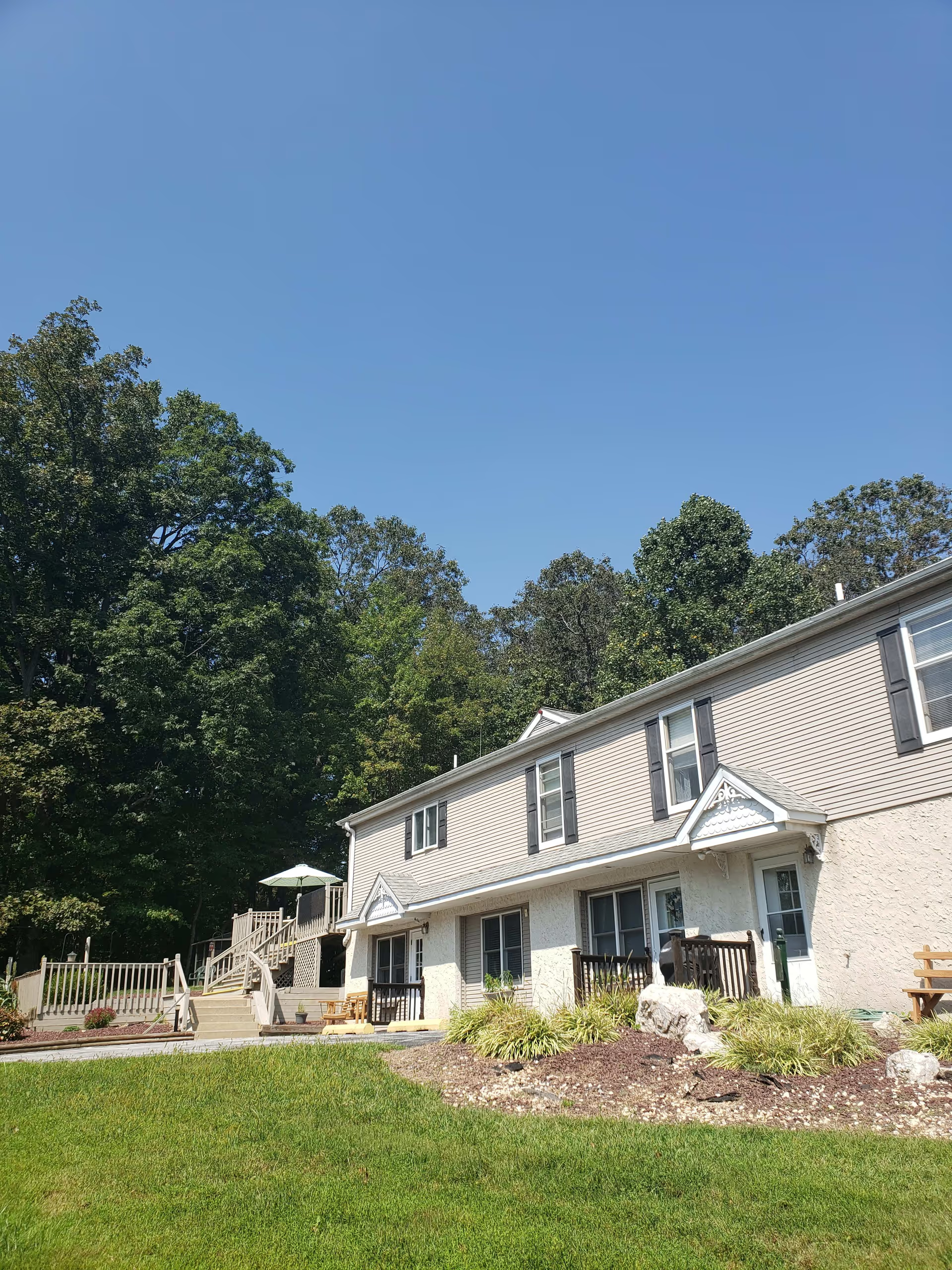
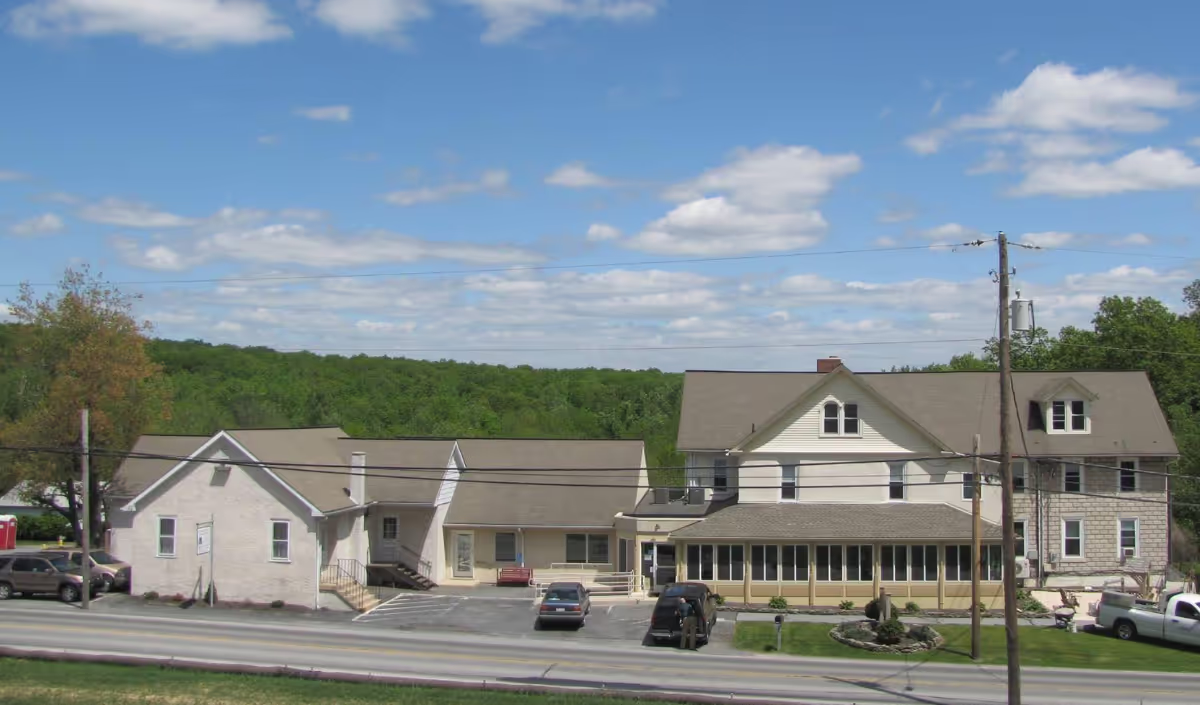
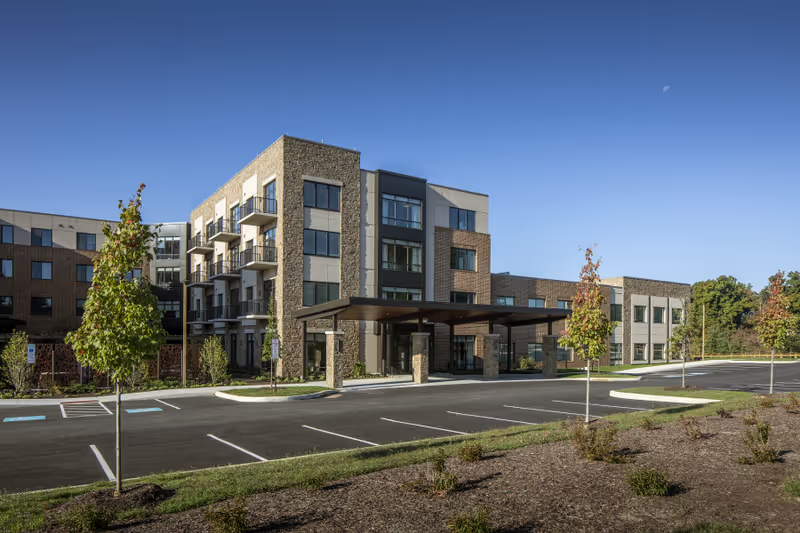
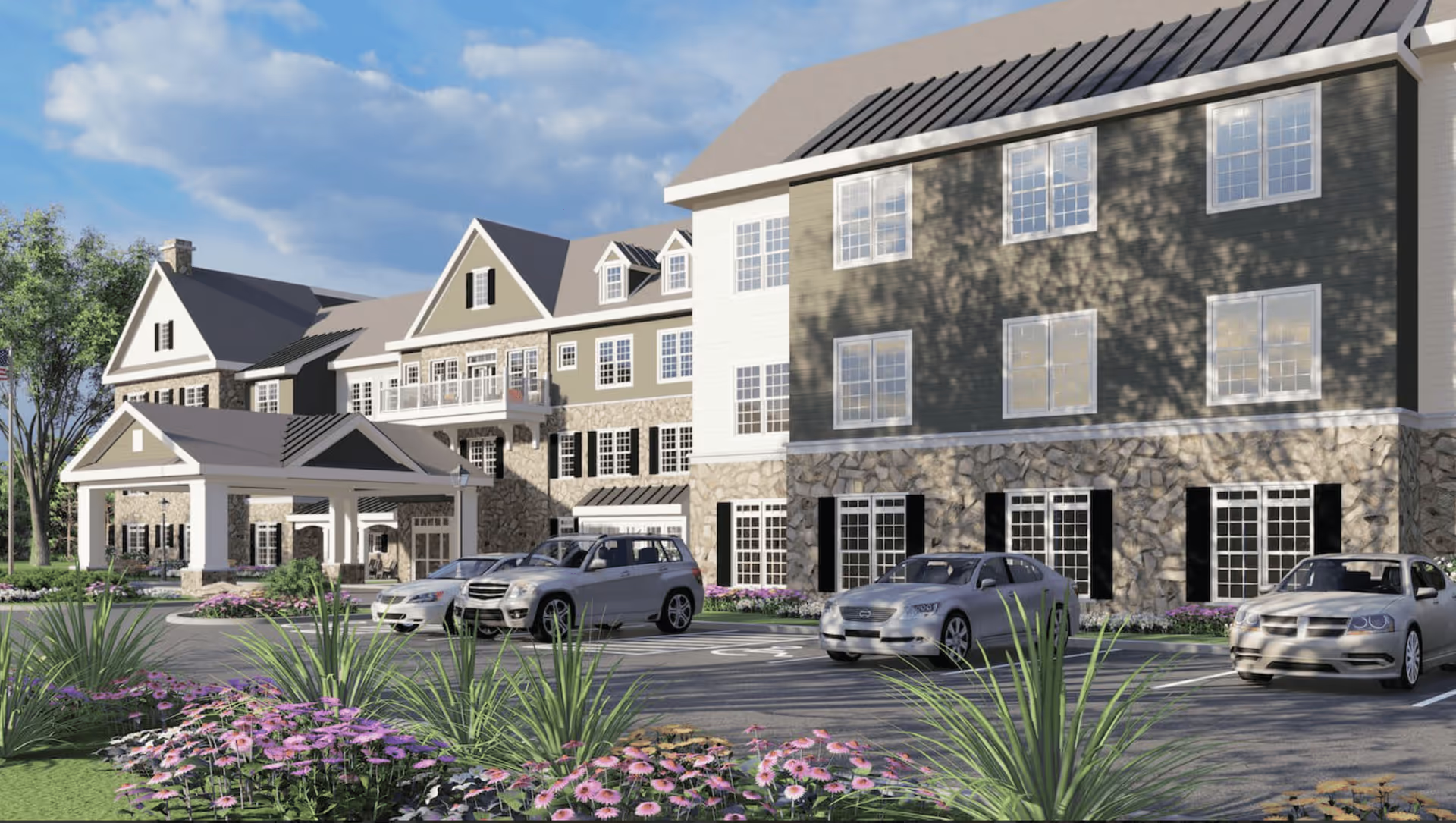
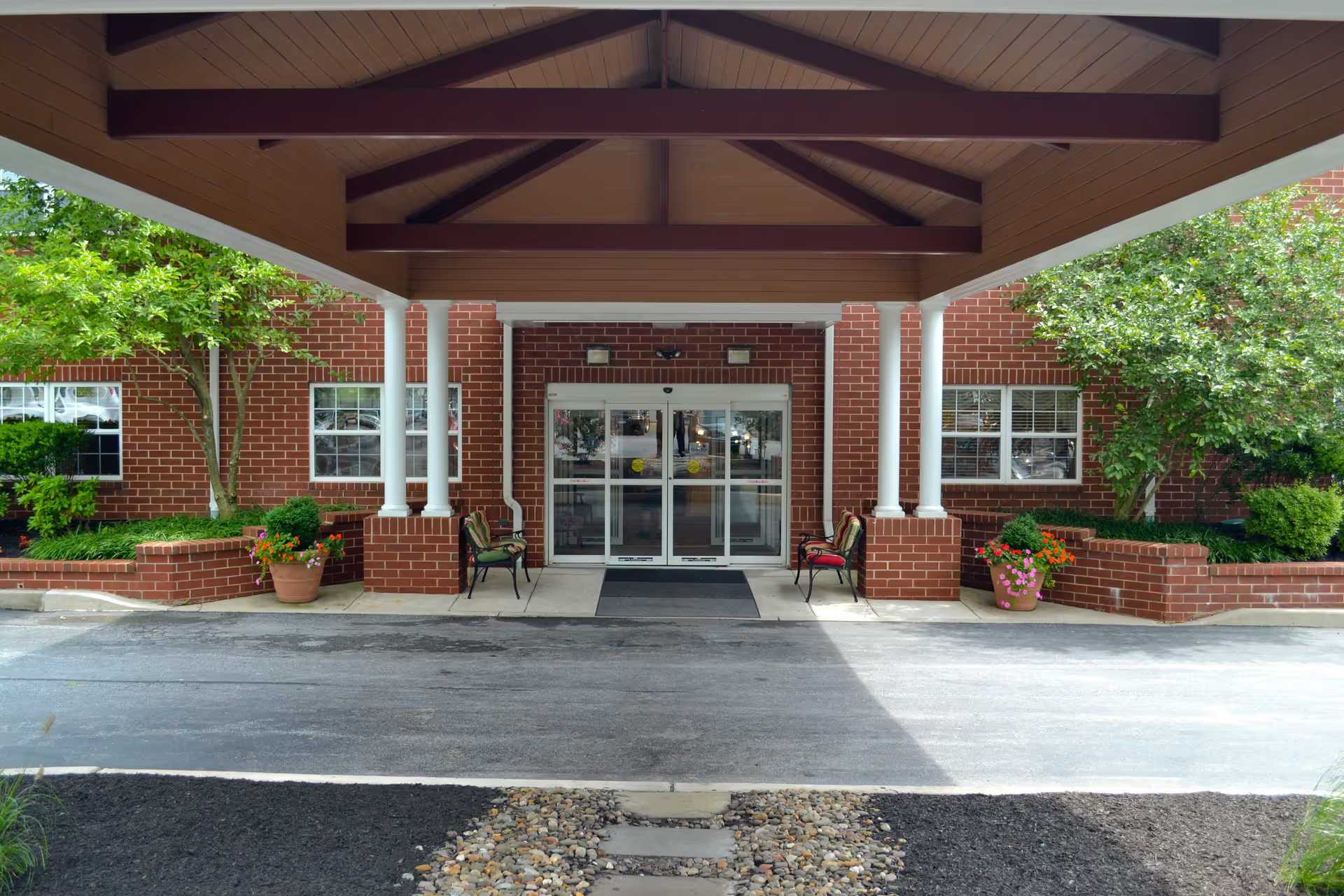
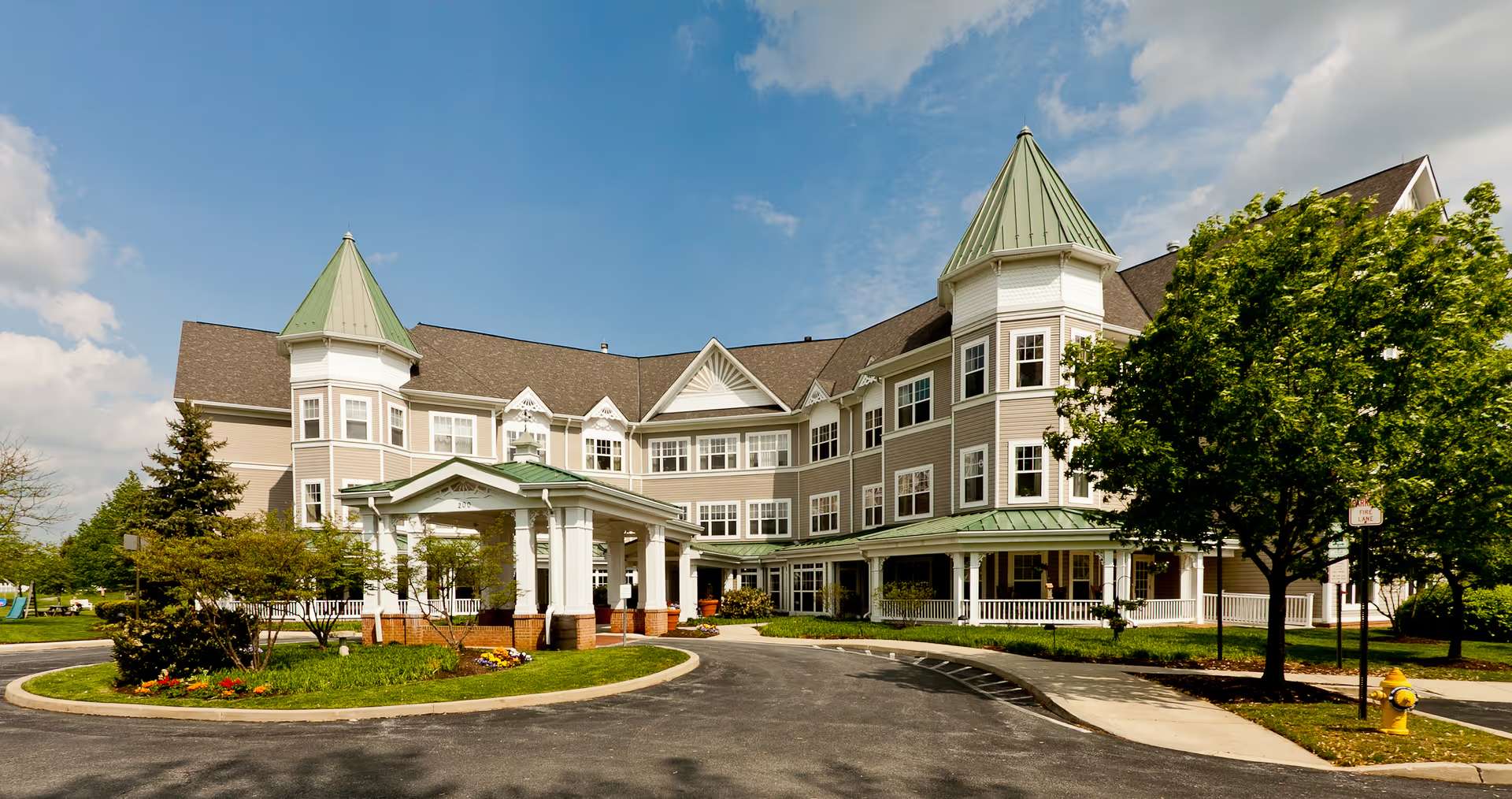
Hickory House displays a pronounced pattern of polarized experiences: many families and residents describe very positive, rehabilitation-focused care, while a subset reports substantive operational concerns. The facility's rehabilitation services are a prominent strength — physical and occupational therapy teams are repeatedly credited with effective, goal-directed programs that helped residents regain mobility and return home. Therapy staff, along with several nurses and aides, are frequently described as compassionate, attentive, and skilled. Families also commonly note a clean, well-maintained environment, pleasant common areas, and a welcoming admissions process.
Staffing and direct-care quality are the primary sources of concern. Reviews indicate chronic understaffing in some shifts and a reliance on agency personnel, which correlates with inconsistent nursing practices and variable competence. Common operational effects described include slow or unreliable call-bell response times, inconsistent assistance with bathing and personal care, and uneven mealtime support — all of which point to capacity and staffing-allocation issues rather than isolated incidents. Several accounts raise clinical-management concerns such as medication- and lab-handling inconsistencies and gaps in equipment safety or setup that could affect resident safety.
Safety and infection-control patterns are mixed. Some reviewers praise diligent infection prevention and an effective disease-control leader; others report inconsistent cohorting and concerns during COVID-related events. There are also recurring mentions of delayed detection of falls and lapses in timely assistance. While the facility is often described as clean and orderly, reviewers cite specific sanitation and personal-care inconsistencies that suggest variability in day-to-day practice.
Dining and activities receive generally favorable comments but with variability. Many residents appreciated the dining environment, buffet offerings, and accommodating dietary services for conditions such as diabetes; conversely, some families reported inconsistent meal delivery or inadequate feeding assistance. Activities and social programs are repeatedly highlighted as engaging and morale-boosting, contributing positively to residents’ quality of life.
Management and communication show both strengths and weaknesses. Admissions and coordination staff are frequently singled out for clarity and support, and some families describe very good ongoing communication and responsiveness. At the same time, reviews also document instances of poor follow-up, unanswered calls, and concerns about billing accuracy and missing property; there are even allegations of theft and billing misconduct in a few accounts. Leadership responses to complaints appear uneven, though there are examples of ownership or administration acknowledging issues and pledging corrective action.
What this pattern suggests for prospective residents and families: Hickory House can provide high-quality, rehab-focused care with compassionate staff and effective therapy teams, and the environment is often clean and welcoming. However, variability in nursing coverage, call response, personal-care consistency, and management follow-through are documented themes. Families considering the facility should ask targeted questions about staffing ratios (especially nights and weekends), reliance on agency staff, protocols for call-bell response and fall monitoring, mealtime assistance procedures, infection-control cohorting, and billing/property safeguards. Visiting during different shifts and speaking directly with therapy staff and the admissions coordinator can help assess whether the facility’s strengths align with a particular resident’s needs.