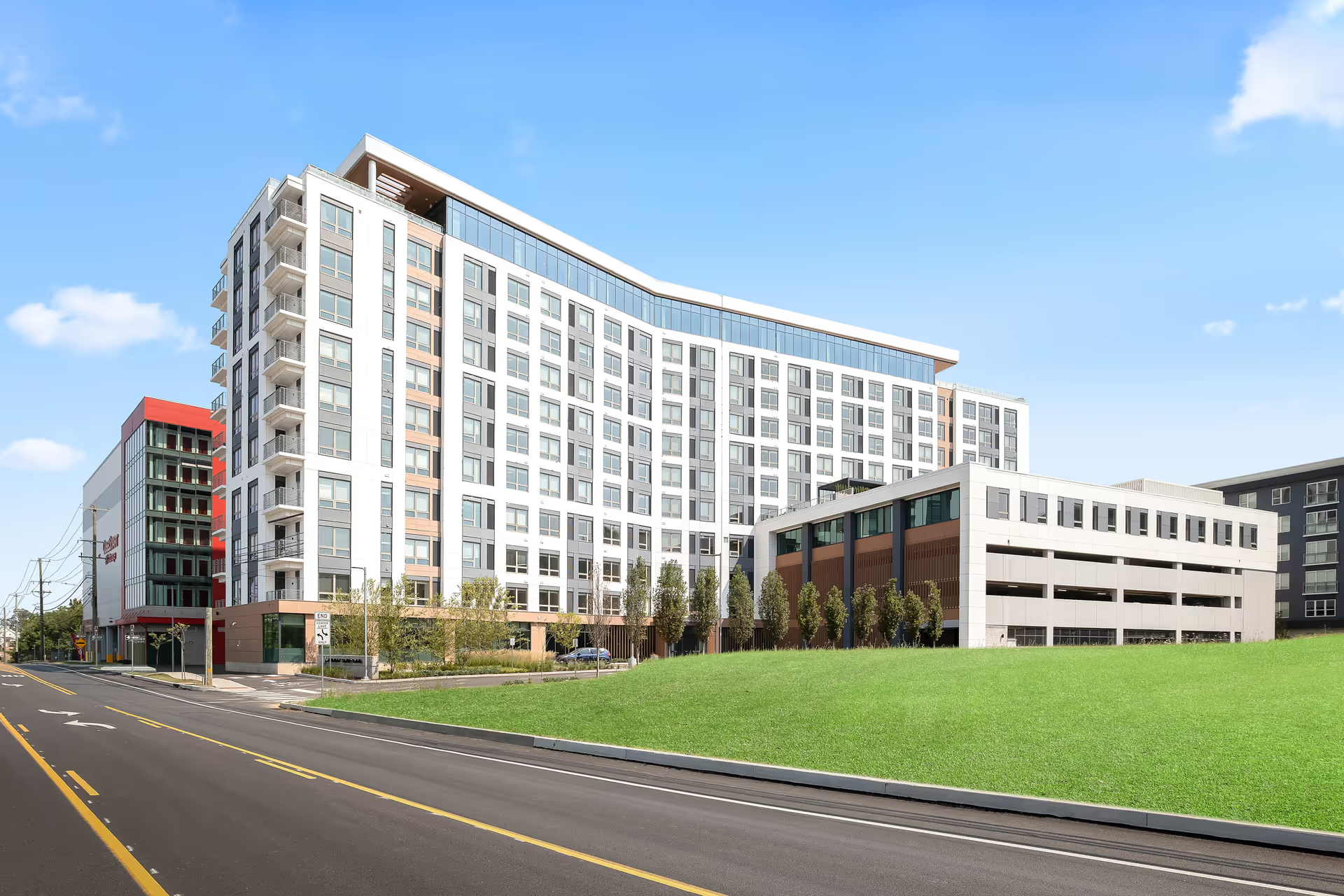
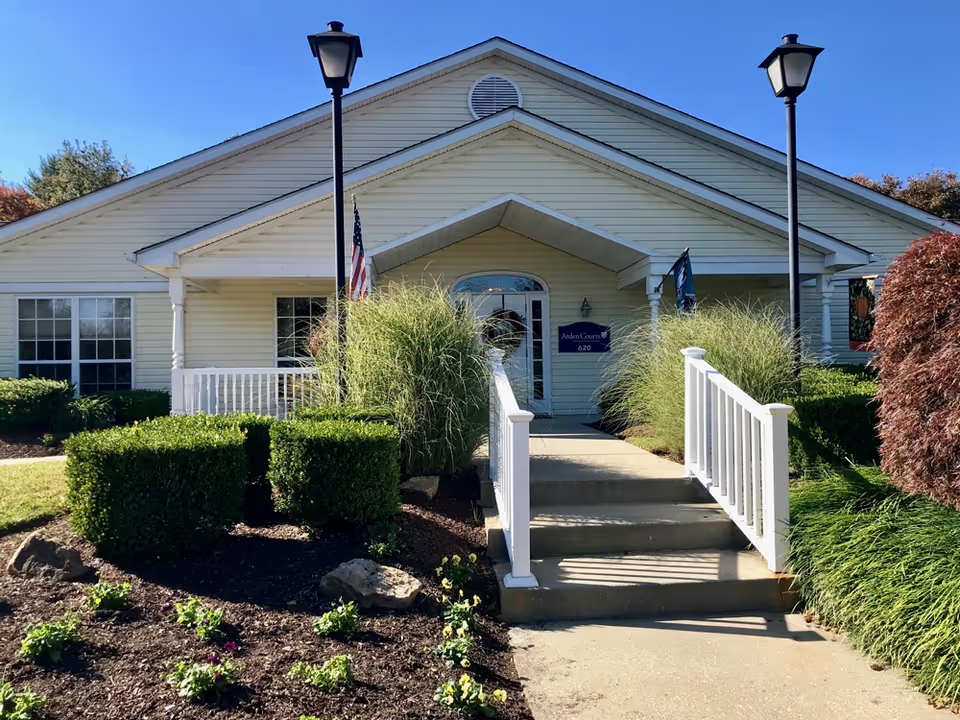
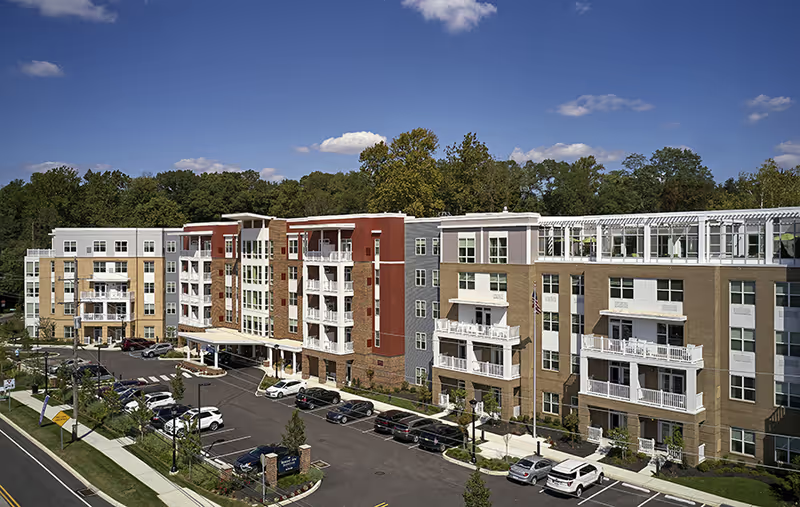
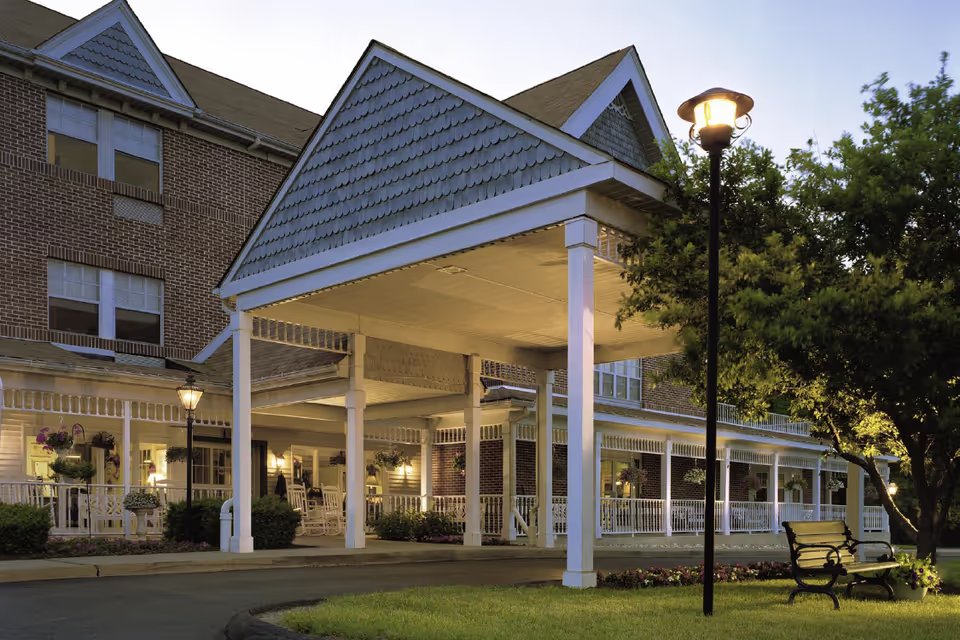
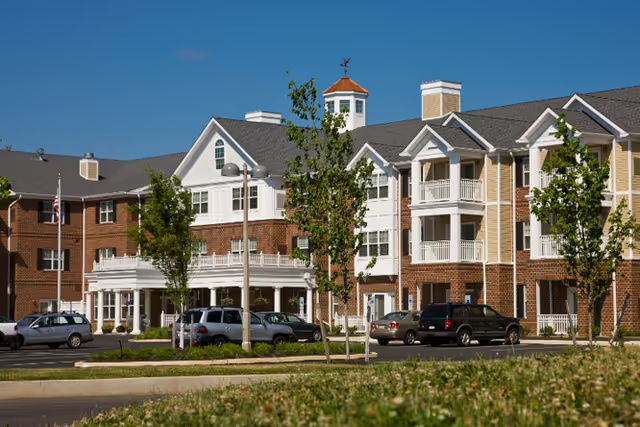
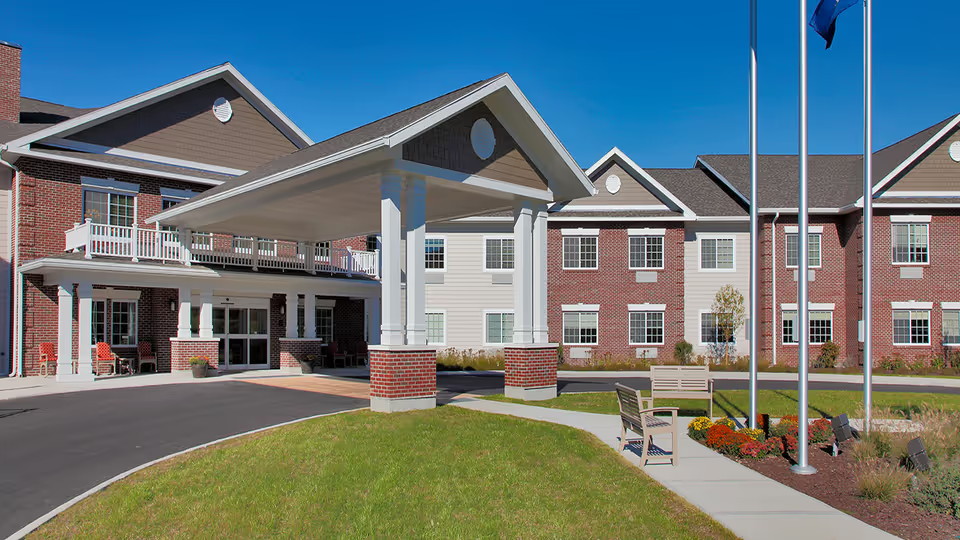
Canvas Valley Forge presents as a newly built, upscale independent-living community with a heavy emphasis on lifestyle, amenities, and social programming. Reviews consistently highlight the property's hotel-like public spaces, modern apartment finishes, multiple floor plans, and a wide suite of on-site services including a fitness center with personal training, pool and hot tub, library, game room, salon and dry-cleaning, package drop, and outdoor courtyards. The location near King of Prussia/Wegmans and local restaurants and shopping is frequently cited as convenient for daily errands and cultural outings.
Staff performance and resident engagement are recurring strengths. Leasing agents, concierge personnel, maintenance teams, and the events coordinator receive repeated praise for being knowledgeable, responsive, and personable. Maintenance response times and upkeep of common areas are noted as prompt and effective; the community atmosphere is described as welcoming, socially active, and culturally diverse. When in-person programming was constrained by infection-control measures, staff maintained engagement through well-received virtual programming and adapted offerings, which residents described as valuable.
Programming and activities are a standout operational feature: the calendar includes fitness classes (yoga, tai chi), art and maker workshops, music and wine events, book clubs, games, and frequent cultural outings to museums and theaters. Daily continental breakfast or similar morning service is commonly available, and community dining partnerships and discounts are mentioned. That said, prospective residents should note this community is primarily independent living and does not emphasize full-service on-site meal programs; expectations about dining service should be confirmed during tours.
Notable operational patterns include a generally strong customer-service orientation paired with several recurring concerns. Pricing and renewal increases are a frequent worry for residents, with mentions of annual escalation that some find difficult to sustain. Parking is another operational pinch point: guest parking can be limited, and some reviewers described strict towing or enforcement practices that create friction. A small number of comments point to administrative issues such as billing, guarantor handling, and at least one credit-reporting-related problem; these suggest prospective residents should review financial and contractual terms carefully. Other practical considerations include noise from a nearby highway for certain exposures, variability in apartment natural light depending on unit orientation, and pet-management practices that some found problematic in outdoor areas. A few comments referenced isolated problems with front-desk interactions and an access-control event involving a key fob; these indicate occasional lapses in conduct or systems reliability rather than a pervasive operational failure.
In summary, Canvas Valley Forge appears to offer a premium independent-living experience with extensive amenities, active programming, and a staff-oriented culture that many residents find highly supportive. The facility's strengths are most pronounced in social engagement, events coordination, property condition, and concierge-style services. Trade-offs a prospective resident should evaluate include pricing trajectory and renewal terms, parking and vehicle-enforcement policies, on-site meal service expectations, potential highway noise depending on unit location, and pet-management practices. Visiting multiple unit orientations, asking for written details on fees and renewal increases, and discussing parking and pet policies with management will help prospective residents determine whether the community's lifestyle offerings align with their priorities and budget.