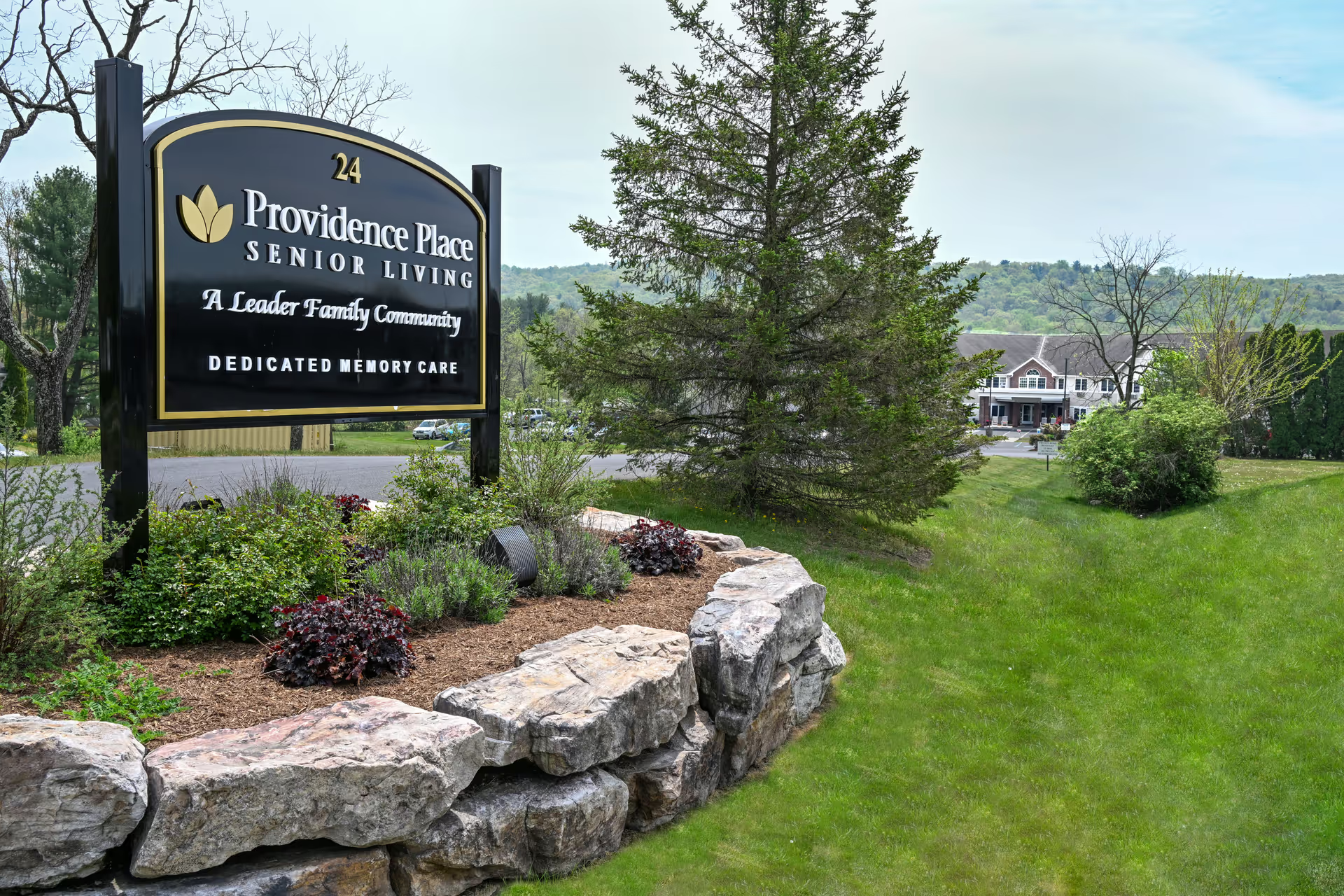
Overall impression: Serenity Gardens is described as a warm, community-oriented senior living option with a clear emphasis on interpersonal care. Families and residents commonly highlight the staff’s compassion, familiarity with residents, and prompt communication. The campus offers both regular assisted living and a separately secured memory-care unit, which supports a range of needs and includes veteran aid assistance.
Care and staff: The facility’s staff are consistently characterized as attentive, respectful, and engaged. Reviewers note personalized attention, staff who know residents by name, and timely responses to questions or concerns. There are multiple mentions of strong teamwork, effective leadership from management and activity coordinators, and collaborative caregiver behavior. End-of-life and hospice care interactions were described as respectful and supportive where applicable.
Dining and activities: Dining is a prominent strength for many residents; the facility provides three hot meals daily with menu options, and meals are often perceived as homemade and varied. That said, dining satisfaction appears mixed for some residents, indicating variability in personal preference or meal execution. Programming is active and social—bingo, Bible study, seasonal parties, entertainers, and regular social events are cited—though reviewers identify limited weekend offerings, particularly in the memory-care area, which may reduce engagement opportunities for residents on weekends.
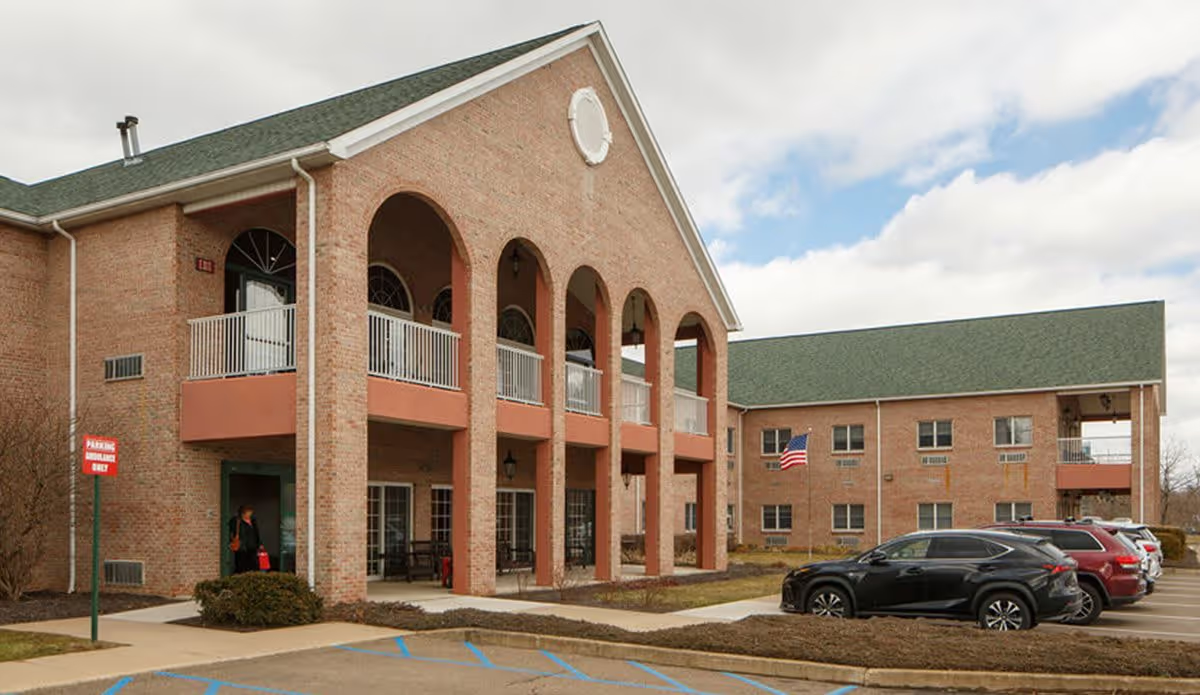
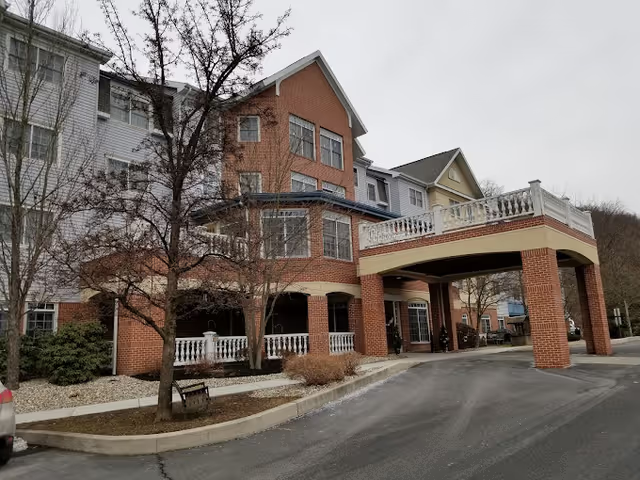
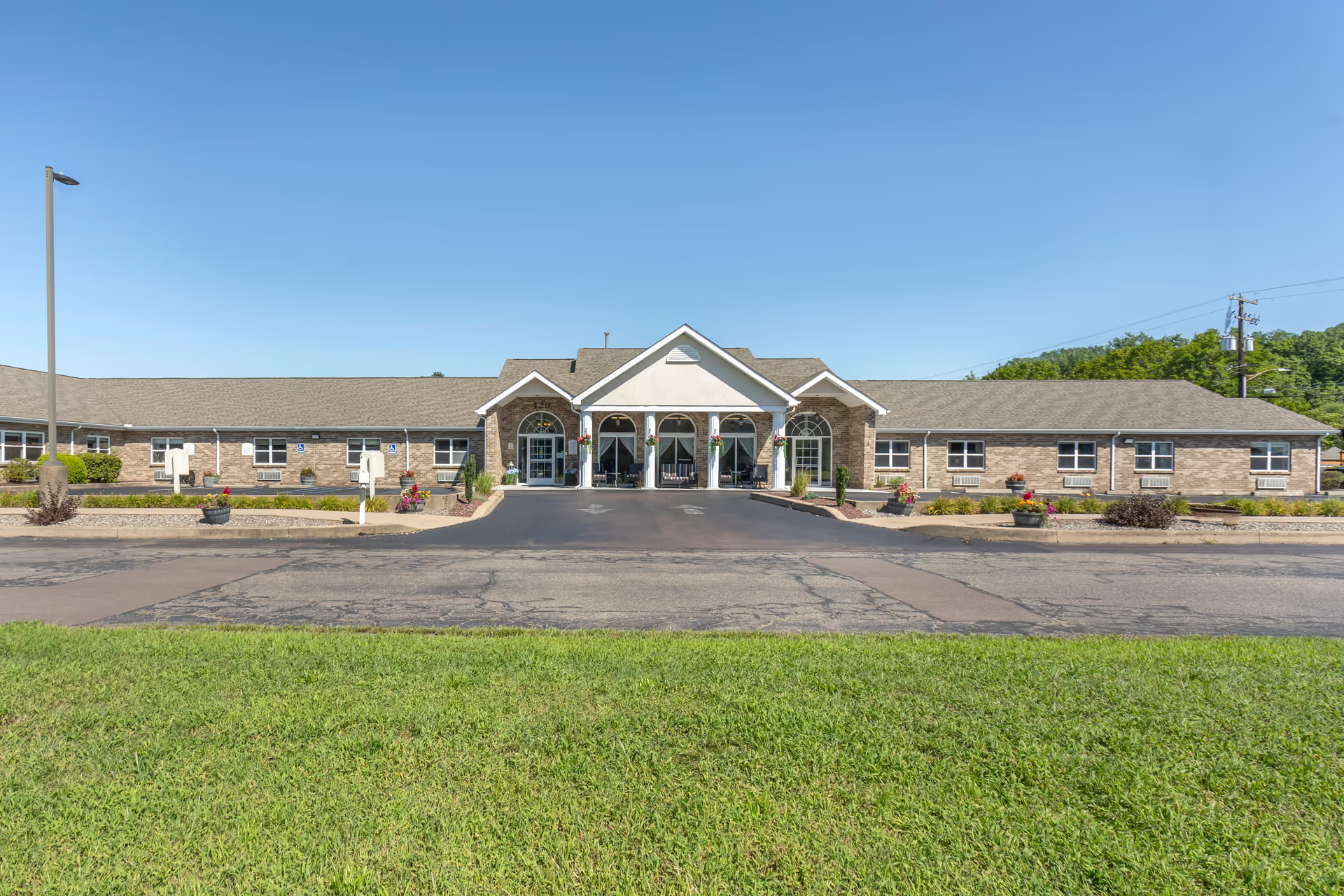
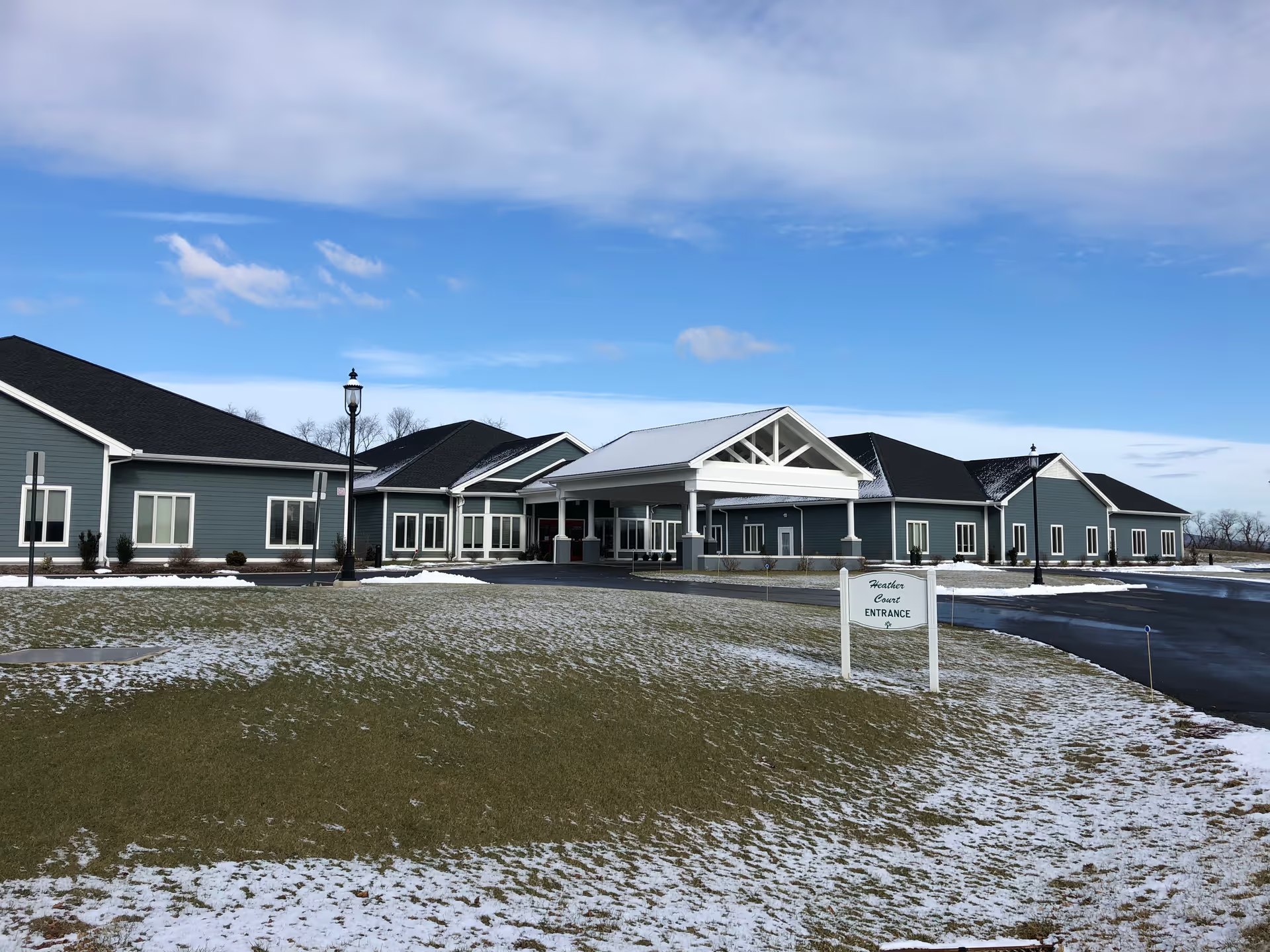
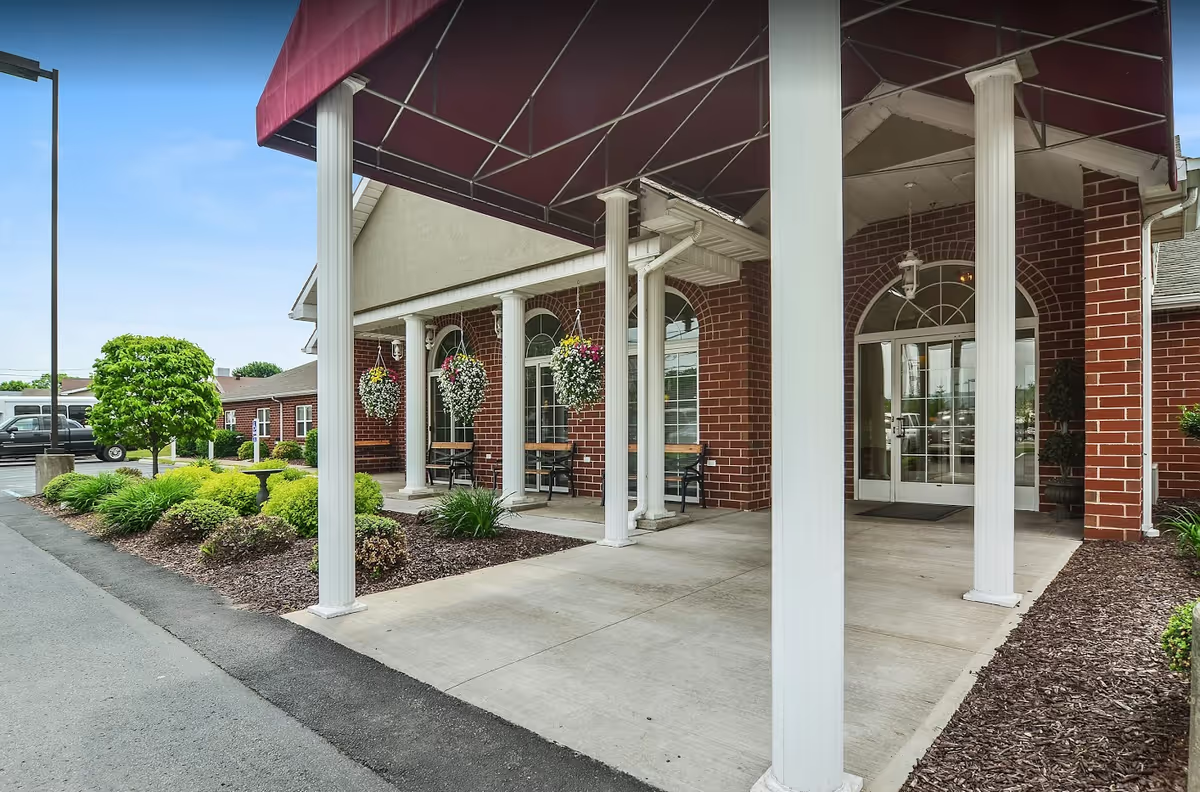
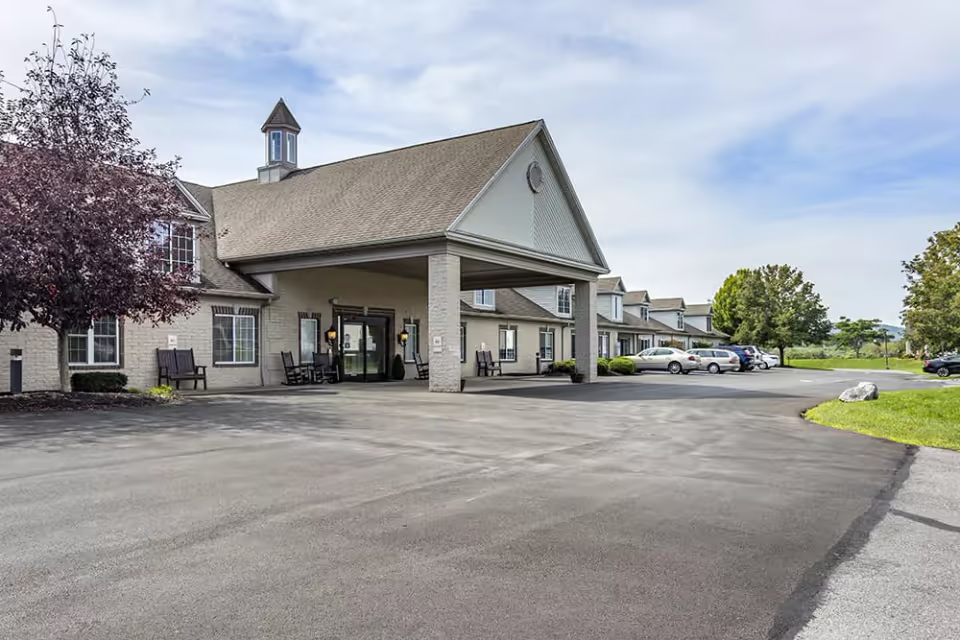
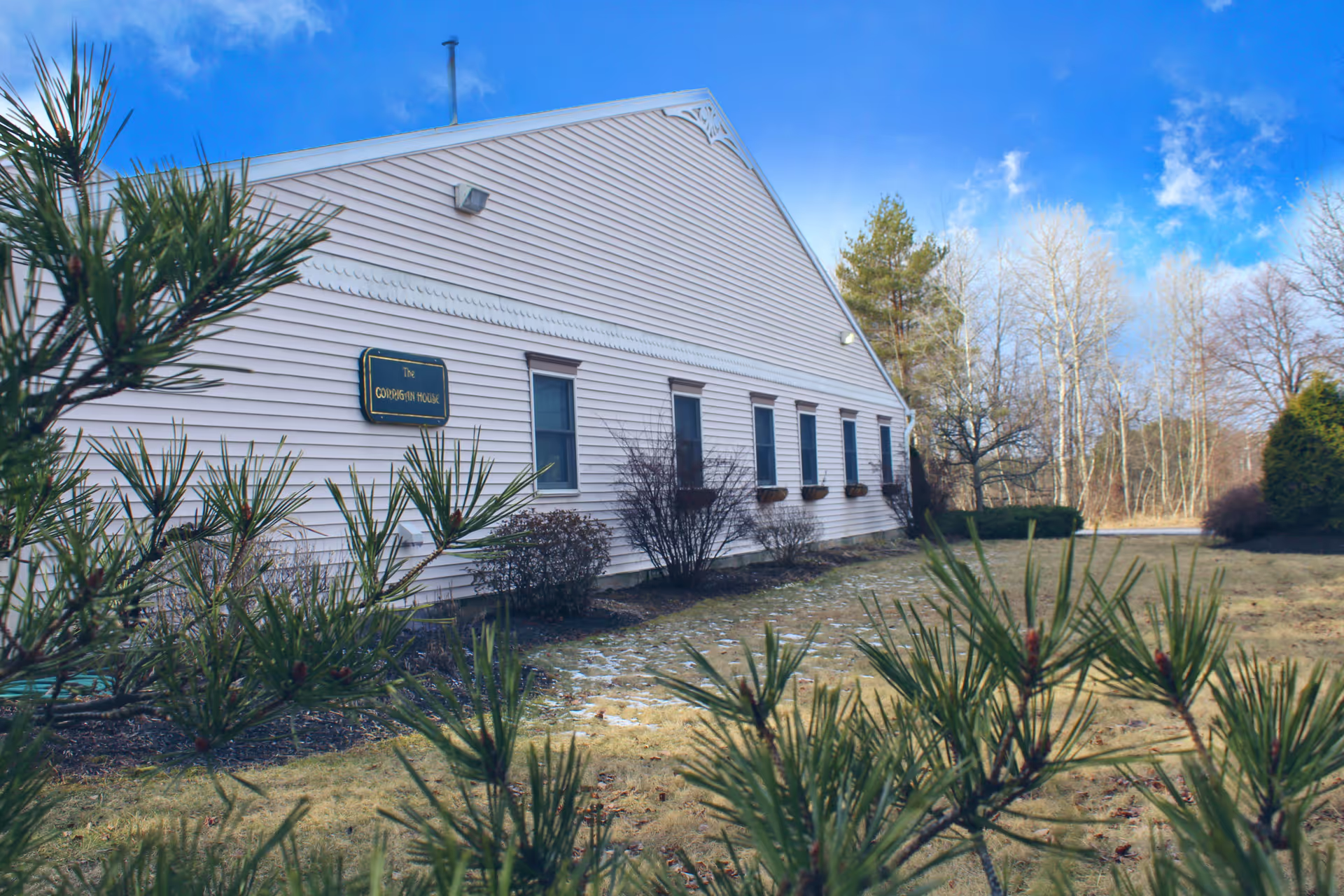
Facilities and cleanliness: Common spaces, the garden, and many rooms are described as attractive and well-kept, and housekeeping is generally praised. However, there are recurring notes about aging areas that need updating, worn carpeting or flooring in places, and intermittent cleanliness or odor-control concerns at entry or in some common zones. Apartment layouts include two-person shared units with private bathrooms; availability of private rooms appears restricted for some families.
Management, operations, and cost: Management and marketing staff are portrayed as knowledgeable and helpful during tours and move-ins. Operationally, the community uses tiered pricing that increases as care needs rise and requires a nonrefundable admission deposit, which families should consider when evaluating cost. Transportation to medical appointments, salon services, laundry, and housekeeping are available and frequently mentioned as value-adding services.
Notable patterns and recommendations: The dominant pattern is strong, relationship-driven care delivered by a stable, compassionate staff and supported by a meaningful activities roster. Potential residents and families should weigh the facility’s ambient strengths against operational factors such as upfront deposit requirements, the potential need for renovations in parts of the building, limited weekend programming in memory care, and variable dining satisfaction. A targeted tour that inspects both common areas and the memory-care wing, asks about weekend staffing and programming, and clarifies room availability and pricing tiers will help determine fit.