Spring Mill Pointe displays consistent strengths across clinical care, hospitality, and social engagement. Families and residents commonly describe a caregiving team that is attentive and relationship-driven; clinicians including on-site nursing, a geriatric physician, and visiting psychiatry are cited as active elements of care coordination. The community also provides integrated rehabilitation and physical-therapy services, and a dedicated memory-care unit with individualized transition plans and one-on-one support is in place for residents with cognitive decline.
Staff and culture are frequently described as warm and proactive. Reviewers note move-in assistance, admissions responsiveness, and caregiving staff who learn residents’ names and preferences. Leadership is credited for strong communication during major transitions, and the nonprofit ownership is linked to a community-oriented culture. At the same time, there are recurring observations about intermittent staffing shortages that can affect day-to-day service responsiveness and occasional lapses in routine care tasks; these items suggest variability in operational consistency rather than an absence of clinical capability.
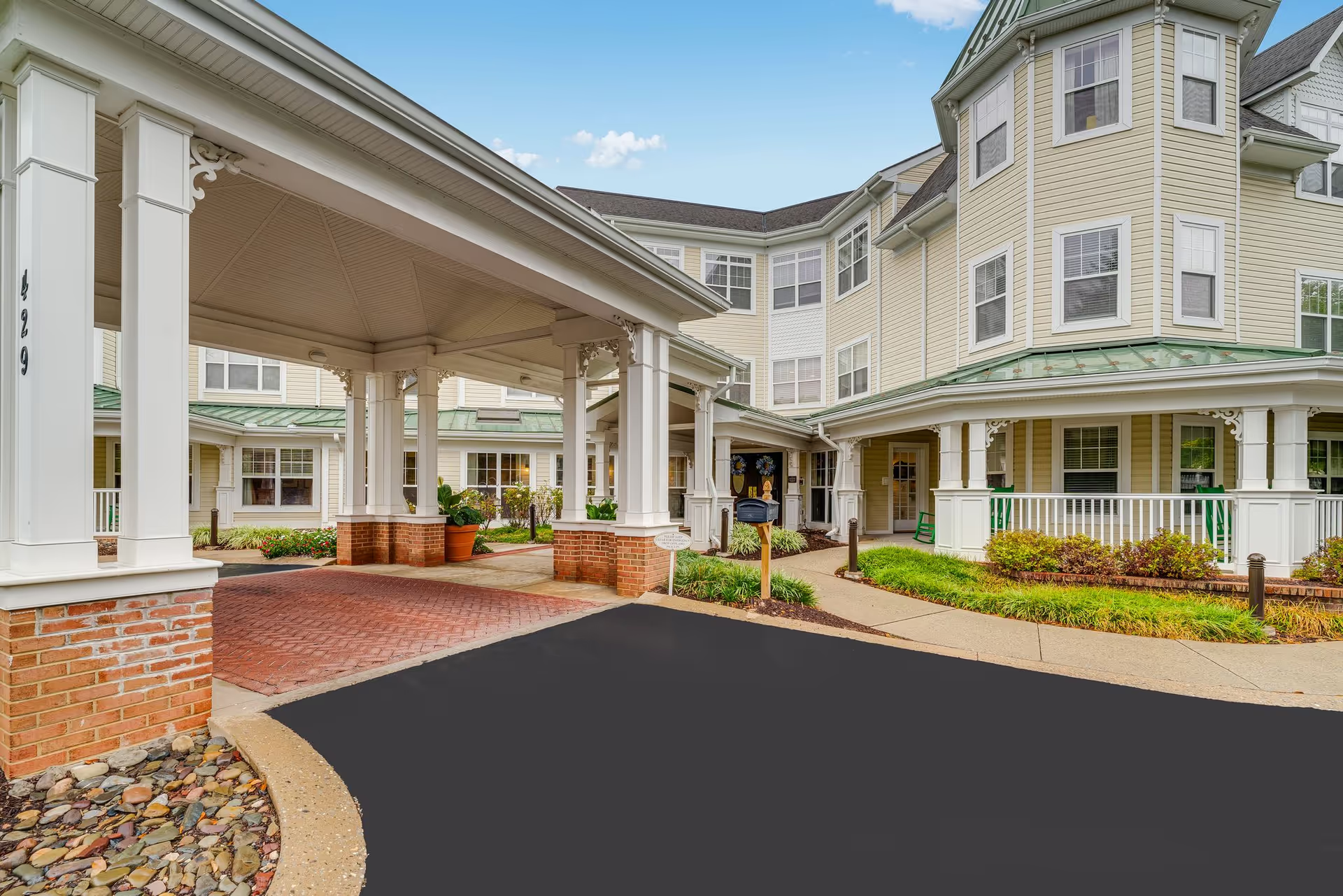
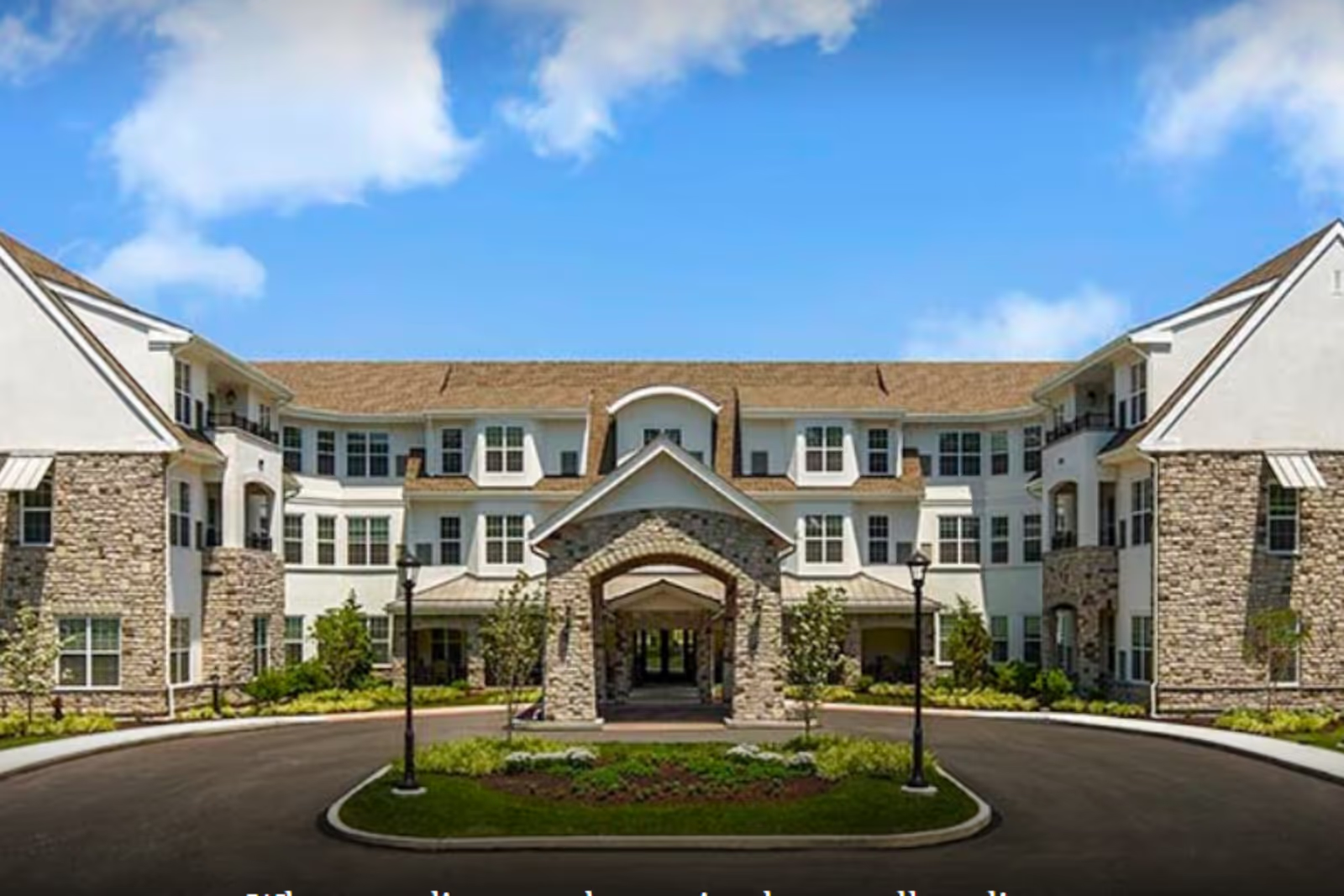
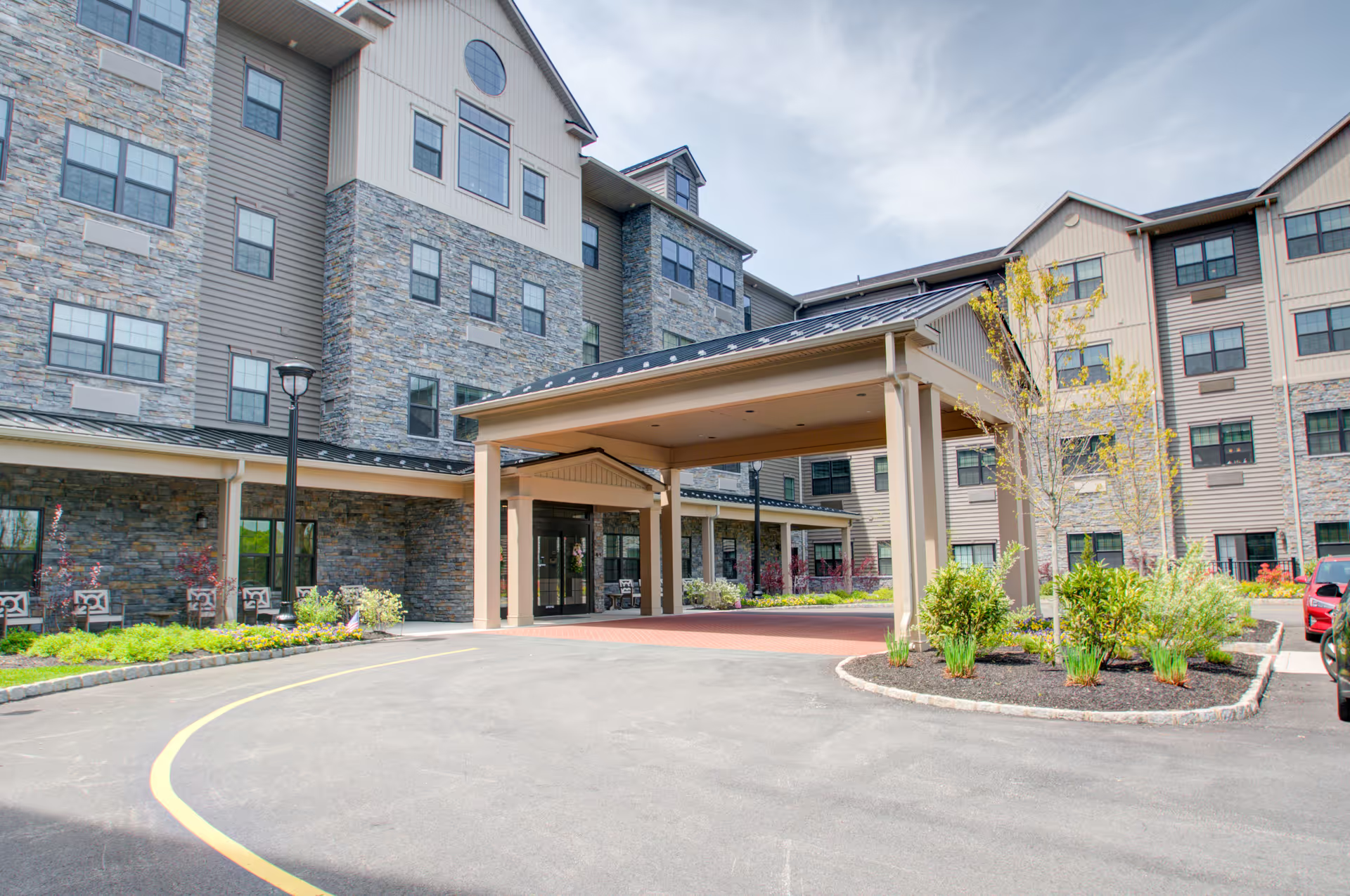
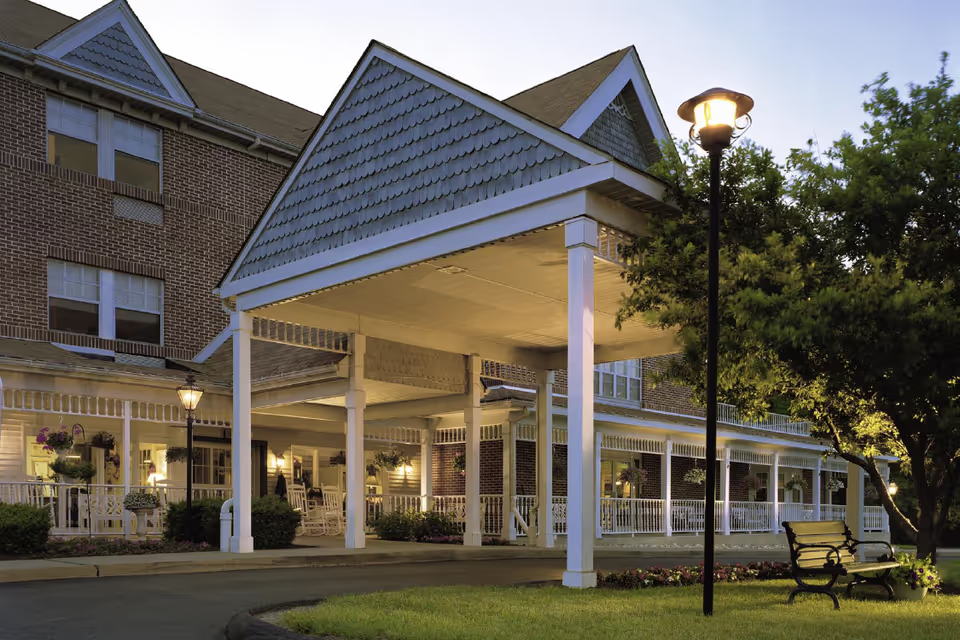
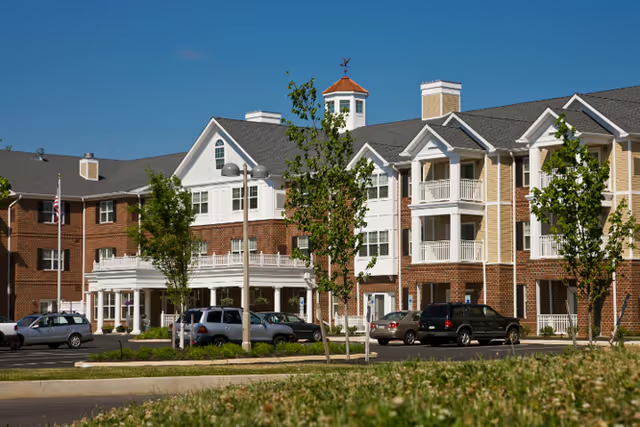
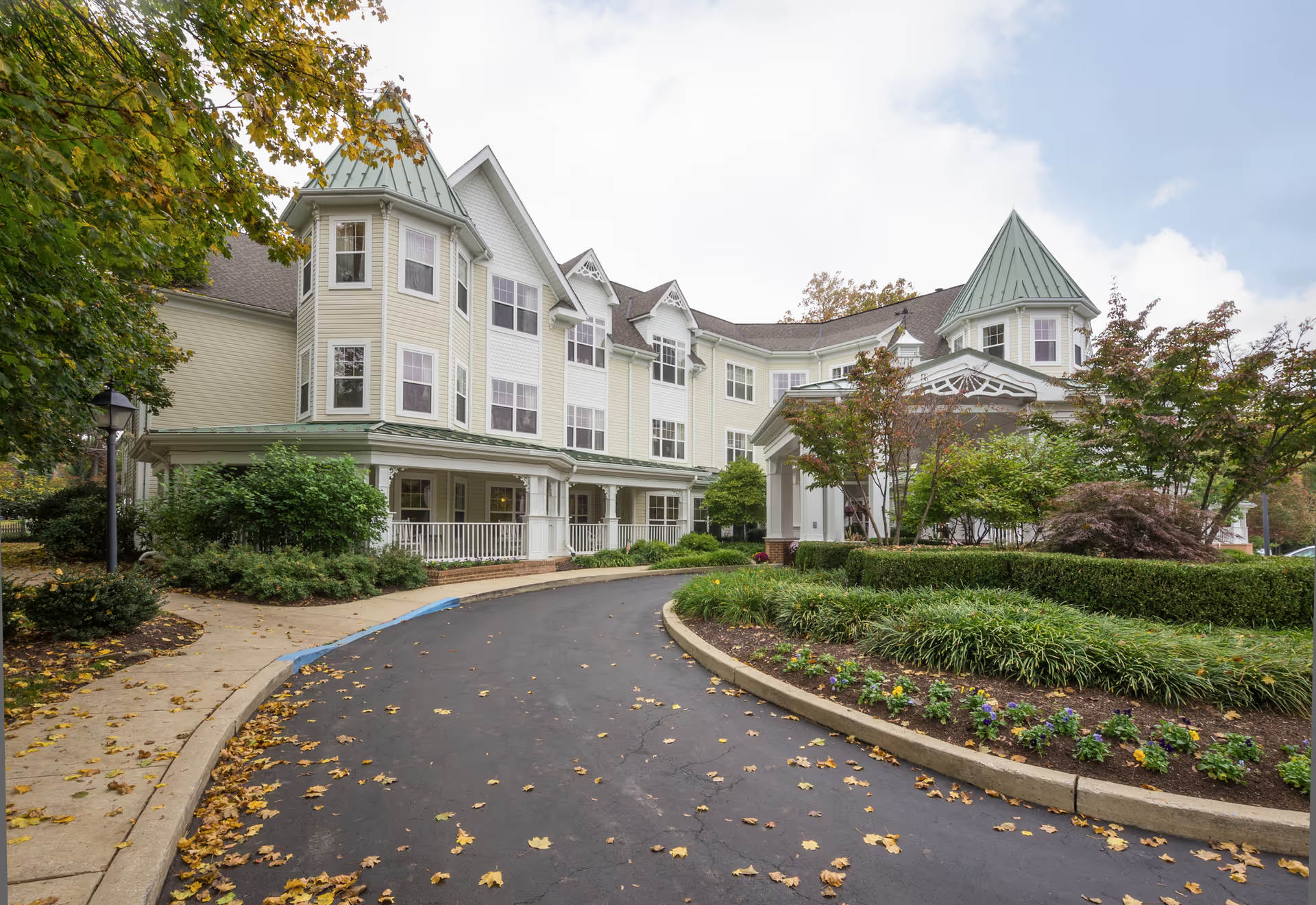
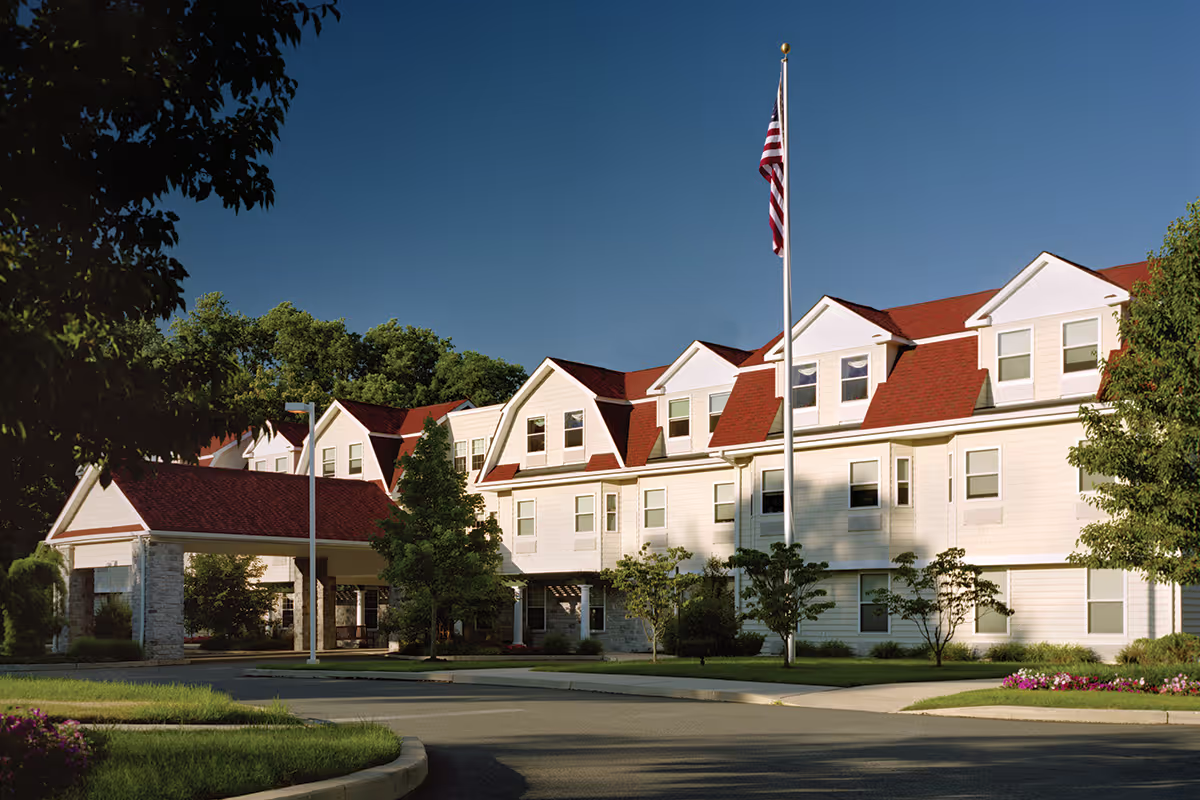
Dining and hospitality are clear highlights. The culinary program is characterized by chef-prepared entrées, multiple meal options, family-style dining events, and flexible delivery choices for residents who cannot dine in common areas. The all-inclusive pricing model — which commonly covers utilities, basic cable/internet, housekeeping, and transportation — simplifies billing and is perceived as good value by many families. The physical environment is regularly described as spotless, well-maintained, and hotel-like, with attractive common spaces such as a warm atrium, dining area, salon, and chapel.
Activity programming and social life are robust, with frequent offerings including music and art therapy, technology classes, weekly outings, religious services, choir, and varied on-site entertainment. These programs support social engagement and resident flourishing; however, reviewers sometimes note variability in activity continuity (occasional cancellations or downtime) that points to scheduling or staffing constraints rather than programmatic shortage.
Operationally, the facility shows strengths in admissions, family communication for major care events, and clinical integration, but there are identifiable service gaps to consider. Persistent operational issues mentioned across feedback include inconsistent laundry/linen service, occasional front-desk or tour-scheduling responsiveness problems, and limited hospice or end-of-life service options. Several comments also note partial limitations in physical accessibility for residents relying on mobility aids. Prospective residents and families should confirm accessibility features and hospice availability during the tour and discuss staffing patterns and laundry/housekeeping schedules to set expectations.
Overall, Spring Mill Pointe offers a family-oriented, clinically supported community with above-average dining, attractive facilities, and active programming. The main considerations for prospective residents are operational consistency (staffing and routine-service reliability), certain service limitations (hospice and full wheelchair accessibility), and variability in leadership communication in day-to-day matters. For those prioritizing clinical oversight, social engagement, and a well-kept, home-like environment, the community presents a strong option; families concerned about accessibility or requiring hospice services should query those specifics directly.