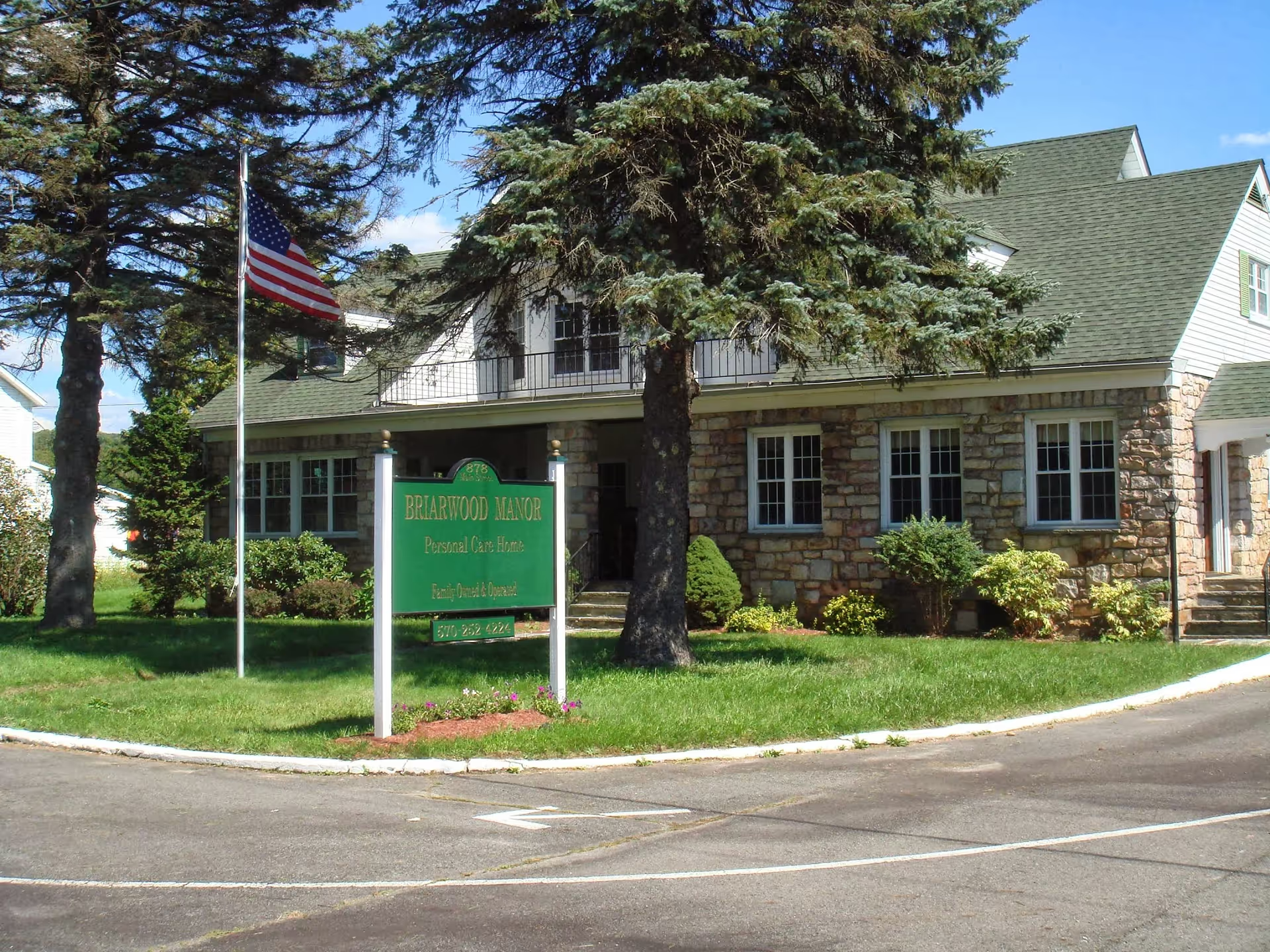
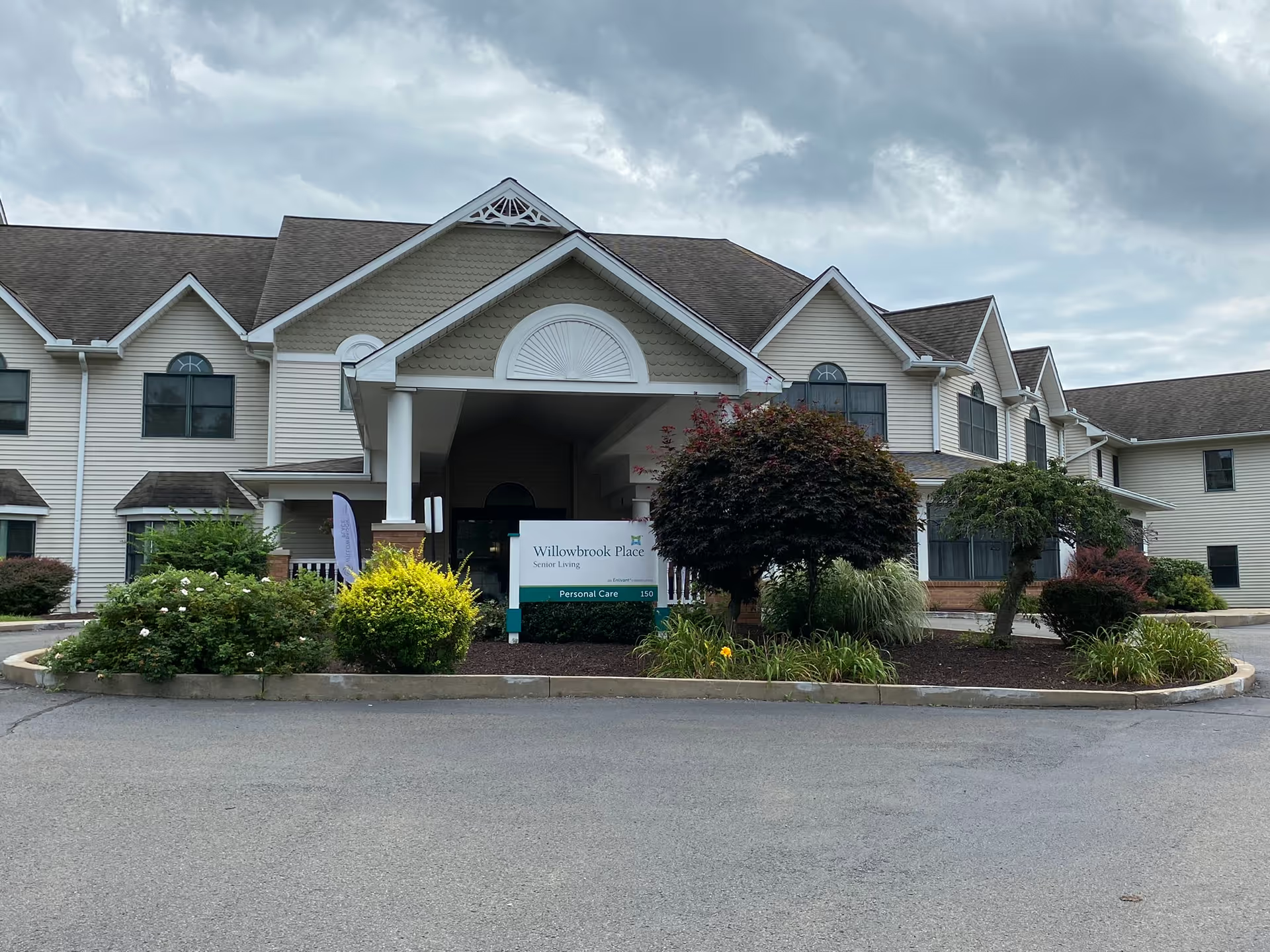
Overall impression: The facility elicits highly mixed experiences. Many families praise the therapy departments, aides, and activity programs, and describe warm, attentive care that contributed to measurable functional improvement and emotional well-being. At the same time, several serious operational concerns appear repeatedly in reviews and create uneven quality of care across different admissions and units.
Care quality and clinical oversight: The strongest, most consistent positive is rehabilitation — physical and occupational therapy staff receive frequent commendation for skill, engagement, and individualized progress. Nursing aides are often described as compassionate and attentive. Conversely, reviews indicate operational gaps in clinical oversight during admission and early stay periods (for example, delayed physician assessment and inconsistent pain or symptom management). There are also concerns about responsiveness during shifts, including delays in attending to resident needs and incontinence-care delays, which affect perceived safety and comfort.
Staff and communication: Staff performance is described in polarized terms. Many reviewers highlight respectful, professional interactions and helpful administrators or social workers who facilitate care. However, others describe concerns about staff conduct, tone of communication, and inconsistent responsiveness, especially when staffing levels are strained. Communication breakdowns extend to discharge planning and billing coordination, with at least one account of an unexpected extra day and charge tied to social-work/discharge processes. Families should ask about staffing ratios, physician admission processes, and how the facility handles discharge coordination.
Dining and nutrition: Dining impressions vary. Several reviewers report tasty, varied meals served with pleasant service, while others raise concerns about meal composition and the facility's ability to accommodate therapeutic diets (notably renal- and heart-appropriate low-sodium preparations). There are also references suggesting occasional interruptions to meal service and inconsistent appetite support. Prospective residents with specific dietary needs should confirm menu options and accommodations in writing.
Activities and psychosocial support: Activity programming receives positive feedback, with music, dancing, bingo, and social events noted as meaningful engagement for residents. Multiple accounts emphasize compassionate emotional support and a family-like atmosphere from specific staff members, contributing to peace of mind for families.
Facilities and maintenance: Comments on cleanliness and maintenance are inconsistent. Some reviews describe clean, pleasant spaces and well-kept common areas; others cite sanitation concerns in certain bathrooms or rooms and deferred maintenance items (broken jacuzzis, flagpole, doors/locks, drawers). There are also allegations of missing personal belongings and weak property-security practices. These issues point to uneven environmental management rather than uniform facility-wide conditions.
Safety and incident patterns: Reviews point to operational weaknesses that can affect safety: inconsistent transfer and handling practices, maintenance-related hazards (doors not closing, nonfunctional drawers/locks), and variability in infection/outbreak management. There are also mentions of serious post-admission adverse outcomes and concerns following a resident's death; such instances merit careful inquiry during a tour and discussion with leadership about incident reporting, investigations, and corrective actions.
Recommendations for families: Given the mixed picture, families should perform targeted due diligence: observe care routines, mealtimes, and therapy sessions; ask for documentation of admission clinical oversight (timing of physician assessment), staffing ratios, property-inventory procedures, maintenance schedules, and dietary accommodation policies; and request examples of how the facility handled recent clinical incidents, infection events, and discharge coordination. Many reviewers had very positive experiences centered on therapy and daily interactions, while others experienced significant operational lapses — understanding current staffing and management practices will help anticipate whether the facility's strengths will be consistent for a given admission.