Cedar Haven presents a mixed but informative picture for prospective residents and families. Many reviews highlight strong clinical and rehabilitative capabilities: nursing, therapy, and the rehab program receive repeated praise for helping residents regain mobility and for attentive, personalized care. Social services and placement support are also frequently mentioned as helpful and proactive. The facility hosts a broad activities program—arts and crafts, bingo, movie viewings, a snack shop, and periodic wellness fairs and vendor events—which contributes to an engaged social environment. Several accounts describe a warm, family-like culture and staff who go above and beyond, creating a welcoming atmosphere for long-term residents.
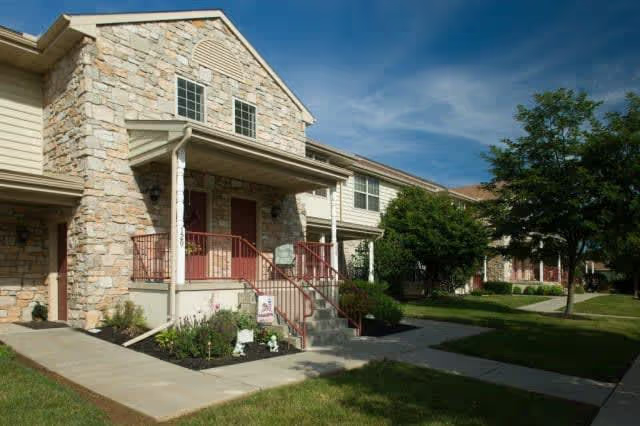
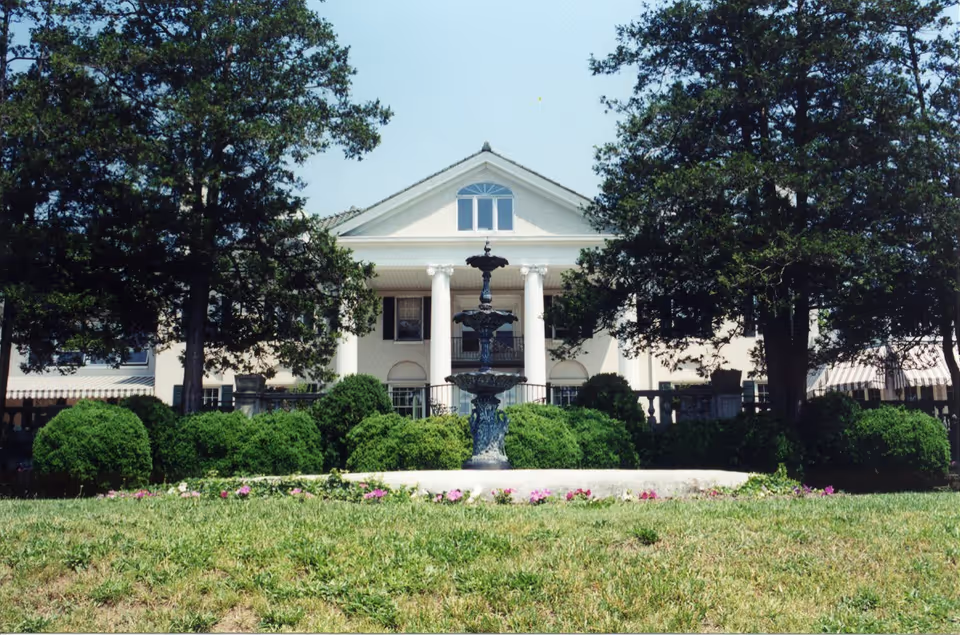
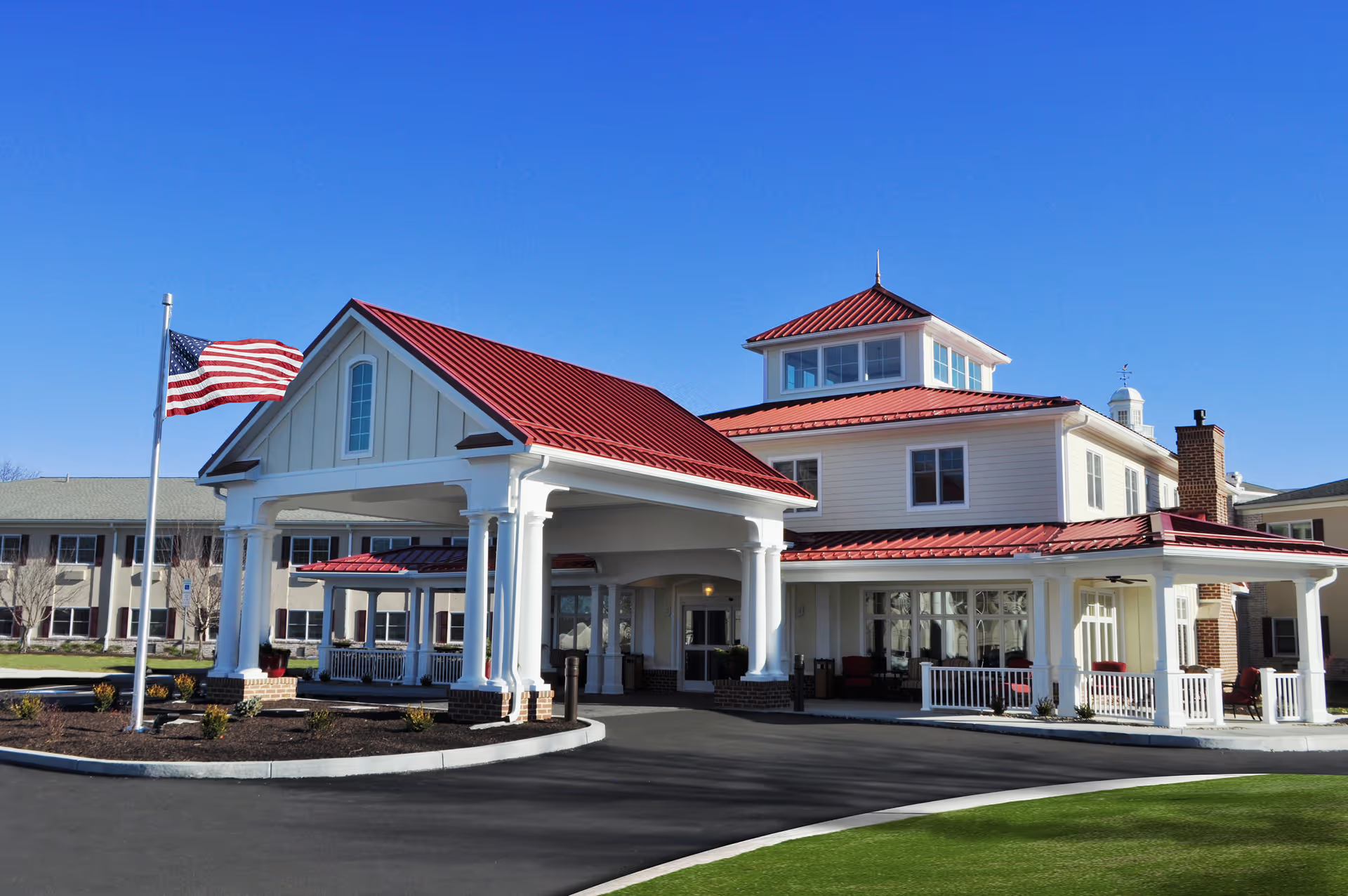
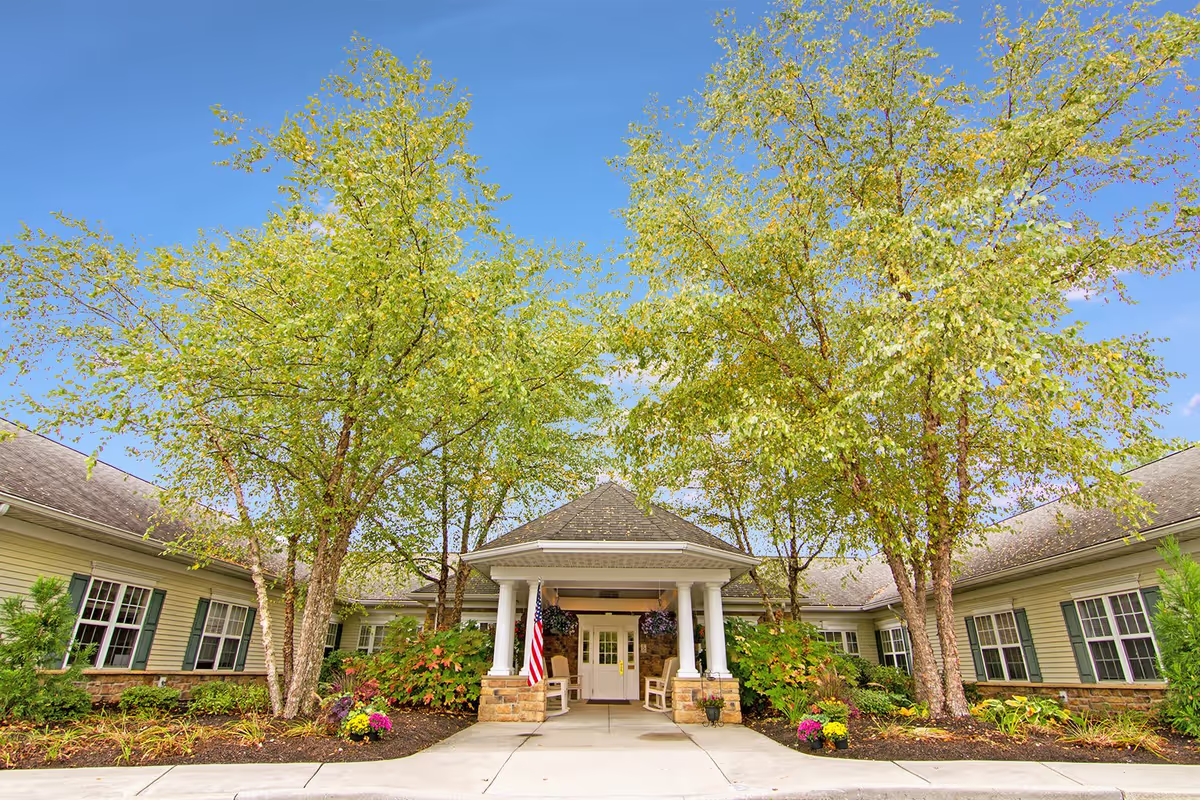
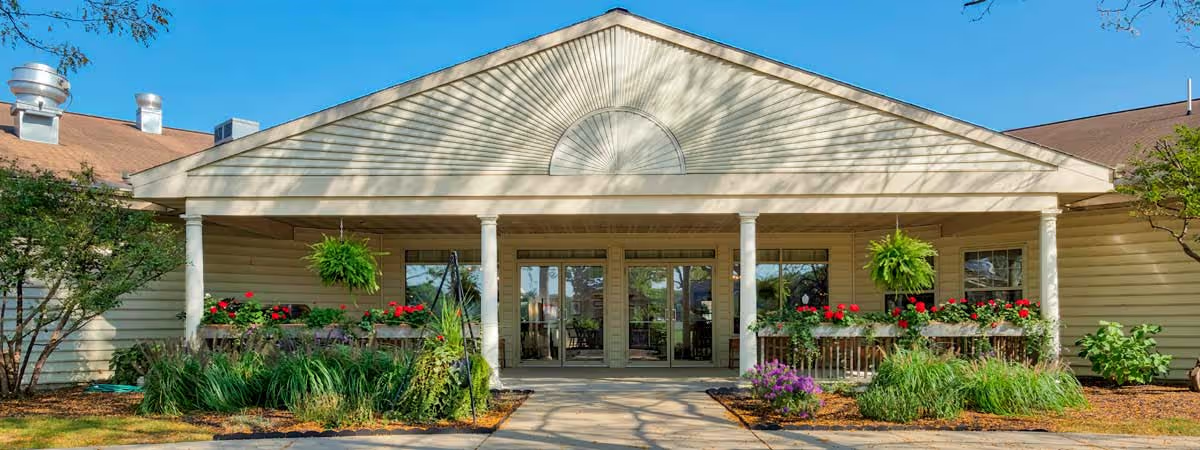
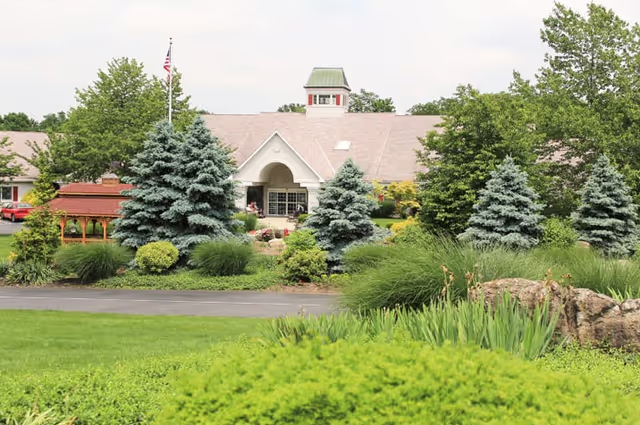
Facility condition and amenities are commonly cited as strengths. Cedar Haven is described as recently renovated in parts, with clean common areas, well-kept grounds, and pleasant outdoor spaces such as a courtyard and picnic area. There are private rooms with en-suite bathrooms in renovated sections, a pleasant cafeteria, and visible attention to aesthetics that many families appreciate.
However, a number of operational patterns raise concern. Staffing consistency and adequacy is a recurring theme: reviews indicate frequent short-handed shifts, single-aide coverage on some units, and variability in caregiver skill and responsiveness. These staffing issues are linked to operational impacts including delays in responding to call lights, inconsistent assistance with feeding and personal care, and variable cleaning responsiveness. Sanitation concerns and lapses in timely cleaning were reported by some families, which reinforces the need to ask about housekeeping protocols during a tour.
Clinical-level risks are another pattern to note. While many families praise compassionate, skilled clinicians, there are also reports suggesting gaps in ongoing clinical monitoring—examples referenced issues with condition recognition and wound/infection management—which in turn led to escalations of care for some residents. Communication consistency is mixed: some families commend clear, timely updates from particular nurses and social workers, while others experienced miscommunication about clinical tests, cardiograms, quarantine extensions, and visitation status. The pandemic period intensified these communication and access issues for several families.
Dining and room configuration show variability across the building. The cafeteria and food service receive both positive and critical comments: some residents enjoy the meals and events, whereas others describe inconsistent meal timing, cold or incomplete trays, and texture concerns for residents with special dietary needs. Physical layout differences also exist—recent renovations provide private rooms in parts of the campus, but there are also high-occupancy shared rooms in other units; prospective residents should verify room types and availability.
Overall, Cedar Haven offers notable strengths in rehabilitation, activities, and a personable care culture in many units, supported by attractive grounds and community events. At the same time, persistent issues around staffing levels, cleaning responsiveness, clinical monitoring consistency, meal-service operations, and family communication create variability in experience across units and over time. Families considering Cedar Haven should arrange an in-person tour, ask specific questions about staffing ratios and training, inquire about infection-control and visitation policies, review recent housekeeping and clinical quality reports if available, and clarify meal-service routines and room configurations to match resident needs.