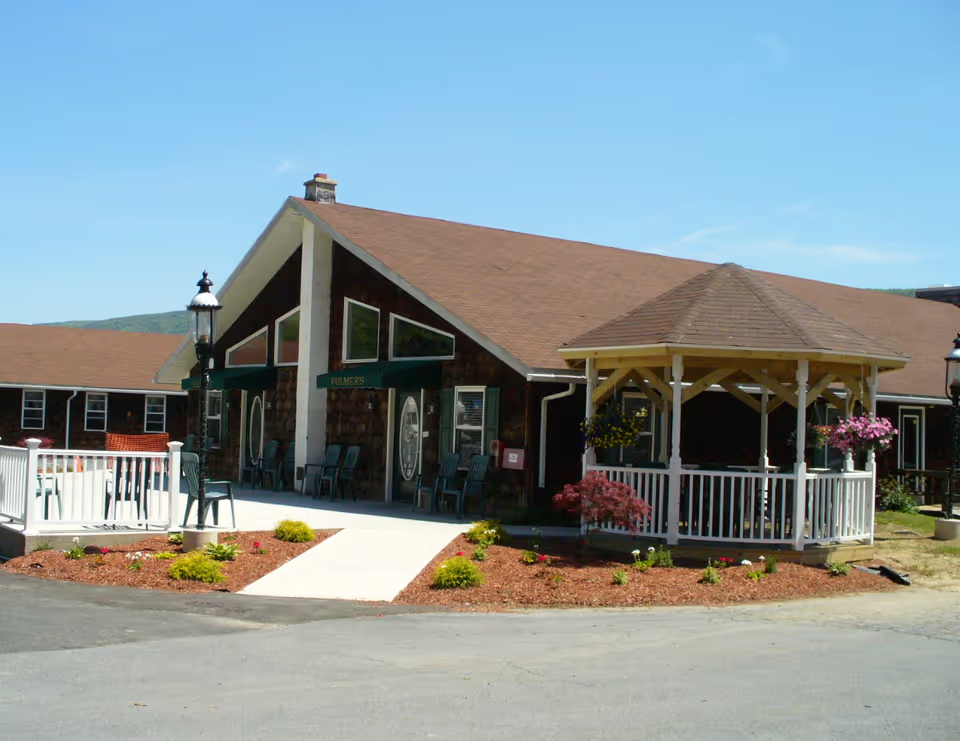
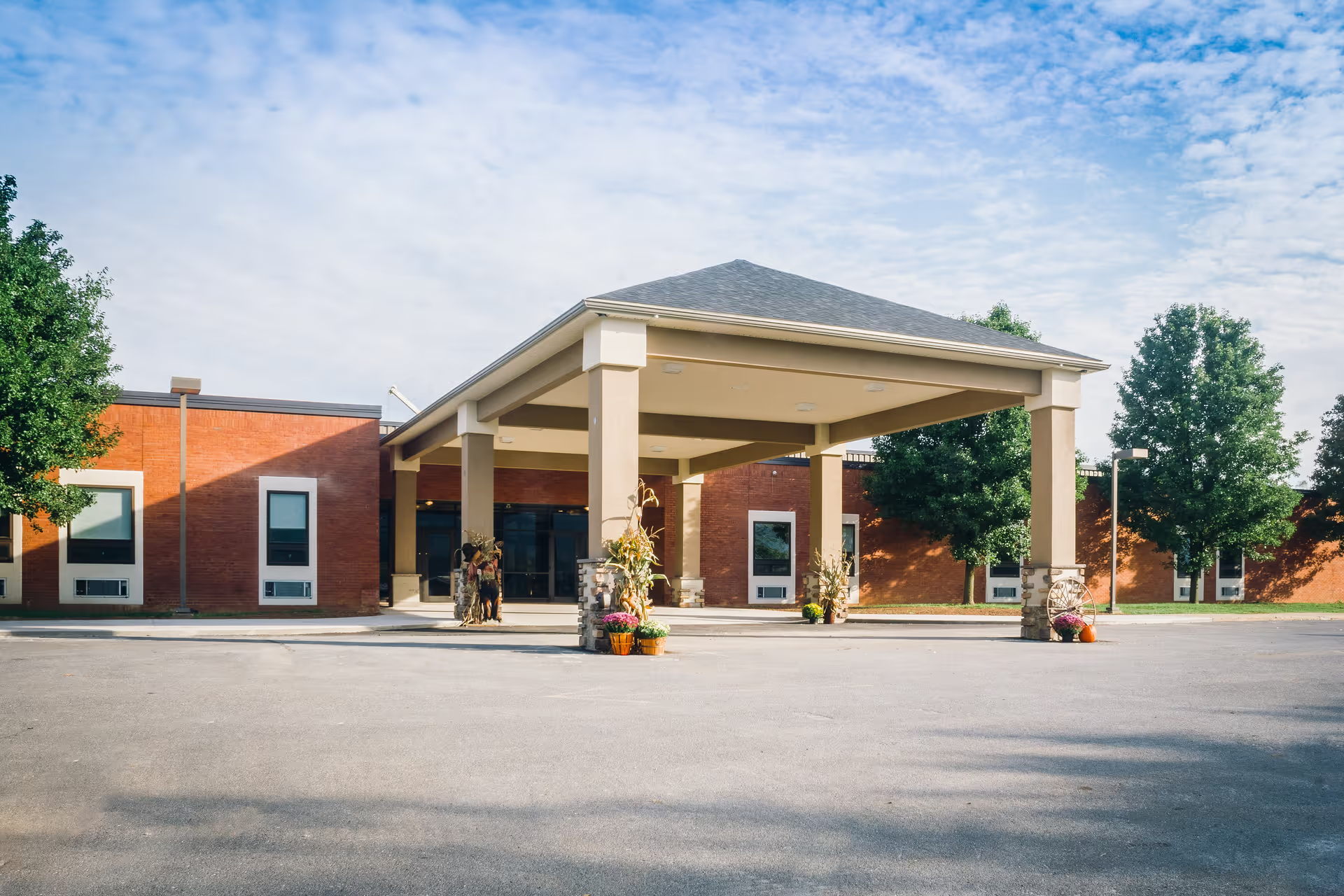
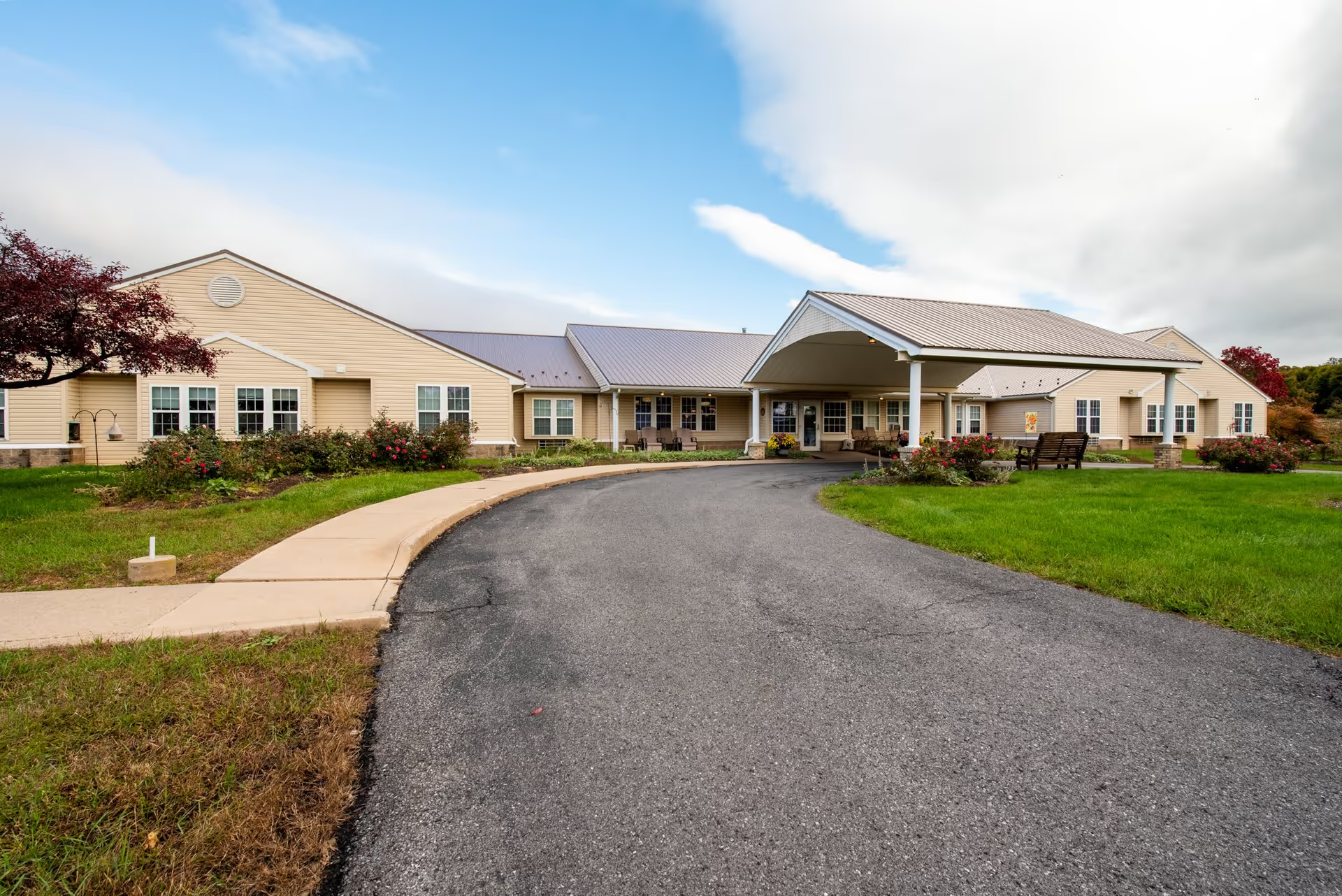
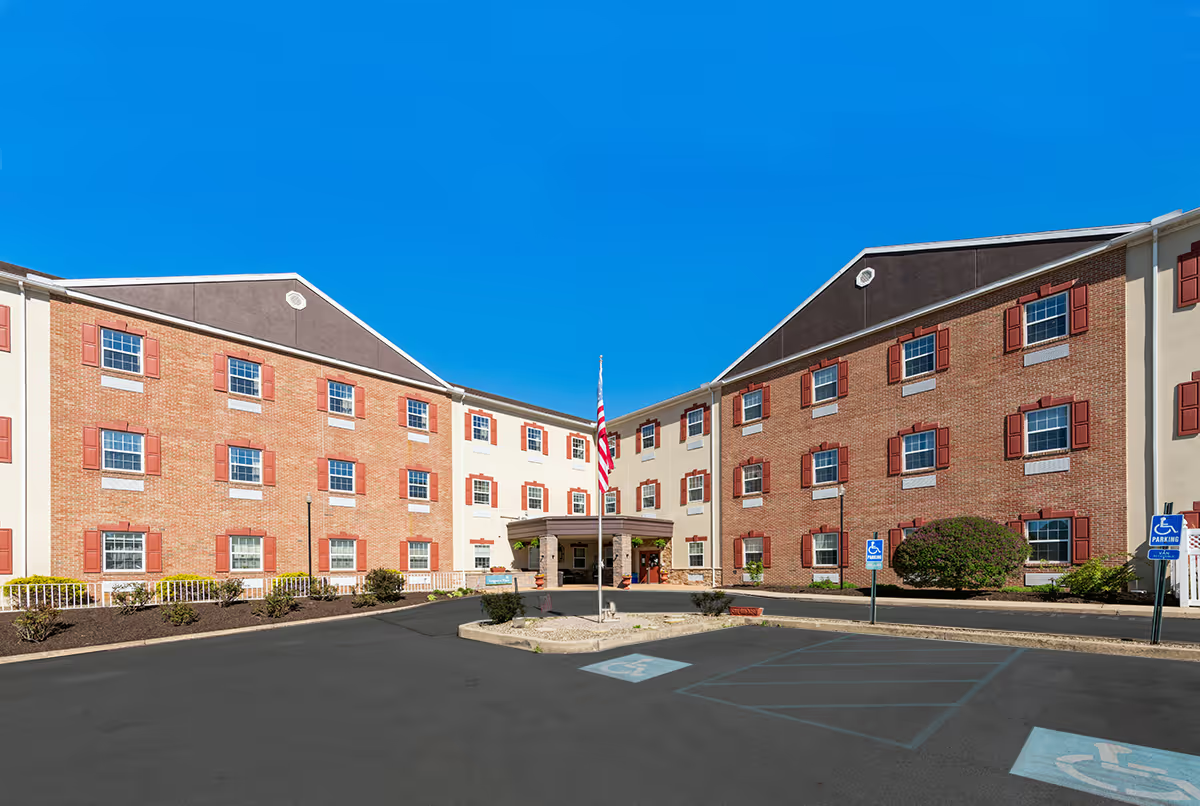
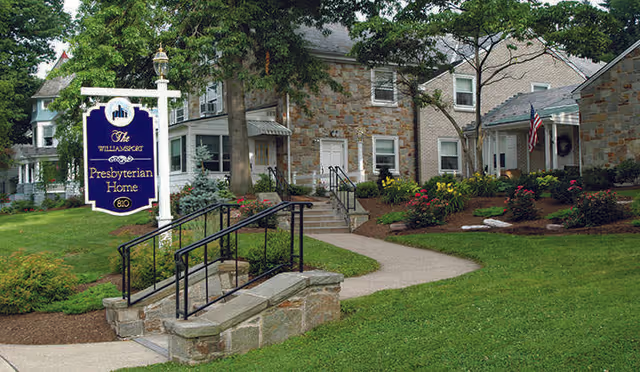
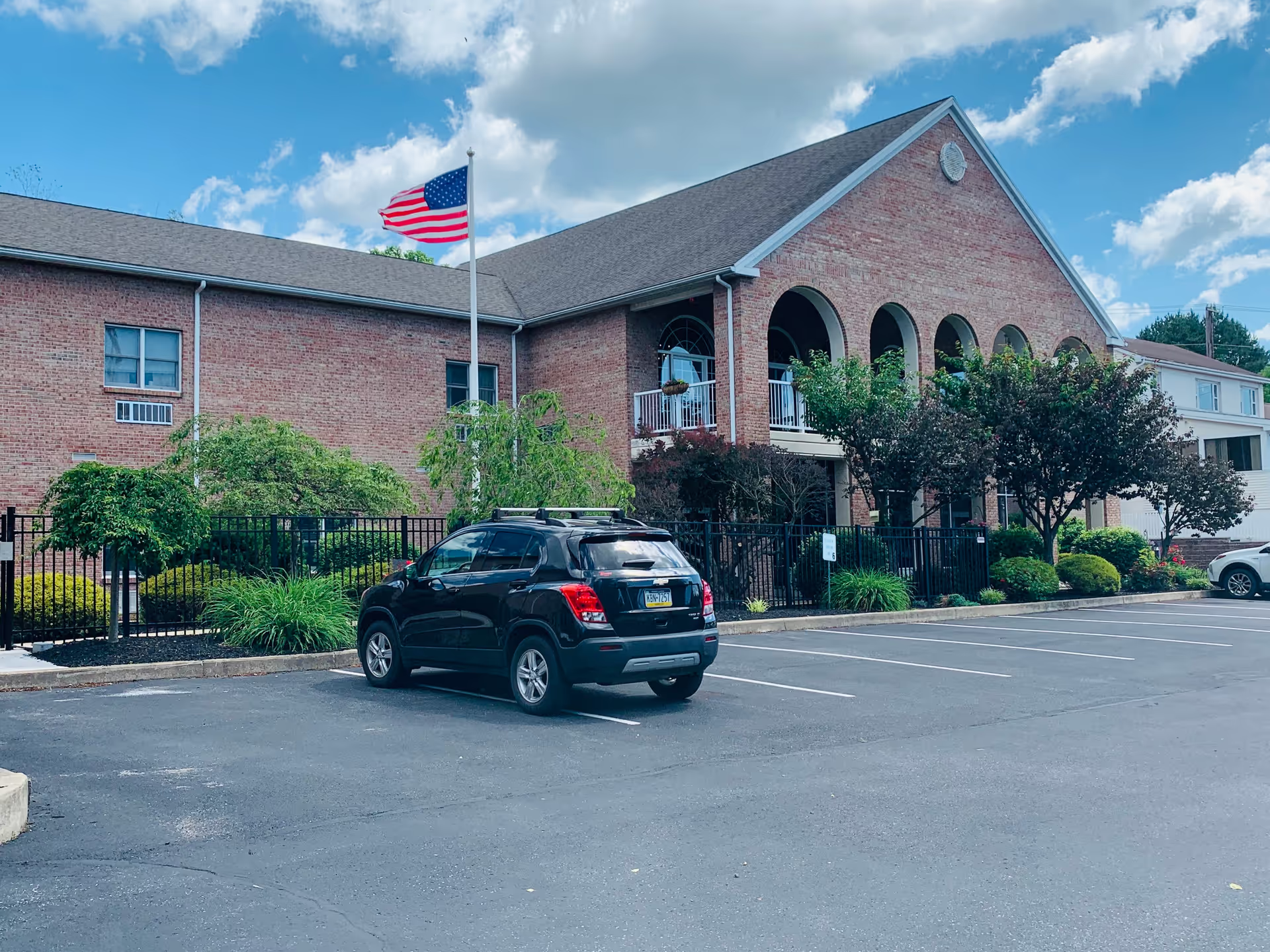
Reviews present a mixed but distinct pattern: the facility's physical environment and many direct-care staff are frequently praised, while operational and management-level inconsistencies create concern for some families. The campus, indoor atrium, garden and individual apartment-style rooms are consistently described as attractive, well-maintained, and conducive to a pleasant resident experience. Therapy and admissions processes receive positive mentions for timely intake, clear explanations about recovery and insurance, and a mobility-focused rehabilitation program. Many families highlight compassionate, hands-on CNAs and nurses, knowledgeable RNs and social workers, and staff who provide reassuring, family-like attention — including examples of staff going beyond expected duties for residents.
At the same time, reviews point to uneven clinical oversight and reliability. Examples include medication delays, order-processing issues, and what reviewers characterize as lapses in safe transfer and bed-exchange procedures. There are recurring comments about variability in responsiveness to call bells and care requests, and some accounts indicate billing and documentation errors that created confusion for families. These operational gaps appear most acute during off-peak hours or when supervisory staffing is limited; reviewers specifically note occasions with no RN on duty and difficulty reaching the facility by phone.
Facility-level practices also show mixed performance in housekeeping, pest control, and dining. While many reviewers describe clean, homelike common areas and well-kept rooms, there are also sanitation and pest-control concerns referenced near entry points and inconsistent comments about meal quality. Activity programming is a relative strength: residents and families report an active social calendar, engaging events, and staff who facilitate participation. Therapy staff and activity teams receive multiple positive comments for effectiveness and enthusiasm.
Management and communication emerge as another dividing line. Direct-care staff frequently receive praise for compassion and teamwork, but several reviewers describe upper-management as less responsive, with concerns about tone, customer service, and policies such as room-holding charges. A small number of serious personnel-related allegations, including concerns about theft, are also present in the reviews and warrant verification. Overall, the pattern is one of strong frontline caregiving within a facility whose administrative, clinical-supervision, and operational controls appear inconsistent.
For prospective residents and families: a visit that includes observation of mealtime, a tour of resident rooms and common areas, and conversations with both frontline caregivers and administrative leaders is advisable. Ask specific questions about RN coverage, medication-administration protocols, call-response metrics, transfer and bed-change procedures, pest-control and housekeeping schedules, billing practices, and how the facility documents and communicates incidents to families. Request recent inspection reports, therapy outcome data, and references from current families to help weigh the facility's notable environmental and therapeutic strengths against the operational inconsistencies described by some families.