Overall impression: Reviews convey a mixed but largely centered picture: direct-care staff and the living environment receive consistent praise, while administrative practices and property management raise recurring concerns. Families and visitors frequently describe warm, compassionate care from nurses and aides and a facility that feels homelike, but they also describe operational and management-level issues that may affect trust and continuity of care.
Care quality and staff: Direct-care personnel are the facility's primary strength. Multiple comments highlight attentive, compassionate nursing and aide teams, respectful bedside interactions, and helpful communication about residents' daily condition. These accounts suggest that clinical care and hands-on assistance are generally reliable, and several families indicated they would choose the facility again. However, there is variability in staff conduct and tone: while many describe courteous caregivers, other accounts reference negative interpersonal interactions. This variability points to inconsistent staff performance or uneven supervision rather than a uniformly poor care culture.
Dining: Review content provided does not document meal quality or dining operations in detail. Prospective residents should request menus, sample meals, and information about special-diet accommodations during a tour to evaluate dining services directly.
Activities: Activity programming appears to be an asset. Reports of holiday events and resident participation (for example, Halloween activities) indicate an active social calendar and opportunities for engagement. This supports a more home-like environment and suggests a focus on social programming for residents.
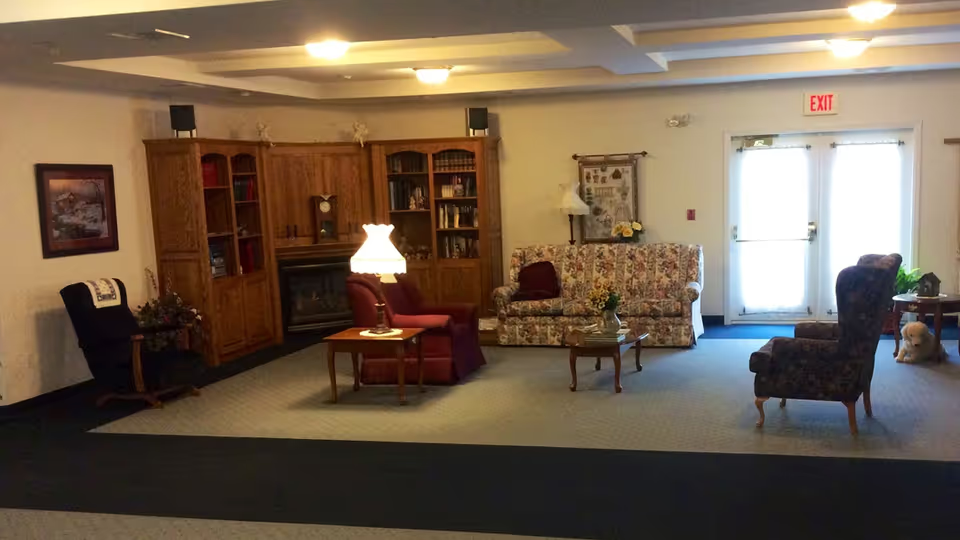
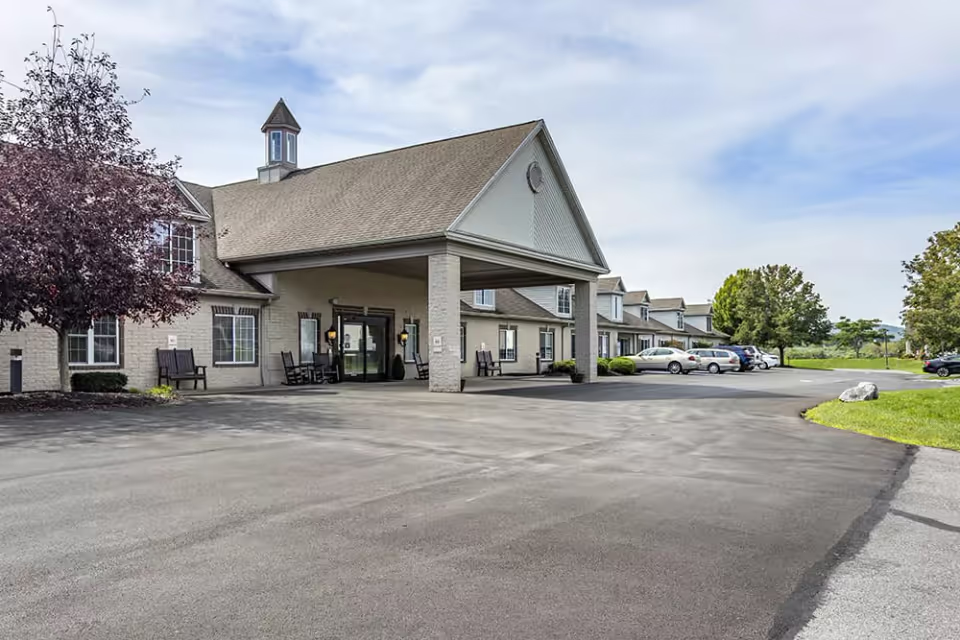
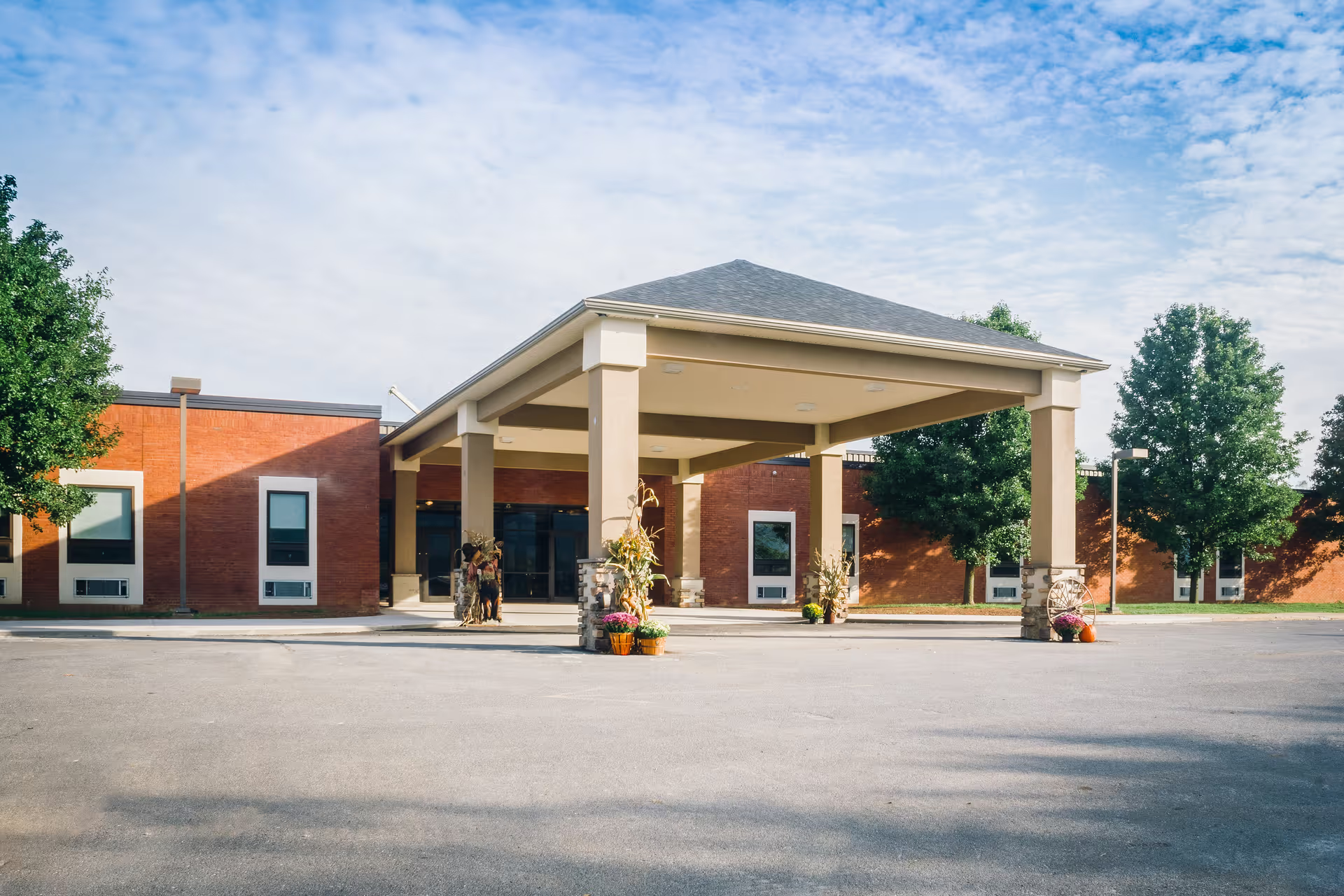
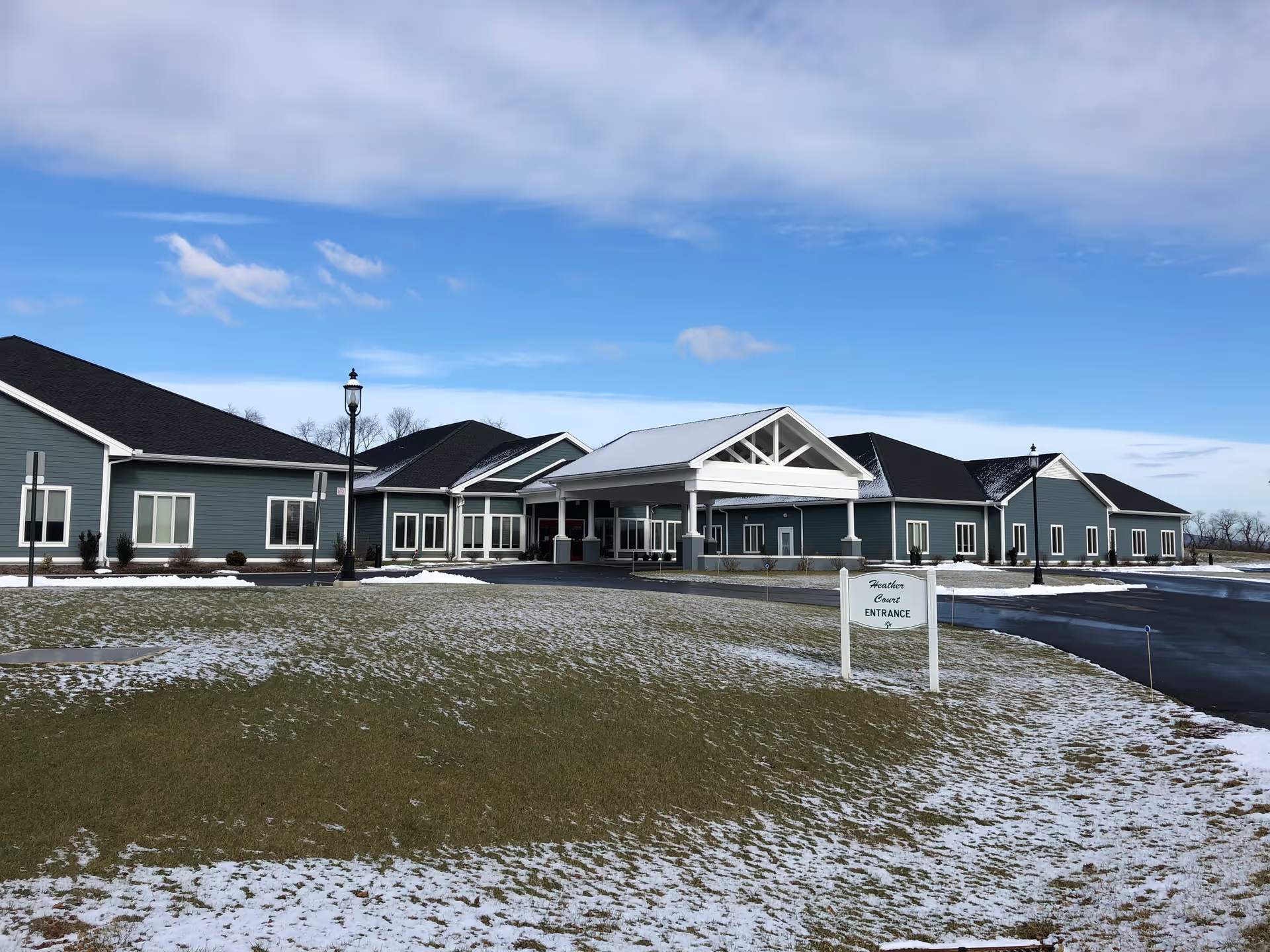
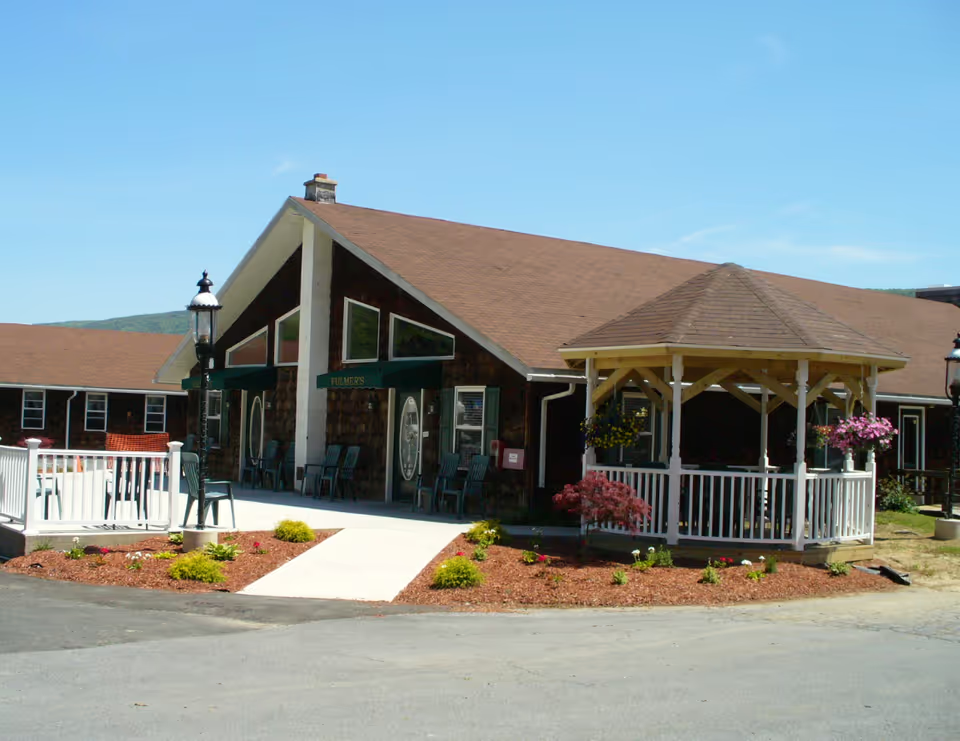
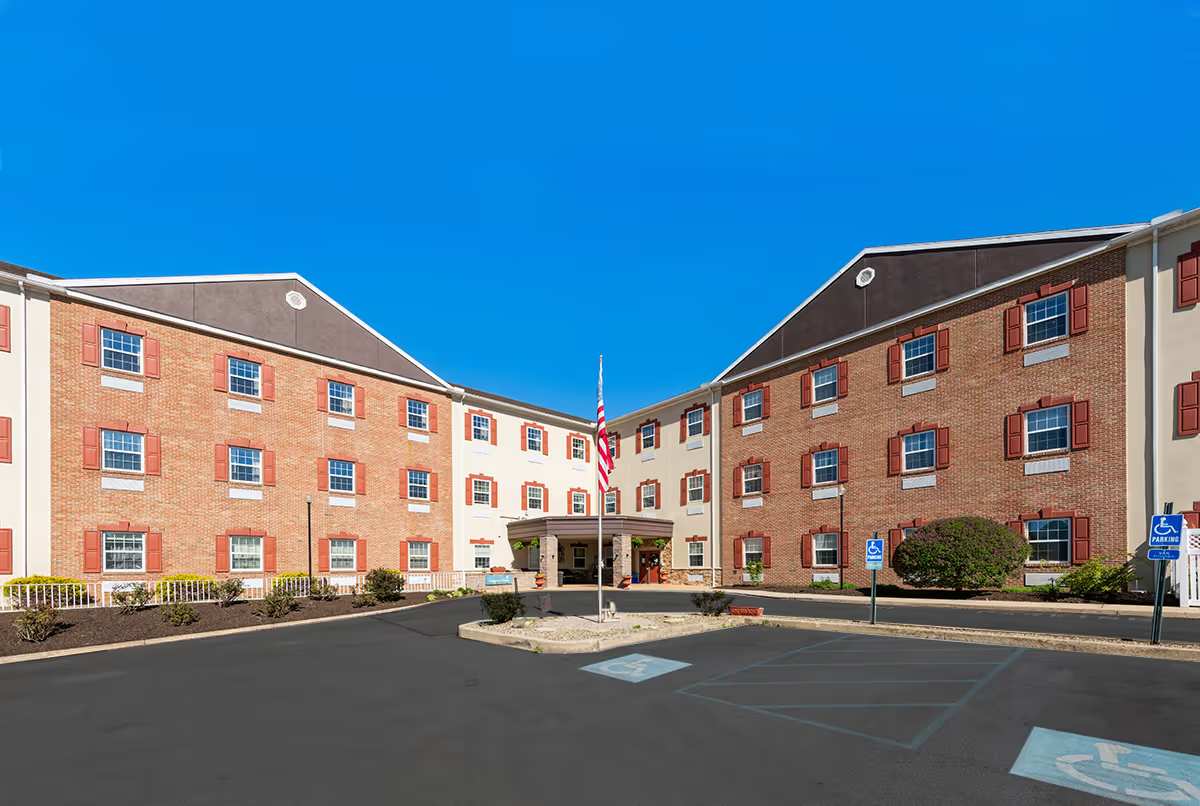
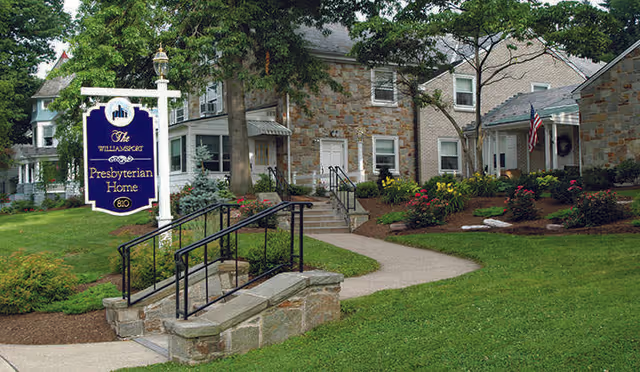
Facilities: The physical environment receives positive comments: rooms and the facility are described as nice and well-maintained. These observations imply acceptable upkeep of resident rooms and common areas.
Management and operations: Administrative issues are the most prominent area of concern. Reviewers describe a perceived administrative focus on financial considerations and insufficient responsiveness to residents' and families' preferences. Specific operational weaknesses inferred from the feedback include lapses in personal-property handling and limited administrative accountability, which can undermine family confidence. These concerns are operational in nature and suggest gaps in policy enforcement, staff oversight, or communication protocols rather than frontline caregiving alone.
Notable patterns and recommendations for families: The pattern of strong direct-care staff allied with complaints about administration suggests a facility where caregiving is a strength but managerial practices may be uneven. Prospective residents and families should observe staff–resident interactions during a visit, ask how the facility documents and tracks personal belongings, review the communication protocols used for condition updates, and request examples of how the administration addresses family concerns. Asking for copies of grievance procedures, property-inventory policies, and evidence of staff training or performance improvement activities can help evaluate whether the administrative issues noted have been addressed.