This collection of reviews presents a strongly polarized view of the facility. Many families and residents highlight consistently positive daily experiences focused on staff, environment, and social engagement. At the same time, a subset of reviews describes significant operational and clinical concerns that materially affected resident safety and family confidence. Prospective families should weigh both patterns when considering placement and probe the specific unit, recent staffing levels, and management responsiveness during a visit.
Care quality: Positive accounts emphasize compassionate, attentive caregivers and nursing staff who provide individualized attention, prompt assistance in positive cases, and effective therapy services that support mobility and independence. Conversely, several reviews describe lapses in clinical oversight: missed or delayed medication administration, incomplete diagnostic follow-up, and inadequate family notification about clinical changes. These issues point to inconsistent clinical processes rather than uniformly poor care; some residents receive attentive, well-coordinated care while others experience gaps in monitoring and communication.
Staff: Frontline employees—nurses, CNAs, receptionists, and therapy staff—receive frequent praise for warmth, helpfulness, and dedication. Many families reported feeling reassured by staff interaction and noted residents becoming more social and happier after placement. However, reviews also describe high staff turnover, morale problems, and reports of micromanagement or punitive supervisory practices. Those workforce issues likely contribute to variability in day-to-day performance and continuity of care.
Dining and personal care: Positive feedback includes accommodating and friendly dining staff in several accounts. At the same time, there are consistent operational concerns: inconsistent meal timing, variable food quality, and failures to reliably accommodate medically necessary diets or control cross-contamination risks. Personal-care scheduling also appears inconsistent, with some residents receiving timely hygiene and shower assistance while others experienced delays.
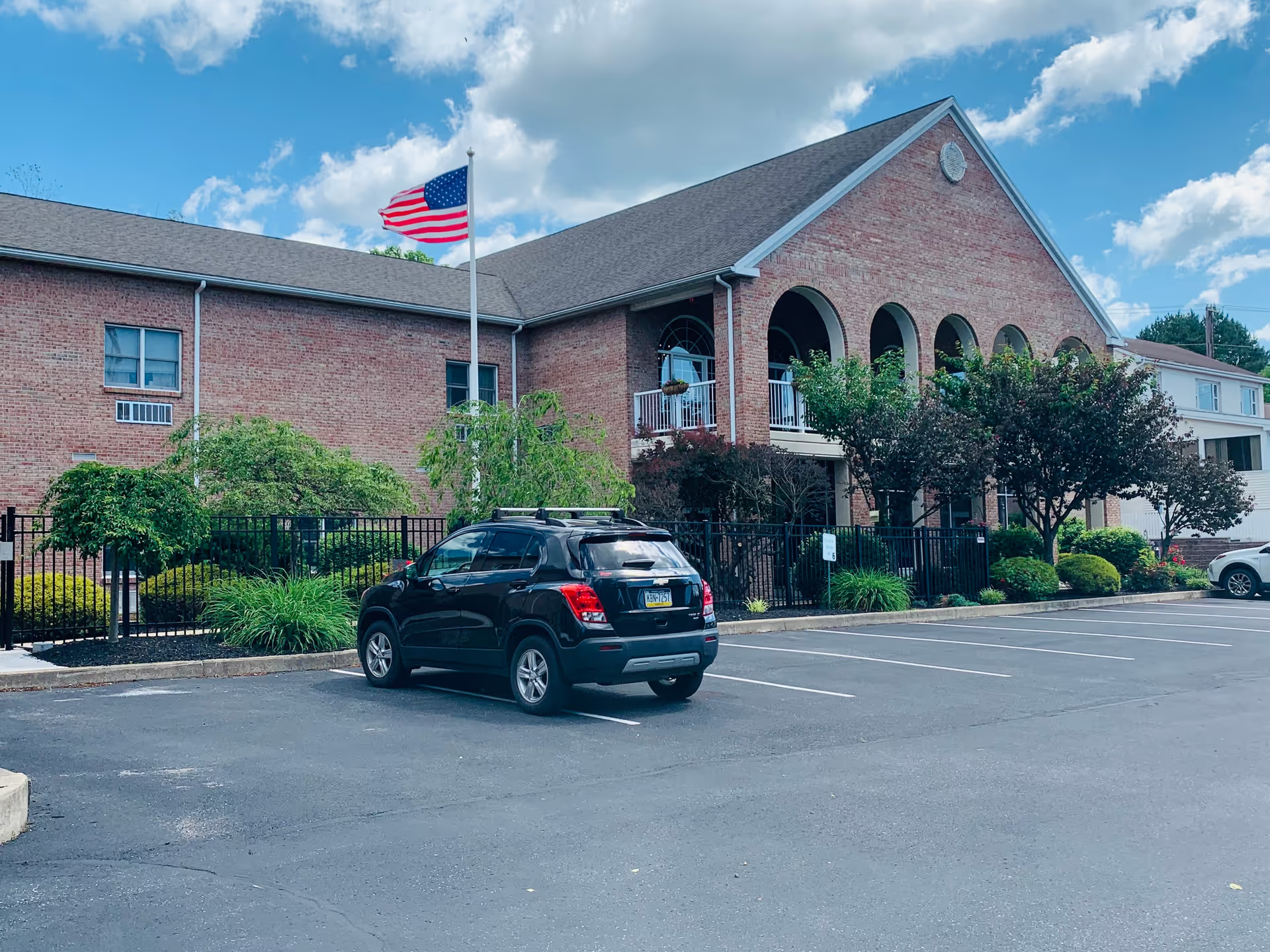
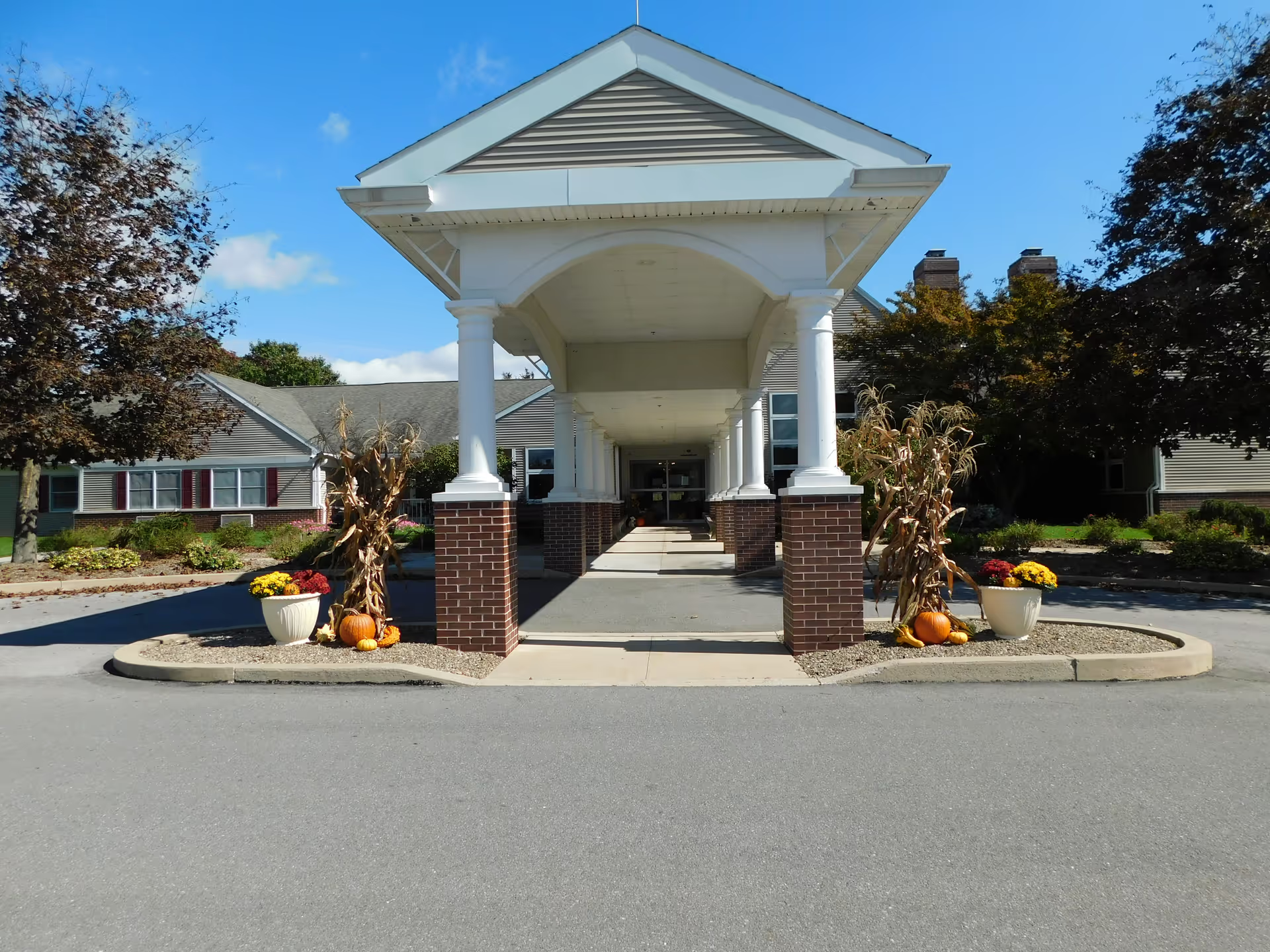
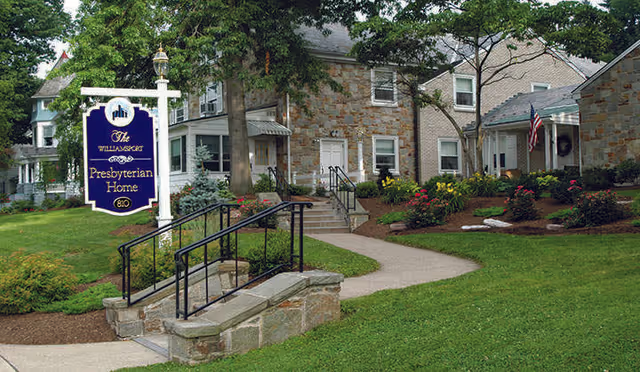
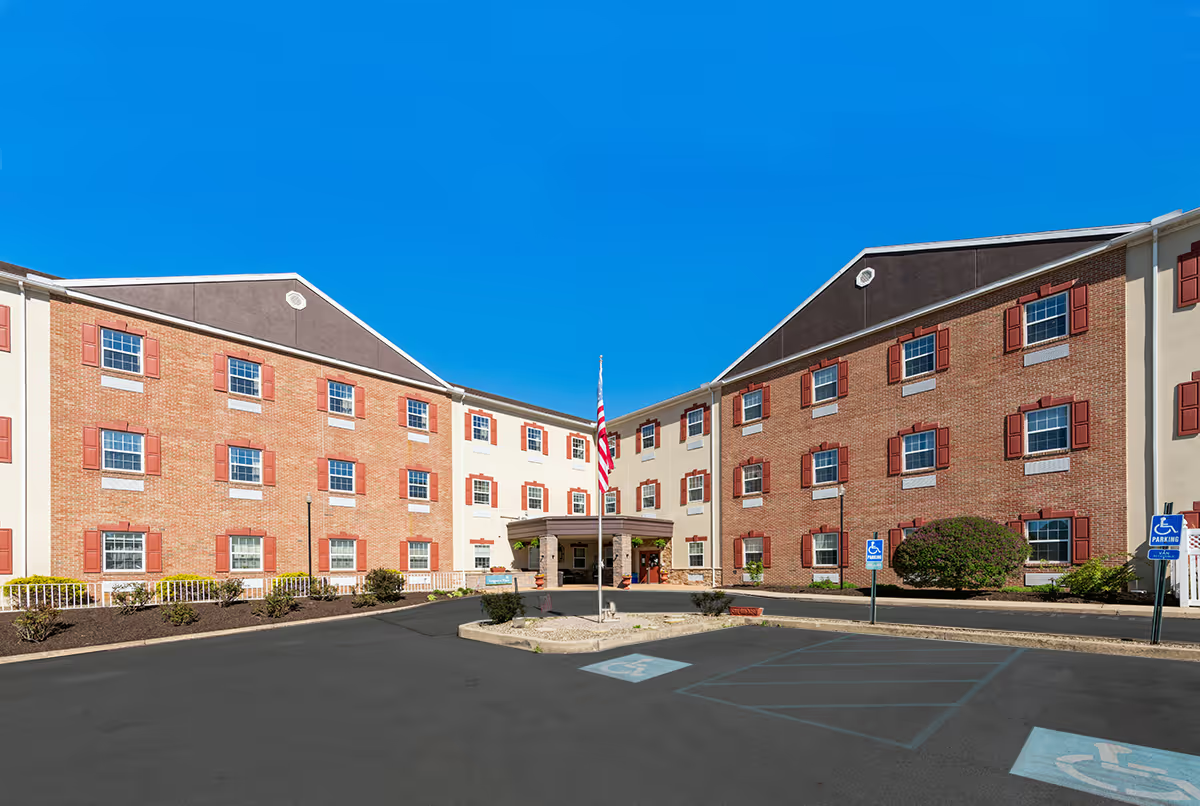
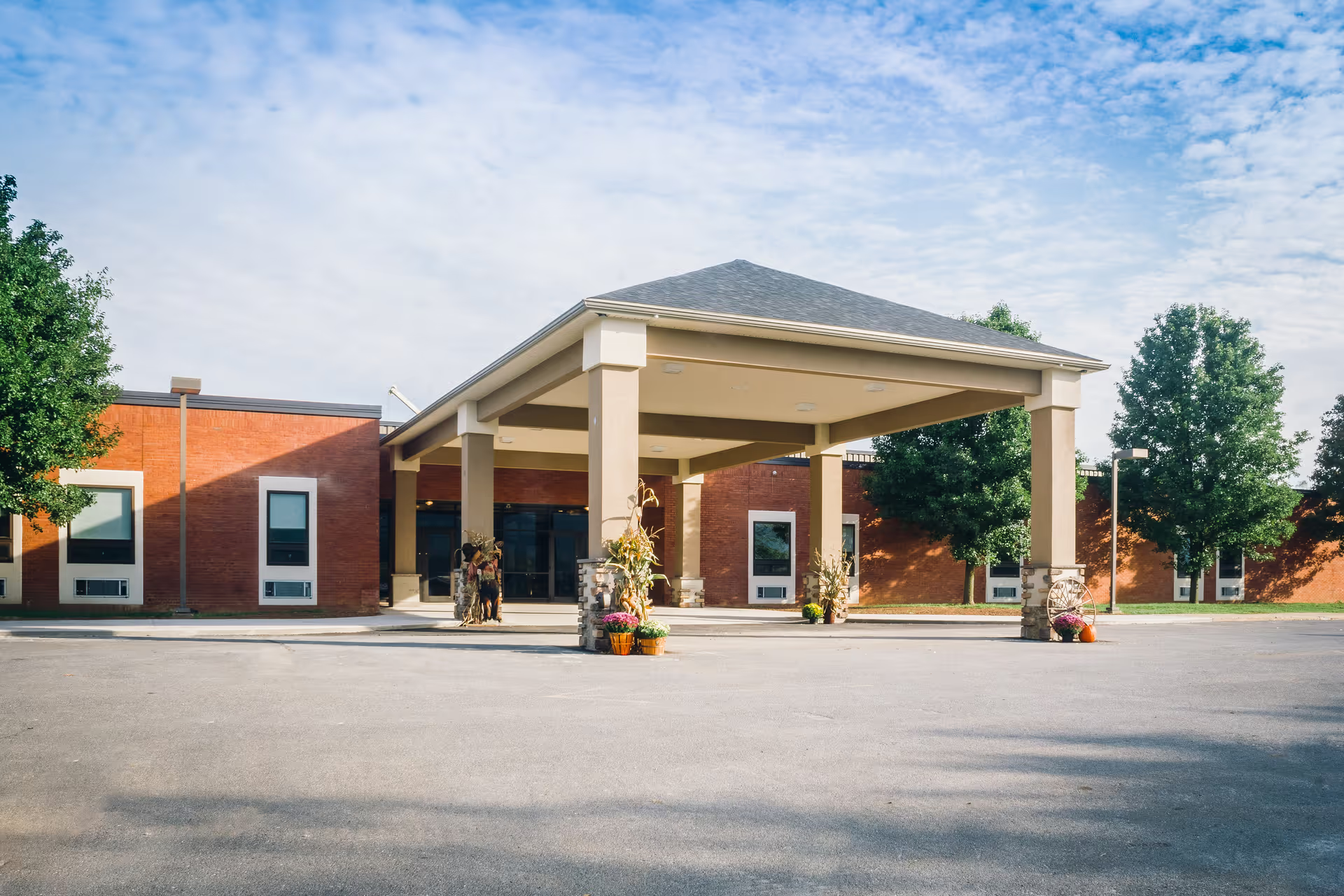
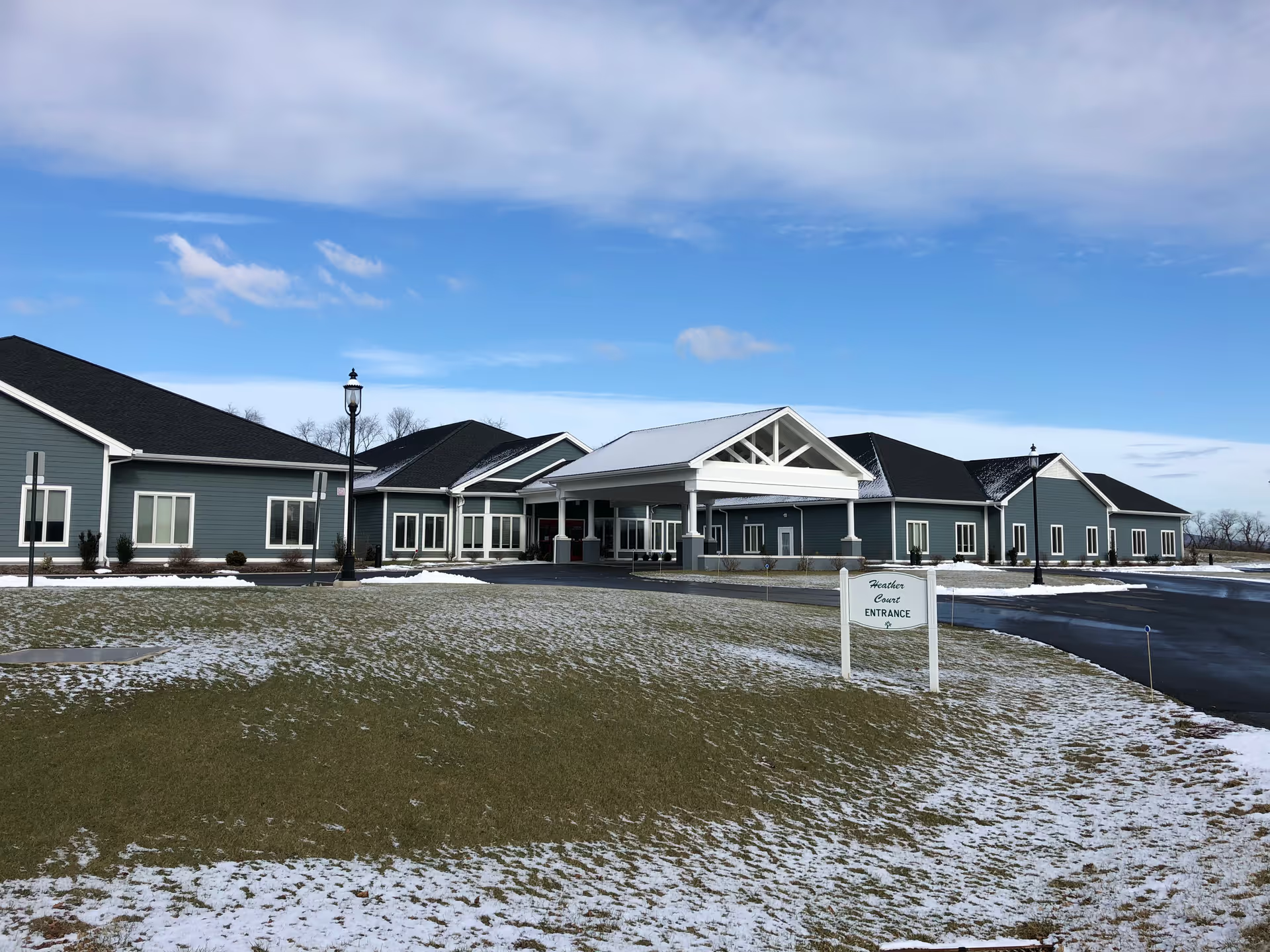
Facilities and cleanliness: Many reviewers described the facility interior as clean, bright, and homelike with pleasant common areas. In contrast, other reviews cite infrastructure problems—heating and hot-water outages, low water pressure, and plumbing backups—that created sanitation and odor concerns in specific areas. There are also isolated infection-control issues noted, including inconsistent glove use and inattentive staff at nurse stations; these point to lapses in protocol adherence rather than a uniform standard across the facility.
Management and responsiveness: Positive impressions of corporate support and an efficient admission process appear in several accounts. Yet a number of families reported slow or insufficient responses from administration when raising clinical or infrastructure concerns, and some described promises of corrective action that were not clearly documented or sustained. The combination of management unresponsiveness and frontline morale issues increases the risk that identified problems will reoccur.
Notable patterns and recommendations: The reviews suggest a bifurcated reality: strong, compassionate frontline care in many units coexisting with operational and clinical inconsistencies in others. Before placement, families should (1) ask about recent staffing stability and staff-to-resident ratios on the specific unit, (2) review medication-administration and clinical-communication protocols, (3) confirm the facility's ability to meet special-diet requirements and infection-control procedures, and (4) inspect the unit for plumbing, heating, and sanitation conditions. Visiting at different times of day and speaking directly with current families and staff can help clarify whether the positive or negative patterns are dominant in the unit under consideration.