Overall impression: Reviews of Eldercrest Rehabilitation and Healthcare Center present a mixed picture. Many families and residents praise the facility's rehabilitation program, certain clinical staff, and small, family-like environment; however, recurring operational concerns — especially around staffing, infection control, personal-care consistency, and transitions of care — temper those positive reports. Prospective residents should weigh the facility's strong therapy and some examples of attentive care against reported variability in other areas.
Care quality and safety: The facility receives consistent positive feedback for its PT/OT program and several therapists who are described as skilled and engaged. At the same time, reviewers describe operational gaps that affect clinical safety and outcomes: inconsistent infection-control practices (including PPE use and monitoring procedures), medication-management lapses, and delays in responding to resident needs. These operational weaknesses are associated in reviews with clinical deterioration, repeat hospital transfers, and concerns following at least one resident death. Families also reported repeated falls and challenges managing residents with advanced balance or dementia needs, indicating limits in fall-prevention and higher-acuity care capabilities.
Staff: Staff behavior is described with wide variation. Many accounts highlight compassionate, respectful nurses and aides, supportive social workers, and proactive dietary and administrative staff who make families comfortable. Conversely, other accounts note rude or inattentive personnel, particularly on evening and night shifts, and staff who appear overextended. The pattern suggests that individual staff commitment is high in many cases, but workforce shortages and uneven staffing patterns contribute to variable resident experiences and inconsistent care delivery.
Dining and activities: Dietary staff receive praise for flexibility — accommodating special diets, adjusting meals, and permitting outside food. There are also frequent positive notes about a lively dining and activities program and an engaged activities director. Counterbalancing this, reviewers describe inconsistent meal quality, cold or undercooked items, and instances where residents did not receive adequate feeding assistance. Activity participation appears to depend in part on staffing levels and individual resident eligibility.
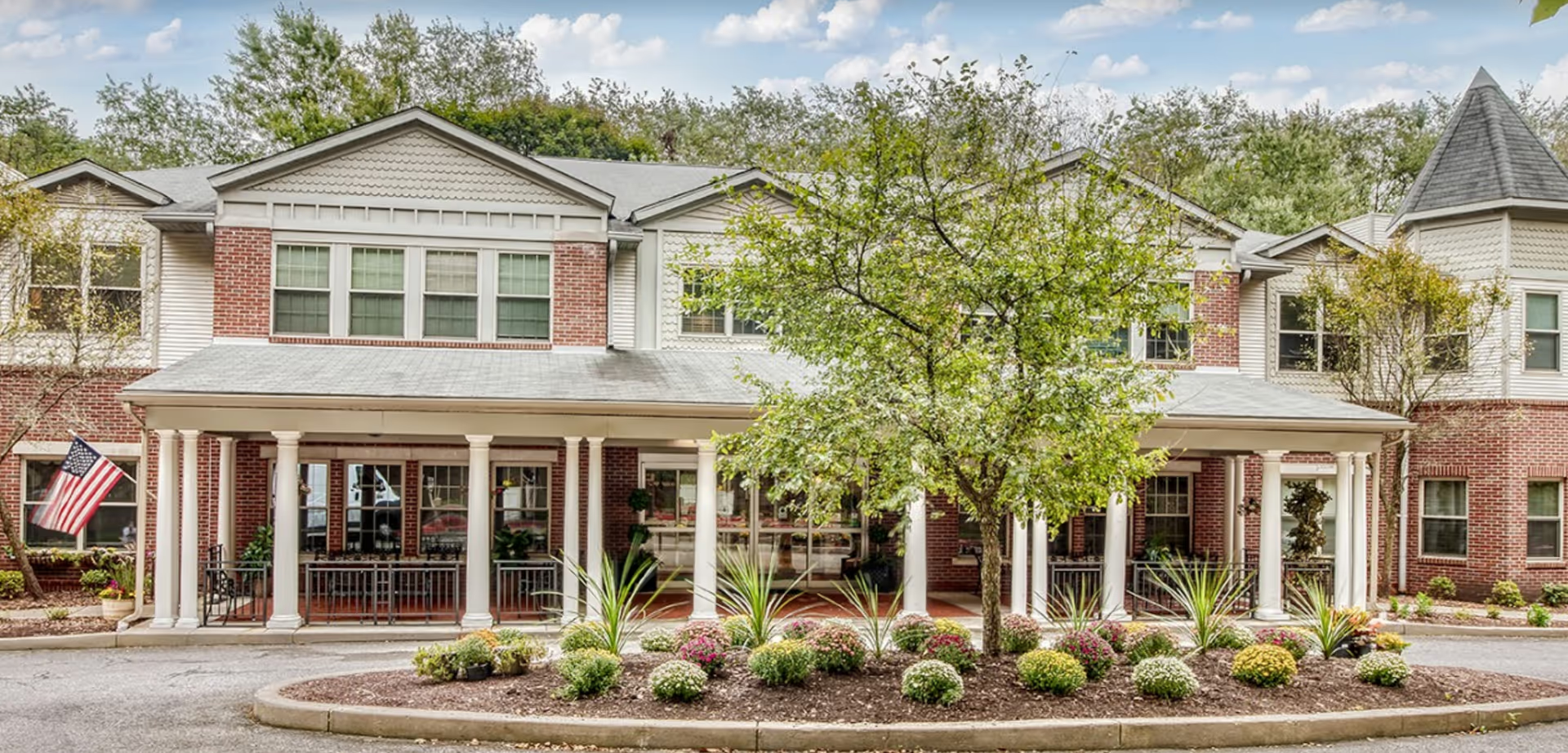
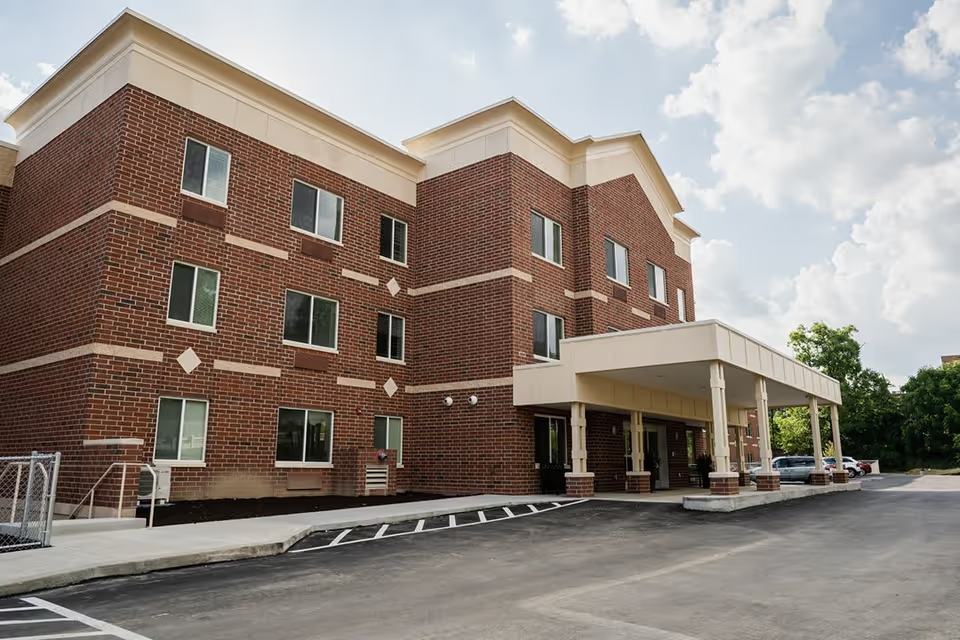
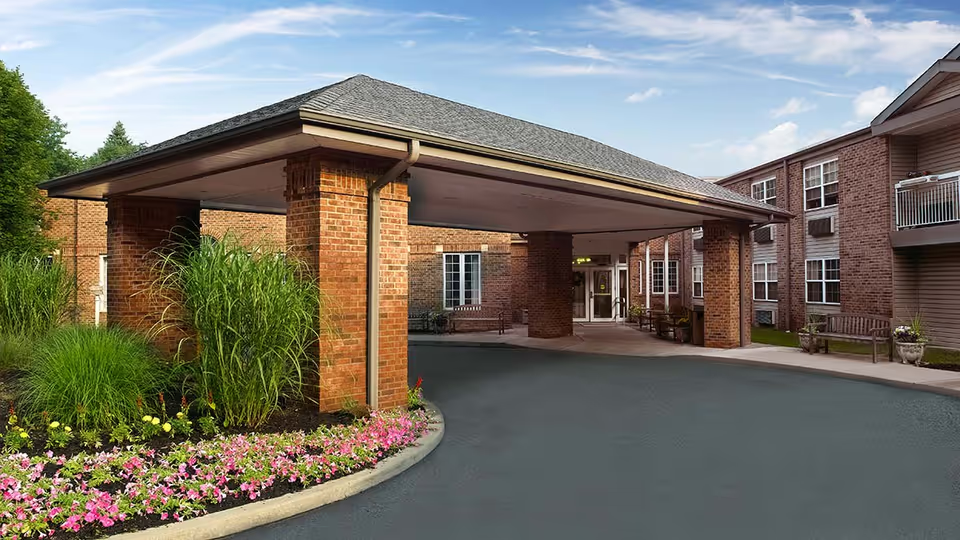
Facilities and cleanliness: The facility's small size and layout are viewed positively by some families, who note clean, bright rooms and easy visitation. Other reviewers raised sanitation concerns and odor issues in specific areas, inconsistent housekeeping on weekends or nights, and maintenance delays (for example, HVAC repairs). These reports indicate variability in environmental services performance across shifts.
Management, communication, and transitions: Administrative experiences range from hands-on, communicative leadership and helpful discharge planning to reports of unreturned messages, incomplete discharge instructions, and weak coordination of follow-up care and equipment. Such gaps have been linked in reviews to medication omissions at discharge and avoidable readmissions. While some social workers and administrators are singled out for strong support, the overall pattern points to inconsistency in care-transition processes.
Notable patterns and considerations: The most consistent strengths are rehabilitation services, individual staff members who demonstrate high dedication, and a small, community-oriented atmosphere. The most consistent weaknesses are operational: uneven staffing (especially nights/weekends), inconsistent infection-control and personal-care practices, communication and medication-management gaps, and limited programming for residents with advanced dementia or high fall risk. There are also isolated but serious concerns, including allegations of theft and incidents prompting readmission; these merit careful follow-up during any tour or family assessment.
Recommendations for families: If considering Eldercrest, visit during multiple shifts (including evenings and weekends), ask about staffing ratios, infection-control protocols, and fall-prevention programs, and clarify discharge procedures and medication reconciliation processes. Meet the therapy team and activities director if rehabilitation is a primary goal, and request references regarding recent transitions and outcomes for residents with similar needs.