Cornerstone Living presents as a small, family-style memory-care community that many families describe as warm and attentive. The most consistent strengths are the caregiving staff and clinical oversight: reviewers emphasize compassionate, patient caregivers, memory-care expertise, frequent family updates, and 24/7 access to staff. Several families specifically credited the team with making transitions smoother, coordinating hospice or end-of-life care appropriately, and providing personalized attention that supported residents’ dignity and comfort.
Care quality is frequently characterized as high on interpersonal measures—staff are described as respectful, kind, and willing to go beyond baseline duties to engage residents one-on-one. Memory-care programming and individualized activities receive positive mentions where staff tailor approaches to resident preferences and needs. Admissions and transition processes are often reported as straightforward, with owners and directors personally involved and willing to accommodate family photos and room personalization before move-in.
Dining and activities are mixed. Some families praised homemade-style meals, friendly dining staff, and occasional special treats or live-music events. Others noted limited meal options on some days (for example continental-style breakfasts and a narrow set of lunch/dinner alternatives) and advised confirming menu variety and substitution policies before committing. Activity programming is similarly variable: the community offers patio time, music, and one-on-one engagement, but reviewers also described periods of low stimulation and limited group programming; prospective families should observe activity schedules and sample programming during a visit.
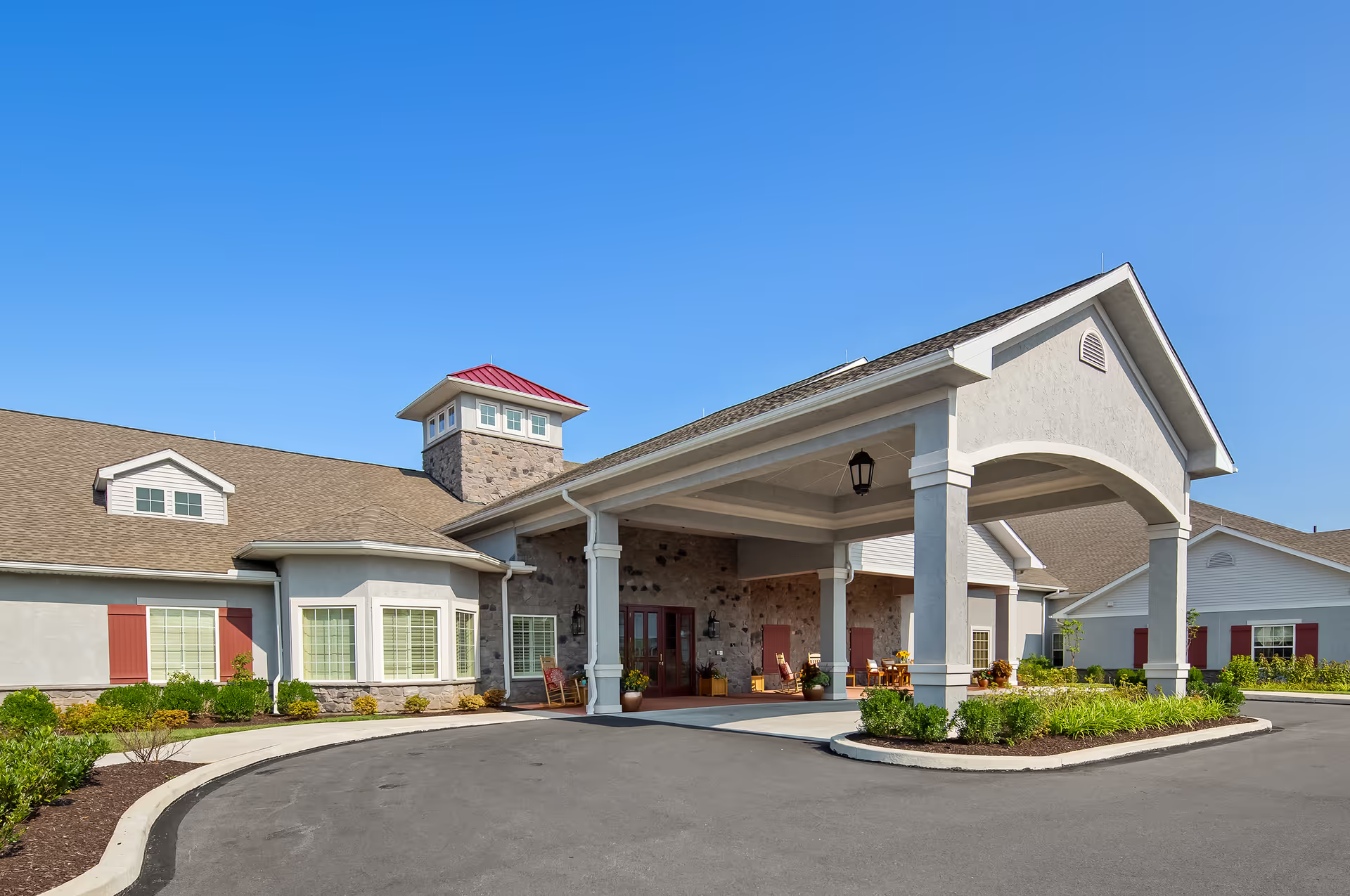
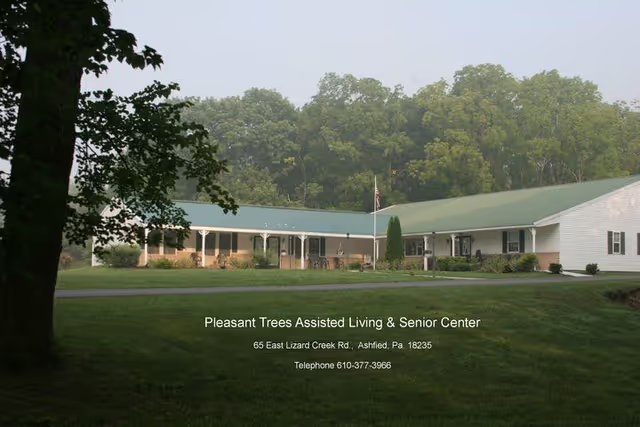
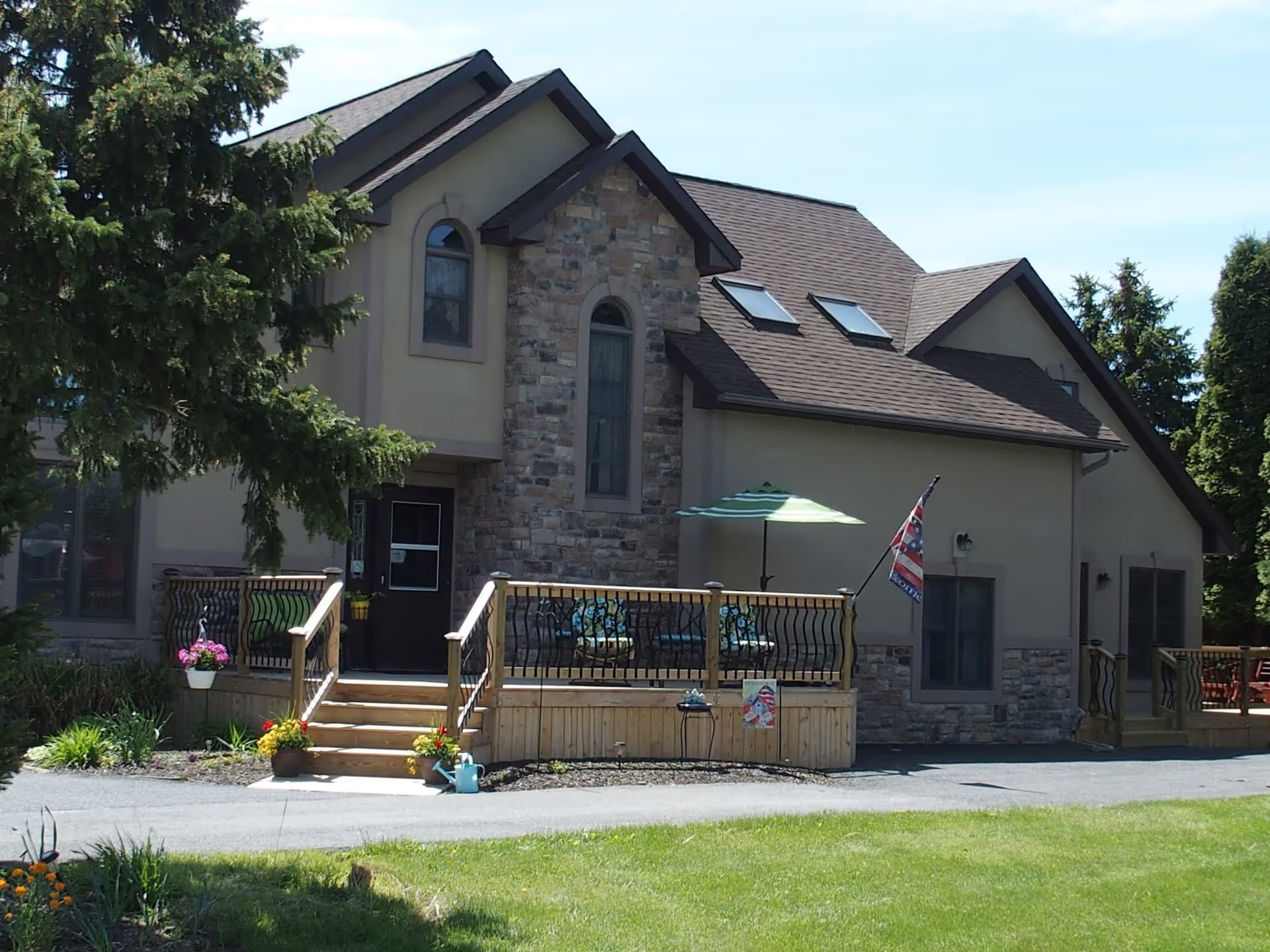
The physical plant and location are important trade-offs. Cornerstone is described as a cozy, home-like setting with a pleasant rural environment and a courtyard, but the building is older in places and undergoing upgrades. Comments include small rooms, dated bathrooms, darker common areas, and ongoing renovation work. The rural location provides a quiet setting but can be distant from hospitals and specialists, which families should weigh relative to their medical needs and travel logistics.
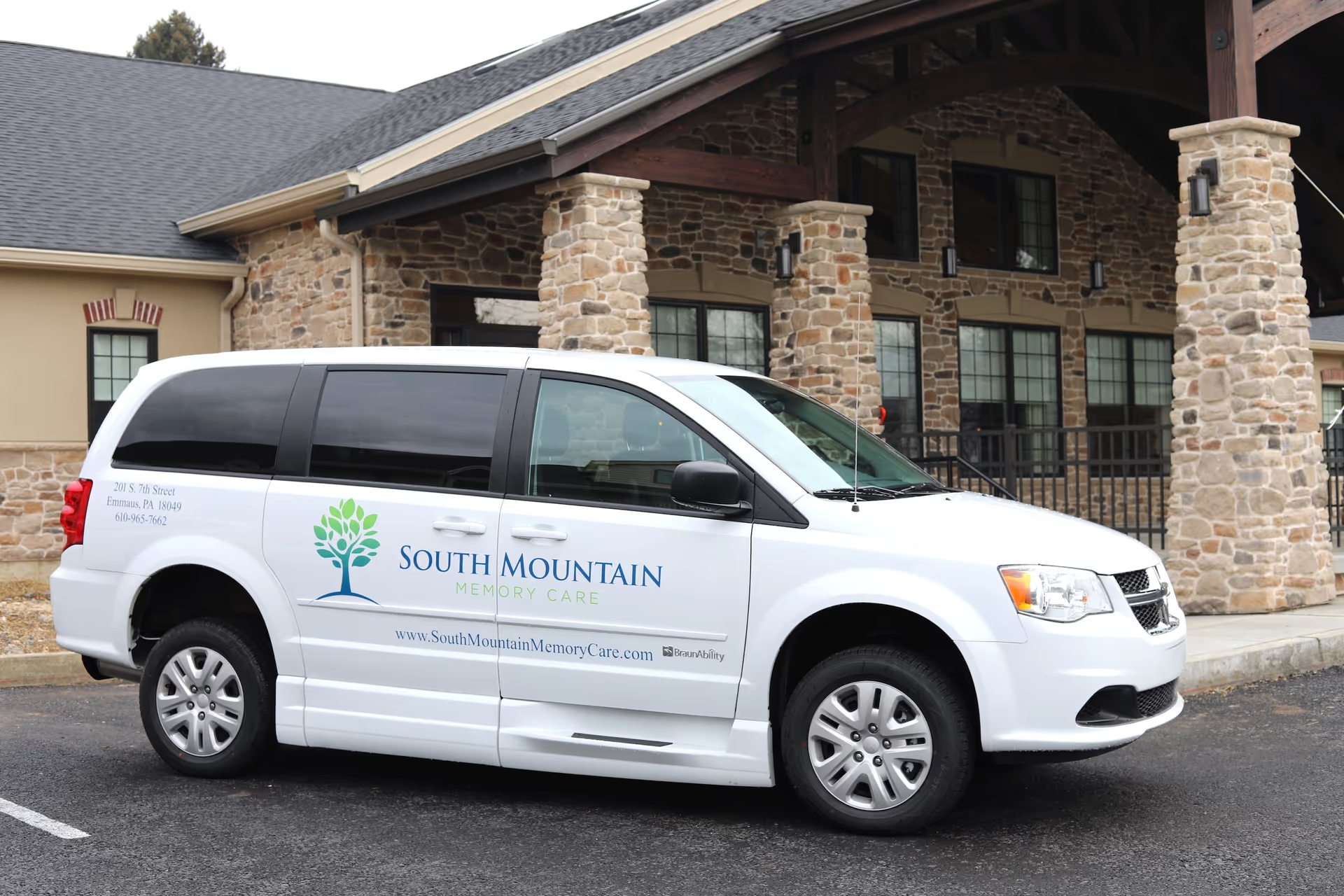
Management and operational concerns are relatively specific: some families described delays in administrative responsiveness, communication lapses in passing clinical information, and perceptions of high ancillary costs such as transportation for appointments and medication expenses. There is also mention of an extensive financial-disclosure process that some families found burdensome. A small number of reviews referenced staffing instability or turnover, and a few noted isolated care-coordination gaps; however, clinical leadership and day-to-day caregiving were still commonly described as attentive and skilled.
Overall pattern: Cornerstone’s primary strengths are its personalized, compassionate caregiving and small, home-like environment—attributes that many families found especially well suited for memory-care and end-of-life needs. Trade-offs include an older facility, limited menu and activity breadth, remote location, and some administrative/ancillary cost issues. Recommended due diligence for prospective families includes an in-person visit during activity times, a review of current sample menus and medication/transportation fees, clarification on bathing and bathroom arrangements, and a discussion about staffing continuity and clinical communication practices.