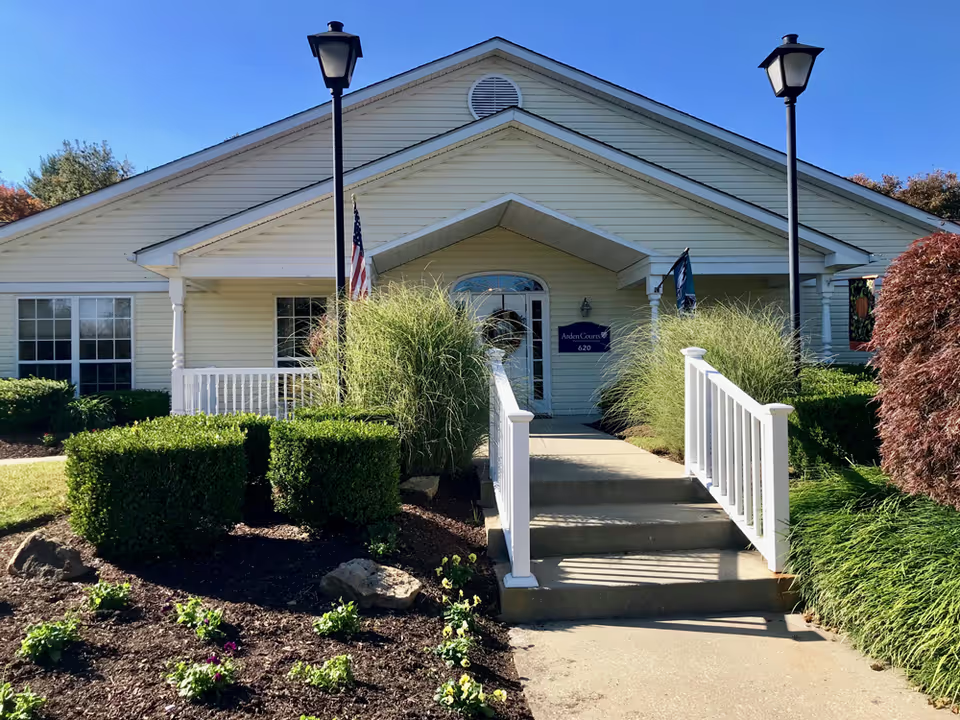
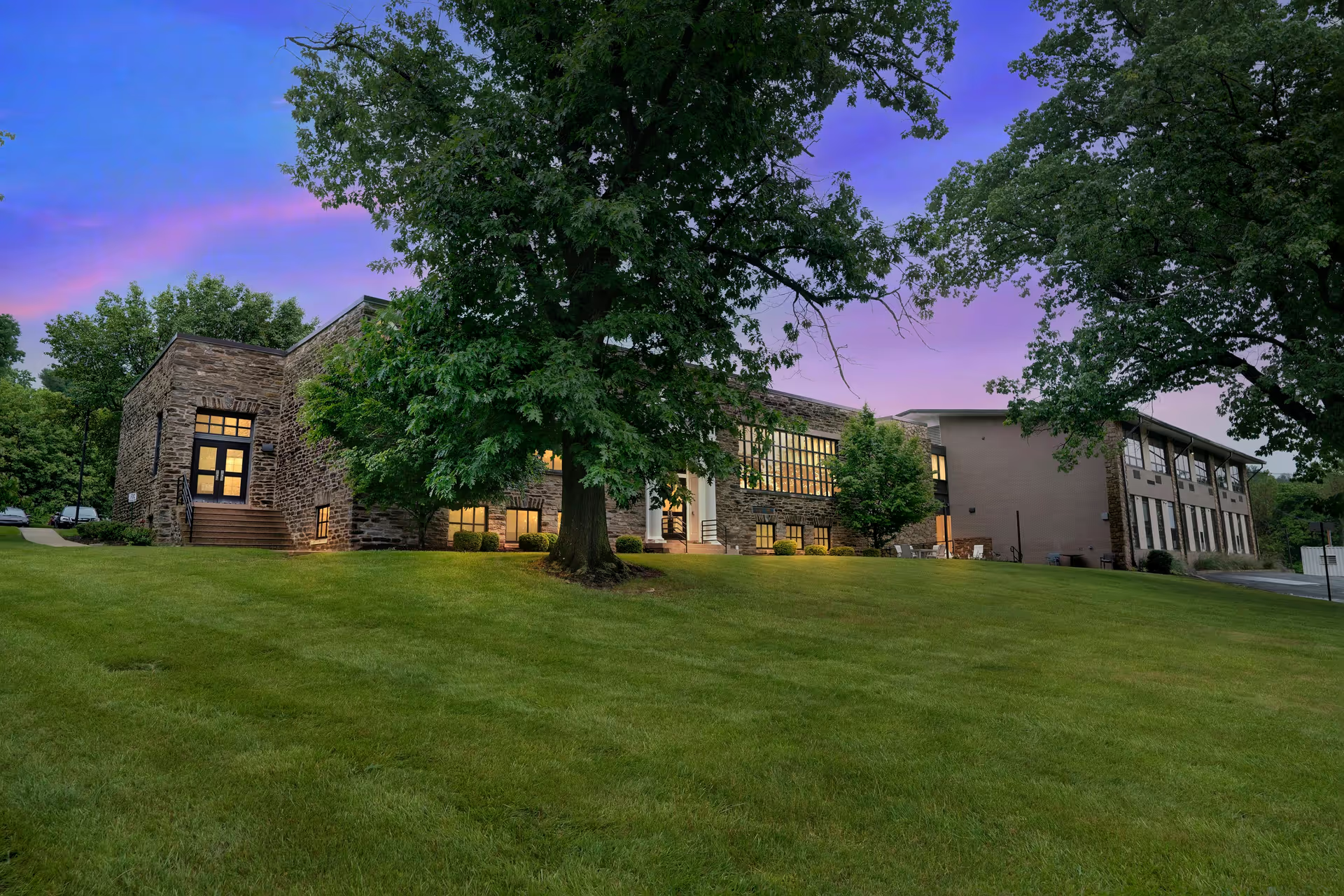
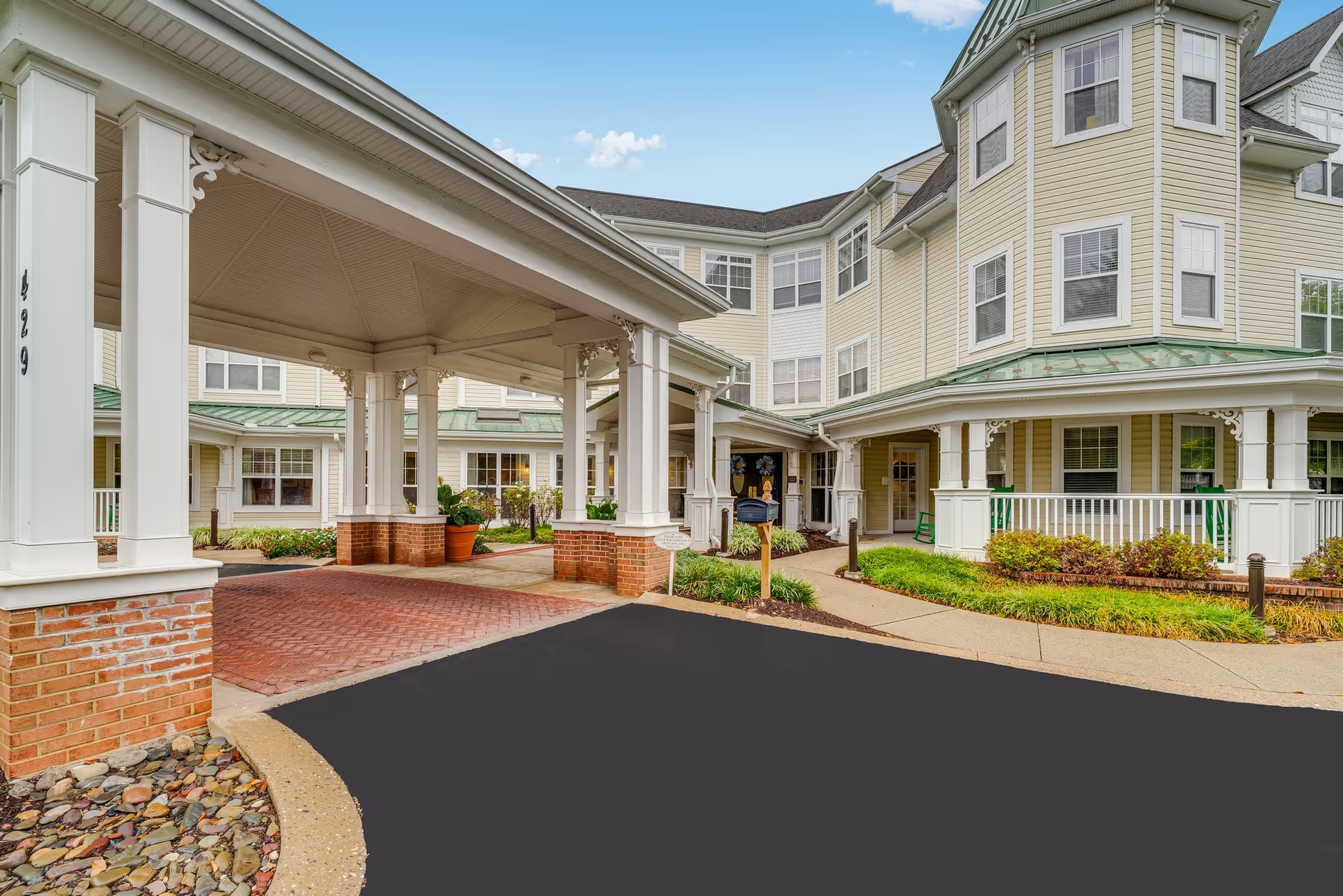
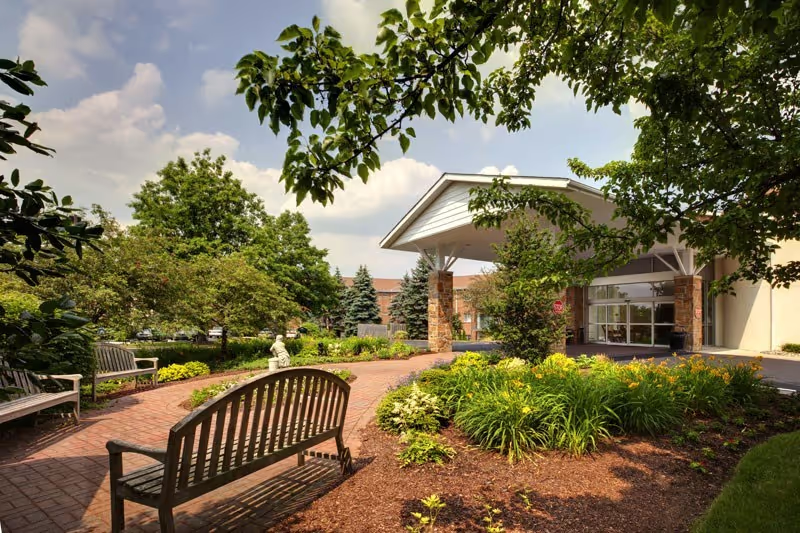
The reviews present a mixed picture. Several positive elements are consistently mentioned: the facility operates as a not-for-profit, on-site rehabilitation services are available, and there are accounts of skilled therapy staff and compassionate nursing/CNA care. Many families noted clean, well-maintained resident rooms and adequate medical supplies; demand for placement is suggested by the existence of a waiting list. However, these strengths sit alongside a number of operational concerns that affect daily care.
Care quality is variable. Positive accounts describe competent clinicians and good therapy outcomes, but other accounts point to uneven clinical practice — notably delays in responding to call bells, gaps in medication administration or documentation, and inconsistent adherence to physician orders and care plans. There are also recurring concerns about incontinence-care delays and shortages of basic hygiene supplies, which affect resident comfort and dignity. Fall-prevention and incident-response processes appear to be inconsistent, and communication to families about incidents and transfers is sometimes delayed or unclear.
Staffing and supervision are prominent themes. While some nurses and CNAs are described as compassionate and competent, overall staffing levels and coverage are described as inconsistent. Observations about staff conduct, distraction by non-clinical devices, and lapses in supervision point to accountability and training gaps. Therapy services are noted as a strength clinically but are described as contracted; reviewers raised concerns about the condition and modernity of therapy equipment and about therapy leadership and resident-centeredness in some cases.
Dining and housekeeping feedback is mixed. There are reports of positive meals and well-stocked supplies but also frequent comments about inconsistent meal quality, small portions at times, and variability in kitchen service. Housekeeping and sanitation controls are an area of concern for some families: while some found rooms and common areas clean, others described sanitation issues, odor concerns in common spaces, and pest-control worries. Property management practices are another recurrent issue, with allegations of missing personal items and restrictive policies on donated or used items.
Management and administrative practices show patterns that prospective families should consider. Communication and coordination between clinical teams and administration are described as inconsistent, with delays in medical-record access and fees for records cited as an inconvenience. Families also described unclear transfer and discharge communication and frustration with administrative responsiveness. On balance, the facility offers rehabilitative and clinical resources and can provide good care in some cases, but the variability in staffing, supervision, housekeeping, and communication suggests careful due diligence: prospective residents and families should arrange in-person visits, ask about staffing ratios and supervision processes, review recent inspection records, and clarify policies on property management, dementia care, and incident reporting before deciding.