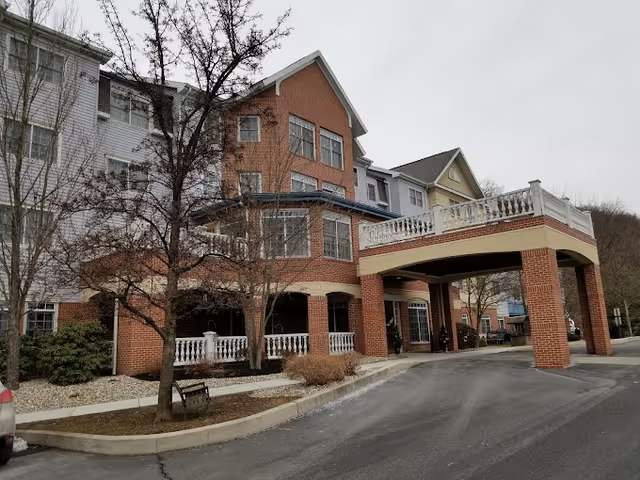
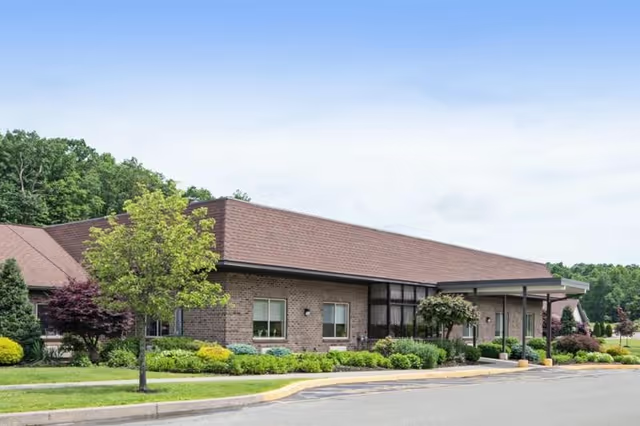
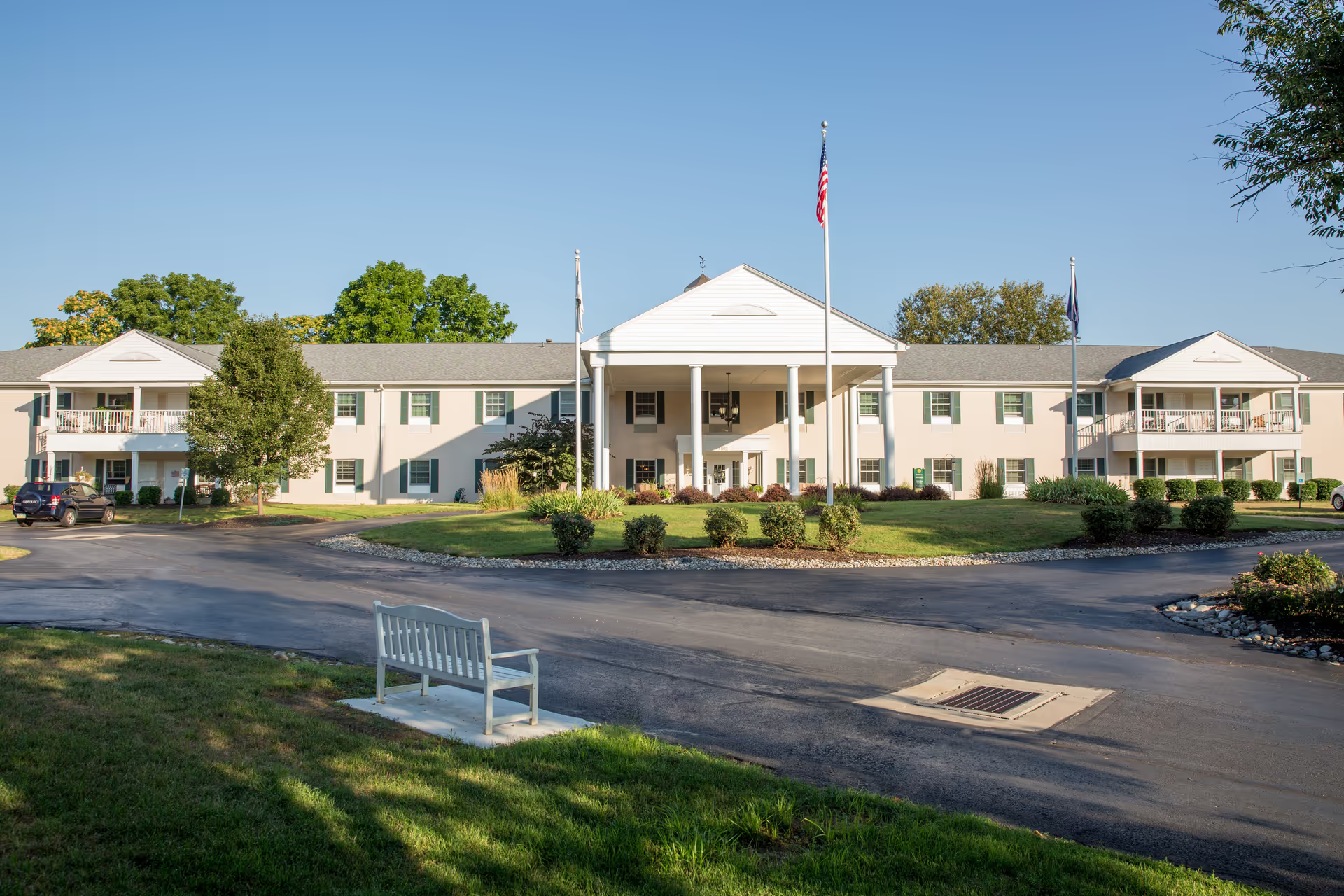
Overall impression: Reviews portray Orwigsburg Nursing and Rehabilitation Center as a facility with a strong clinical and rehabilitative focus supported by a generally compassionate, professional staff. Many accounts highlight successful therapy outcomes, attentive nursing care, and proactive case-management practices that support discharge planning and post-discharge follow-up. The facility’s communal areas are frequently described as clean, bright, and welcoming, and its programming (choir, family-oriented celebrations, and other social activities) contributes to a home-like atmosphere that families often find reassuring.
Care quality and staff: Clinical care and therapy are consistently praised, with multiple mentions of improved mobility, increased independence, and effective treatment plans. Registered nurses and therapy personnel receive particular commendation for clinical competence and follow-through. At the same time, reviews indicate variability among direct-care aides and occasional short staffing, which can affect consistency of day-to-day assistance. There are also references to pay differentials between regular and agency aides, which may contribute to workforce variability. Overall, staff conduct is characterized as caring and professional, but operational staffing patterns can create uneven resident experience during some shifts.
Dining and personal-care responsiveness: Dining emerges as a recurring area of concern. Reported issues include inconsistent portioning, meal temperature control, and limited availability of specialty beverages for residents with dietary needs. Several families described bringing supplemental meals. Related to personal care, reviewers noted delays in responding to call bells and in toileting assistance; these are described as operational responsiveness problems rather than systemic clinical failures, but they affect resident comfort and dignity and merit attention.
Activities and atmosphere: Social programming and the facility’s effort to create a family-like environment are frequently noted as strengths. Choirs, celebratory events, and staff–resident interactions contribute to an inviting, personable atmosphere. Reviewers also appreciated inclusive hiring practices and the evident rapport between staff and residents during visits.
Facilities and management: The facility’s common areas and certain units are described as clean and orderly, but some reviewers observed dated rooms or decor in parts of the building. Administrative processes—especially admissions paperwork, business-office interactions, and Medicaid coordination—are called out as uneven; instances of difficult or prolonged paperwork interactions suggest a need for clearer upfront communication and more reliable handling of financial and insurance-related tasks. A few accounts also point to gaps in how the facility communicates with families after significant clinical incidents, indicating an opportunity to strengthen incident-response protocols and family outreach.
Recommendation and considerations: Many reviewers would recommend the facility, particularly for short-term rehab and for residents who benefit from attentive nursing and effective therapy. Prospective residents and families should weigh the facility’s strong clinical and social strengths against operational limitations: check the timing and responsiveness of direct-care coverage on the shifts that matter to you, ask about meal options and specialty dietary provisions, and clarify administrative workflows for Medicaid and billing during admission. Addressing these specific operational items with facility leadership before placement can help align expectations with the facility’s demonstrated clinical capabilities.