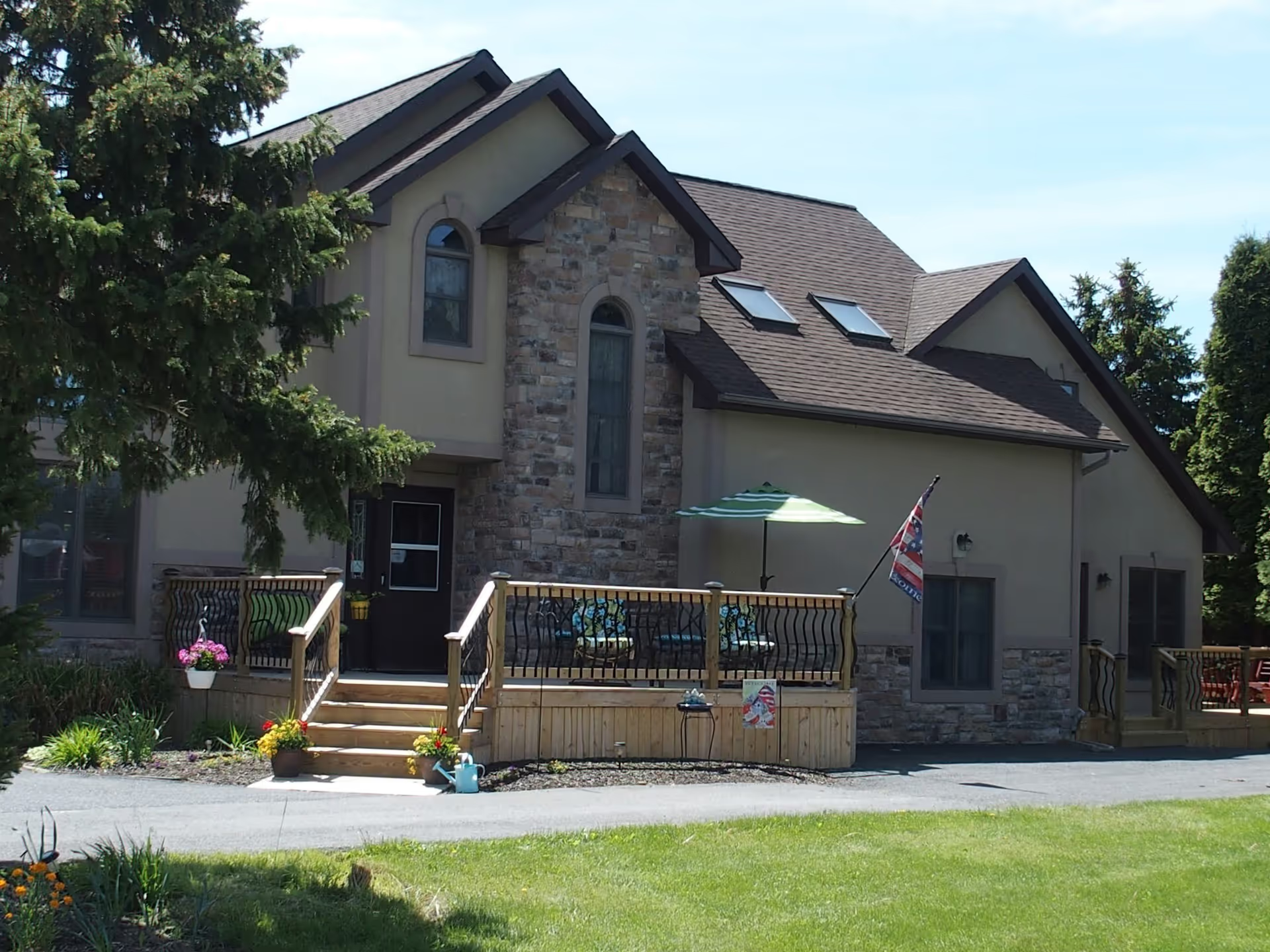
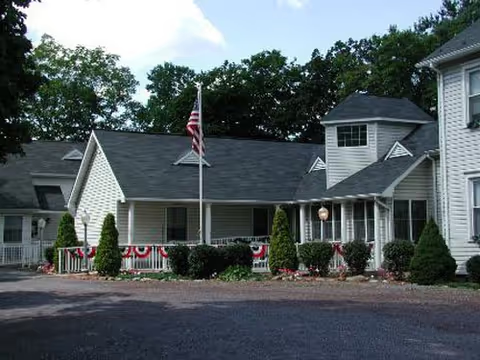
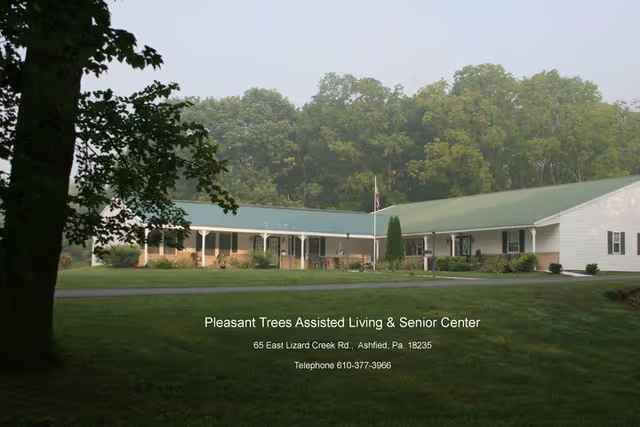
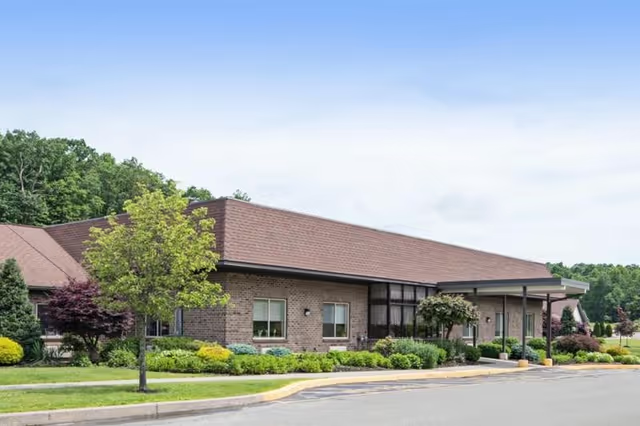
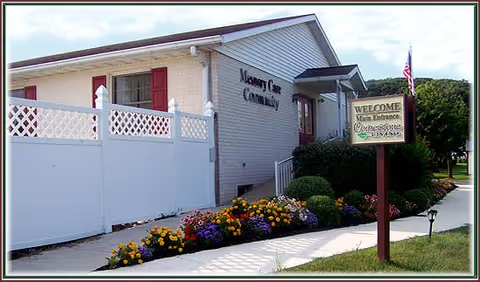
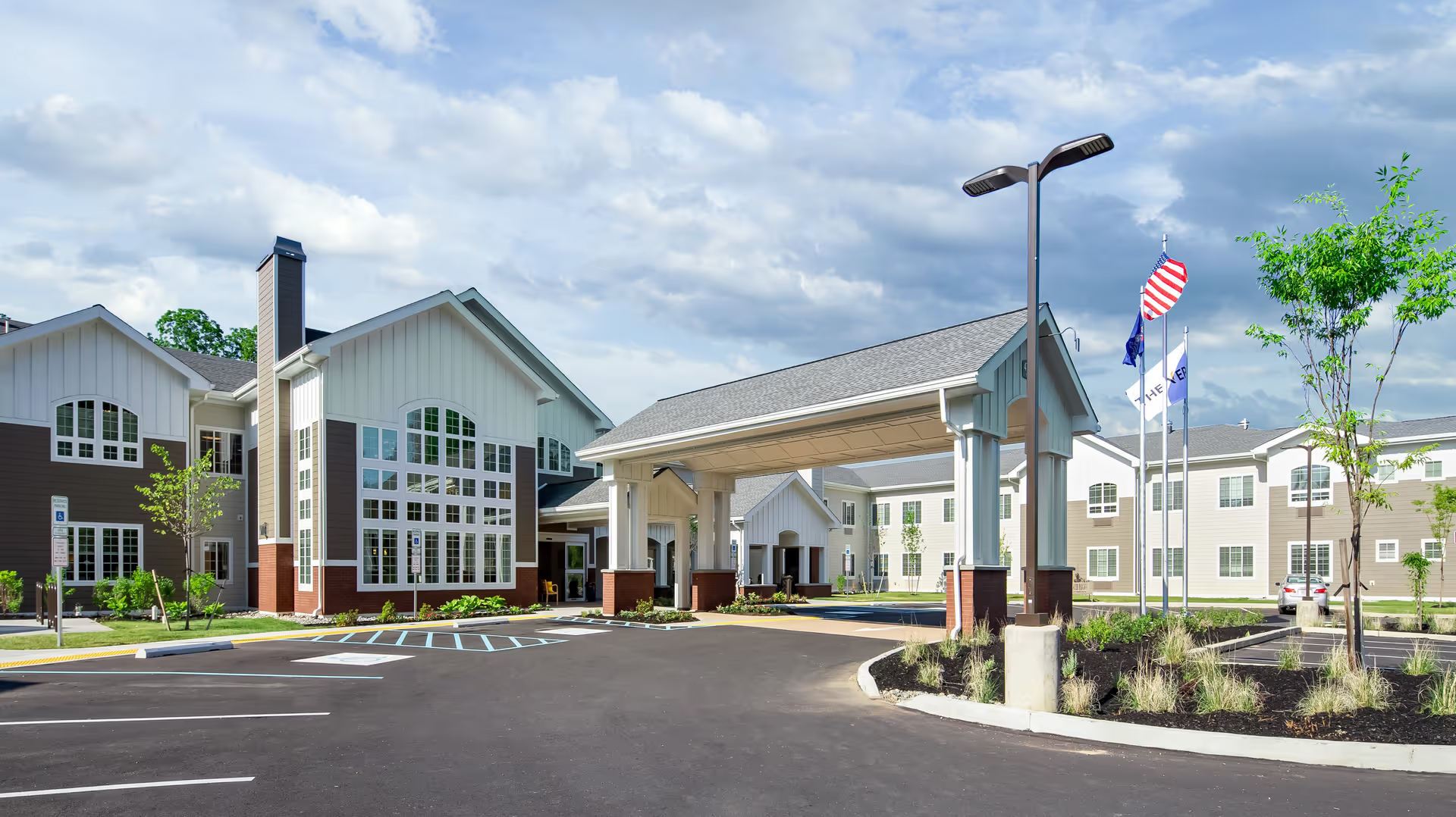
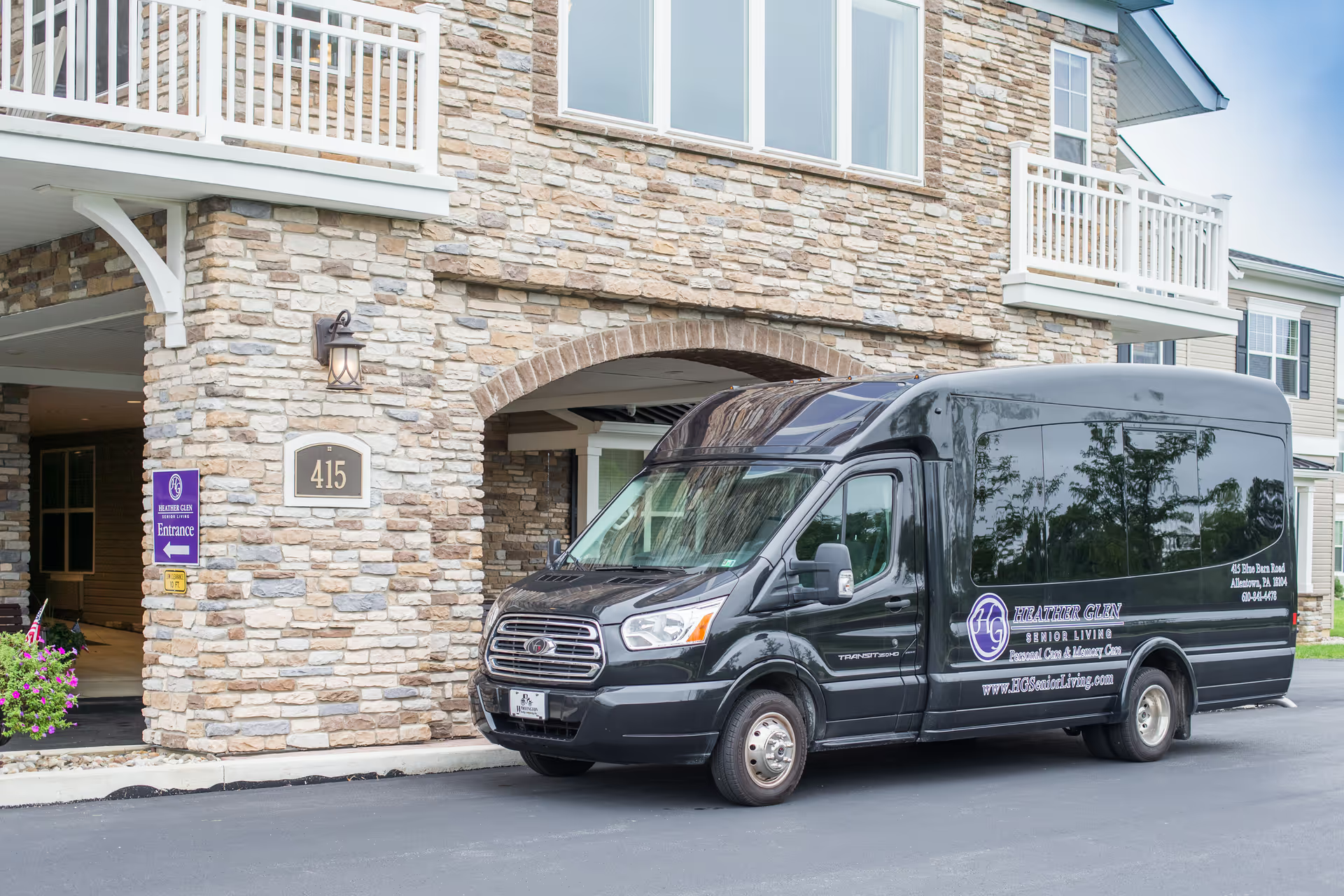
Overall impression: The Palmerton presents as a smaller, home-like assisted living community with several operational strengths and recurring operational concerns. Strengths include an engaged caregiving team, on-site therapy resources, and a variety of activities that families frequently describe as meaningful for residents. The property’s grounds, scenic views, and some well-maintained interior areas contribute positively to resident quality of life.
Care and staff: Many families praised the day-to-day caregiving staff as warm, attentive, and familiar with residents’ names and preferences, and reviewers frequently noted that therapists and nurses were accessible. This gives the facility an apparent capacity for personalized care and rehabilitation-focused outcomes. However, there are consistent notes of staffing instability: high turnover and uneven staff experience contribute to variability in care quality. Several accounts indicate gaps in clinical oversight, fall-prevention practices, and follow-up after incidents; these pattern-level concerns suggest the need for clearer clinical protocols and stronger supervision.
Dining and nutrition: The Palmerton offers dietitian oversight and some flexible meal choices, which reviewers value. At the same time, food quality is a recurrent concern: reviewers characterize the dining as inconsistent, with limited fresh/home-cooked options and occasional shortfalls in menu quality and variety. Kitchen-staff-resident interactions were described as mixed, indicating variability in dining experience that prospective families should explore during a visit.
Activities and memory care: Activity programming is a clear strength for many residents — offerings include outings, church services, crafts, music, and therapy-led group activities. These programs appear to support resident engagement and socialization. The community maintains a dedicated memory-care unit and secure outdoor access, but the unit’s small size and limited dedicated activity/dining space are recurring limitations. Reviewers indicate that activity intensity and appropriateness for higher-dependency residents can vary, suggesting the need to assess daily schedules and staffing for memory-care residents specifically.
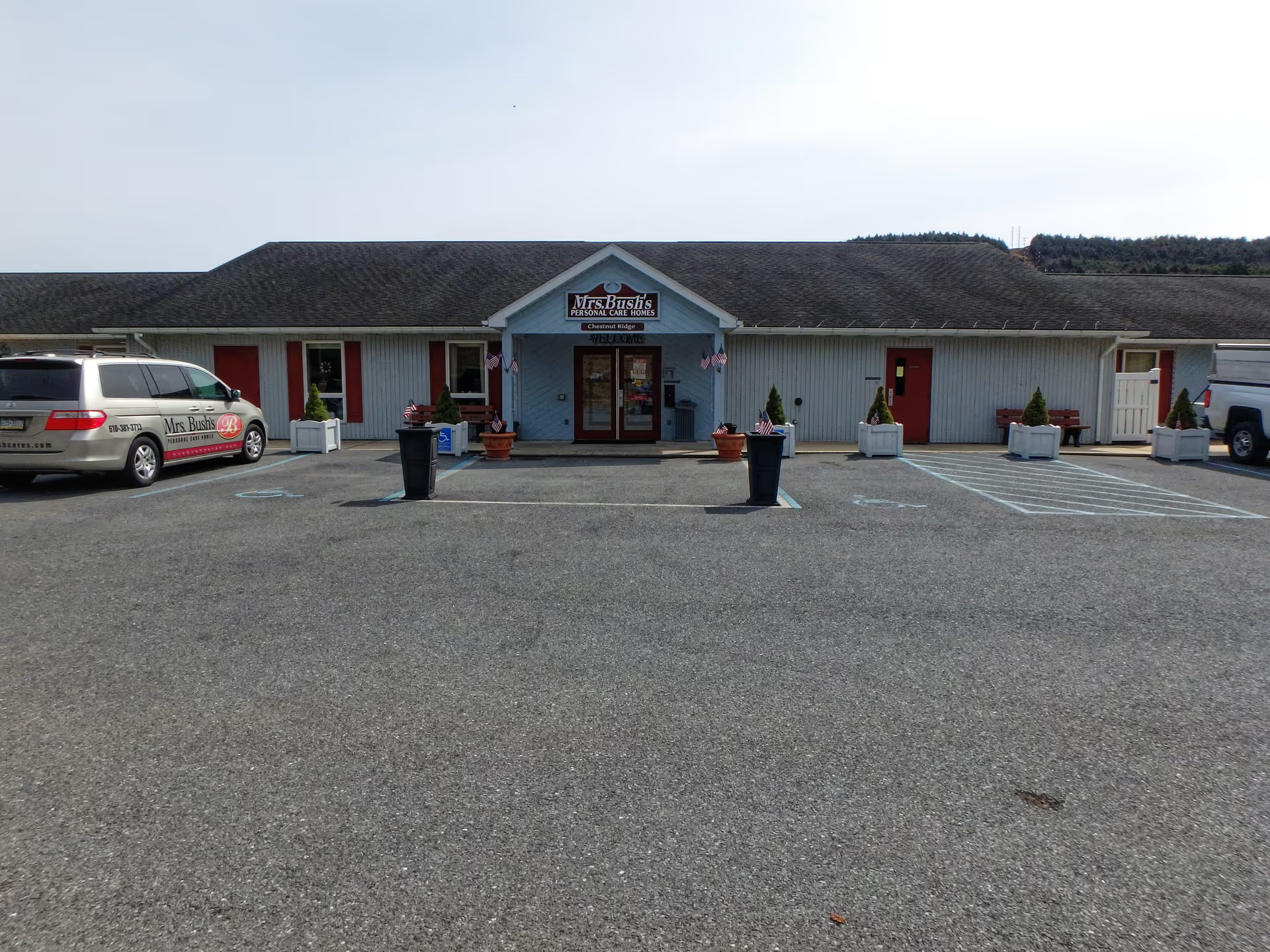
Facilities and maintenance: The physical plant has positives — clean interiors, varied room sizes, accessible bathrooms, and amenities like a salon. At the same time, there are recurring observations of deferred maintenance (carpets, exterior paint, parking/paving, and occasional boiler/hot-water issues). These maintenance items may affect comfort and should be confirmed during a tour.
Management, admissions, and administration: Feedback about administration is mixed. Many families praised specific leaders and frontline staff for integrity and responsiveness; other accounts describe inconsistent communication, slow response to family inquiries, front-office unprofessionalism, and pressure to expedite admissions or deposits. Billing and contract clarity emerged as a significant operational concern, including instances of confusing charges and billing errors. There are also isolated, serious allegations concerning incident response and financial practices; prospective families may wish to request documentation on billing policies, incident reporting procedures, and staffing turnover rates.
Patterns and recommendation: The Palmerton demonstrates substantive strengths in personalized caregiving, on-site therapy, and resident engagement in a smaller community setting. However, pattern-level weaknesses — especially in food quality, staffing stability, clinical oversight, maintenance, and administrative transparency — mean that experiences can vary. Families considering The Palmerton should (1) tour the memory-care unit and communal dining areas during mealtime, (2) ask for current staffing ratios, turnover statistics, and clinical protocols for falls and medication management, (3) review contracts and recent billing examples, and (4) request references from current families. These steps will help determine whether the facility’s operational practices align with a particular resident’s clinical and social needs.