Sanatoga Court is presented in reviews as a community with generally strong clinical resources and a warm, family-oriented culture. Families commonly praise the compassion and professionalism of nursing, administrative, and therapy staff, and many point to 24/7 nursing coverage, consistent care-team assignments, and an on-site skilled nursing/rehabilitation program as major strengths. The community receives frequent positive comment for effective infection-control practices during the COVID-19 era, including vaccination clinics and policies that prioritized resident safety.
Care and staff: Reviewers emphasize attentive, caring staff across disciplines (nursing, aides, admissions, dietary, housekeeping, and therapy). Multiple comments highlight individualized attention — described as one-on-one care and staff going "above and beyond" — and name particular staff members and admissions leadership for their responsiveness. Therapy services (PT/OT) and short-stay rehabilitation are noted as effective, with measurable progress reported by families. At the same time, a recurring operational concern is inconsistent availability of nursing aides; reviewers describe times when aide staffing is thin or aides are distracted, which can affect timeliness of basic assistance.
Dining and nutrition: The food program draws mixed feedback. Many families find meals adequate and sometimes good, especially under constrained pandemic operations, and praise the facility’s ability to provide meals in rooms when required for infection control. However, there are consistent comments about uneven meal quality and service timing — including cold or undercooked plates and delays — and occasional kitchen shortages. These patterns suggest variability in day-to-day meal-service reliability rather than a uniformly poor dining program.
Activities and therapies: Activity programming is frequently commended; reviewers mention arts and crafts, bingo, library access, and opportunities for safe socialization, including organized outings supported by a shuttle. The community’s smaller size is seen as a benefit by many, fostering social connection and a sense of belonging. Therapy services and rehab programming are identified as strengths for residents needing restorative care.
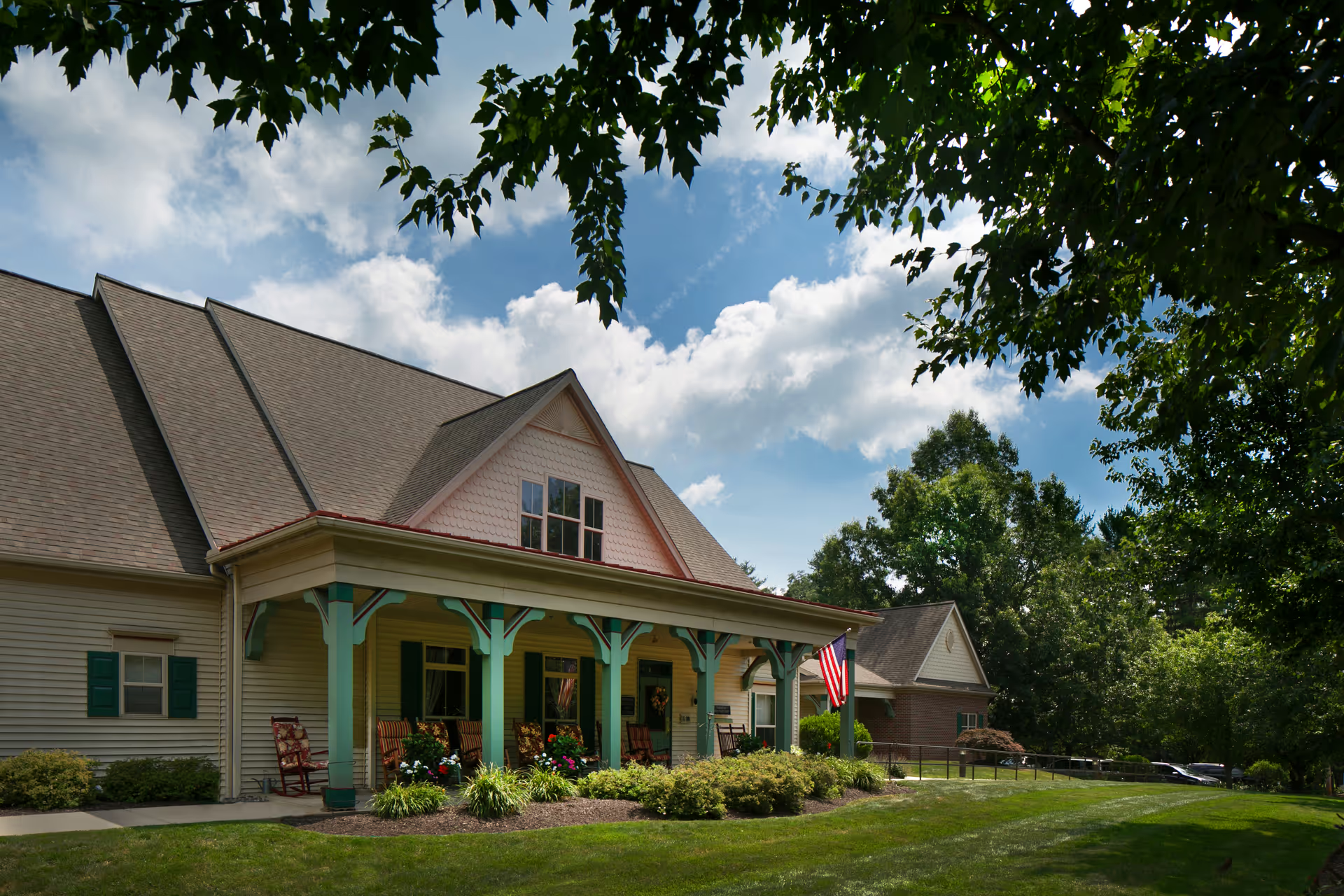
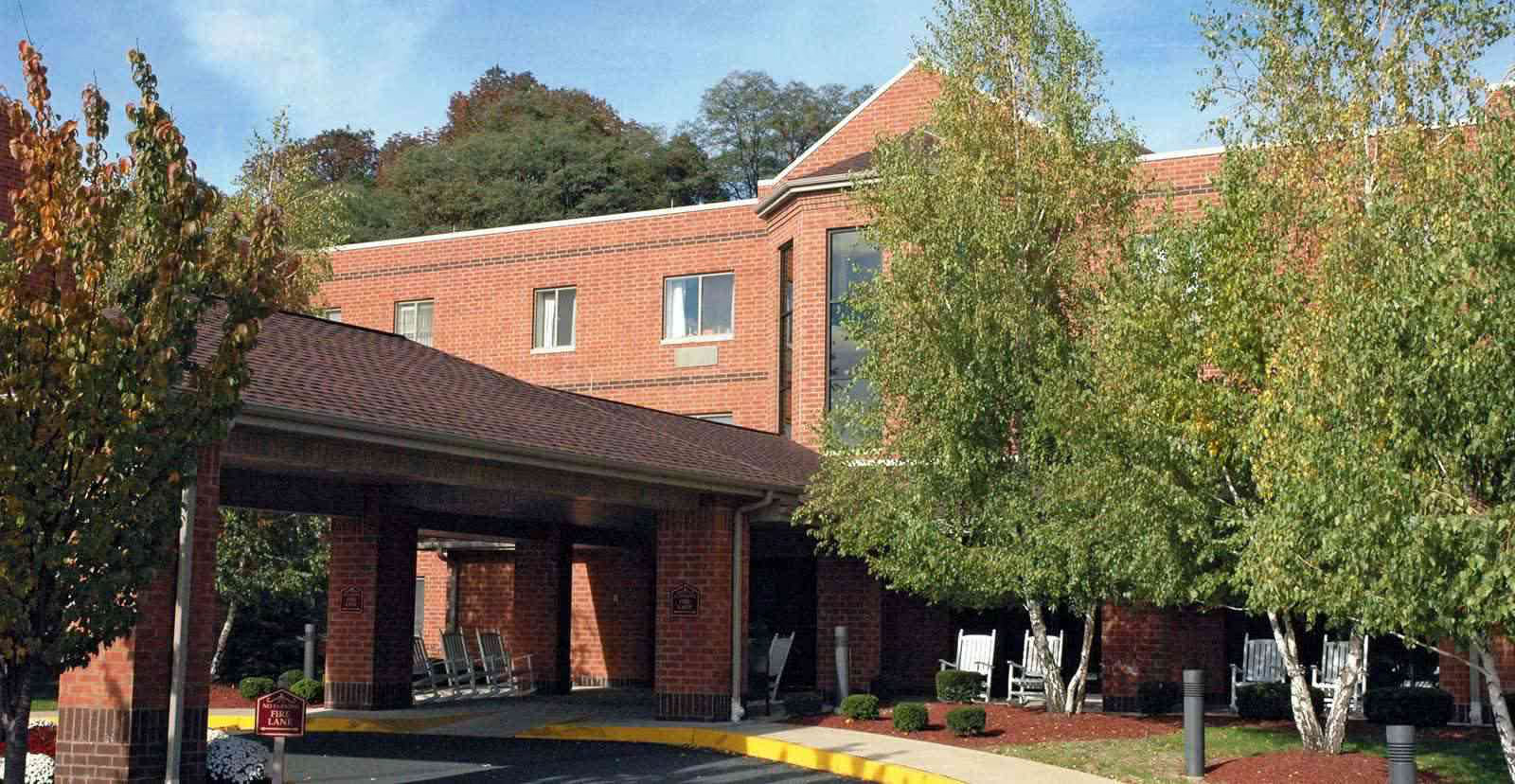
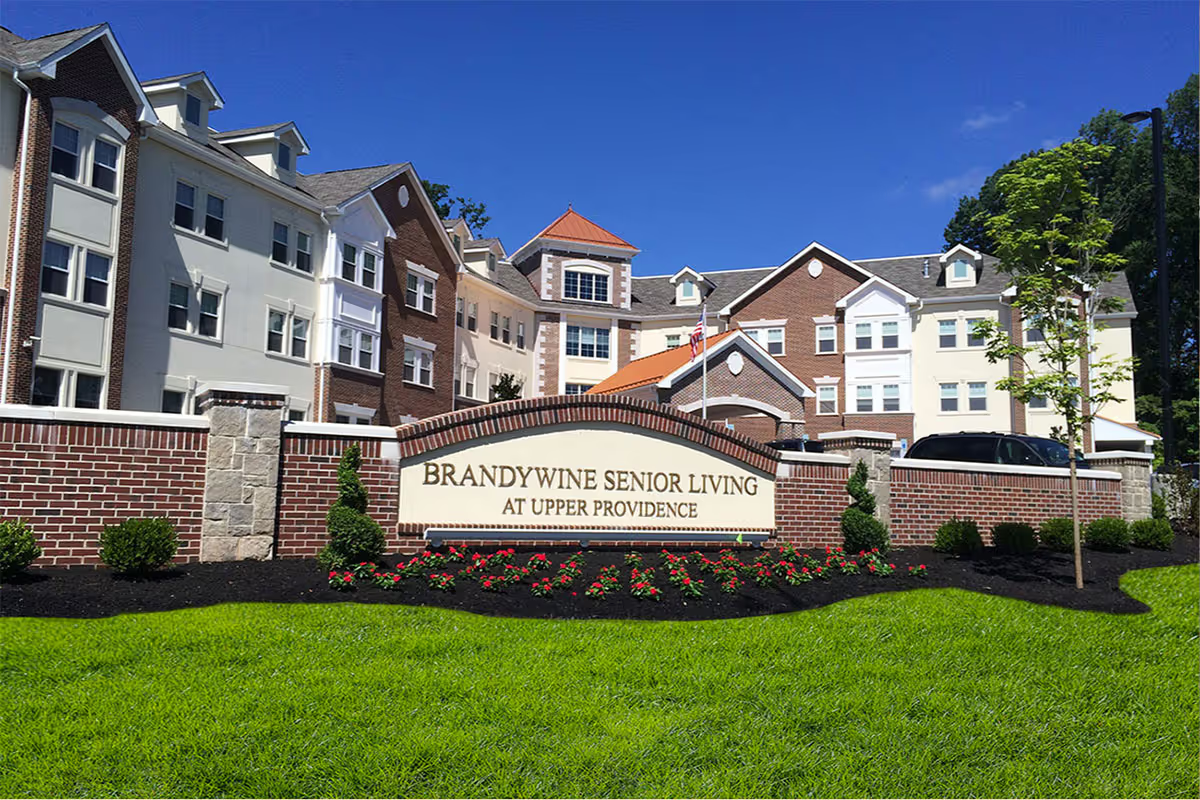
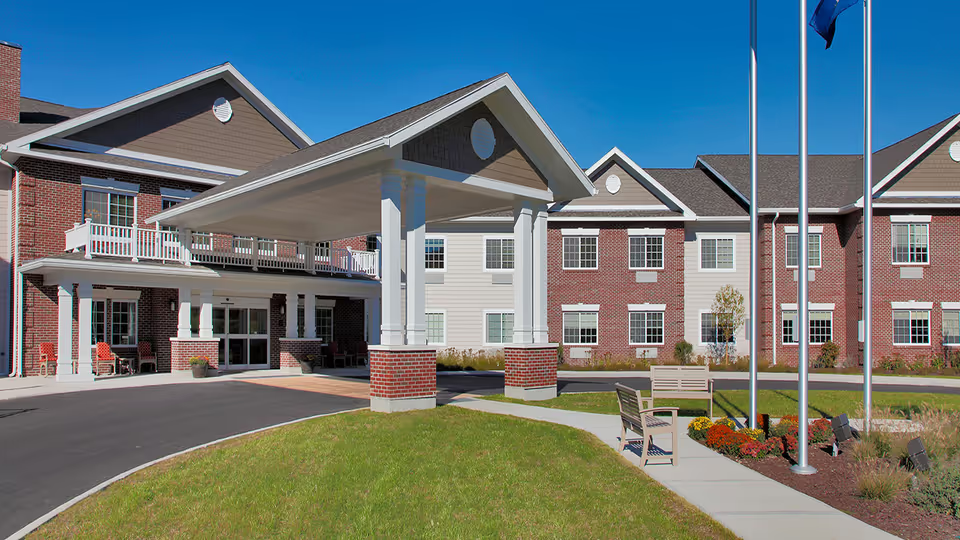
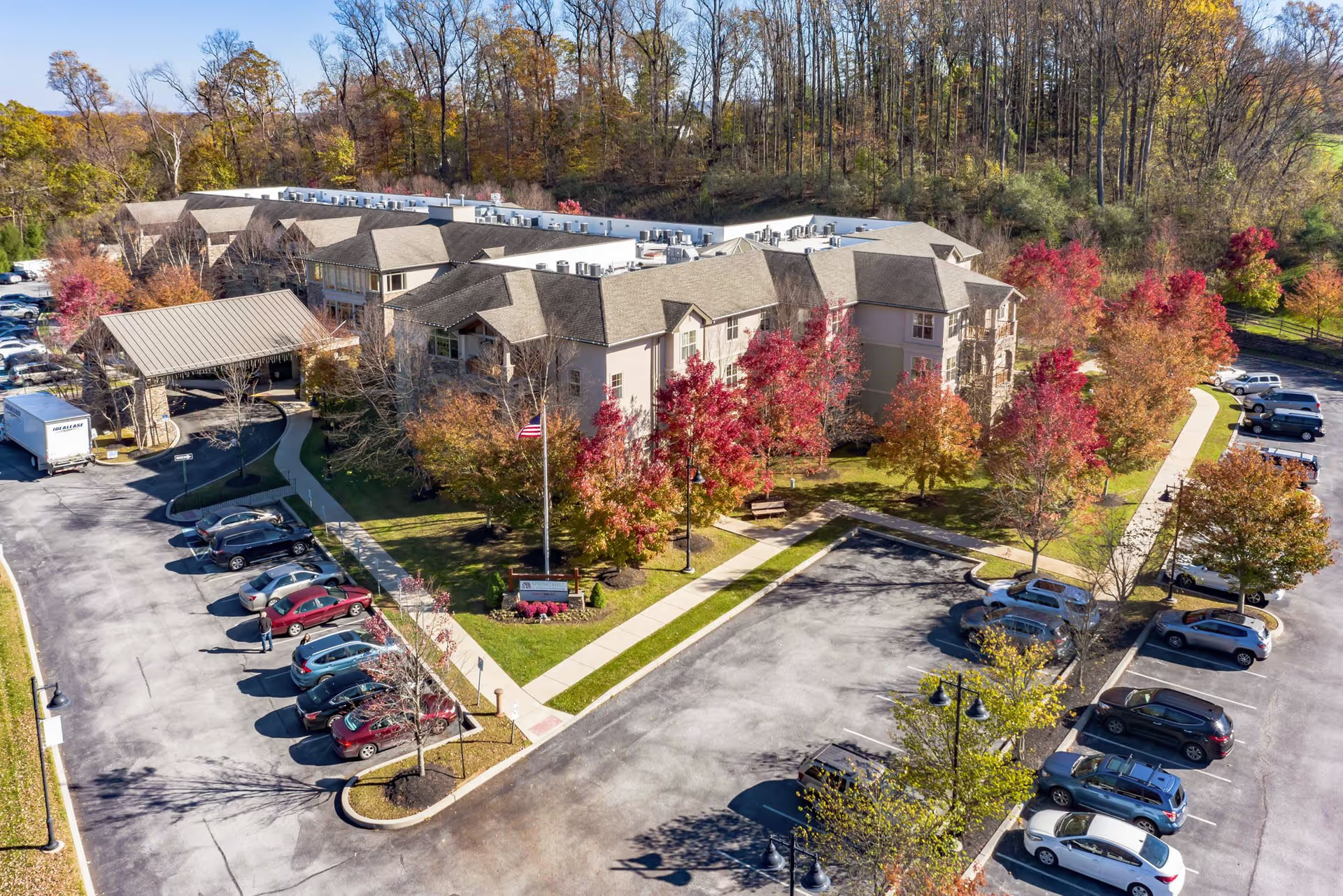
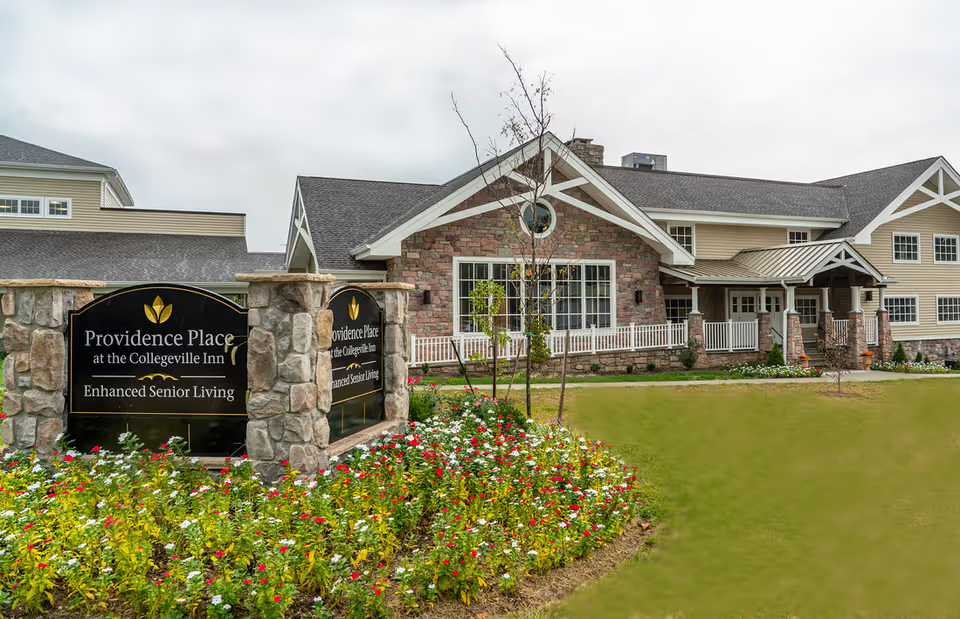
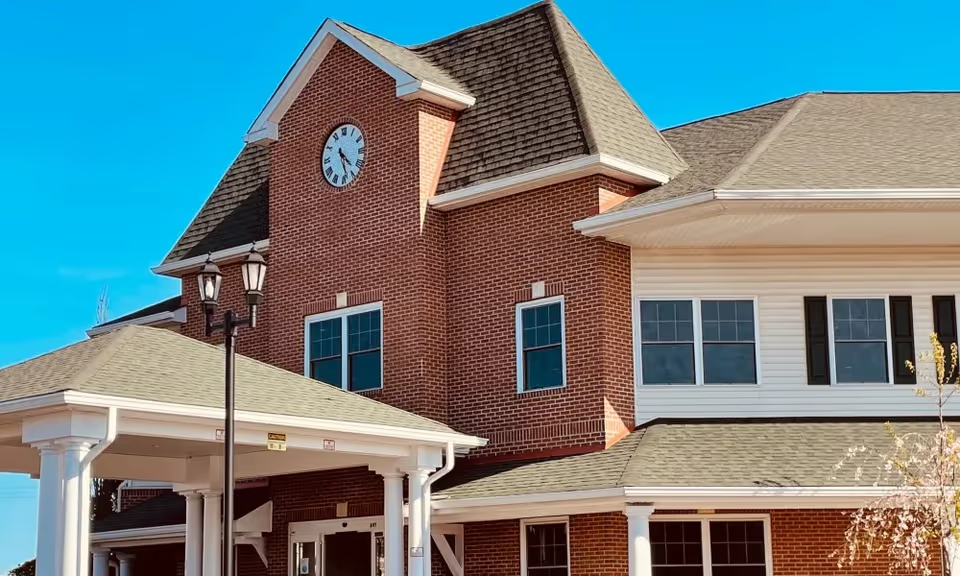
Facilities and management: The physical plant and common spaces receive positive comments for cleanliness, maintenance, and a welcoming atmosphere. Rooms are described as customizable to create a home-like environment. Admissions and management staff are often described as helpful and communicative during move-in, with several families specifically praising the admissions director. Nevertheless, some reviews cite variability in room/bathroom cleanliness and note that certain personal-care supplies and amenities (phone/TV) may be subject to additional fees or require families to provide items, which can affect perceived value.
Notable patterns and areas for improvement: Overall sentiment leans positive, with many families recommending the community for both short-term rehab and longer-term stays. Patterns that prospective residents and families should weigh include variable aide staffing levels, inconsistent meal quality and timing, occasional cleanliness lapses in private rooms, and communication gaps related to clinical changes and family notification. Additionally, memory-care capacity can be limited at times. These issues coexist with clear strengths in clinical coverage, infection control, rehabilitation, and a supportive community culture; families’ experiences often depend on which operational aspects are most important to them.