Overall assessment The collective summaries convey significant family concern about safety, clinical care, and operational reliability at the facility. Many reviewers emphasized dissatisfaction with basic care processes and with how management and staff communicate with families. Several families indicated they were planning to move loved ones because of these concerns.
Care quality and clinical issues Reviewers described multiple incidents that point to weaknesses in clinical oversight and follow-up. Common themes include delays in attending to medical needs, infections that required hospitalization, and injuries that reviewers linked to shortcomings in resident handling or monitoring. There are specific concerns about infection-prevention practices and about the facility’s ability to manage post-acute needs and complications. These accounts suggest gaps in timely assessment, documentation, and escalation of clinical issues.
Staff behavior and management Comments describe communication breakdowns between staff and families, inconsistent responsiveness to requests, and instances of disrespectful or deceptive interactions with visitors. Reviewers reported situations that indicate weak transparency around billing or charge practices (for example, emergency-call fees) and difficulties getting clear answers from management. Family trust appears eroded in several accounts, and some reviewers described confrontational exchanges or accusations that complicated family–staff relationships.
Dining, activities, and daily living There are recurring complaints about meal service: food quality and quantity issues, and inadequate accommodation of special diets or individualized meal needs. Some reviewers also raised concerns about the handling and availability of snacks and personal food items. Activity programming is not a prominent theme in the summaries provided; most comments focus on basic care, meals, and safety rather than engagement or therapeutic programming.
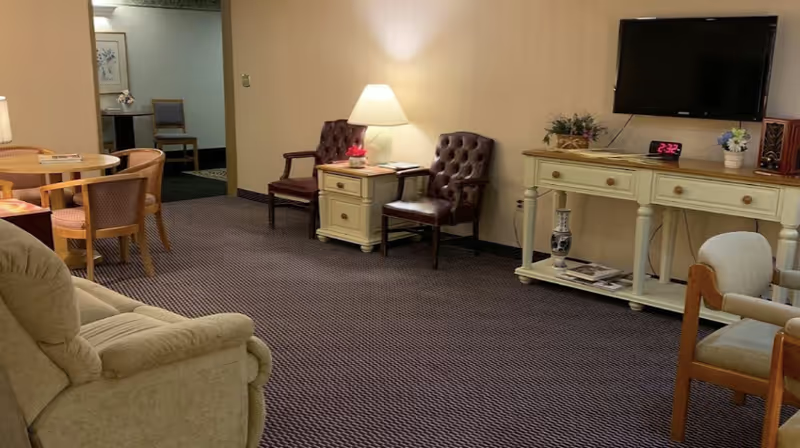
Facilities, safety, and environment Physical-space constraints are a frequent concern: reviewers noted crowded rooms and capacity-related challenges that may affect privacy and mobility. Families also raised sanitation and safety issues and expressed worries about equipment management—most notably the availability and supervision of oxygen and other medical supplies. Several accounts cited events that suggest gaps in fall- and injury-prevention processes and in coordination of transfers to higher levels of care.
Notable patterns and considerations for families The pattern across summaries emphasizes operational and communication weaknesses more than isolated administrative problems. Key areas to probe further if considering this facility include clinical staffing levels and supervision, protocols for medical-equipment management (oxygen and emergent supplies), infection-control procedures, meal accommodation policies, property-security and billing practices, and how the facility documents and communicates incidents to families. Given the expressed family concern and decisions to relocate, prospective families should request up-to-date incident logs, staffing ratios, clinical oversight arrangements, and examples of corrective actions the facility has taken in response to past complaints.