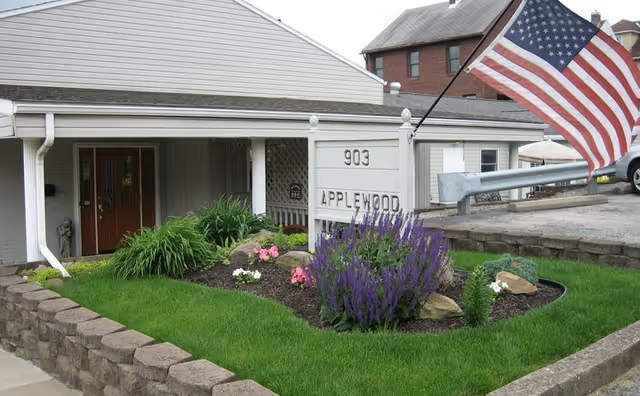
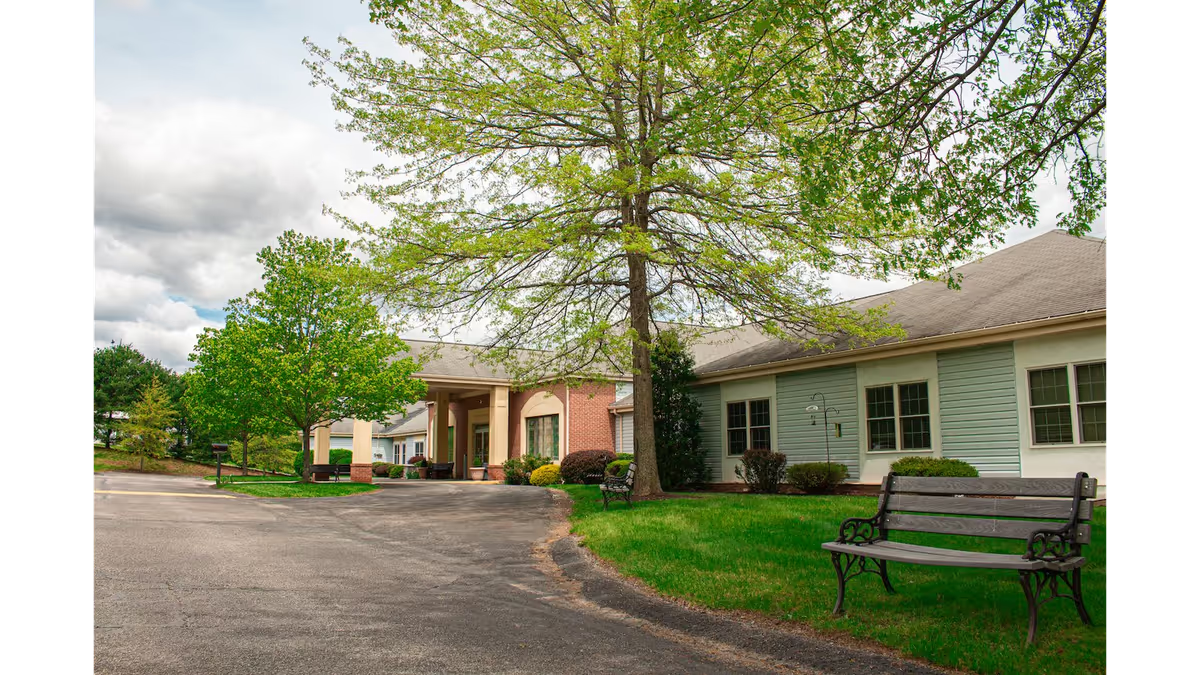
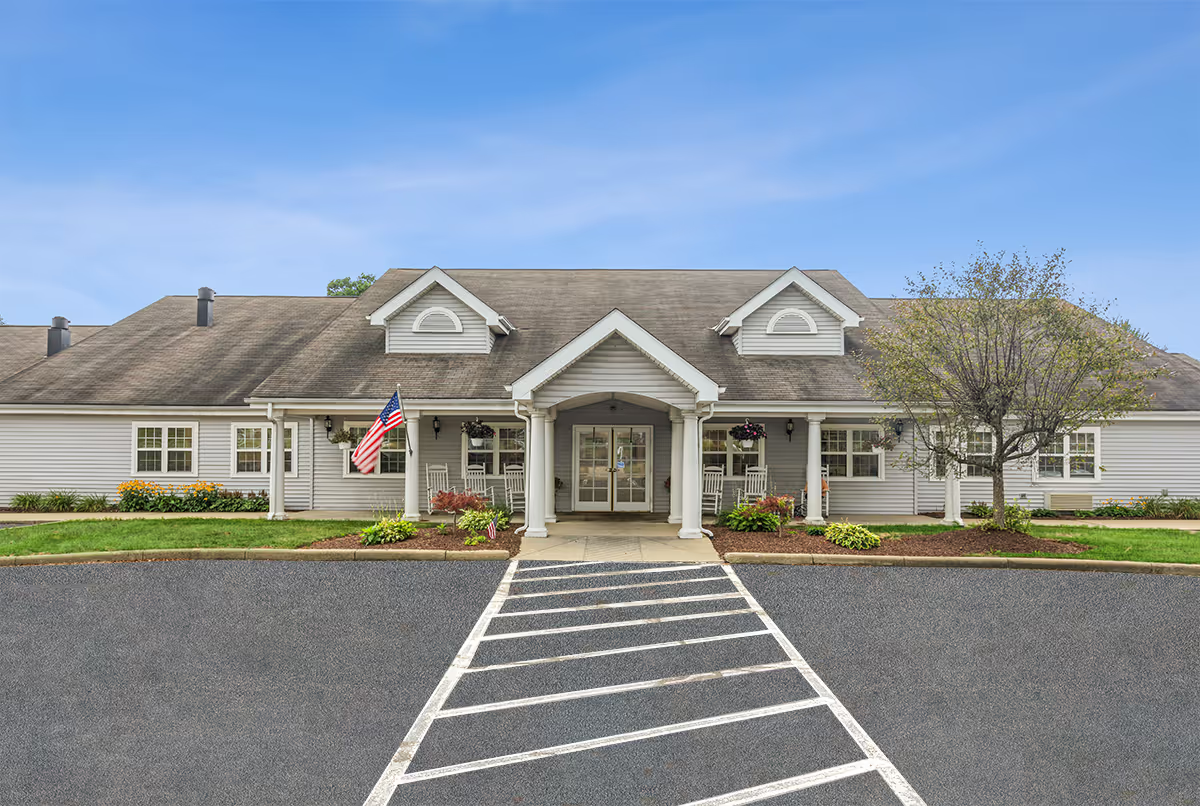
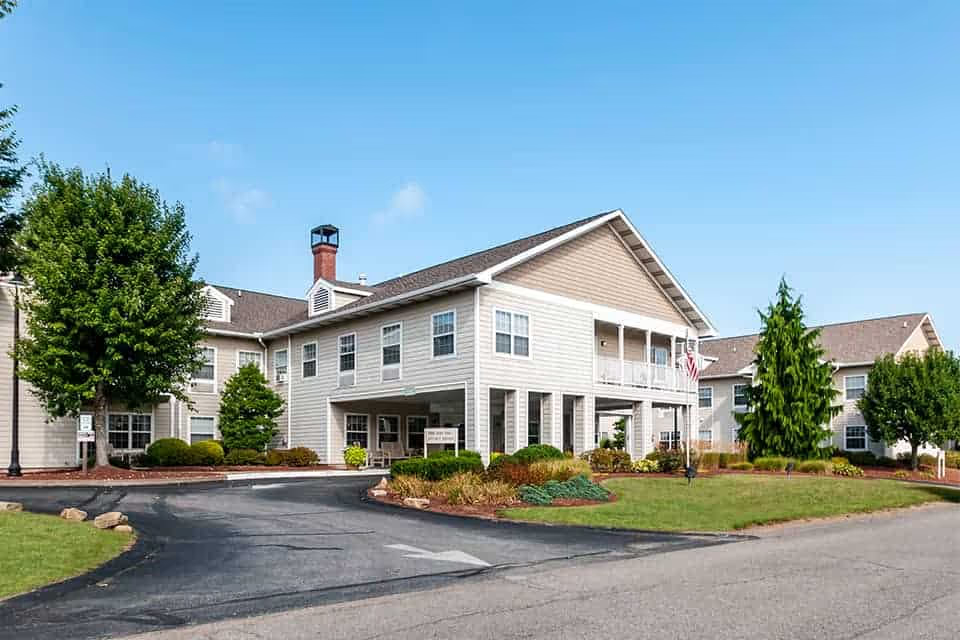
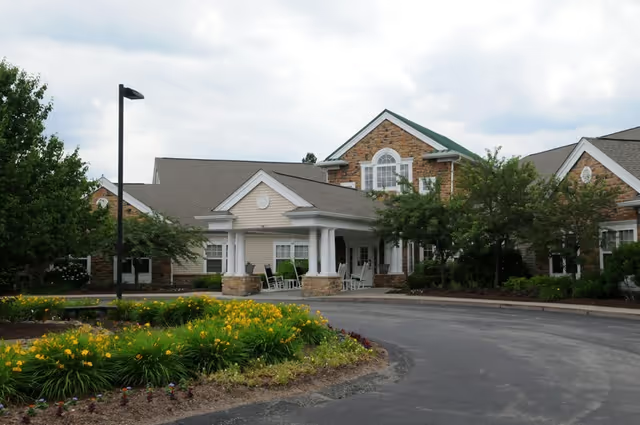
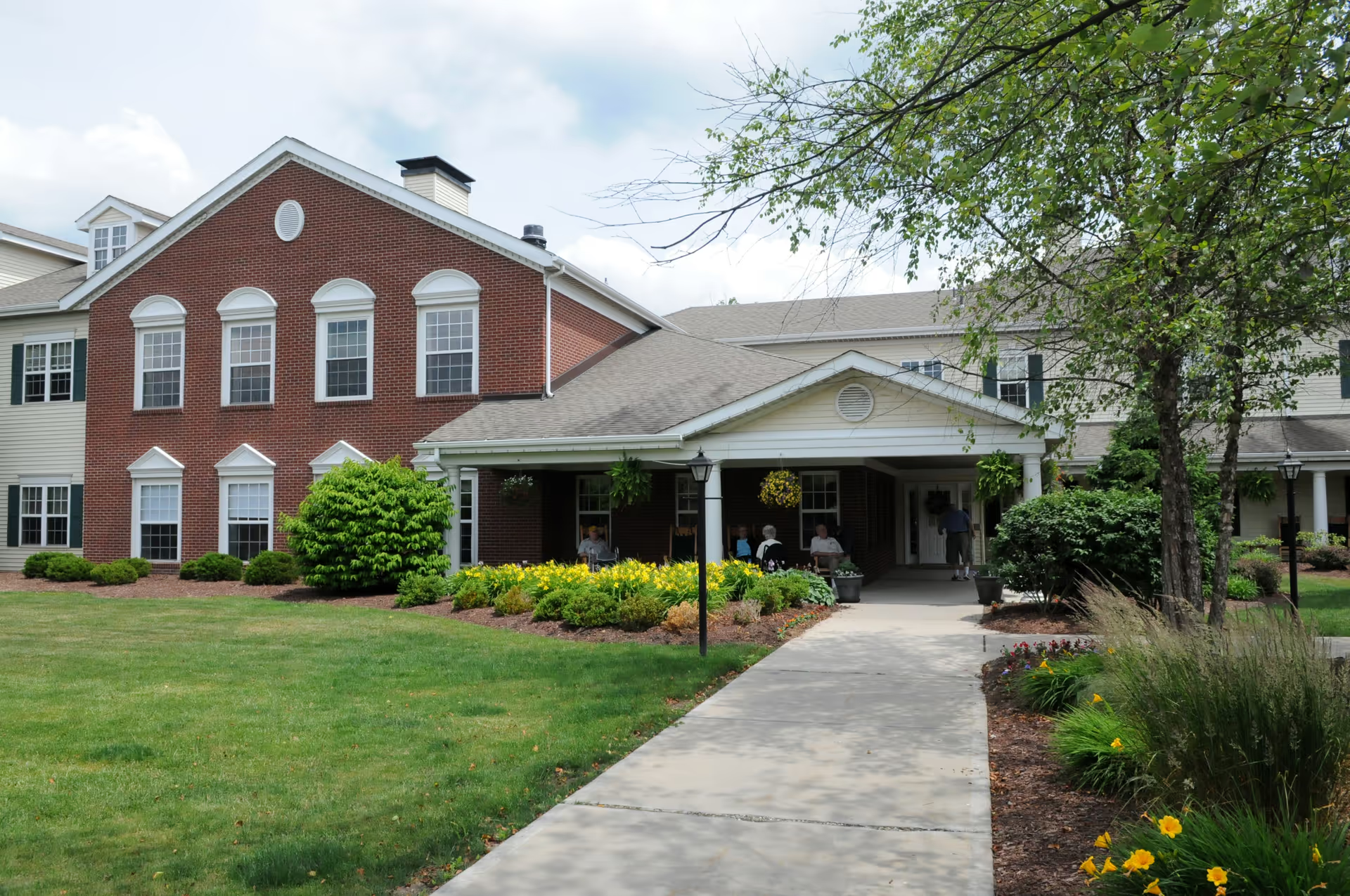
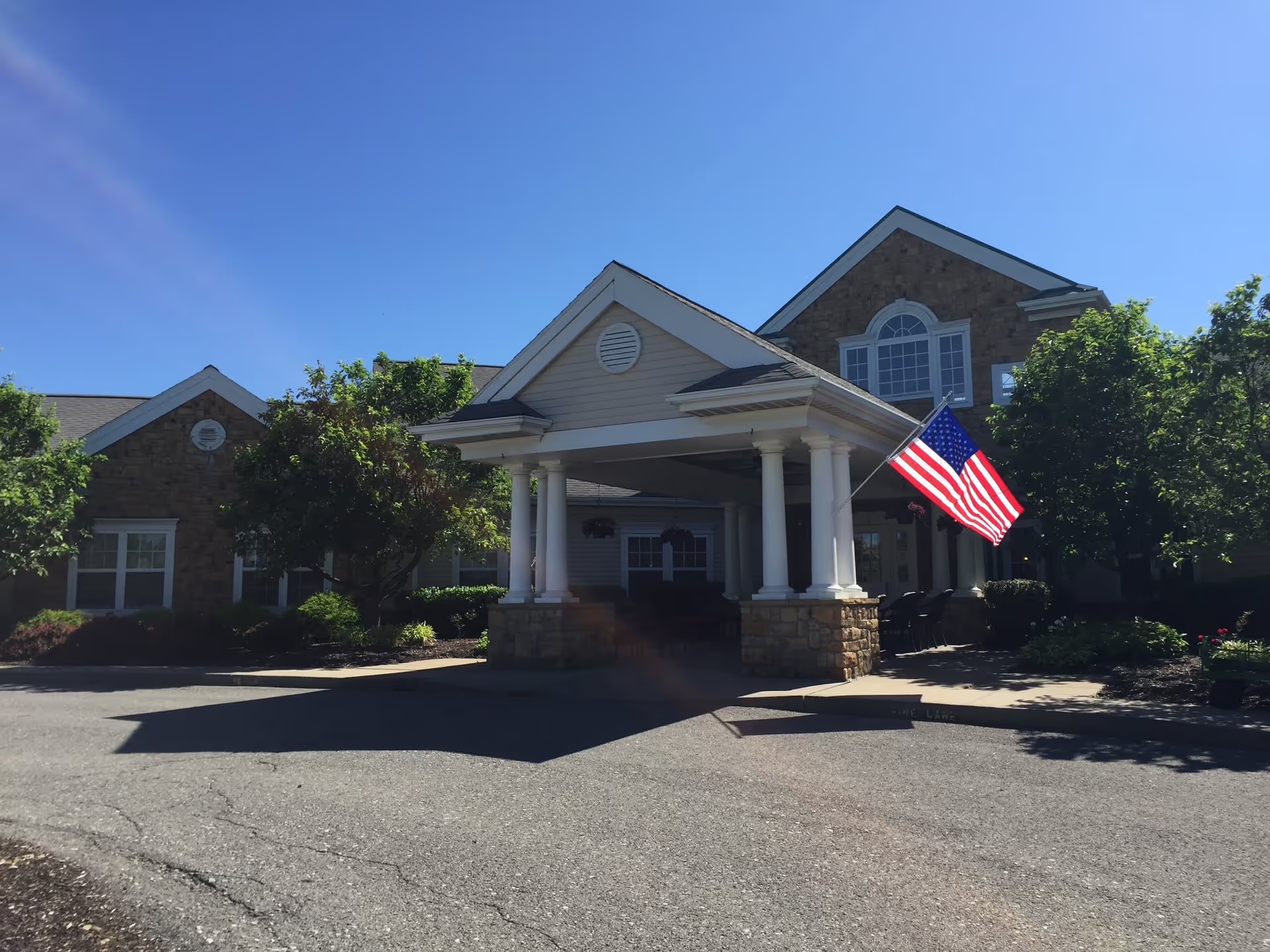
The Seasons of Saxonburg elicits a largely favorable impression for routine long-term and memory-care placement, with many families praising the caregiving team, facility upkeep, and social programming. Positive comments emphasize compassionate, attentive staff who create a family-like atmosphere; accessible administration; well-kept rooms and common areas; private rooms and bathrooms in many units; and a range of amenities (beauty salon, courtyard, porch dining). The community offers organized activities, communal meals, walking and exercise opportunities, and memory-care accommodations that some families find reassuring.
Clinical and hands-on care is often described as thoughtful: reviewers cite strong hospice coordination, rapid clinical response during acute events (including during COVID), and dedicated nurses and aides who are attentive and communicative. Maintenance responsiveness and ongoing renovations contribute to a generally bright, clean, and home-like environment. Several reviewers also highlighted strengths in family communication, proactive updates, and visible teamwork among frontline staff.
However, there are recurring operational concerns that prospective families should evaluate further. Some reviewers described variability in management professionalism and tone, including instances where families felt communication was dismissive or confrontational. Relatedly, there are patterns suggesting inconsistent medication-administration oversight and variable staffing levels that can affect responsiveness to call bells and timeliness of assistance. Reports of falls and other safety-related incidents point to gaps in fall-prevention and transfer-safety practices that prospective families may wish to probe.
Additional practical considerations surfaced in reviews. Dining and food quality received mixed comments: many praised the meals and social dining, while others noted inconsistencies in meal temperature and occasional dissatisfaction. Cleanliness and odor were generally described as strengths, but a subset of reviews raised sanitation or odor variability in certain areas. Safety-policy enforcement (for example, smoking/vaping and personal-heating devices) was also described as uneven in some accounts. Finally, some families described adversarial billing or complaint-resolution experiences, and a few raised serious concerns following specific adverse events; these accounts suggest asking direct questions about billing transparency, grievance processes, and incident reporting during a tour.
Recommendation: The facility appears to offer strong interpersonal care, active programming, and a well-maintained living environment for many residents. Before deciding, visitors should schedule an in-person tour, meet nursing leadership, and ask specific operational questions: current staffing ratios, medication-administration and documentation processes, fall-prevention protocols, safety-policy enforcement, sample menus and food-temperature procedures, hospice and hospital-transfer coordination, and written billing/complaint-resolution policies. These targeted inquiries will help confirm whether the facility’s strengths align with a prospective resident’s needs and whether the operational concerns have been adequately addressed.