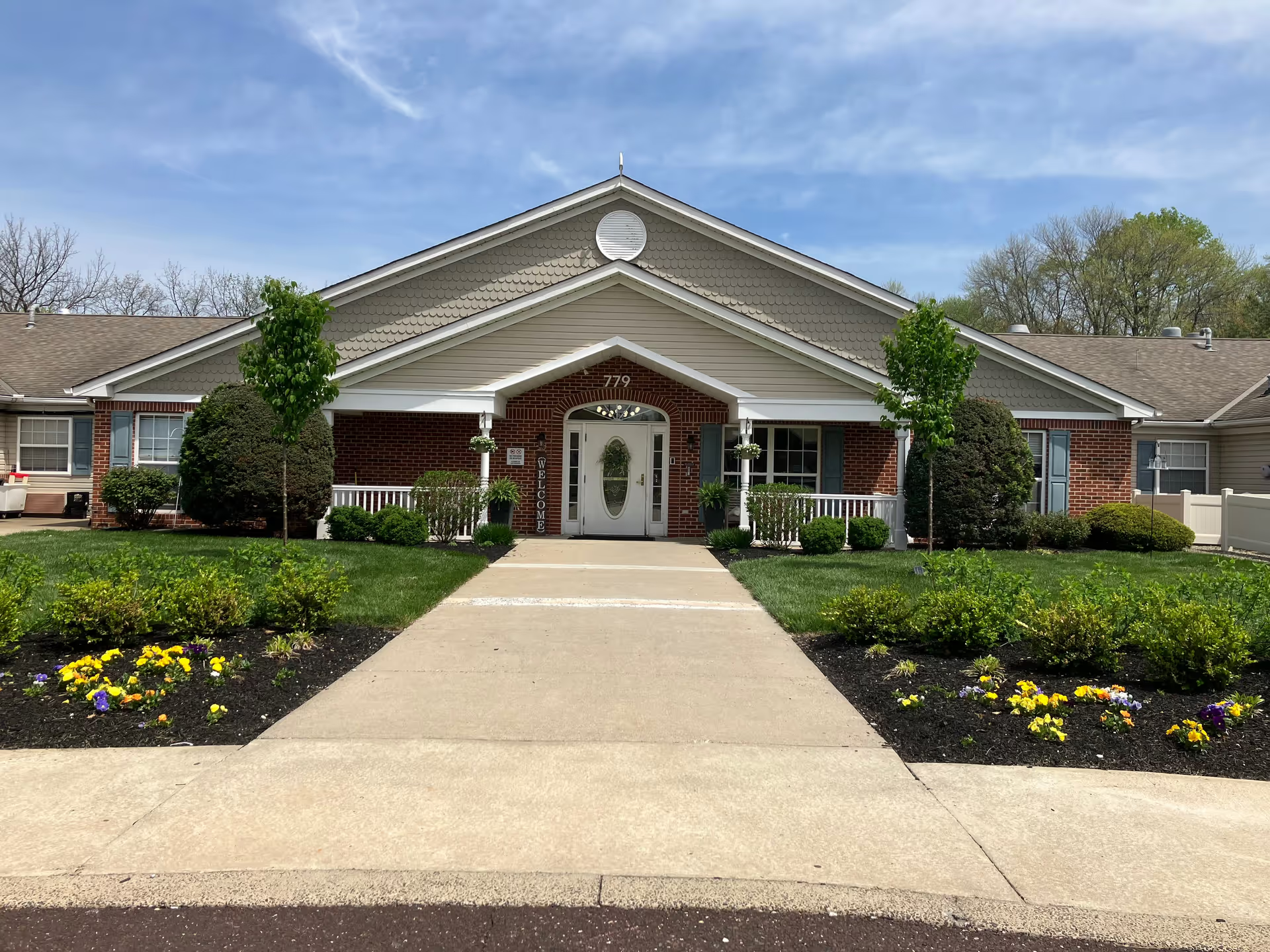
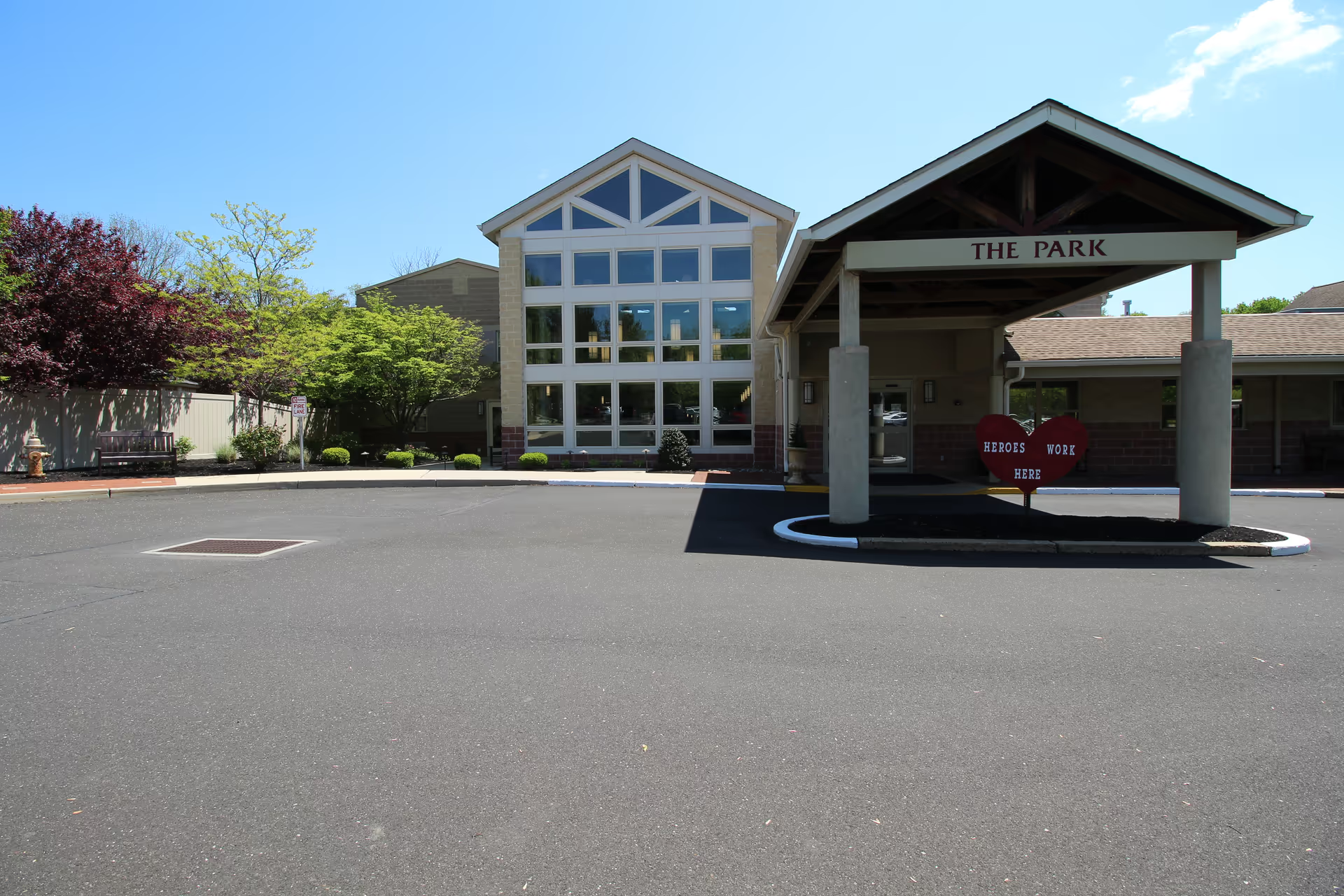
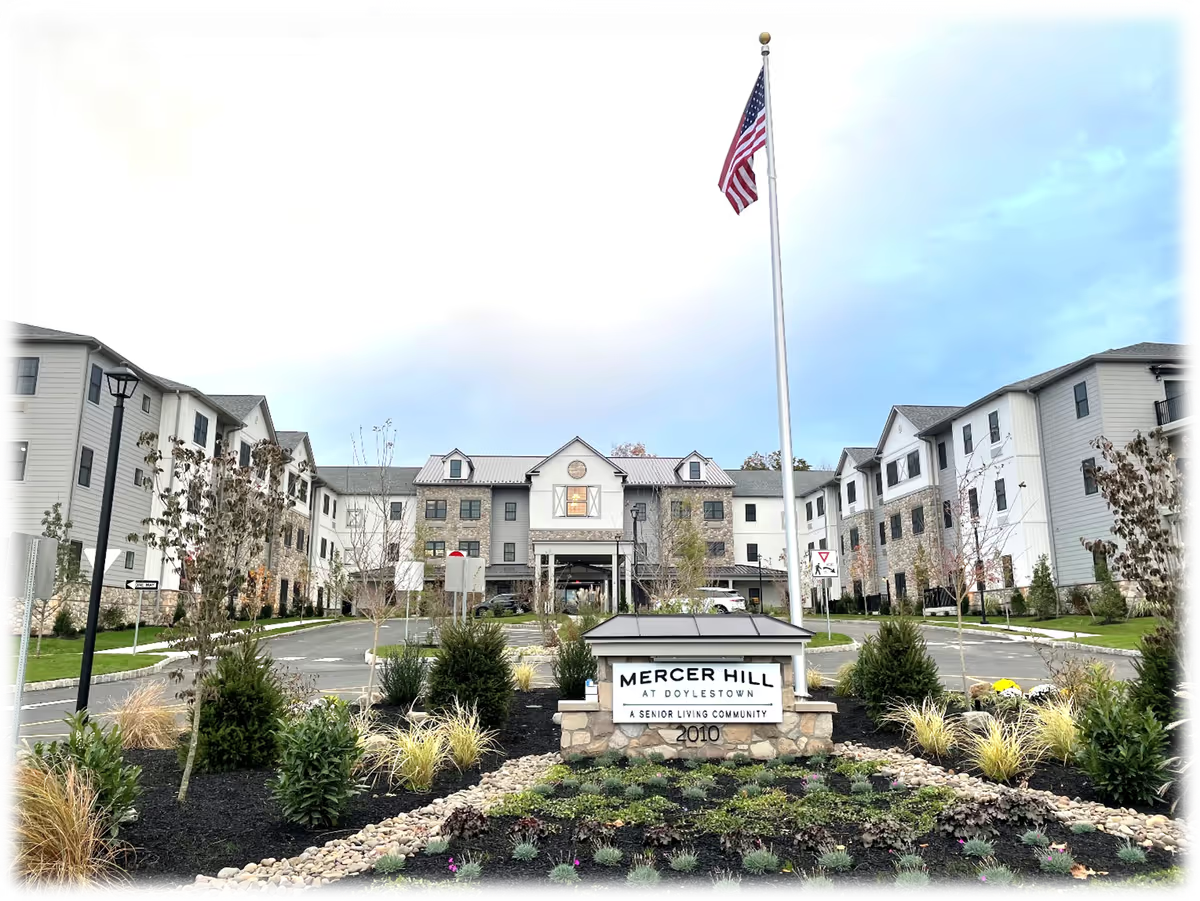
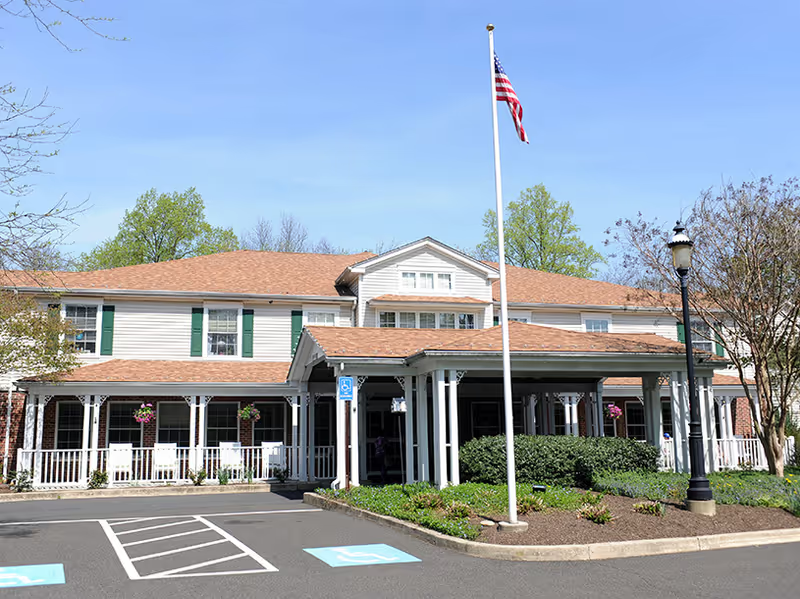
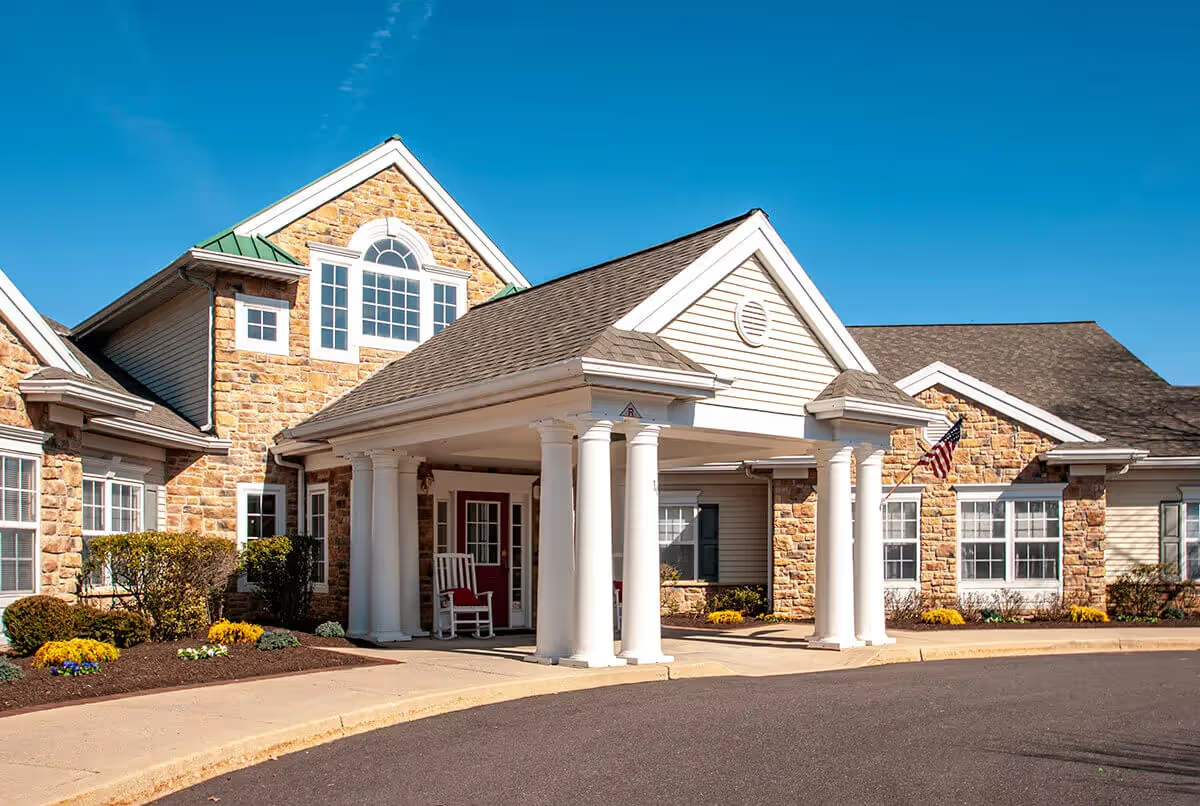
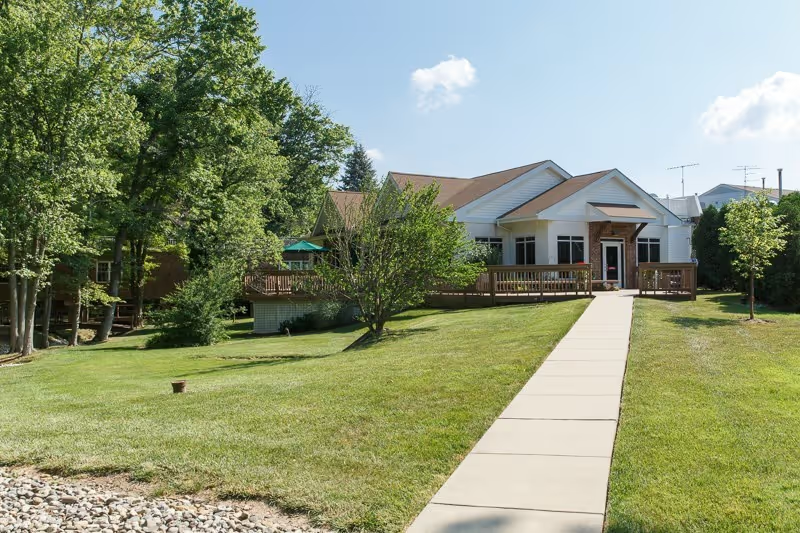
The reviews indicate a facility with clear strengths but also substantial variability in day-to-day care. Strengths include a well-regarded short-term rehabilitation program and physical therapy services, clean interiors and attractive grounds, private-room options, and episodes of very personalized, family-like care. Many families described positive interactions with CNAs and other direct-care staff who provided compassionate, one-on-one attention when staffing levels allowed.
At the same time, a consistent theme is variability in clinical and operational performance between units and shifts. Several reviewers described situations that point to systemic issues: inconsistent clinical-care quality, medication-administration gaps, and inadequate clinical follow-up after treatments. Nurses were sometimes characterized as overextended or insufficiently responsive, which reviewers linked to delayed responses to call bells and missed follow-up after treatments. There are also concerns about fall-prevention and transfer-safety practices that prospective families should address directly.
Staffing and supervision emerge as central factors. Positive experiences often coincided with higher staff-to-resident ratios and attentive CNAs; negative accounts described understaffing, undertraining, staff socializing or using personal devices while on duty, and a sense that nurses were overworked. Communication weaknesses were reported both between staff and with families—examples include poor handoffs, unclear medication communication, and limited proactive updates to family members.
Programmatic areas show mixed performance. The short-term rehab unit appears to provide effective therapy and more focused care, while the long-term unit is characterized as having a wait list and greater variability in quality. Activity programming and resident engagement were noted as limited or inconsistent by several reviewers, and some families described rushed routines (for example, expedited bedtime after dinner) that reduced opportunities for social or therapeutic activities.
Facility management and financial practices also drew attention. The provider operates as a private-pay facility and does not accept Medicaid; several reviews cited high out-of-pocket cost and questioned billing practices (including specific concerns about equipment billing). Sanitation and odor control were generally positive in many descriptions, but a few reviewers noted cleanliness or odor issues in particular areas.
For prospective residents and families: the facility shows potential strengths in rehabilitation, environment, and direct-care staff when adequate staffing and supervision are in place. However, the pattern of variability suggests it is important to verify current staffing ratios, medication-administration protocols, fall-prevention procedures, activity schedules, and billing practices during a tour. Ask about nurse-to-resident ratios by unit and shift, staff training programs, how medication errors and clinical incidents are tracked and communicated to families, and the facility’s billing policies for oxygen and other ancillary services.