Overall impression: The Pathways at Warrington is frequently characterized by strong, compassionate caregiving and a clean, modern environment. Many families describe accessible, hands-on nursing leadership and daily visible staff interactions that support continuity of care. The residence offers private, well-furnished rooms, included services such as weekly laundry and cable, and an all-inclusive personal care rate that some families find administratively straightforward.
Care and staffing: Numerous accounts praise the compassion, responsiveness, and clinical competence of direct-care staff and nursing leaders, including 24/7 nursing availability and proactive directors who engage with families. At the same time, staffing and operational capacity emerge as recurring operational concerns. Night-shift coverage is described as inconsistent, and the facility’s reliance on agency/temporary staff and elevated turnover have been linked to continuity gaps. Several families also raised serious concerns about staff conduct and professional boundaries; there are isolated allegations involving inappropriate conduct and involvement of external authorities. Another operational challenge is the use of paper-based clinical documentation, which some families see as a potential limit on care coordination and record access.
Dining and activities: Dining is a highlighted strength in many accounts—meals are described as well-organized, the dining areas are pleasant, and food quality is often praised. The facility maintains a structured meal schedule (commonly breakfast, lunch, and dinner at set times), which works well for many residents but may be inflexible for others. Activity programming is organized and person-centered with daily offerings, but several families expressed a desire for broader variety and more diverse engagement options, particularly for residents with differing interests or higher activity expectations.
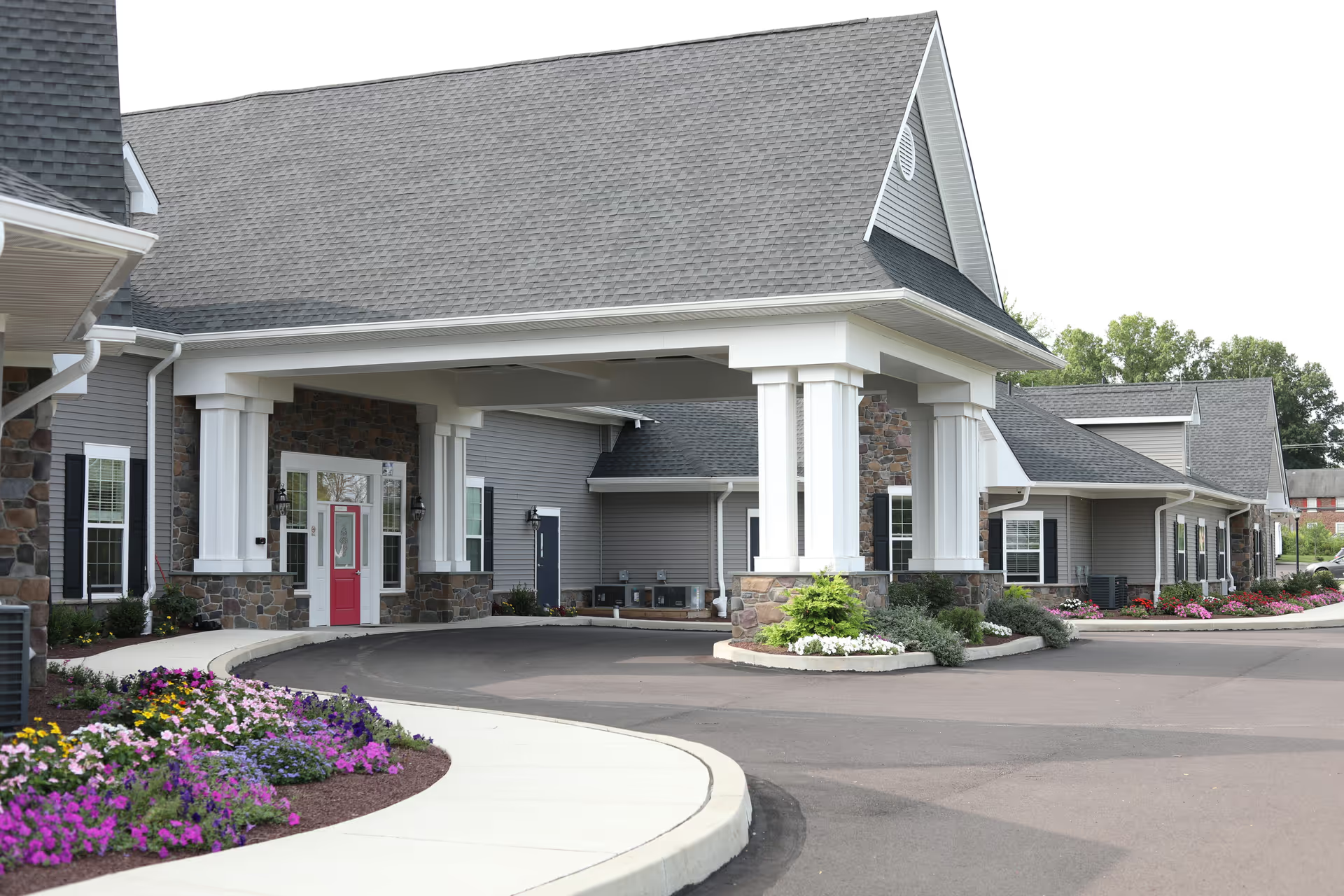
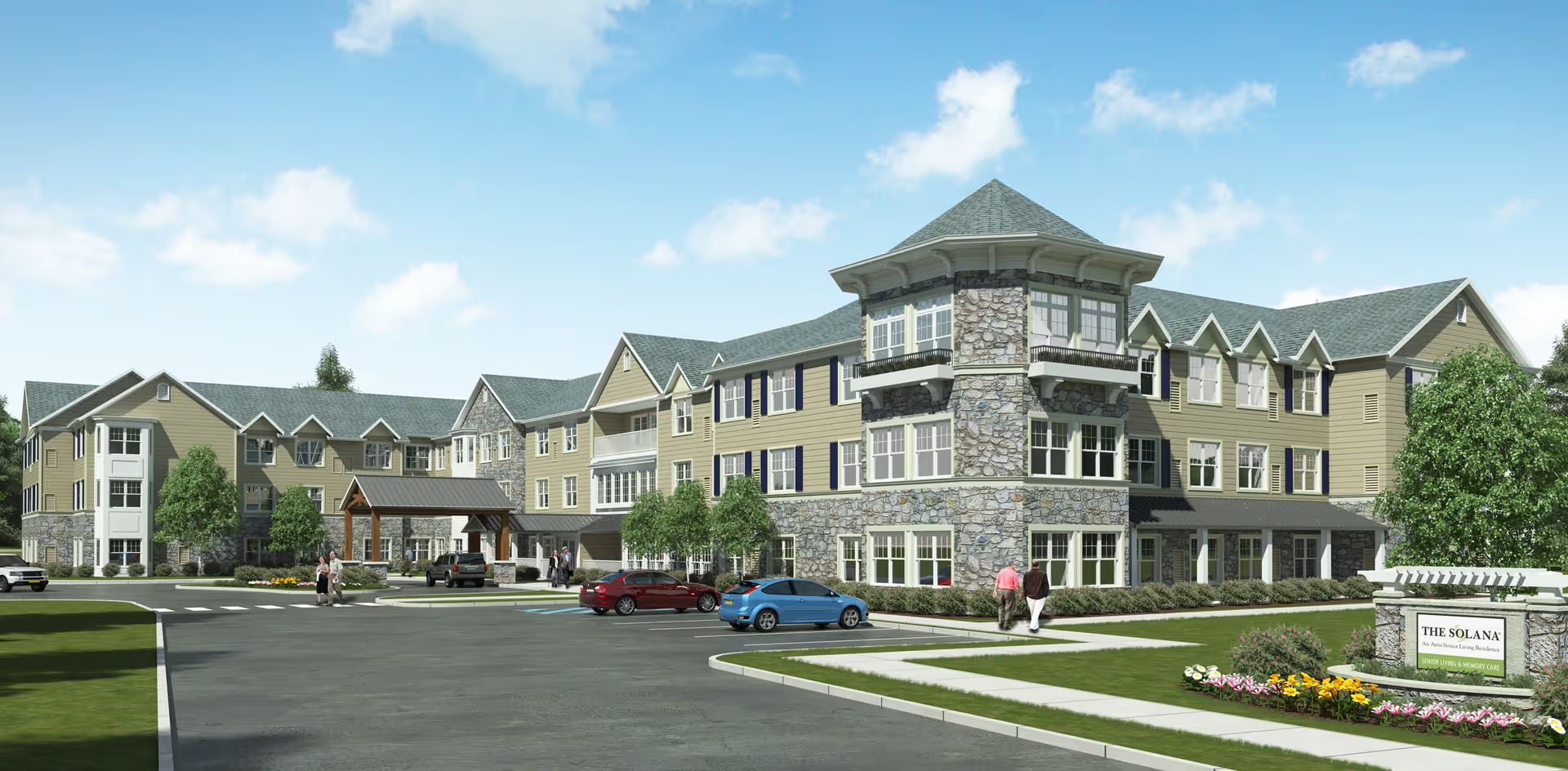
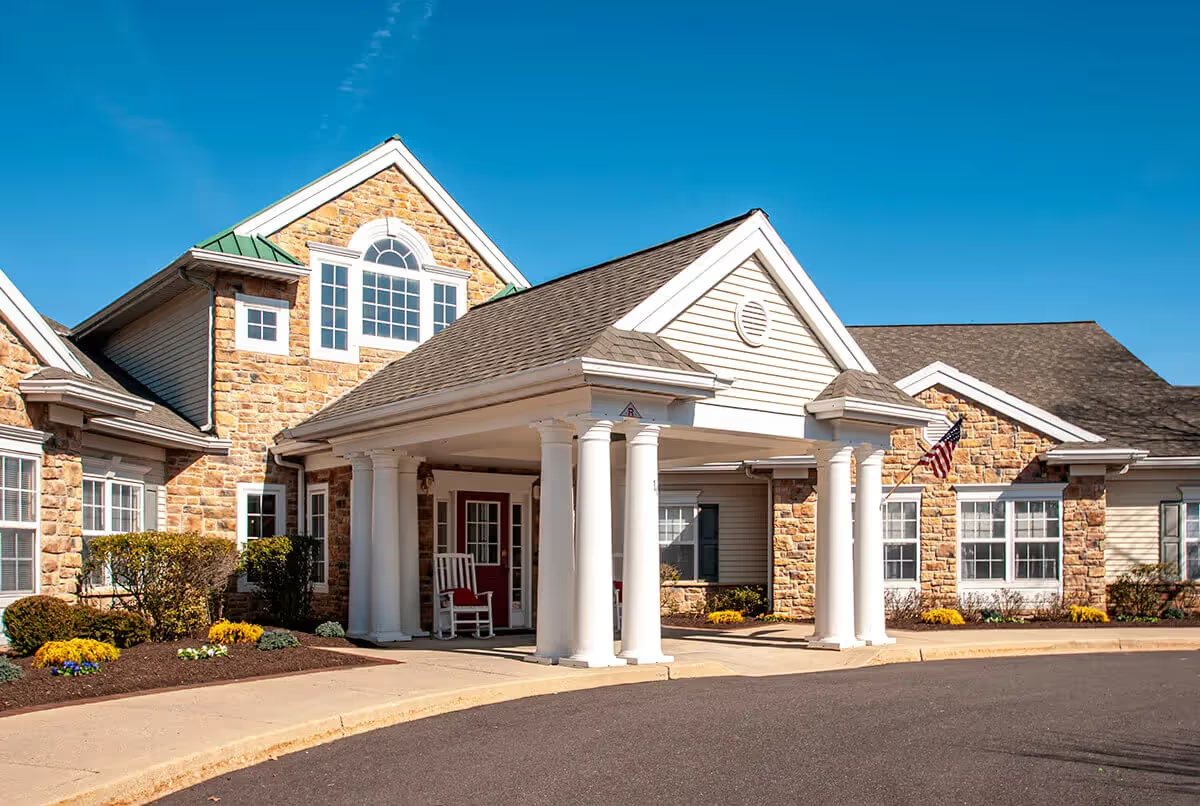
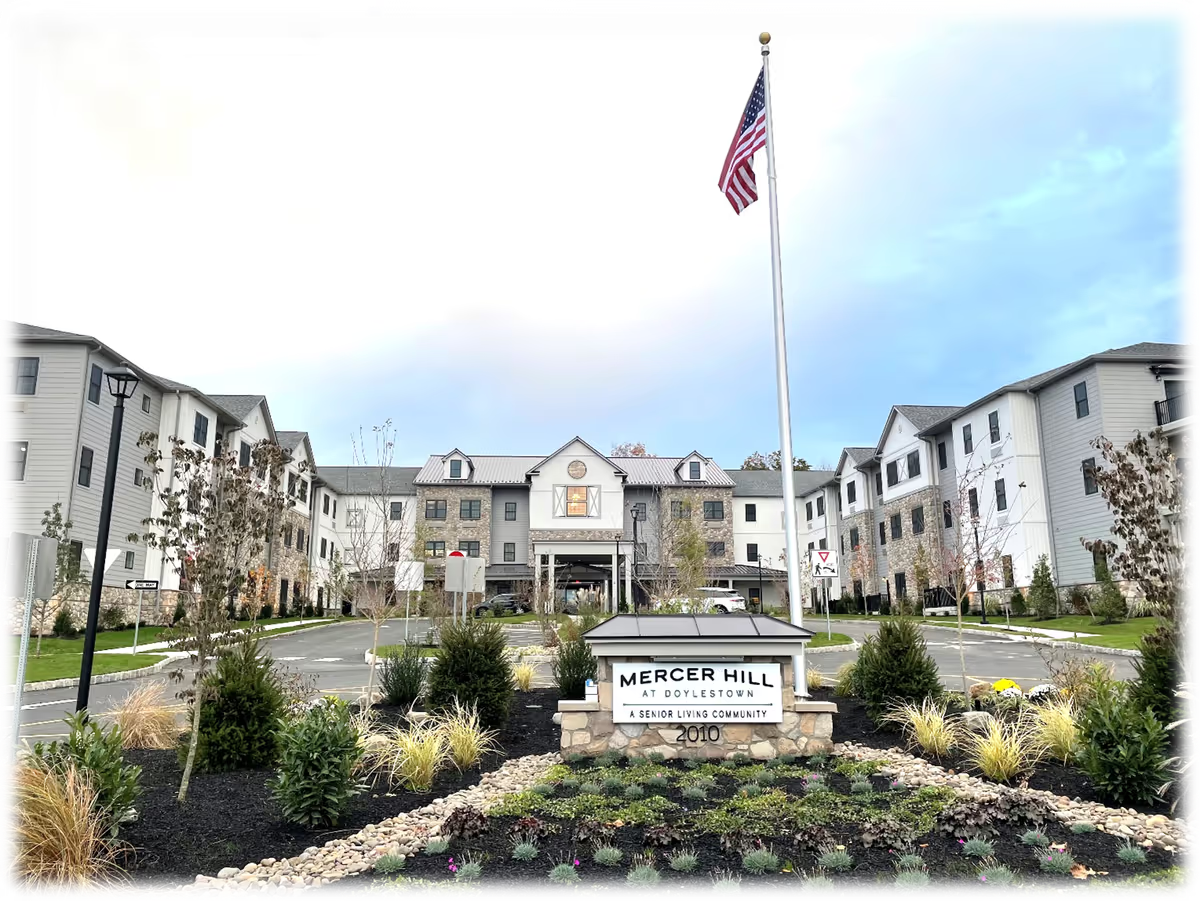
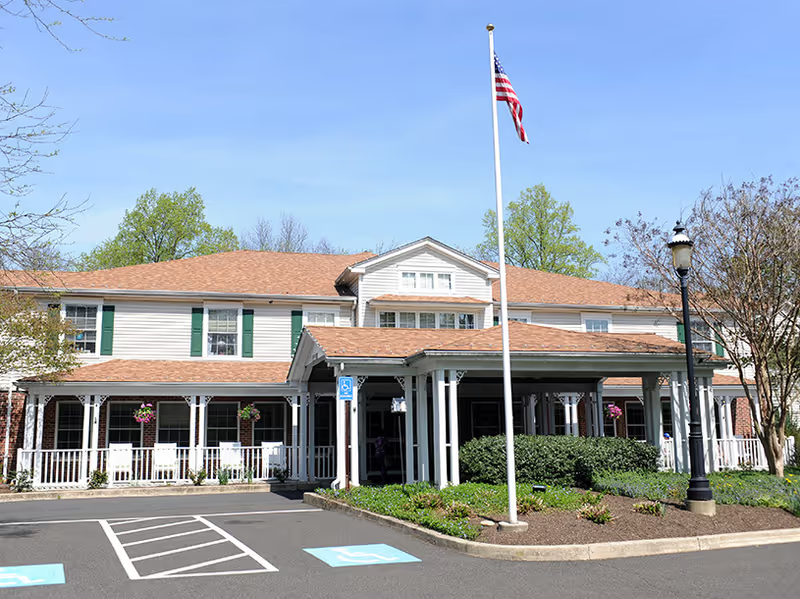
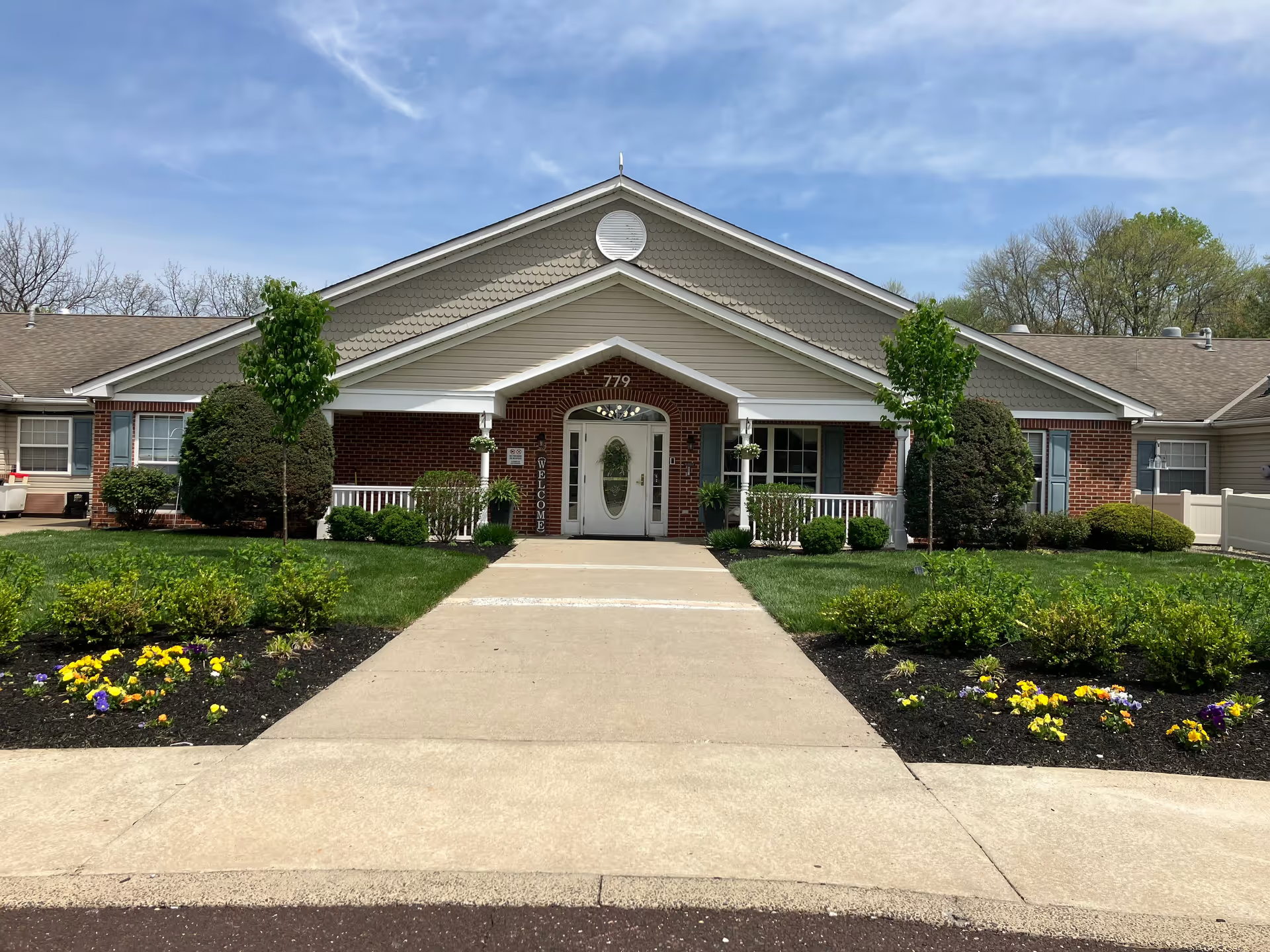
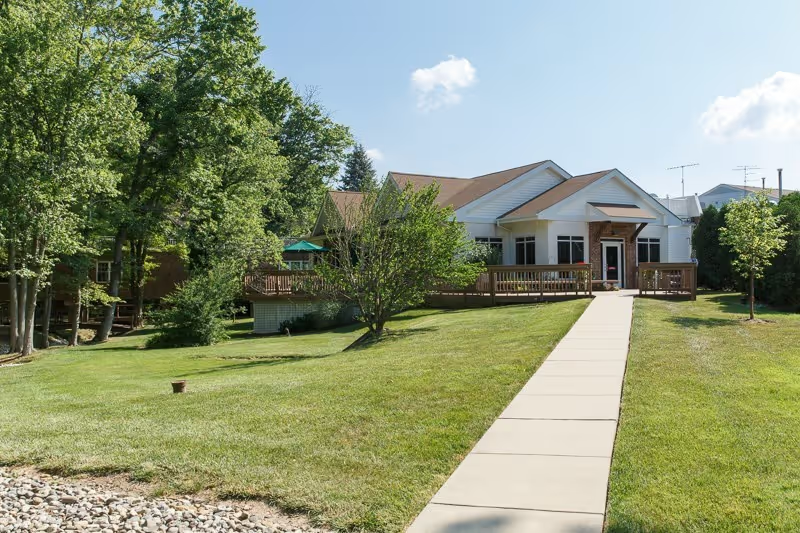
Facilities and amenities: The building is frequently described as new, clean, and well-maintained, with private rooms, sizable bathrooms, and some outdoor space. Maintenance and move-in assistance are noted as attentive and helpful. The memory-care neighborhood is positioned separately and carries a higher rate; families should weigh that pricing differential against the level of specialized services provided.
Management and communication: Management visibility and responsiveness are mixed across accounts. Many families commend hands-on directors who respond quickly and maintain open communication. Conversely, others describe inconsistent administrative practices, high staff turnover, and concerns about fairness or professionalism at the leadership level. There are also operational questions around admissions and acuity: some families perceive a mismatch between resident care needs and staffing allocation when higher-acuity residents enter the community.
Notable patterns and considerations: Strengths cluster around direct-care compassion, cleanliness, and a structured, small-community feel. Operational weaknesses cluster around staffing consistency (especially overnight), reliance on agency personnel, documentation practices, and occasional lapses in property control and professional conduct. Prospective residents and families may wish to tour the community, observe staffing at different times of day, ask about night-shift ratios and agency use, review clinical documentation practices, clarify what memory-care pricing includes, and discuss policies for personal-item accountability and incident resolution to align expectations with the facility’s operational profile.