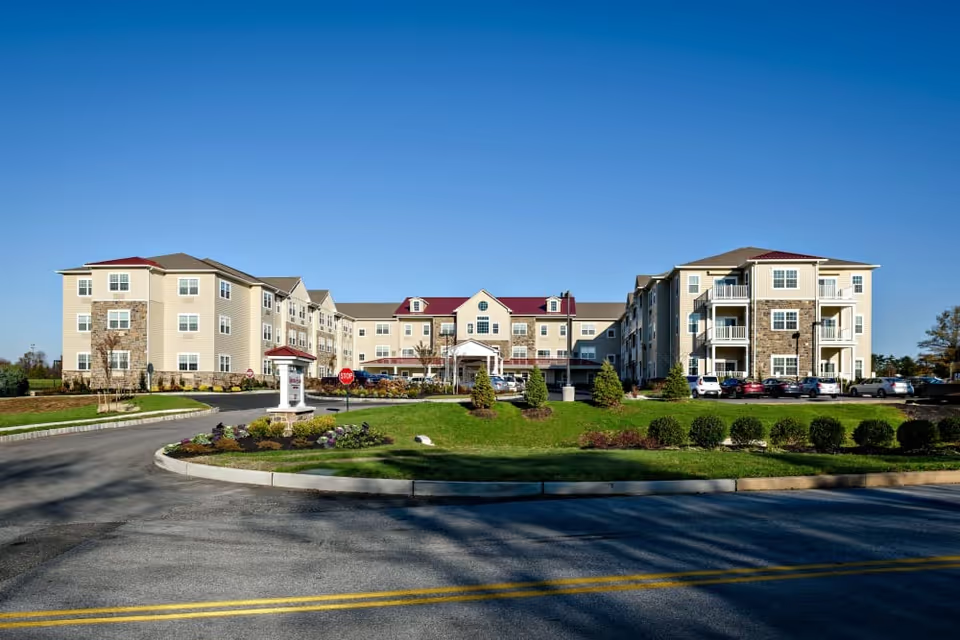
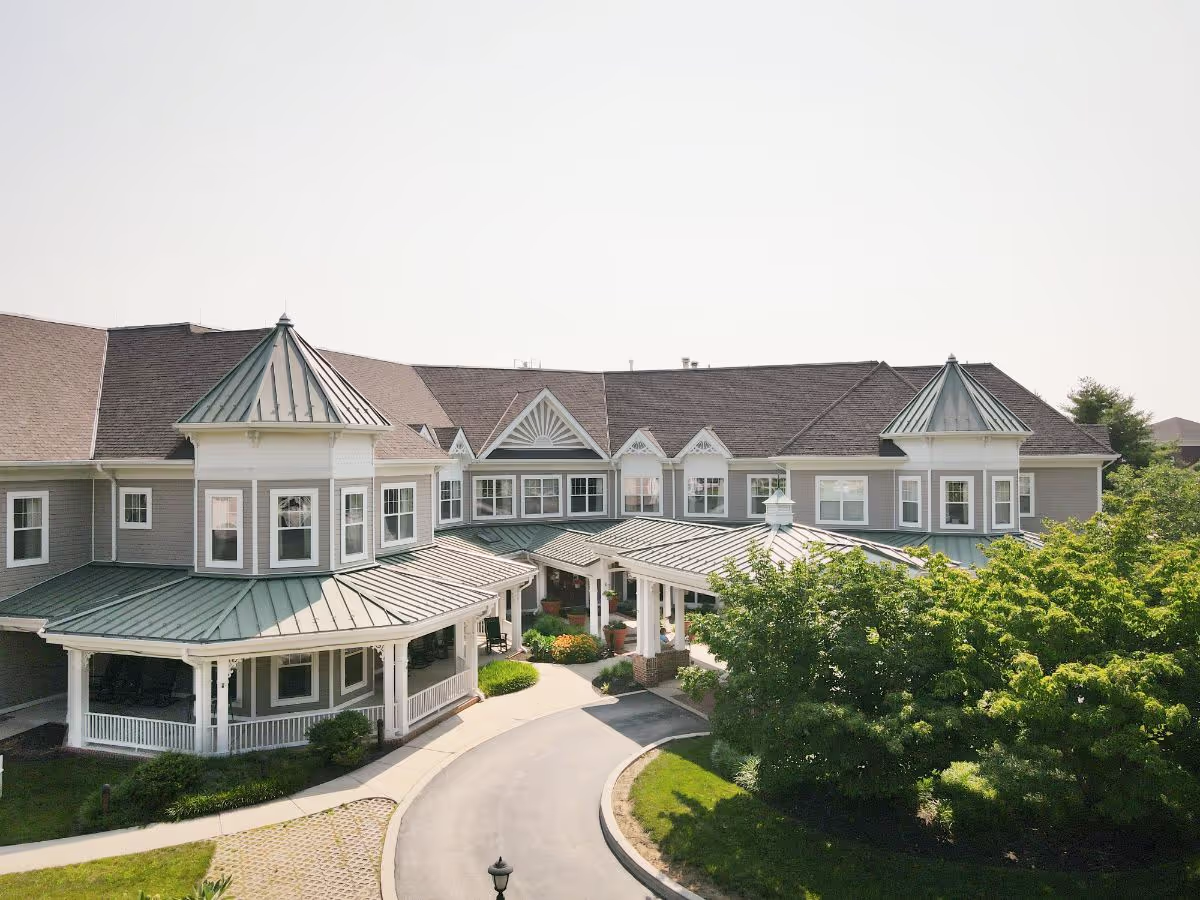
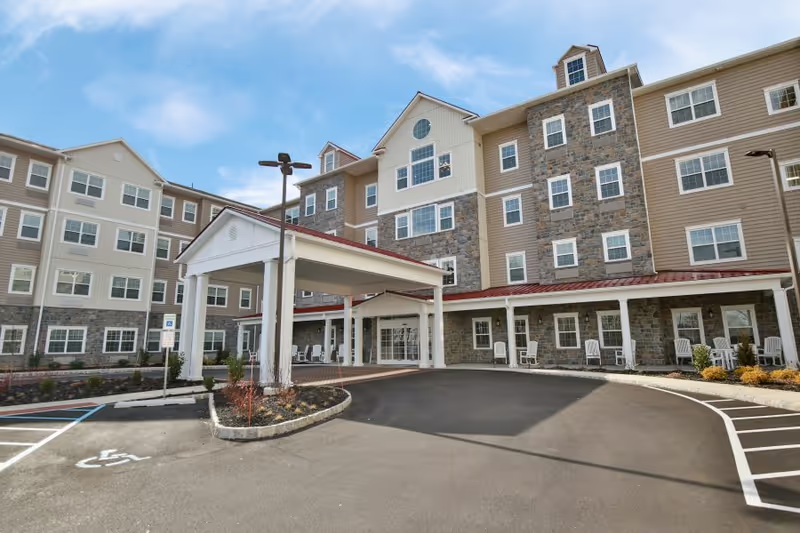
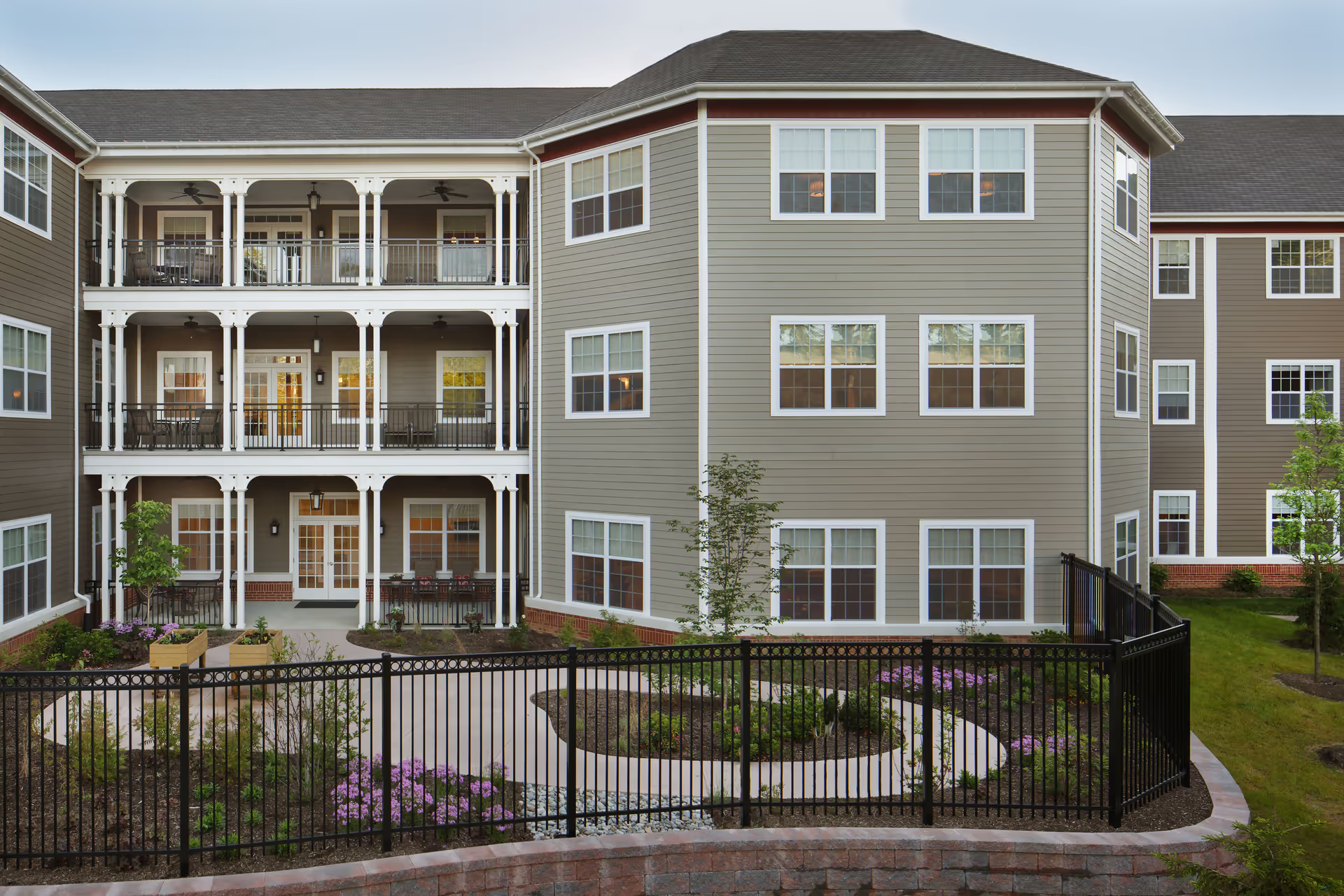
Overall impression: Arbor Terrace Willistown presents as a well-appointed, amenity-rich senior living community with a strong emphasis on social programming and a visible culture of personable caregiving. Many families describe a warm, family-like atmosphere, active engagement programming, and attractive common spaces and grounds. The site’s therapy services, transportation, organized outings, and varied resident activities are frequently cited as strengths that support resident mobility and social connection.
Care and staff: Caregivers and front-line staff are repeatedly praised for being friendly, attentive, and relationship-oriented; many accounts highlight staff who learn residents’ names, provide individualized attention, and create a welcoming environment. Nursing leadership and on-site RNs receive positive comments in a number of reports for clinical oversight. At the same time, a clear pattern emerges around staffing stability and training: families cite inconsistent staffing levels, high turnover, and weekend/after-hours coverage gaps that can affect supervision, activity delivery, and timely clinical response. Several accounts describe medication-management lapses and missing or delayed care documentation, indicating gaps in clinical processes that prospective families should review with administration.
Dining and amenities: The community’s dining presentation, event meals, and chef-led initiatives earn praise for taste and presentation, and the facility offers a broad range of amenities (movie theater, arcade, private outdoor areas, firepit, salon). However, there is variability in everyday meal quality and menu variety, with some residents and families noting heavier preparations, few salad/lighter options, and declines tied to staff or chef turnover. Dining logistics (multi-use dining spaces, scheduling) have also been described as a coordination challenge for some residents.
Activities and programming: Engagement is a notable strength. The activities team, particularly named engagement directors in several accounts, is credited with creative programming, outings, live music, and robust daily schedules that foster social participation. That said, staffing gaps sometimes reduce activity frequency or length, producing downtime between events and instances where one staff member attempted to supervise larger groups.
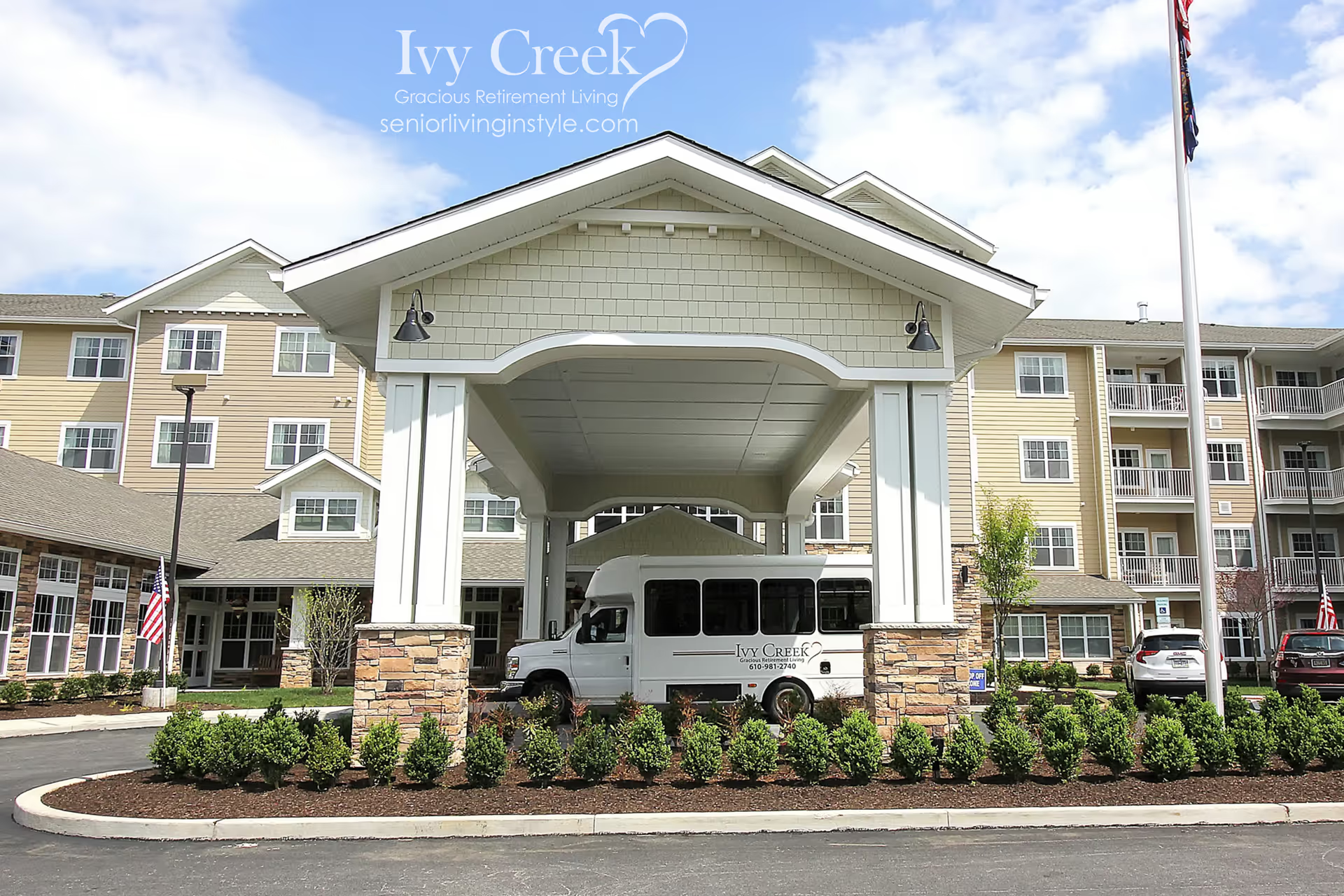
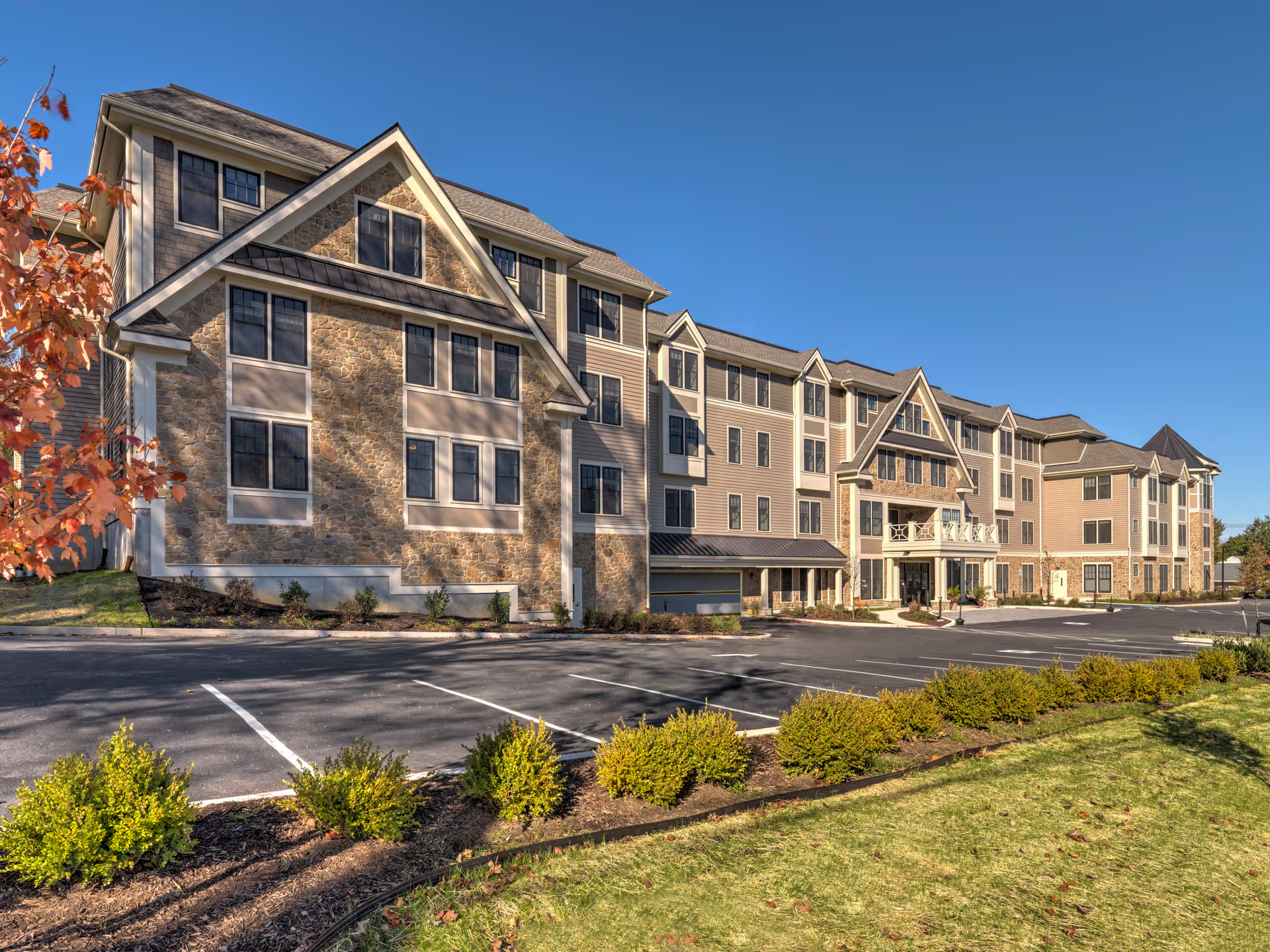
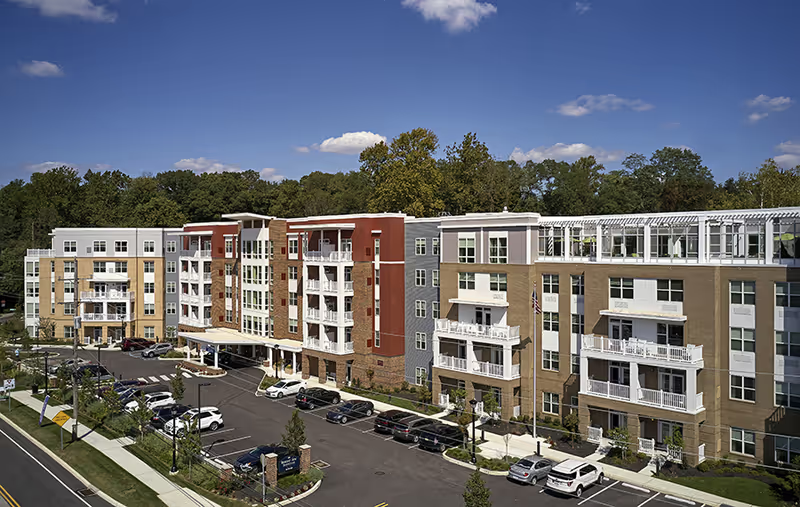
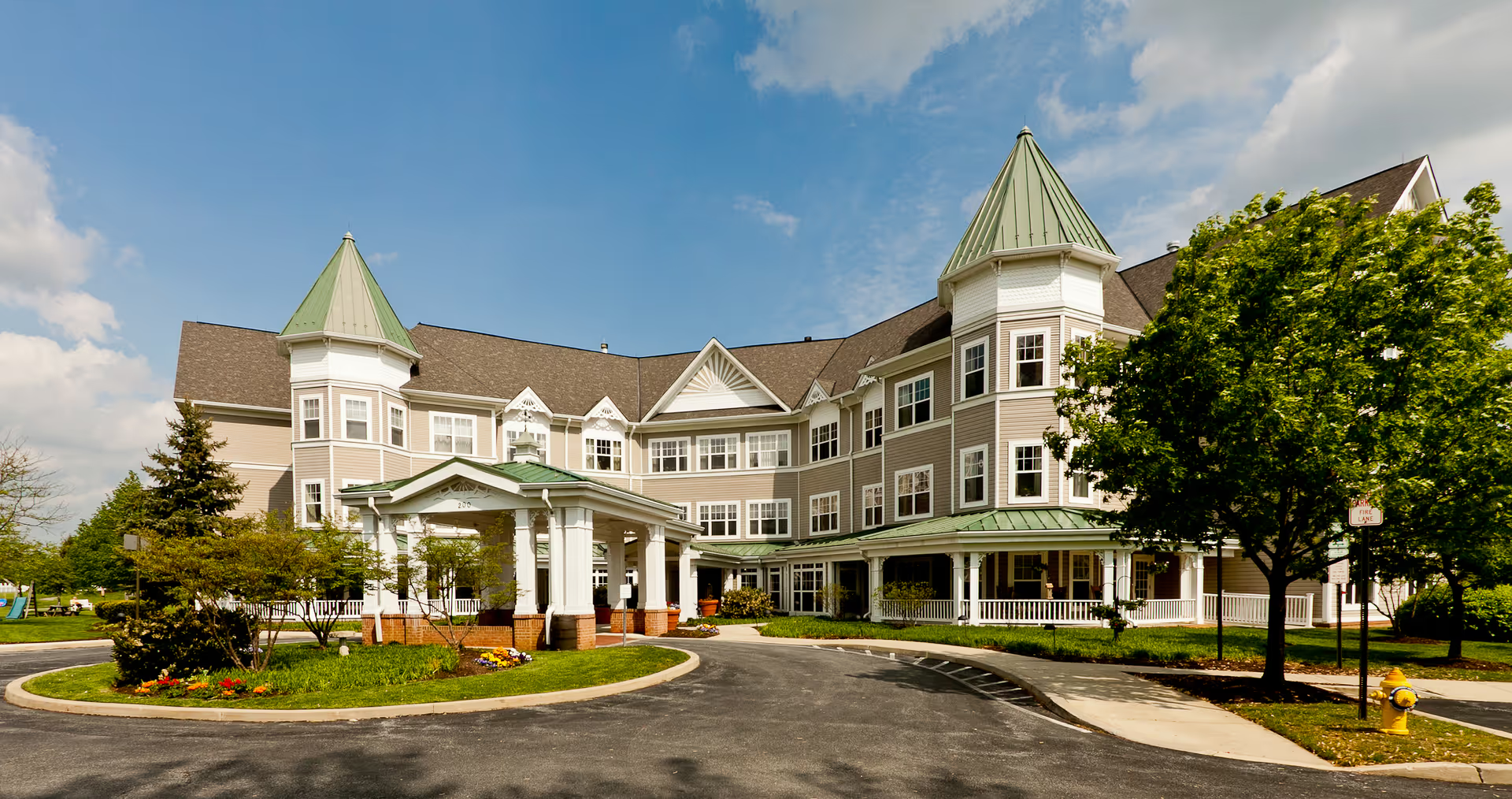
Facilities and operations: The physical plant, landscaping, and maintenance response receive consistently positive remarks; many families describe the building as clean, bright, and resort-like. In contrast, there are intermittent operational concerns: inconsistent laundry handling, sanitation-control and pest-control issues in isolated reports, and occasional housekeeping lapses. Some apartment layouts and bedroom sizes were described as tight for residents with mobility aids, which may affect suitability for certain dementia or mobility needs.
Management and patterns to note: Leadership and customer service are polarizing—many families point to proactive, hands-on directors who resolve issues and create smooth move-ins; others describe slow follow-through, billing errors, unexpected rate increases, and communication lapses. Serious clinical and safety incidents are described in several accounts; while these appear to be a minority, they underscore the importance of asking about medication administration protocols, staffing ratios (including how the community staffs memory care and nights/weekends), infection- and pest-control processes, laundry turnover, and documentation practices when touring.
Bottom line: Arbor Terrace Willistown offers strong social programming, attractive facilities, and many examples of compassionate, resident-focused caregiving. However, prospective residents and families should balance those strengths against recurring operational themes—especially staffing consistency, clinical process controls (including medication management and after-hours nursing), dining consistency, and administrative transparency. When evaluating this community, ask for up-to-date staffing ratios, recent turnover information, examples of medication-administration policies and audits, housekeeping/laundry procedures, pest-control records, sample menus, and clarification on billing and rate-increase policies to ensure the community’s current practices match your expectations.